
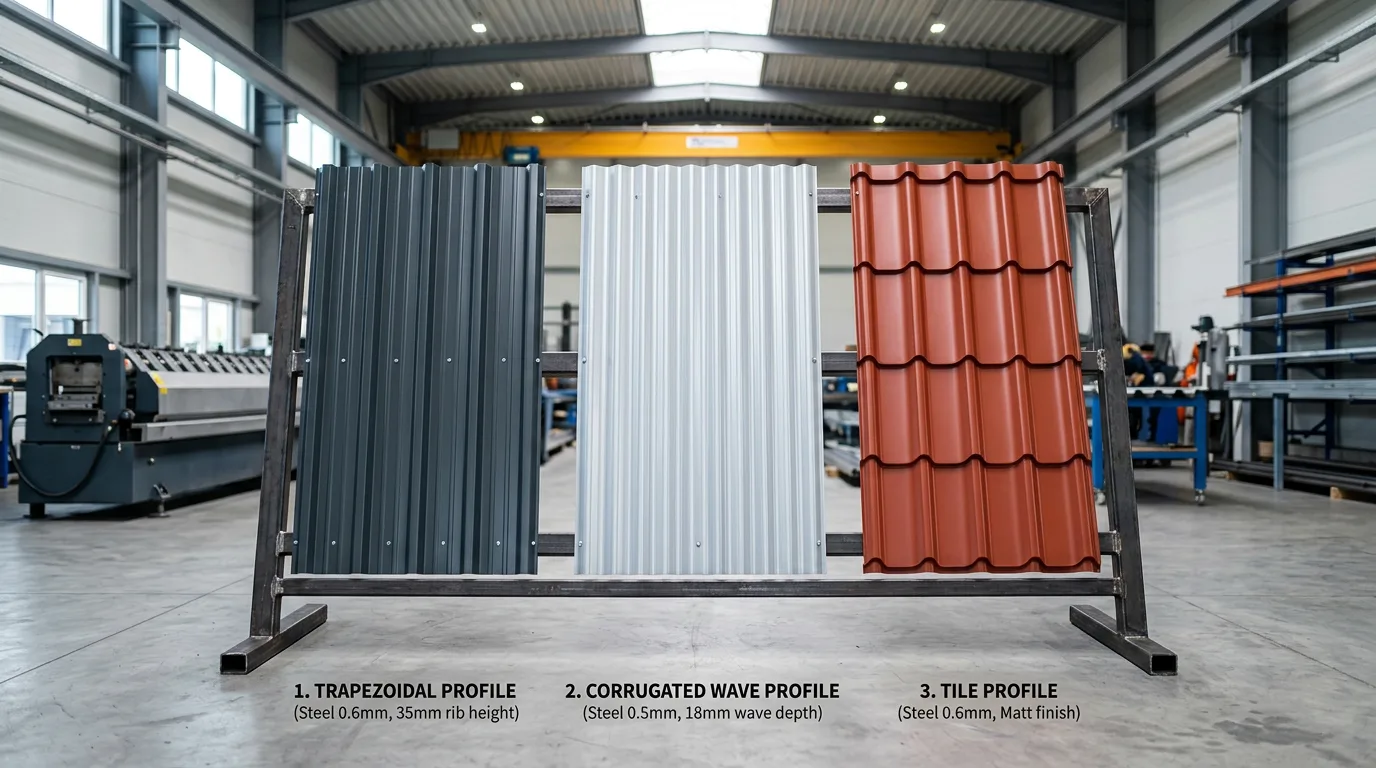
Trapezoidal vs corrugated vs tile metal roofing sheet comparison

How do different corrugated roofing profiles—trapezoidal, wave, and tile—compare for performance and suitability?

How Do Different Corrugated Roofing Profiles—Trapezoidal, Wave, and Tile—Compare for Performance and Suitability?
Trapezoidal vs corrugated vs tile metal roofing sheet comparison  
Different roofing profiles offer varying performance in strength, appearance, and application.

When choosing metal roofing sheets, many buyers focus only on thickness or coating—but the profile shape itself plays an equally important role. Trapezoidal, wave (corrugated), and tile profiles each behave very differently in terms of strength, drainage, appearance, and cost.

Understanding these differences helps you avoid overpaying, prevent performance issues, and select the right product for your specific project.

Overview of Common Corrugated Roofing Profiles

Trapezoidal, wave, and tile profiles differ significantly in geometry and application.

There are three main types of metal roofing profiles widely used in global markets:

  • Trapezoidal profiles – Characterized by flat pans and high ribs, designed for strength and structural performance.
  • Wave (corrugated) profiles – Traditional sinusoidal shape, known for flexibility and simplicity.
  • Tile profiles – Designed to replicate the appearance of clay or concrete tiles, mainly for residential use.

Each profile serves a different purpose. There is no “one-size-fits-all”—the right choice depends on how the roof will be used.

Strength and Aesthetic Comparison Among Profiles
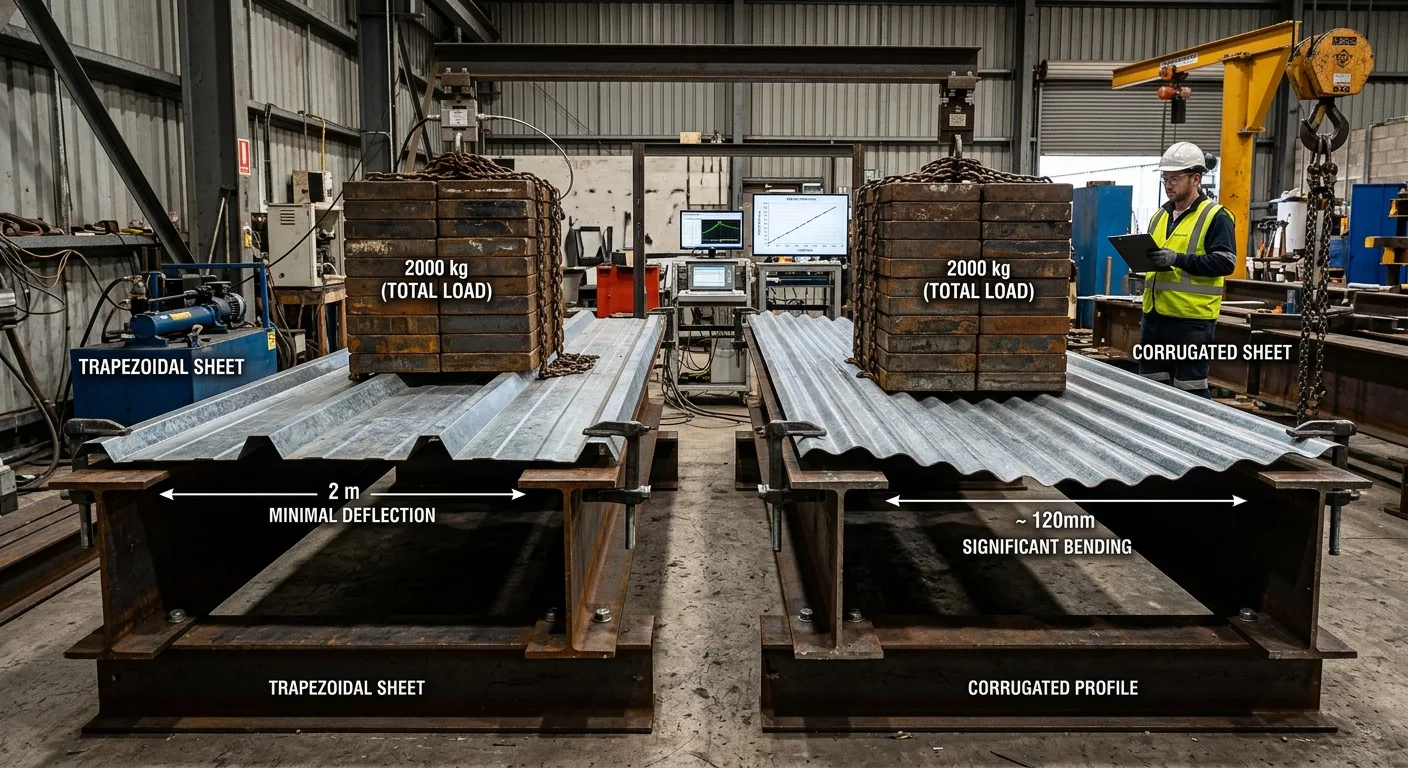
Strength comparison of trapezoidal and corrugated steel roofing sheets
Trapezoidal profiles provide higher load capacity compared to traditional corrugated sheets.

From a structural standpoint, trapezoidal sheets offer the highest strength. Their geometry allows longer spans with fewer supports, making them ideal for industrial buildings and warehouses.

Wave (corrugated) sheets still provide a good strength-to-weight ratio, but they are less rigid. This makes them more suitable for smaller structures or projects where heavy loads are not a concern.

Tile profiles, on the other hand, are not designed for maximum strength. Their value lies in appearance. They deliver a premium look that closely resembles traditional roofing materials.

In simple terms:

  • Trapezoidal = Performance
  • Wave = Balance
  • Tile = Appearance

Choosing the Best Profile for Climate and Structure
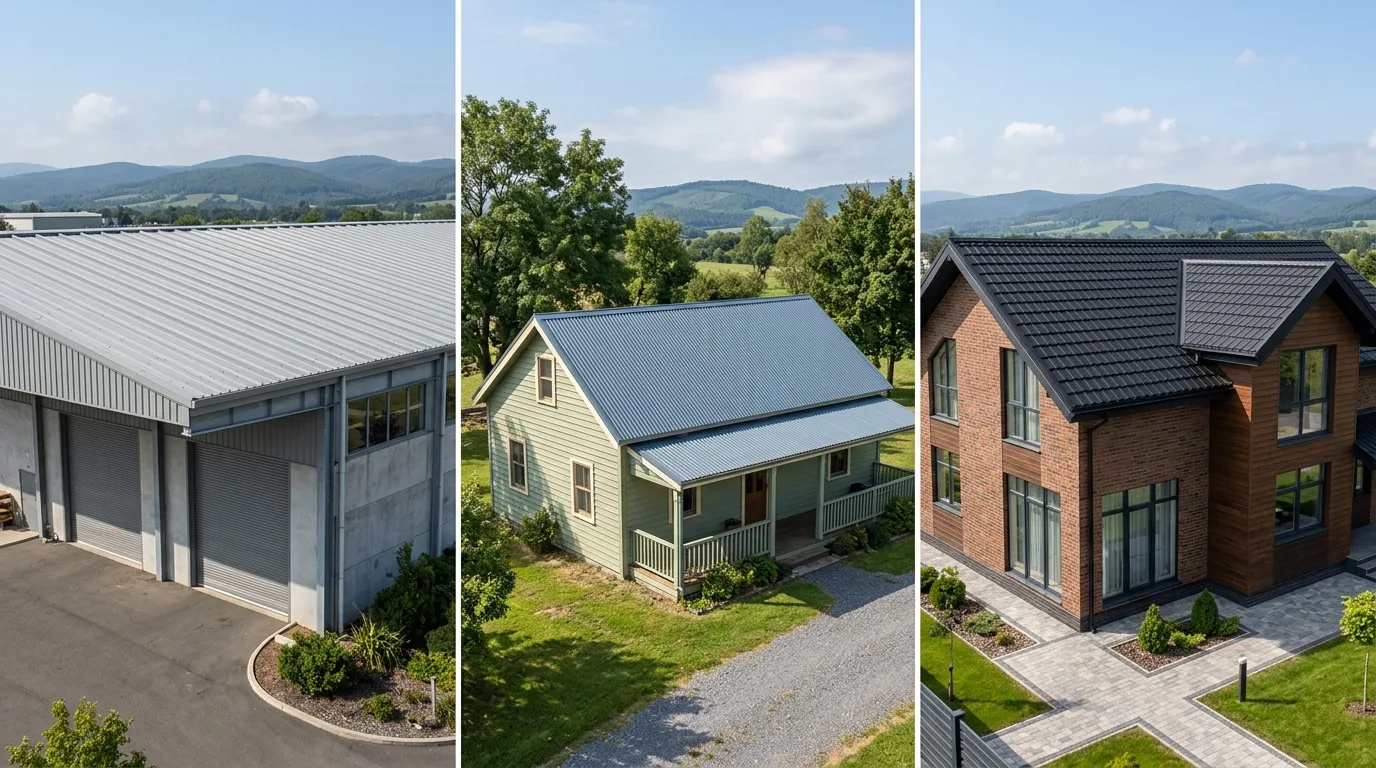
Applications of trapezoidal corrugated and tile roofing sheets on buildings
Different environments and building types require different roofing profiles.

Roof performance is closely tied to climate and structure design.

Trapezoidal profiles perform especially well on low-slope roofs. Their flat channels and vertical ribs help water drain quickly, reducing the risk of leakage.

Wave profiles work best on moderate to steep slopes. They are also more flexible, making them suitable for curved roofs or irregular designs often found in agricultural or rural buildings.

Tile profiles are typically used in residential or architectural projects where visual impact matters more than structural efficiency.

If your project involves coastal, high rainfall, or industrial environments, stronger profiles like trapezoidal combined with proper coating systems are usually the safer choice.

Cost and Installation Considerations for Each Type
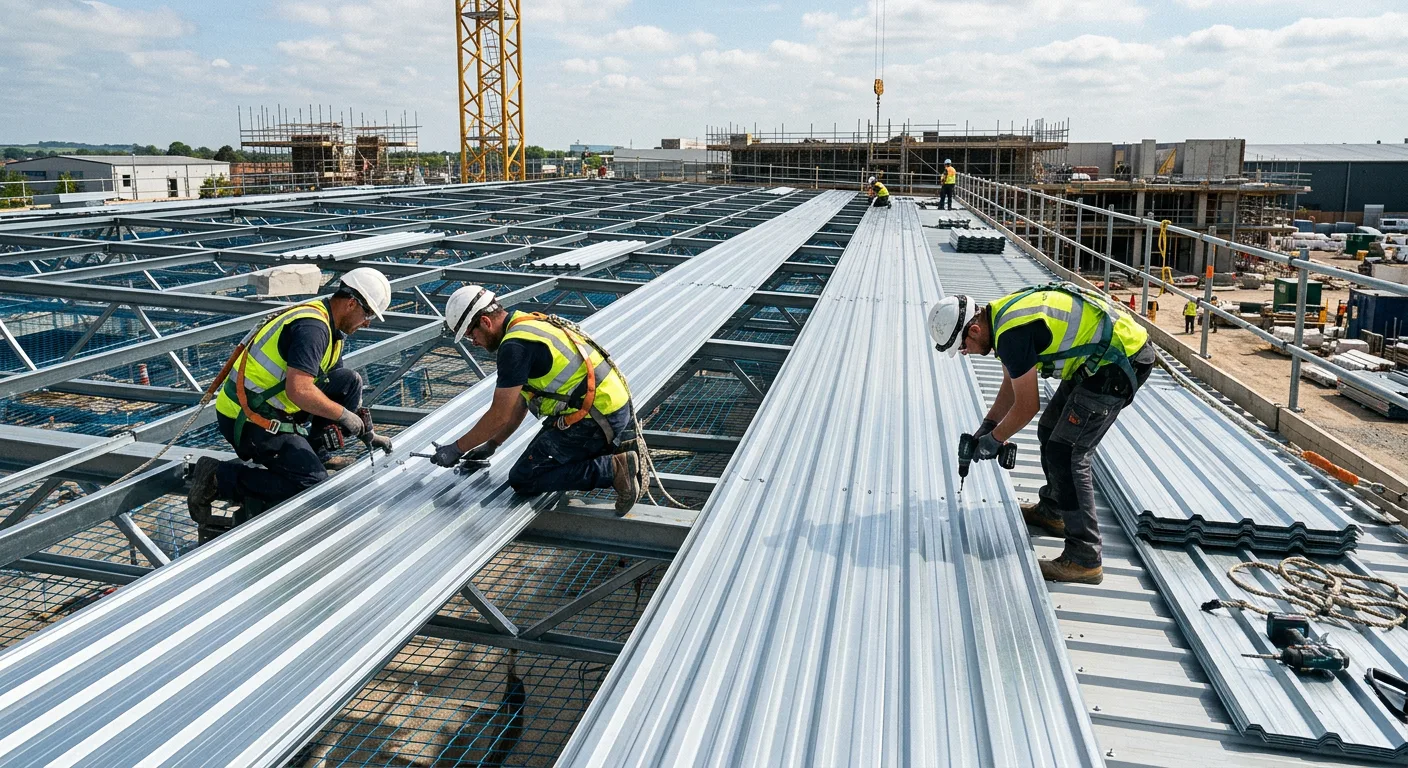
Installation of metal roofing sheets with fasteners on construction site
Installation complexity and cost vary depending on the roofing profile selected.

Cost is not just about the price per ton—it includes installation, maintenance, and long-term performance.

Wave (corrugated) sheets are generally the most economical. They are easy to transport, simple to install, and require less skilled labor. This makes them popular in cost-sensitive markets.

Trapezoidal sheets may have a slightly higher material cost, but they reduce structural requirements and installation time in large-scale projects, often lowering total project cost.

Tile profiles are usually the most expensive option. Their complex shape requires more precise installation and handling, increasing both labor cost and installation time.

Another factor to consider is fastening systems. Both trapezoidal and corrugated sheets typically use exposed fasteners, which require proper sealing and maintenance to prevent leakage over time.

Conclusion

Choosing the right roofing profile is not just a design decision—it directly affects durability, cost, and long-term performance.

Trapezoidal profiles are the best choice for strength and large-span structures. Wave profiles offer flexibility and cost efficiency for simpler applications. Tile profiles deliver premium aesthetics for residential projects.

The key is to match the profile with your project’s actual needs—climate conditions, structural requirements, and budget—rather than simply choosing the cheapest or most common option.

Not Sure Which Roofing Profile Fits Your Market?

We help buyers select the right roofing profile based on project type, climate conditions, and budget targets—ensuring the best balance between cost and performance.

Send us your project details, and we’ll recommend the most suitable profile along with optimized specifications.

Share :

X
Facebook
LinkedIn
Pinterest
WhatsApp

More Tips

How Can Zinc and Aluminum-Zinc Coatings Maximize Corrosion Resistance in Steel?

Maximizing Corrosion Resistance: A Deep Dive into Zinc and Aluminum-Zinc Coatings Claim: Zinc and aluminum-zinc coatings don’t just cover steel — they extend its life. With the right coating type, thickness, and detailing, you can dramatically reduce corrosion risk and lower lifetime costs. Table of Contents 1. Why Corrosion Protection Is Critical in Steel Applications 2. The Science Behind Zinc vs. Alu-Zinc Coating Systems 3. Real-World Performance: How Coating Thickness Affects Durability 4. Choosing the Right Coating Type for Your Climate and Budget Conclusion Main comparison: zinc-coated (galvanized) vs aluminum-zinc (Aluzinc) coated steel coils. 1. Why Corrosion Protection Is Critical in Steel Applications Think of steel as the backbone of a building or structure — but left unprotected, it will rust, weaken, and fail. Corrosion is often invisible at first, but over months and years it eats away at strength, increases maintenance costs, and shortens warranties. Protective metallic coatings (like

Read More »
Custom steel coil production line showing precision rolling and variable coil thickness.

How do custom thickness and width in steel coils help cut costs for buyers?

How Do Custom Thickness and Width in Steel Coils Help Cut Costs for Buyers? Claim: Customizing the thickness and width of steel coils allows buyers to optimize material usage, reduce waste, and achieve measurable cost savings throughout the production and logistics process. Table of Contents 1. Why Coil Thickness and Width Matter in Industrial Projects 2. How Customized Specifications Improve Material Utilization 3. Cost Optimization Through Precision Rolling and Cutting 4. Partnering with Suppliers for Made-to-Order Steel Coil Solutions 5. Conclusion Precision control in coil rolling helps optimize thickness and reduce waste. 1. Why Coil Thickness and Width Matter in Industrial Projects In any steel fabrication or construction project, choosing the right coil dimensions is crucial. Standard coil sizes often lead to unnecessary cutting, trimming, and leftover materials that end up as scrap. Customizing the coil thickness and width allows buyers to match the material exactly to their production requirements,

Read More »

What Are the Best Practices for Packaging and Shipping Steel Coils Safely for Exporters and Importers?

Packaging and Shipping Steel Coils Safely: Tips for Exporters and Importers Claim: Proper packaging, handling, and loading procedures are essential to protect steel coils from rust, deformation, and transport damage — ensuring product quality, regulatory compliance, and cost efficiency from mill to destination. Table of Contents 1. Common Packaging Methods for Export-Ready Steel Coils 2. How to Prevent Rust, Denting, and Edge Damage During Transport 3. Essential Safety Standards for Loading and Containerization 4. Inspection and Handling Tips for Importers Upon Arrival 5. Conclusion Properly packaged steel coils with protective wrapping and labeling for safe export. 1. Common Packaging Methods for Export-Ready Steel Coils Export packaging for steel coils begins with corrosion prevention and impact protection. The inner layer typically uses corrosion-inhibiting paper or VCI film, followed by waterproof kraft paper or plastic wrapping. Outer layers include steel or PET strapping, edge guards, and sometimes metal or wooden crating for

Read More »
Stacked steel sheets in a modern factory meeting international ASTM, EN, and JIS standards.

How can steel sheets meet international standards like ASTM, EN, and JIS?

Meeting International Standards for Steel Sheets: ASTM, EN, JIS at a Glance Claim: Compliance with ASTM, EN and JIS standards is not just paperwork — it’s a practical way to guarantee material performance, speed up acceptance in export markets, and build trust between suppliers and buyers. Table of Contents Introduction 1. Understanding the Importance of Global Steel Standards 2. Overview of ASTM, EN, and JIS Classifications for Steel Sheets 3. How to Match Your Order Specifications with the Correct Standard 4. Why Compliance Improves Buyer Confidence and Export Value Conclusion Steel sheets ready for export — meeting international standards ensures acceptance and reliability. Introduction In today’s global steel market, buyers and suppliers operate across borders and standards. ASTM (United States), EN (Europe) and JIS (Japan) are three widely recognized systems that define how steel should be made, tested and documented. Meeting these standards helps ensure material safety, interchangeability and predictable

Read More »
Trusted Steel Supplier

Build Stronger with Premium Steel Solutions

Explore our wide range of galvanized, galvalume, and color-coated steel products for your next project.

Get A Quick Price Today