
Sourcing steel from China can be highly cost-effective—but for most buyers, the real concern is not price. It’s quality consistency, supplier reliability, and delivery stability.
China has both world-class manufacturers and unreliable suppliers. The difference between a successful order and a costly mistake often comes down to how well you manage supplier selection, quality control, and logistics.
This guide outlines practical steps to help you reduce risk and build a reliable steel supply chain.
Why China Remains a Leading Steel Exporter
China remains a leading global steel exporter due to its complete industrial ecosystem. From raw materials to finished products, the supply chain is highly integrated, allowing competitive pricing and fast production cycles.
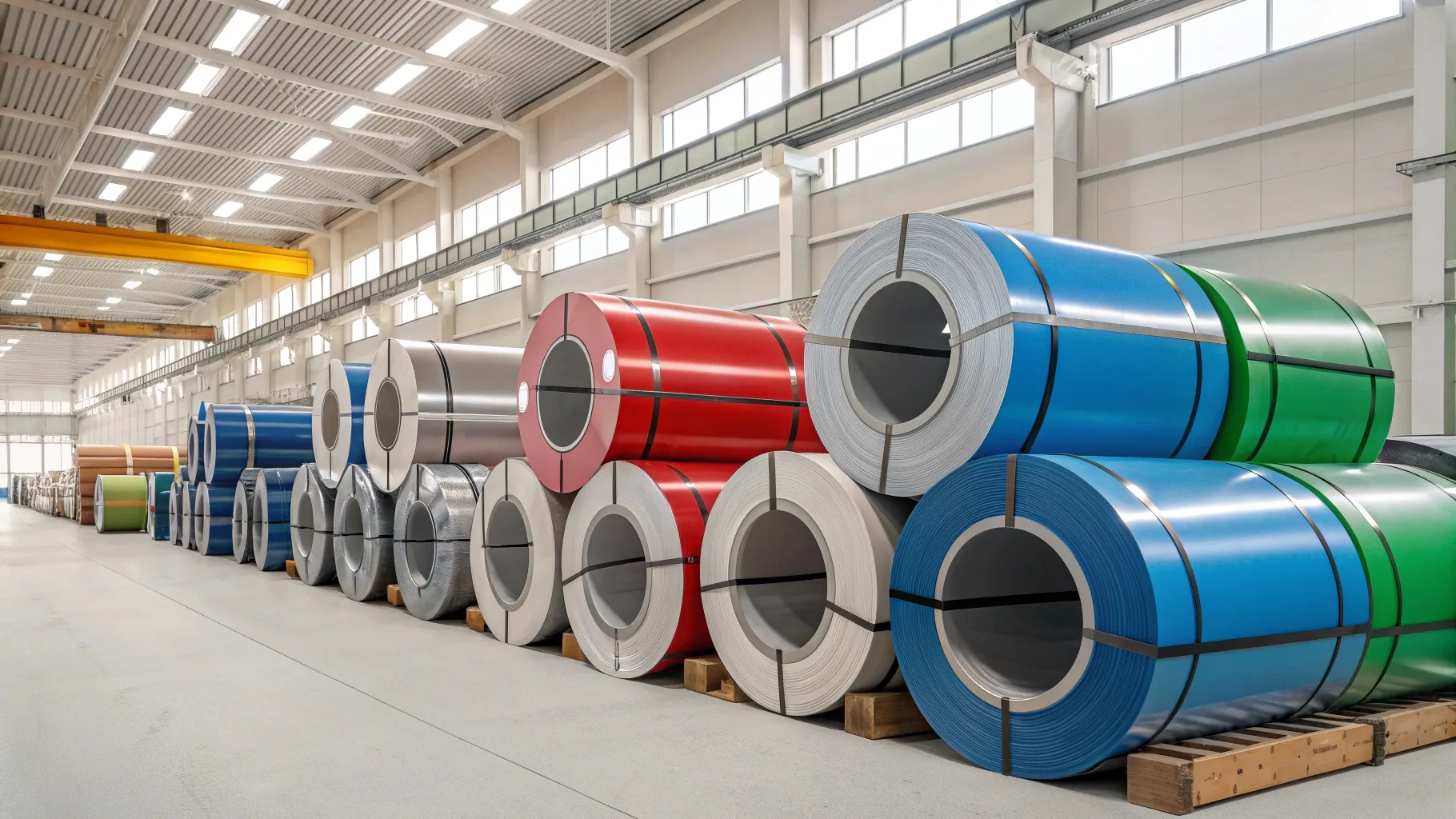
Buyers can source a wide range of products, including PPGI, galvanized steel, Alu-zinc steel, and roofing sheets, with flexible customization options such as thickness, coating, and dimensions.
However, this flexibility also introduces risk. Without proper control, inconsistencies in material or coating quality can occur. That’s why selecting the right supplier is critical.
How to Evaluate a Reliable Steel Supplier

A professional supplier should demonstrate real production capability—not just provide attractive quotations.
- Verify factory capacity: Request videos, equipment lists, and production data.
- Check certifications: Ensure compliance with ASTM, EN, or JIS standards and ISO systems.
- Review export experience: Experienced suppliers handle documentation and logistics more reliably.
- Build long-term cooperation: Stable partnerships improve consistency and accountability.
At the same time, it is wise to qualify backup suppliers to reduce risk in case of delays or disruptions.
Key Quality Control Steps During Production

Quality control should be implemented across the entire production process, not just at the final stage.
Pre-production: Confirm material grade, coating type, thickness, and tolerances.
In-process inspection: Monitor coating thickness, surface quality, and consistency.
Pre-shipment inspection: Verify dimensions, weight, and packaging condition.
It is also important to verify mill test reports (MTRs) against actual products. For critical orders, third-party testing is highly recommended to prevent material substitution or quality discrepancies.
Ensuring On-Time Delivery and After-Sales Support

Reliable delivery requires strong coordination across production and logistics.
- Maintain transparency: Track raw materials, production progress, and shipping schedules.
- Define contract terms: Include clear specifications, delivery timelines, and penalty clauses.
- Monitor packaging: Ensure anti-corrosion protection and secure loading.

After-sales support is equally important. A reliable supplier should respond quickly to issues and provide solutions, ensuring long-term cooperation.
Conclusion
Sourcing steel from China is not just about finding the lowest price—it’s about building a controlled and reliable supply system.
By combining supplier verification, multi-stage quality control, and proper logistics planning, buyers can significantly reduce risk and ensure consistent product quality across shipments.
Over time, stable supplier relationships and structured sourcing strategies lead to better performance, fewer issues, and stronger profitability.
Worried About Quality Risks When Sourcing from China?
We help international buyers reduce sourcing risks through verified production, strict quality control, and transparent supply chain management.
- ✔ Factory verification and audit support
- ✔ Full inspection process (before, during, after production)
- ✔ Accurate MTC verification and batch tracking
- ✔ Secure packaging and container loading solutions
- ✔ Backup production planning for stable supply
Send us your requirements, and we’ll help you build a safer and more reliable steel sourcing strategy.