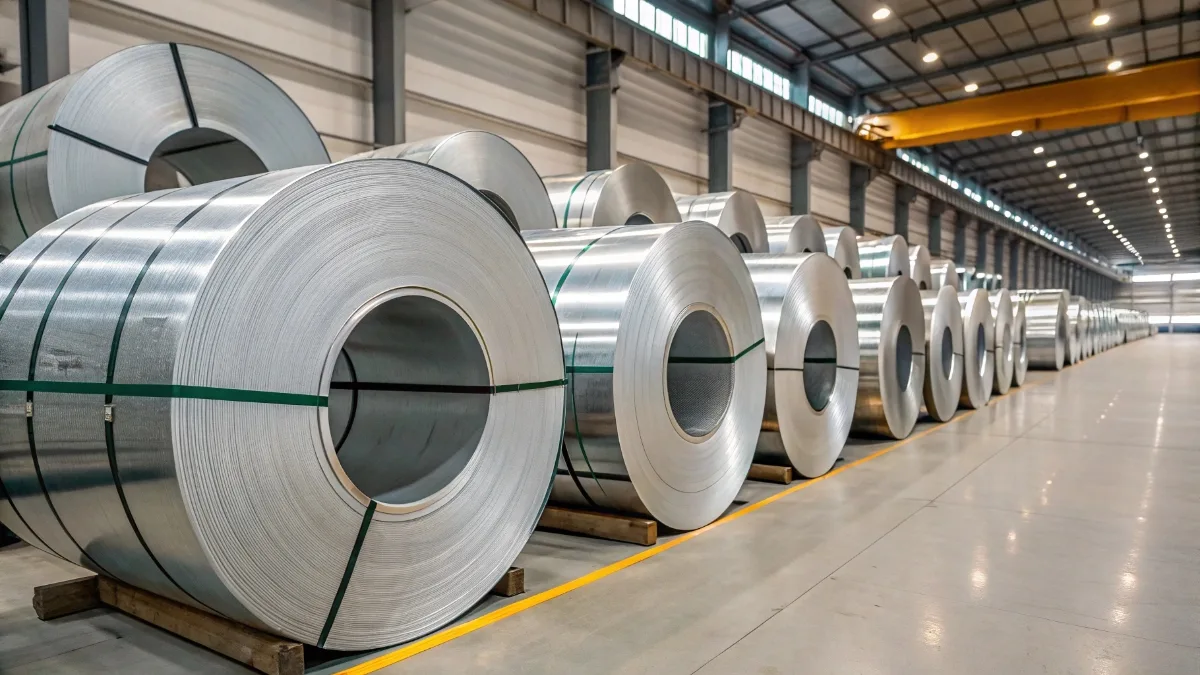
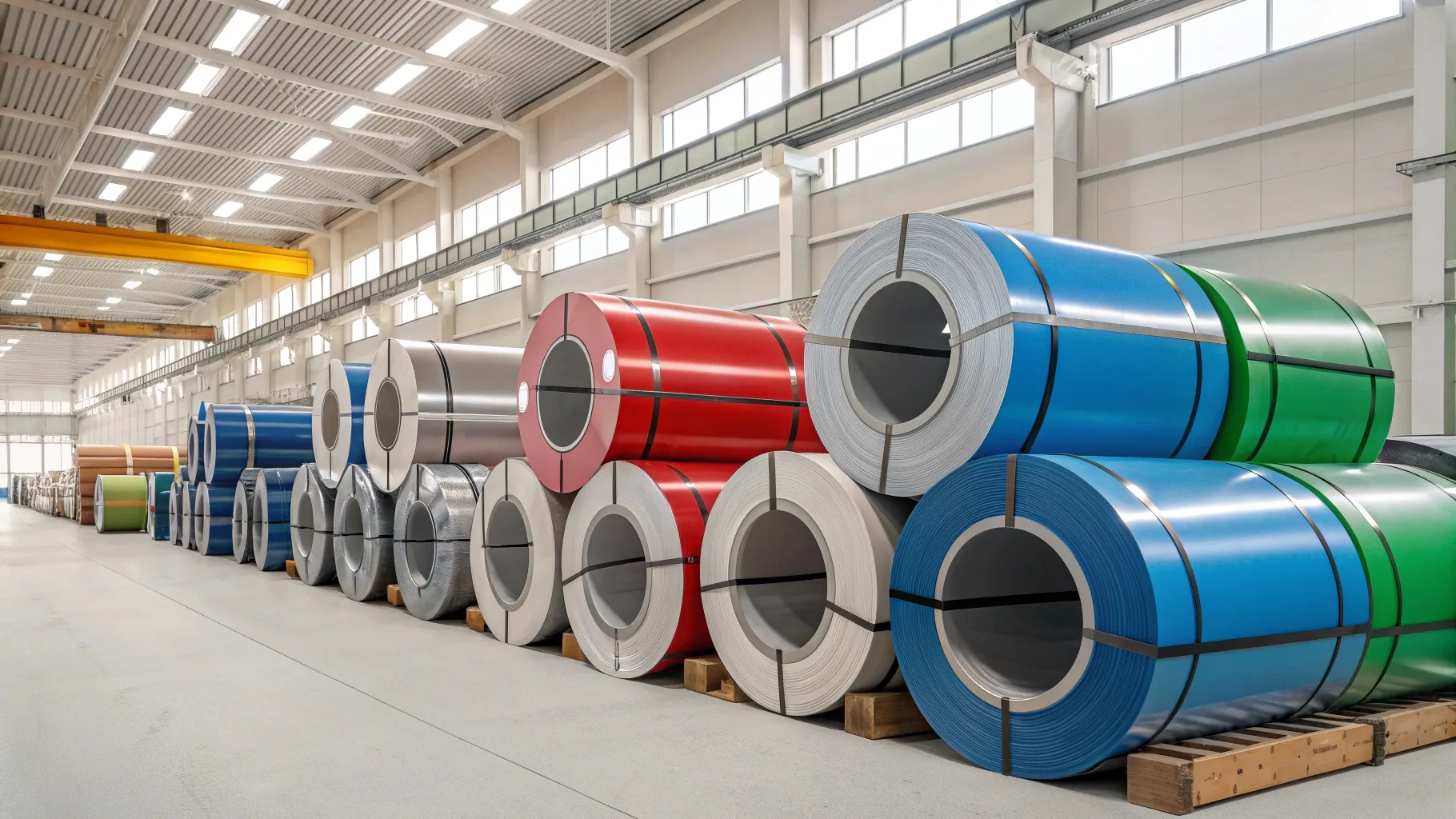
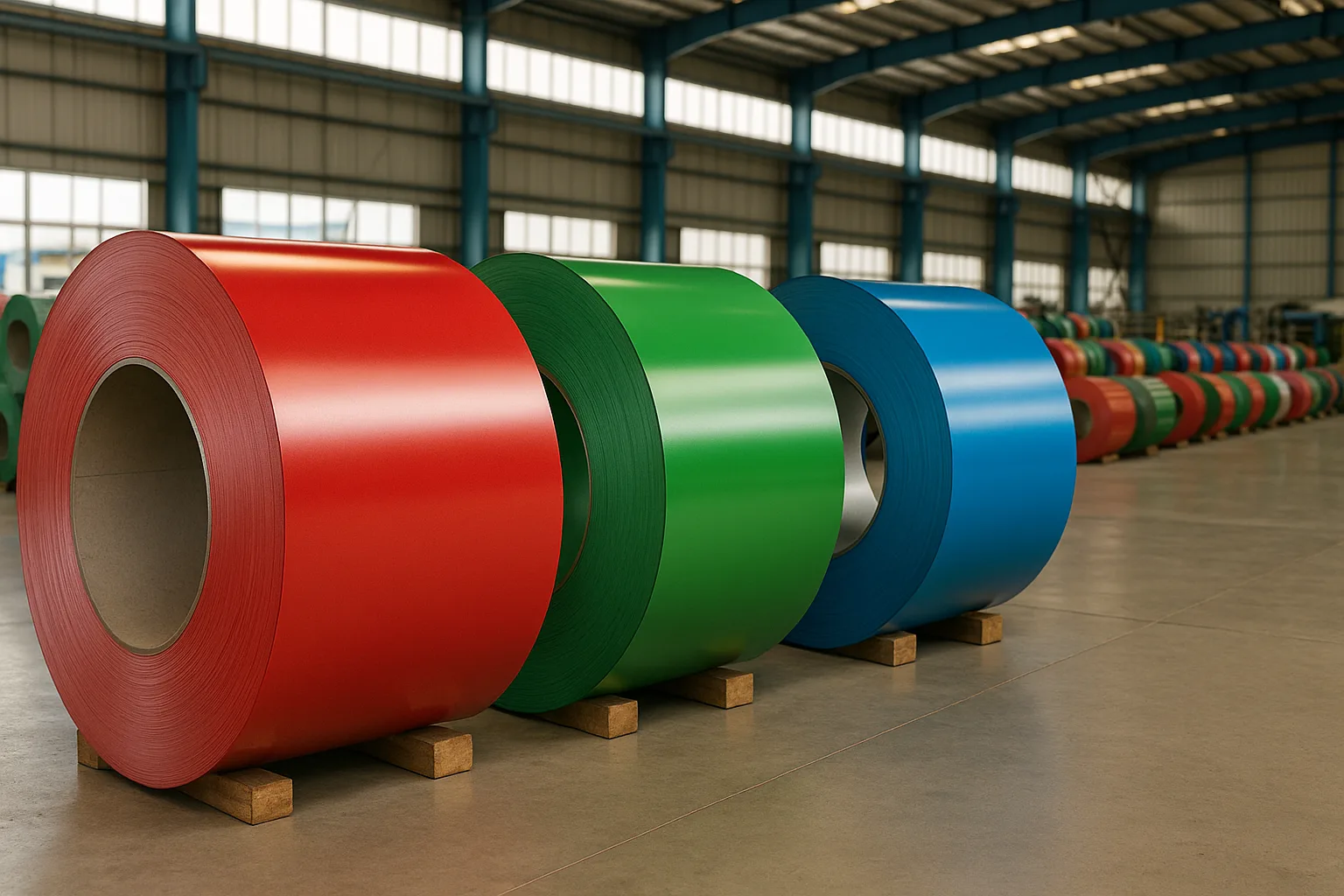
Colorful PPGI steel coils stacked in a modern warehouse, representing durable and aesthetic materials for modern construction.

Why PPGI Steel Coils Remain a Top Choice for Modern Construction


Table of Contents

  1. Introduction
  2. What Are PPGI Steel Coils?
  3. Key Advantages of PPGI in Construction
  4. Applications in Modern Construction
  5. Environmental and Cost Benefits
  6. Choosing the Right PPGI Coil Supplier
  7. Conclusion

Introduction

In today’s fast-paced construction industry, selecting the right materials is essential for long-term durability, cost efficiency, and visual appeal. Among the many steel products available, PPGI (Pre-Painted Galvanized Iron) steel coils have become a popular and reliable choice for builders and developers worldwide. This article explores why PPGI coils continue to lead the way in modern construction.

What Are PPGI Steel Coils?

PPGI steel coils are produced by applying a color coating to hot-dip galvanized steel. The process involves:

  1. Cold-rolled steel base
  2. Zinc coating through galvanization
  3. Primer and topcoat painting

This combination provides superior protection against corrosion while adding a wide range of aesthetic options.

Key Advantages of PPGI in Construction

Claim: PPGI steel coils are not just cost-effective—they deliver long-term performance, aesthetic value, and environmental sustainability in a single solution.

1. Aesthetic Flexibility

  • Available in a wide range of colors, finishes, and patterns
  • Ideal for architectural designs that require visual appeal
  • Customizable to match brand or project themes
2. Corrosion Resistance

  • Dual-layer protection: zinc + paint
  • Performs well in humid, coastal, or industrial environments
  • Minimizes maintenance over time
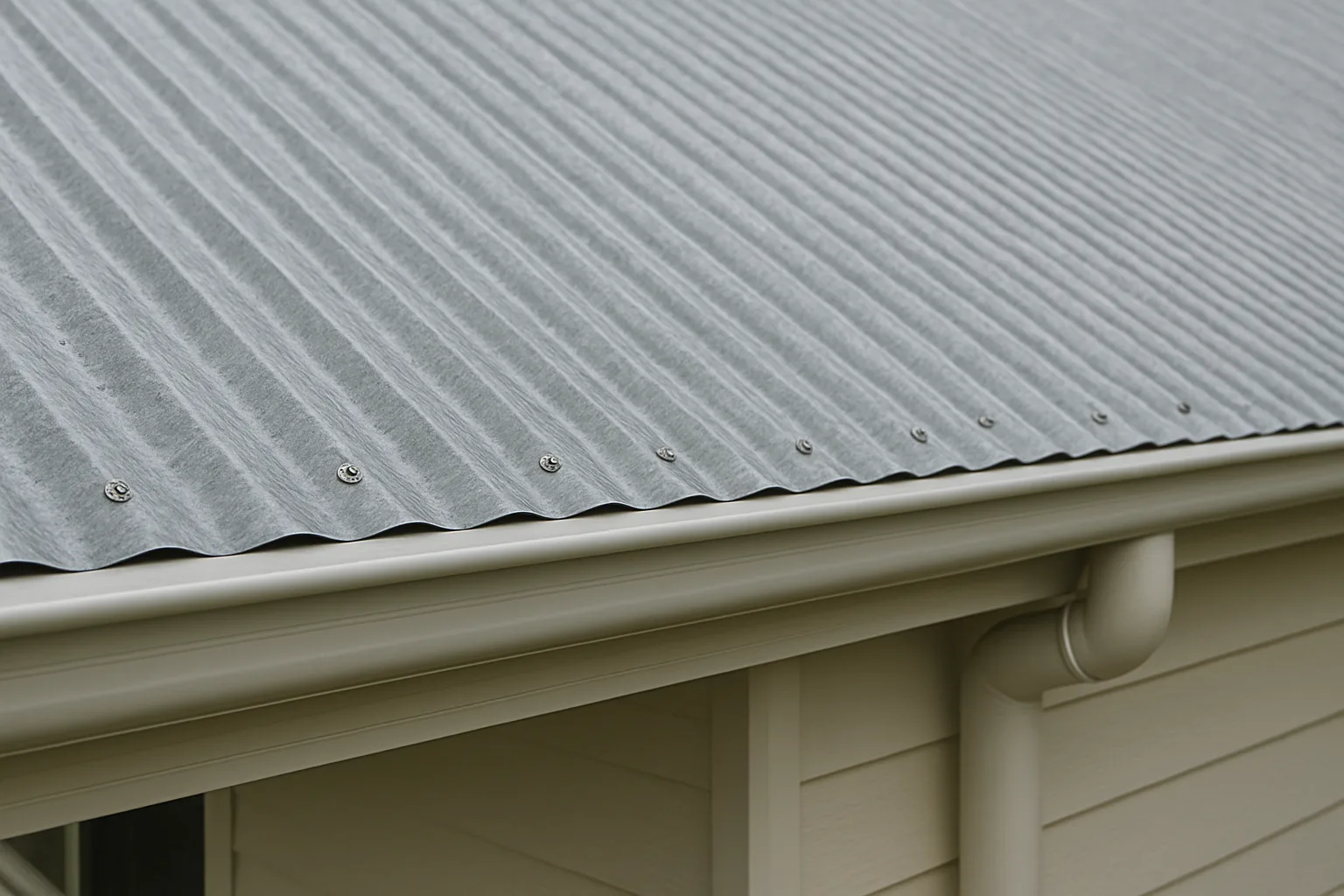
Close-up view of galvanized corrugated metal roofing on a residential building

3. Lightweight and Easy to Install

  • Easier to handle and transport
  • Reduces construction time and structural load
  • Compatible with various roofing and cladding systems

4. Durability and Longevity

  • Withstands harsh weather conditions
  • Resistant to fading, chipping, and UV exposure
  • Offers 15+ years of service life with proper installation

Applications in Modern Construction

PPGI steel coils are widely used in:

  • Roofing and wall panels for factories, warehouses, and residential buildings
  • Prefabricated structures and modular housing
  • Commercial facades and cladding
  • Interior partitions and ceilings
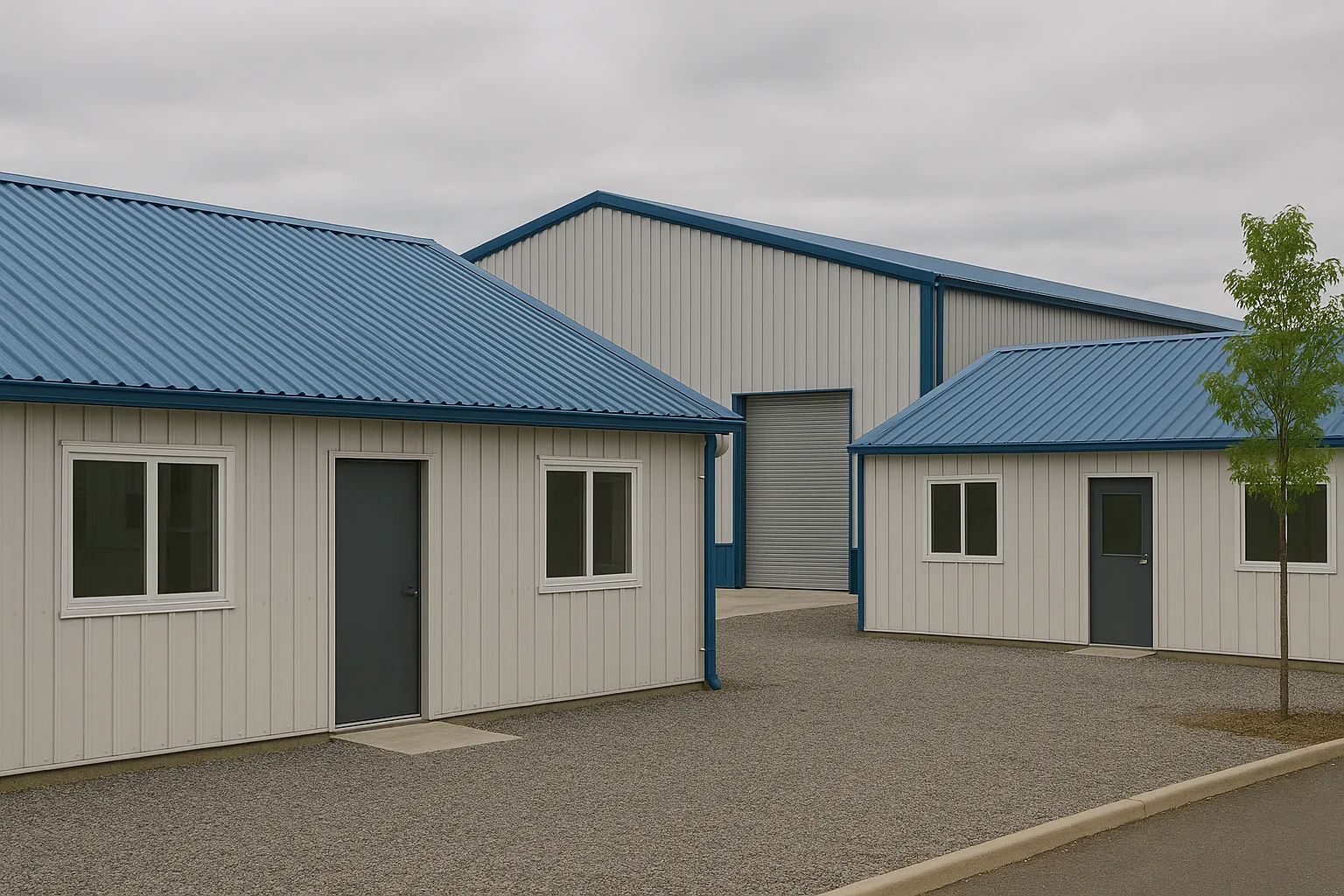
Prefabricated metal buildings with blue PPGI roofs in a modern industrial site

Environmental and Cost Benefits

  • Energy efficiency: Reflective coatings reduce heat absorption
  • Sustainability: Fully recyclable with low environmental impact
  • Cost-effective: Long lifespan reduces replacement and maintenance costs

Choosing the Right PPGI Coil Supplier

  • Product consistency and strict quality control
  • Compliance with ISO, ASTM, JIS, or EN standards
  • Availability of custom sizes, coatings, and embossing
  • Transparent service and support from an experienced manufacturer

Claim: Partnering with a reliable PPGI manufacturer ensures not only product quality but also project success from planning to installation.

Conclusion

PPGI steel coils offer a combination of beauty, strength, and reliability that aligns perfectly with the needs of modern construction. Whether you’re building a warehouse or a commercial complex, using high-quality pre-painted galvanized steel ensures long-term performance and cost efficiency.

Choosing the right PPGI product can elevate the quality of your construction. Work with trusted suppliers who deliver consistent quality, custom solutions, and on-time delivery.


Share :

X
Facebook
LinkedIn
Pinterest
WhatsApp

More Tips

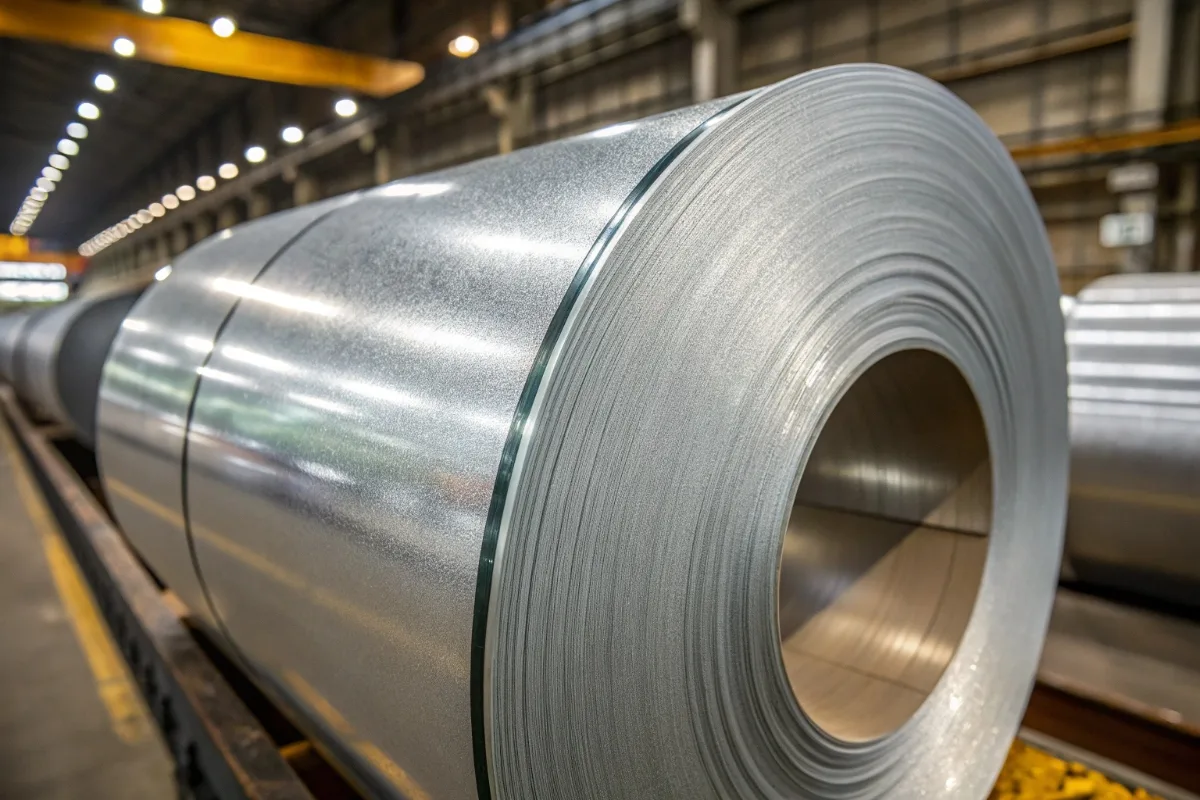
Comparison image of galvanized and galvalume steel coils under daylight showing coating texture differences.

Galvanized vs. Galvalume Steel Coils: Which Is Better for Roofing Projects?

Galvanized vs. Galvalume Steel Coils: Which Is Better for Roofing Projects? Claim: While both galvanized and galvalume steel coils are widely used for roofing, Galvalume generally provides longer service life and better performance in harsh or humid environments, whereas Galvanized steel remains a practical, budget-friendly choice for moderate climates and shorter-term projects. Galvanized (zinc-coated) and Galvalume (aluminum-zinc alloy coated) steel coils side by side — two leading materials for roofing applications. Table of Contents 1. What Are Galvanized and Galvalume Steel Coils? 2. Key Differences in Composition and Performance 3. Advantages and Disadvantages for Roofing Applications 4. How to Choose the Right Coil for Your Climate and Budget Conclusion 1. What Are Galvanized and Galvalume Steel Coils? Both galvanized and galvalume steel coils start as carbon steel sheet that is coated to improve corrosion resistance. The coating is the key difference: Galvanized steel is coated primarily with zinc to provide

Read More »
Diagram comparing ASTM, EN, and JIS steel coil standards

What Are the Top 5 International Quality Standards Every Steel Coil Exporter Should Follow?

Top 5 International Quality Standards Every Steel Coil Exporter Should Follow Claim To compete in the global steel market, exporters must ensure that every steel coil meets internationally recognized standards such as ASTM, EN, JIS, ISO, and SGS Certification. These standards not only define product quality but also build credibility and trust with overseas buyers. Table of Contents Understanding Global Steel Coil Standards (ASTM, EN, JIS) Why Certification Matters for International Trade Common Testing Methods for Steel Coil Quality How to Ensure Compliance and Build Buyer Trust Conclusion Understanding Global Steel Coil Standards (ASTM, EN, JIS) Global buyers expect steel coils that meet unified performance benchmarks. The three most widely used international standards include: ASTM (American Society for Testing and Materials): Sets technical standards for chemical composition, tensile strength, yield, and coating thickness—essential for buyers in the US and Latin America. EN (European Norm): Defines structural and surface requirements for

Read More »

What Is the Difference Between PPGI and PPGL?

Table of Contents Performance Comparison: Durability, Color, and Corrosion Resistance Best Applications for Each Coil Type How to Choose the Right Product for Your Target Market PPGI and PPGL are two widely used pre-painted steel coil types in international construction, roofing, and manufacturing sectors. Although both belong to the “pre-painted steel” category, the coating composition and performance differ significantly, leading to different applications and market suitability. Performance Comparison: Durability, Color, and Corrosion Resistance    Technical comparison of PPGI vs PPGL coating layers. The primary difference between PPGI and PPGL lies in the metallic coating applied before the painting layer. PPGI uses pure zinc coating, while PPGL applies a special aluminium-zinc alloy. This alloy dramatically enhances corrosion resistance and heat reflectivity, making PPGL more durable in harsh outdoor environments. Best Applications for Each Coil Type Environmental comparison: PPGI for mild climates, PPGL for coastal/high humidity regions. PPGI is widely used where

Read More »
Why zinc coating thickness matters for galvanized steel coils

Why Does Zinc Coating Thickness Matter for Long-Lasting Steel Coils?

Zinc coating thickness is one of the most critical factors determining the real service life of galvanized and aluminum-zinc coated steel coils. While many buyers focus on base steel grade or price, coating mass directly influences corrosion resistance, durability, and total lifecycle cost — especially in demanding environments. Understanding Zinc Coating Layers and Symbols (Z, AZ) Zinc coatings are typically specified using symbols such as Z (pure zinc) or AZ (aluminum-zinc alloy). These symbols represent not only the coating type, but also the protective mechanism. Pure zinc provides sacrificial protection, while aluminum-zinc coatings combine barrier protection with sacrificial behavior. Common coating mass designations like Z100, Z180, Z275 or AZ150, AZ185 indicate the total coating weight applied to both sides of the steel sheet and are directly linked to expected corrosion resistance. How Coating Thickness Affects Corrosion Resistance Thicker zinc coatings significantly slow corrosion progression compared to thin coatings. Zinc protects

Read More »
Trusted Steel Supplier

Build Stronger with Premium Steel Solutions

Explore our wide range of galvanized, galvalume, and color-coated steel products for your next project.

Get A Quick Price Today