Why zinc coating thickness matters for galvanized steel coils

Why Does Zinc Coating Thickness Matter for Long-Lasting Steel Coils?

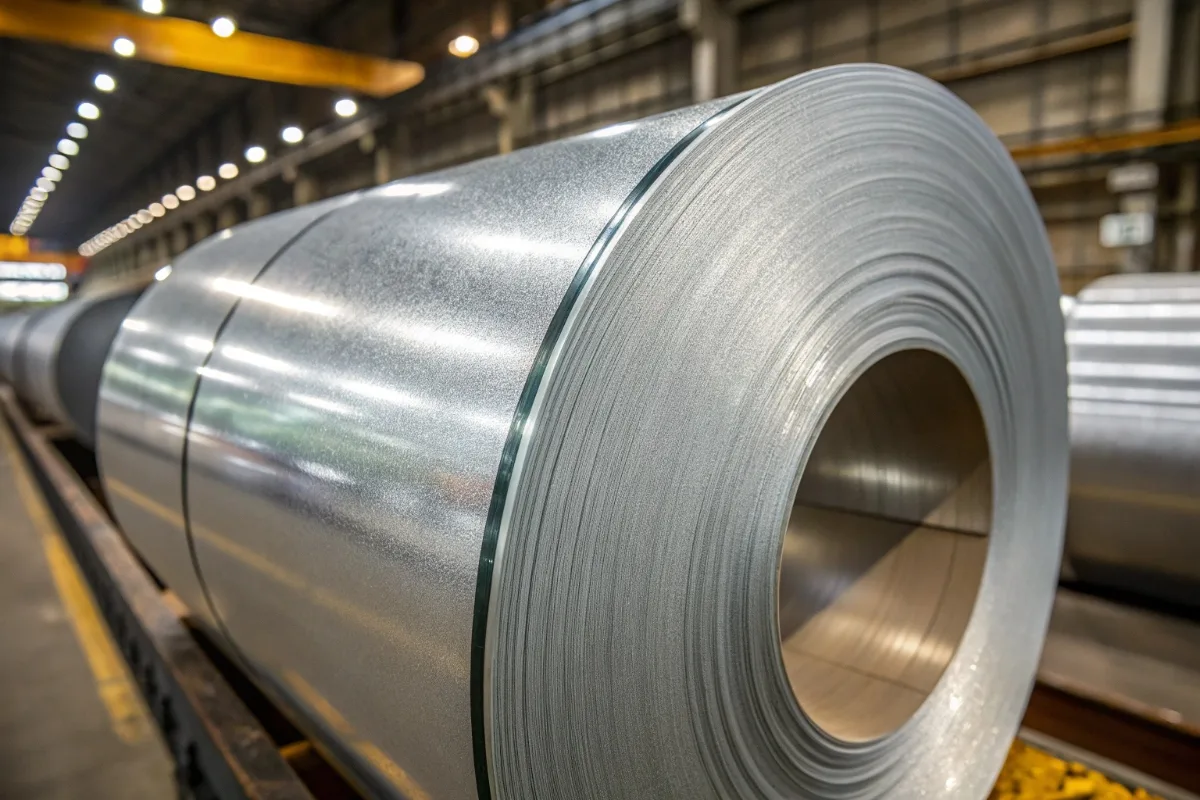
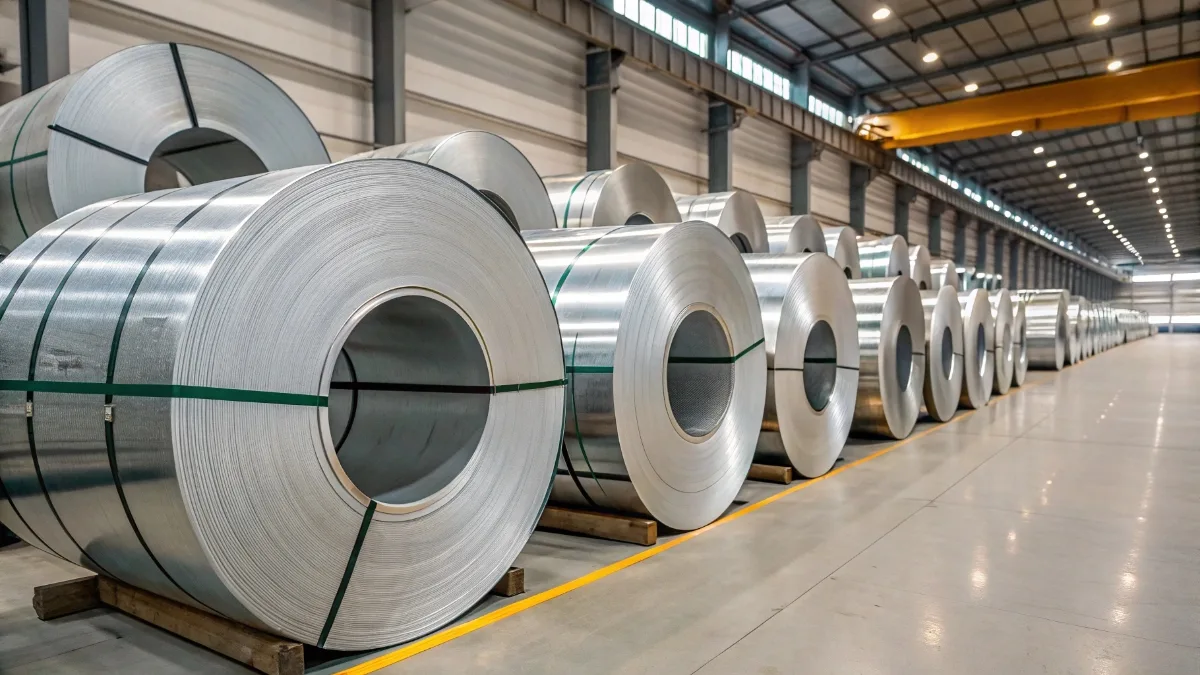
Zinc coating thickness is one of the most critical factors determining the real service life of galvanized and aluminum-zinc coated steel coils. While many buyers focus on base steel grade or price, coating mass directly influences corrosion resistance, durability, and total lifecycle cost — especially in demanding environments.

Understanding Zinc Coating Layers and Symbols (Z, AZ)
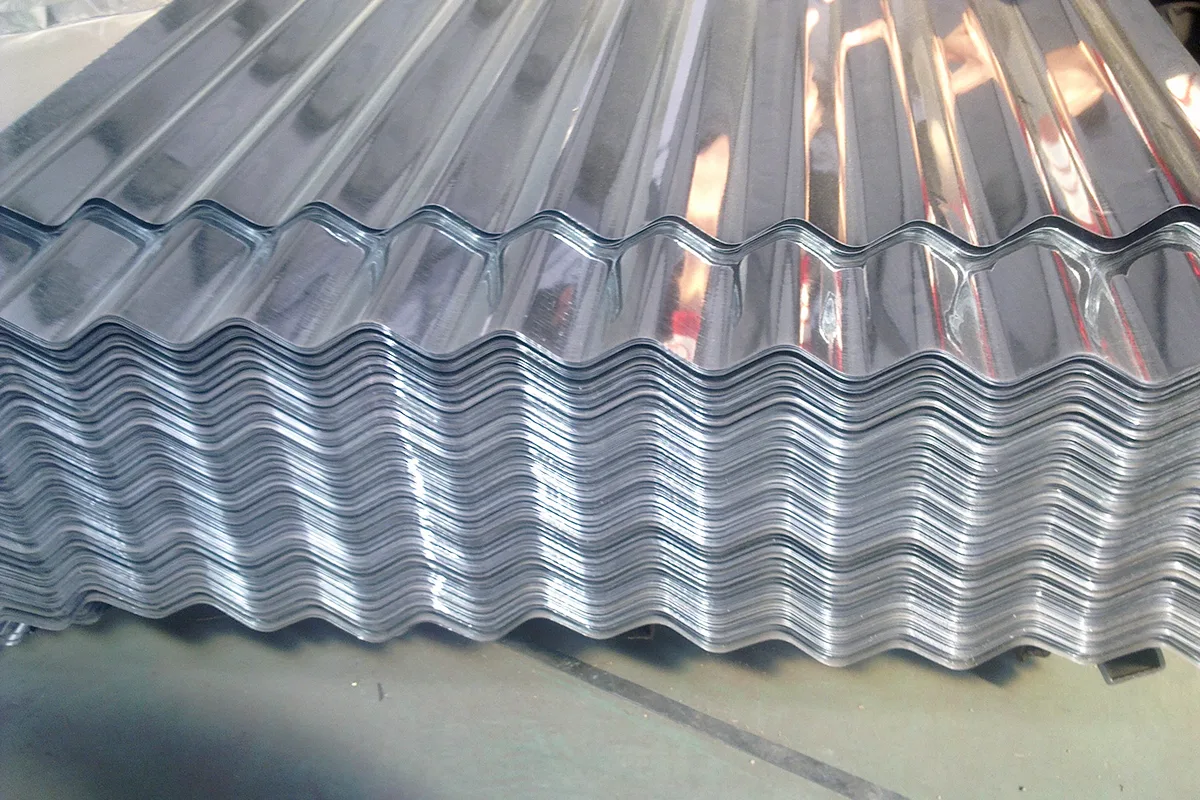
Zinc coating layers Z and AZ explained on steel coils

Zinc coatings are typically specified using symbols such as Z (pure zinc) or AZ (aluminum-zinc alloy). These symbols represent not only the coating type, but also the protective mechanism. Pure zinc provides sacrificial protection, while aluminum-zinc coatings combine barrier protection with sacrificial behavior.

Common coating mass designations like Z100, Z180, Z275 or AZ150, AZ185 indicate the total coating weight applied to both sides of the steel sheet and are directly linked to expected corrosion resistance.

How Coating Thickness Affects Corrosion Resistance
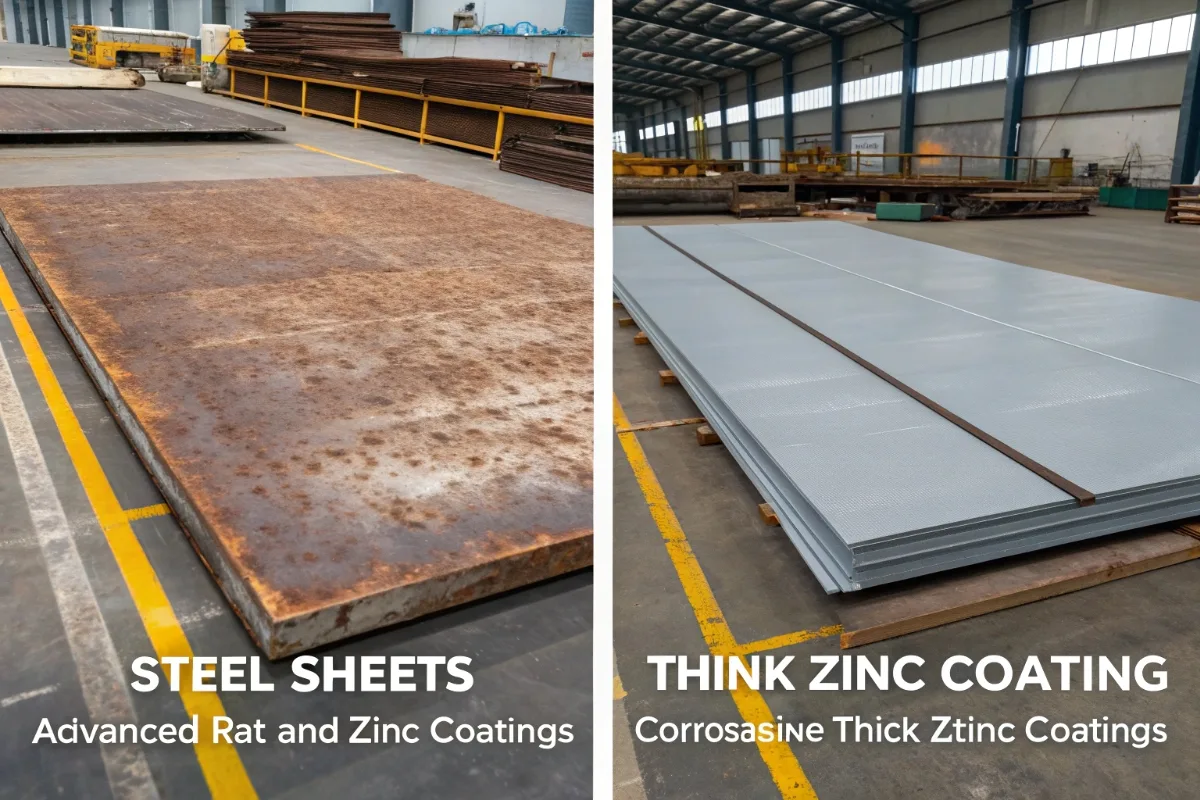
Effect of zinc coating thickness on steel corrosion resistance
Thicker zinc coatings significantly slow corrosion progression compared to thin coatings.

Zinc protects steel by corroding first. A thicker zinc layer simply takes longer to be consumed, which means the underlying steel remains protected for a longer period. This relationship is close to linear: doubling the coating mass can nearly double the corrosion protection time under similar exposure conditions.

Thicker coatings also form more stable corrosion products, such as zinc carbonate, which slow further corrosion and enhance long-term durability.

Recommended Thickness for Different Environments
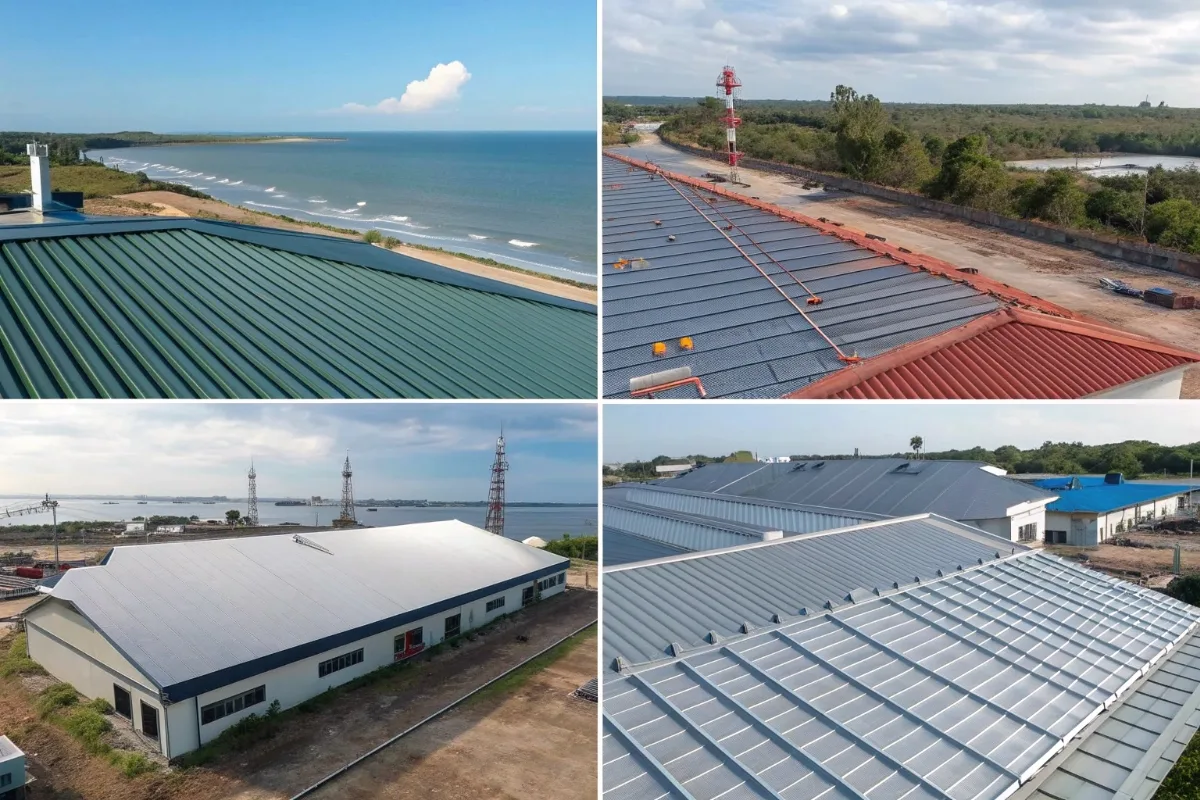
01-Why does zinc coating thickness matter for long-lasting steel coils
Environmental exposure plays a key role in selecting appropriate zinc coating thickness.

Environmental exposure determines how quickly zinc is consumed. In mild, dry inland climates, lighter coatings may perform adequately. However, in coastal, industrial, or high-humidity environments, thin coatings degrade rapidly.

For roofing, wall cladding, and outdoor structural applications in aggressive environments, heavier zinc or aluminum-zinc coatings are strongly recommended to ensure long service life and reduced maintenance.

How to Check Coating Quality Before Buying
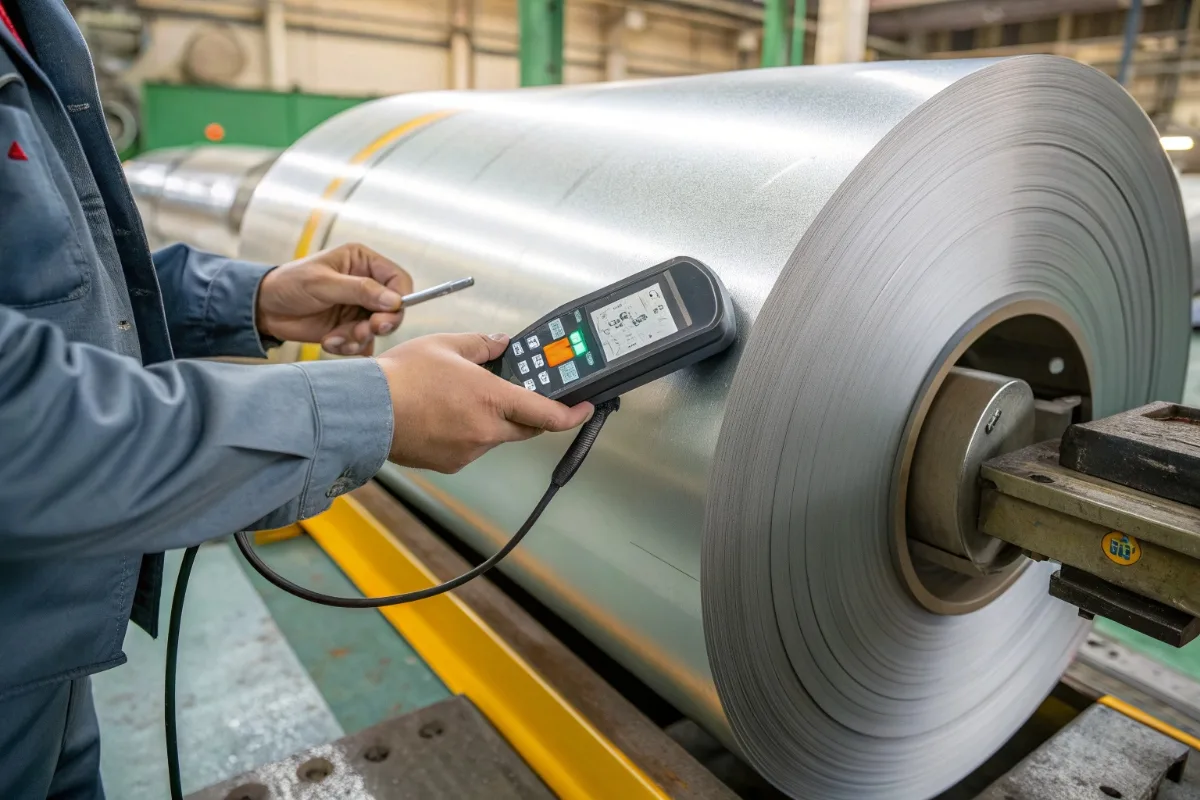
Inspecting zinc coating thickness on steel coils before purchase
Measuring zinc coating thickness ensures compliance with standards and long-term performance.

Before purchasing steel coils, buyers should verify coating mass through mill test certificates and, when possible, physical inspection. Coating thickness gauges and third-party inspection reports provide additional assurance that the supplied material meets the specified standard.

Paying attention to coating thickness at the sourcing stage helps avoid premature corrosion, warranty disputes, and unexpected replacement costs later in the project lifecycle.

Conclusion

Zinc coating thickness is not a minor specification detail — it is a decisive factor in steel coil performance. Selecting coating mass based on real exposure conditions, rather than minimum compliance, ensures longer service life, lower maintenance costs, and better overall value.

For steel buyers and importers, understanding and specifying the right zinc coating thickness is one of the most effective ways to protect both the material and the investment behind it.

Share :

X
Facebook
LinkedIn
Pinterest
WhatsApp

More Tips

What Is the Global Demand Outlook for Steel Sheets and Roofing Products in 2025 and Beyond?

Global Demand Outlook for Steel Sheets and Roofing Products: 2025 and Beyond Claim: Although overall steel demand looks broadly flat in 2025, the outlook for flat steel (sheets & coils) and roofing products shows pockets of stronger growth — especially in emerging markets and in niche applications where metal roofing’s durability and low maintenance are valued. Global steel demand trends through 2025 and beyond — stable volume, regional divergence. Table of Contents 1. Current Market Trends in Global Steel Sheet Consumption 2. Regional Insights: Asia-Pacific, Middle East, and Europe Demand Drivers 3. How Infrastructure Growth Shapes the Roofing Steel Market 4. Forecast 2025–2030: Emerging Opportunities for Exporters Conclusion 1. Current Market Trends in Global Steel Sheet Consumption After several years of volatility, global steel demand is expected to be essentially flat in 2025 — roughly in the range of 1.74–1.75 billion tonnes — with a modest rebound forecast for 2026.

Read More »
Comparison image of galvanized and galvalume steel coils under daylight showing coating texture differences.

Galvanized vs. Galvalume Steel Coils: Which Is Better for Roofing Projects?

Galvanized vs. Galvalume Steel Coils: Which Is Better for Roofing Projects? Claim: While both galvanized and galvalume steel coils are widely used for roofing, Galvalume generally provides longer service life and better performance in harsh or humid environments, whereas Galvanized steel remains a practical, budget-friendly choice for moderate climates and shorter-term projects. Galvanized (zinc-coated) and Galvalume (aluminum-zinc alloy coated) steel coils side by side — two leading materials for roofing applications. Table of Contents 1. What Are Galvanized and Galvalume Steel Coils? 2. Key Differences in Composition and Performance 3. Advantages and Disadvantages for Roofing Applications 4. How to Choose the Right Coil for Your Climate and Budget Conclusion 1. What Are Galvanized and Galvalume Steel Coils? Both galvanized and galvalume steel coils start as carbon steel sheet that is coated to improve corrosion resistance. The coating is the key difference: Galvanized steel is coated primarily with zinc to provide

Read More »
Diagram comparing ASTM, EN, and JIS steel coil standards

What Are the Top 5 International Quality Standards Every Steel Coil Exporter Should Follow?

Top 5 International Quality Standards Every Steel Coil Exporter Should Follow Claim To compete in the global steel market, exporters must ensure that every steel coil meets internationally recognized standards such as ASTM, EN, JIS, ISO, and SGS Certification. These standards not only define product quality but also build credibility and trust with overseas buyers. Table of Contents Understanding Global Steel Coil Standards (ASTM, EN, JIS) Why Certification Matters for International Trade Common Testing Methods for Steel Coil Quality How to Ensure Compliance and Build Buyer Trust Conclusion Understanding Global Steel Coil Standards (ASTM, EN, JIS) Global buyers expect steel coils that meet unified performance benchmarks. The three most widely used international standards include: ASTM (American Society for Testing and Materials): Sets technical standards for chemical composition, tensile strength, yield, and coating thickness—essential for buyers in the US and Latin America. EN (European Norm): Defines structural and surface requirements for

Read More »

What Is the Difference Between PPGI and PPGL?

Table of Contents Performance Comparison: Durability, Color, and Corrosion Resistance Best Applications for Each Coil Type How to Choose the Right Product for Your Target Market PPGI and PPGL are two widely used pre-painted steel coil types in international construction, roofing, and manufacturing sectors. Although both belong to the “pre-painted steel” category, the coating composition and performance differ significantly, leading to different applications and market suitability. Performance Comparison: Durability, Color, and Corrosion Resistance    Technical comparison of PPGI vs PPGL coating layers. The primary difference between PPGI and PPGL lies in the metallic coating applied before the painting layer. PPGI uses pure zinc coating, while PPGL applies a special aluminium-zinc alloy. This alloy dramatically enhances corrosion resistance and heat reflectivity, making PPGL more durable in harsh outdoor environments. Best Applications for Each Coil Type Environmental comparison: PPGI for mild climates, PPGL for coastal/high humidity regions. PPGI is widely used where

Read More »
Trusted Steel Supplier

Build Stronger with Premium Steel Solutions

Explore our wide range of galvanized, galvalume, and color-coated steel products for your next project.

Get A Quick Price Today