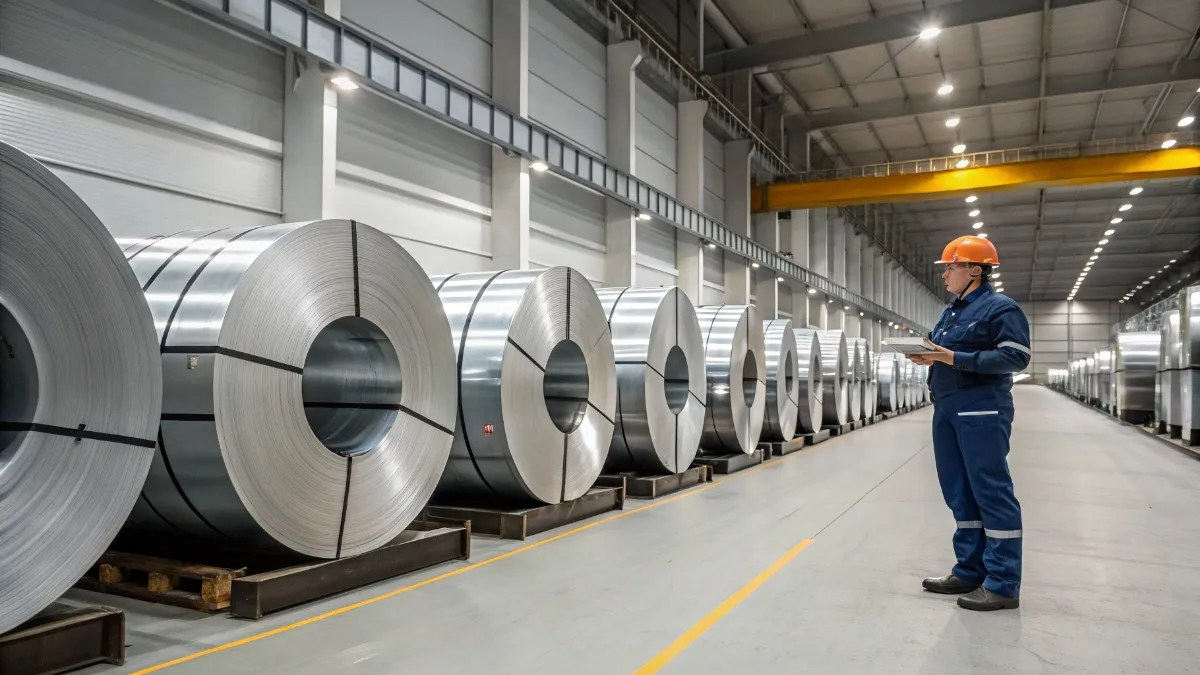
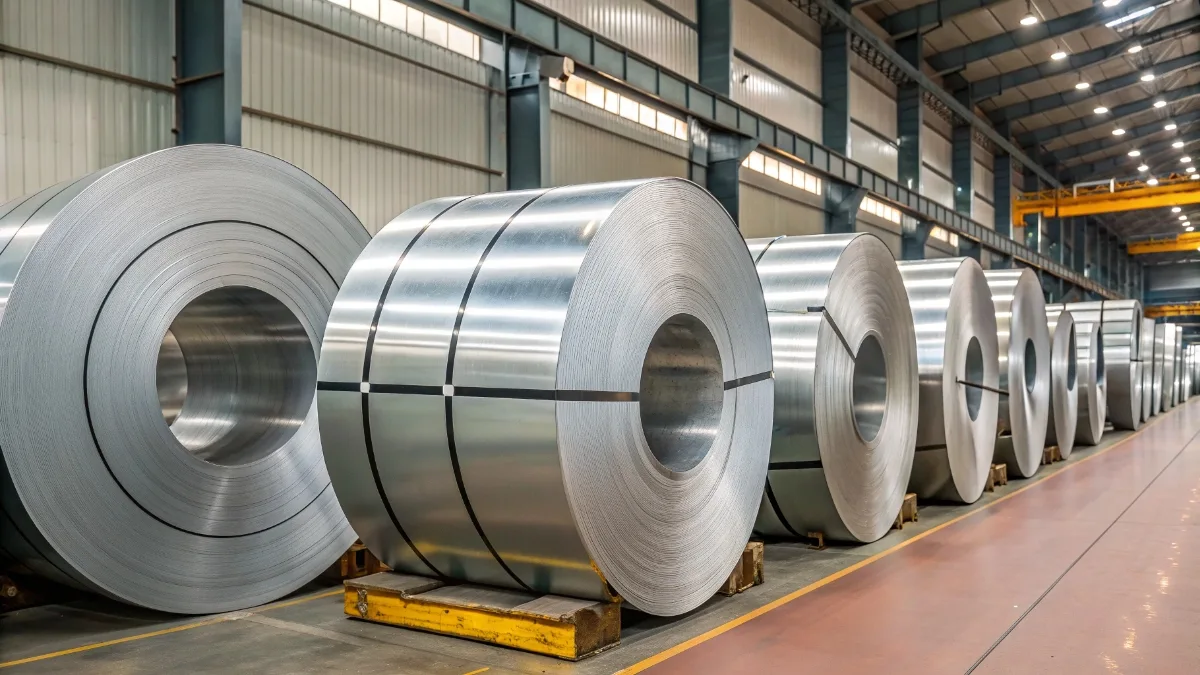
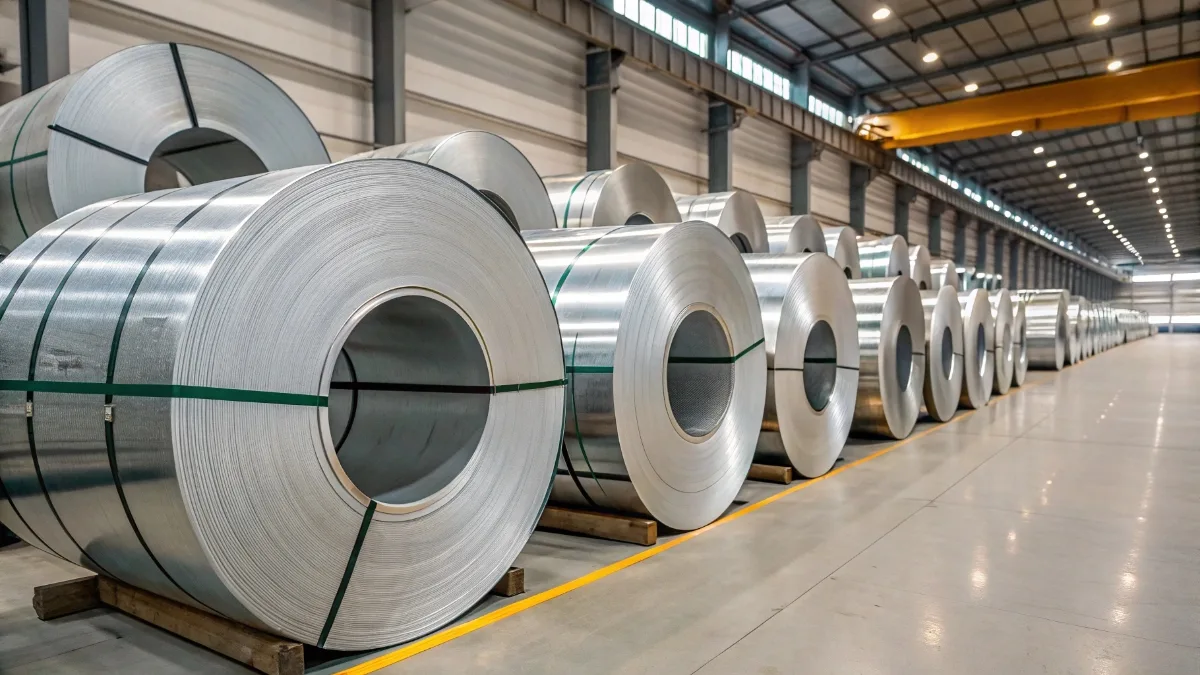
Alu-zinc coated steel coils stored in warehouse for construction and roofing applications

Why Are More Buyers Choosing Alu-Zinc Coated Steel for Extreme Environments?

Alu-zinc coated steel coils stored in warehouse for construction and roofing applications
Alu-zinc coated steel coils are widely used in roofing and construction due to their excellent corrosion resistance and durability.

As construction projects increasingly expand into coastal regions, humid climates, and industrial zones, the demand for more durable building materials continues to grow. Traditional galvanized steel has long been used for roofing and structural applications, but many buyers are now turning to Alu-Zinc coated steel as a more resilient solution.

Thanks to its unique coating composition, aluminum-zinc coated steel offers superior corrosion resistance, longer service life, and improved performance under extreme environmental conditions. These advantages make it an increasingly popular choice for roofing, infrastructure, and industrial buildings worldwide.

What Is Alu-Zinc Coated Steel and How It’s Made

Alu-zinc coated steel, sometimes known as aluminum-zinc alloy coated steel, is produced by applying a metallic coating composed primarily of aluminum and zinc onto a steel substrate through a continuous hot-dip coating process.

The typical coating composition contains approximately 55% aluminum, 43.4% zinc, and a small amount of silicon. This combination creates a protective layer that integrates the strengths of both metals: aluminum provides a strong barrier against corrosion, while zinc offers sacrificial protection when the steel surface becomes exposed.

When exposed to the atmosphere, the aluminum component forms a stable oxide film on the surface. This oxide layer slows the penetration of moisture, oxygen, and corrosive pollutants, dramatically improving the long-term corrosion resistance of the steel sheet.

Key Advantages Over Traditional Galvanized Steel

One of the main reasons buyers prefer aluminum-zinc coated steel is its superior durability compared with conventional galvanized steel. In many atmospheric conditions, Alu-zinc coatings can deliver two to four times the service life of standard zinc coatings.

The coating’s microstructure plays a crucial role in this performance. Aluminum-rich areas act as corrosion barriers, while zinc-rich areas provide sacrificial protection to exposed steel surfaces such as scratches or cut edges. This dual protection mechanism significantly slows corrosion propagation.
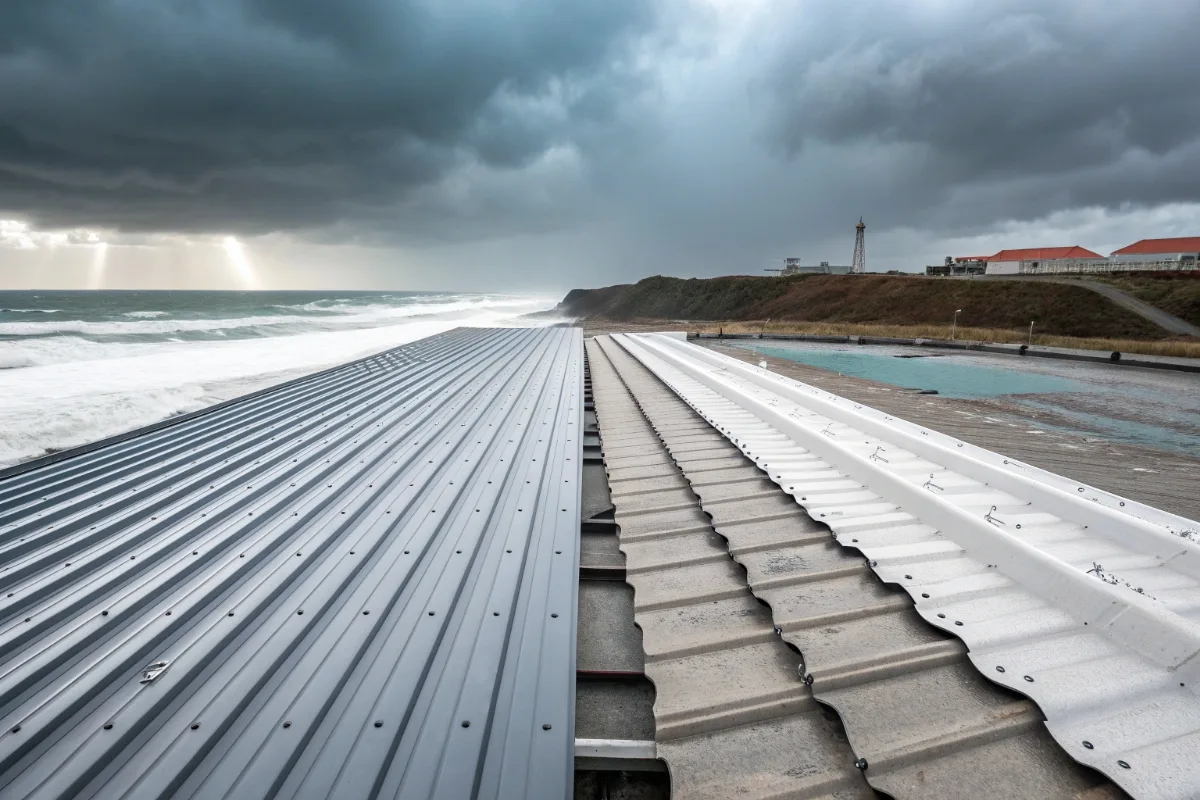
Comparison of galvanized steel and alu-zinc steel roofing performance in harsh environments
Alu-zinc coated steel often demonstrates significantly better corrosion resistance than conventional galvanized steel.

Another major advantage is heat resistance. Aluminum-zinc coatings can maintain structural integrity and surface stability even under prolonged high-temperature exposure, making them particularly suitable for roofing in hot climates.

Additionally, the reflective surface of aluminum-zinc steel improves solar reflectivity. By reflecting more sunlight, roofing systems absorb less heat, which helps reduce thermal stress and contributes to better energy efficiency in buildings.

Best Applications in Harsh or Coastal Climates

Aluminum-zinc coated steel performs exceptionally well in environments where conventional zinc coatings may deteriorate more quickly. Coastal regions, industrial areas, and high-humidity climates often expose metal roofing to salt, pollutants, and moisture that accelerate corrosion.
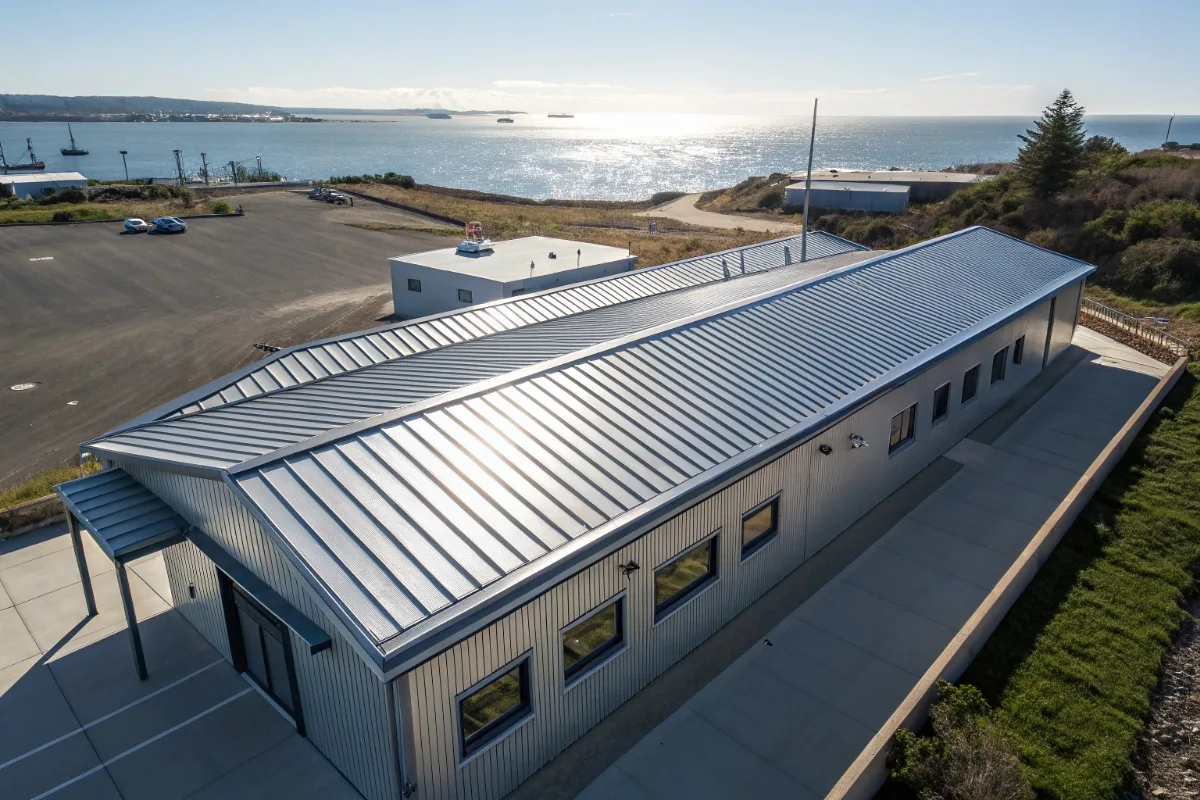
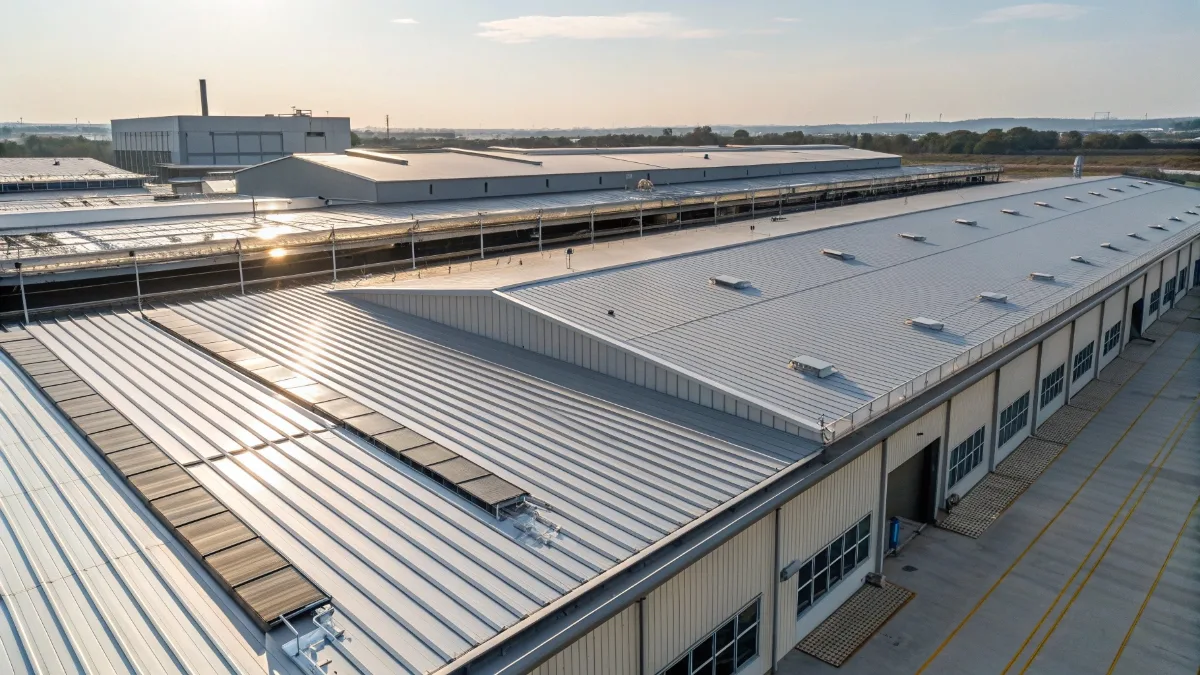
Industrial building roof using aluminum-zinc coated steel panels
Alu-zinc roofing panels are widely used in coastal and high-temperature environments.

Because aluminum-zinc coatings provide stronger resistance to oxidation and weathering, they help maintain both the appearance and structural performance of roofing systems over a longer period. As a result, these materials are widely used in:

  • Industrial buildings and warehouses
  • Agricultural structures
  • Coastal infrastructure
  • Commercial roofing systems
  • Large-scale construction projects

In many of these applications, the extended service life and lower maintenance requirements significantly reduce lifecycle costs compared with traditional roofing materials.

How to Choose Reliable Alu-Zinc Suppliers

While aluminum-zinc coated steel offers many advantages, product performance ultimately depends on manufacturing quality and coating control. Buyers should evaluate suppliers carefully before making purchasing decisions.
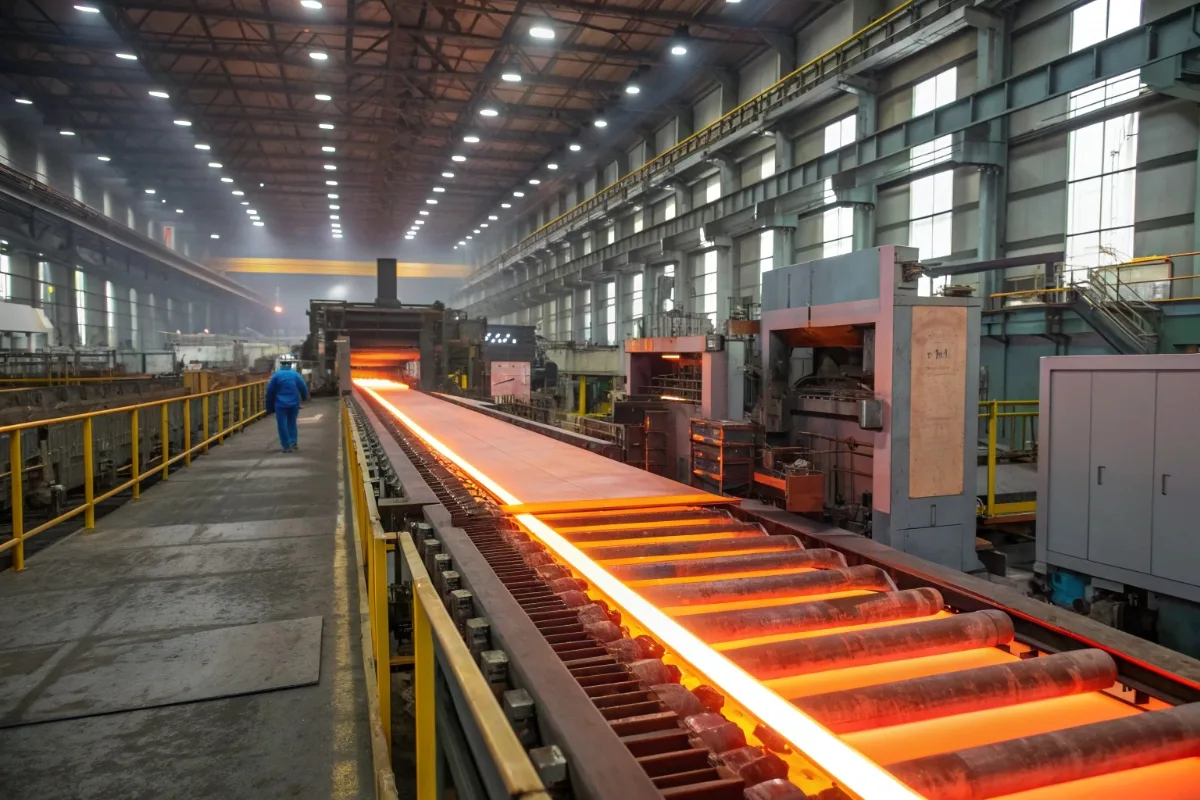
Aluminum-zinc coated steel production line in steel mill
Modern coating lines ensure consistent aluminum-zinc coating quality for steel coils.

Key factors to consider when selecting a supplier include coating weight consistency, surface quality standards, production equipment, and export packaging capability. Reliable manufacturers typically provide detailed mill test certificates and maintain strict quality control throughout the coating process.

Buyers should also confirm whether the supplier has experience exporting to international markets, as proper packaging and logistics handling are essential for maintaining coil quality during overseas transportation.

Conclusion

As construction projects increasingly demand materials that can withstand harsh environmental conditions, aluminum-zinc coated steel has emerged as a highly reliable solution. Its unique combination of aluminum barrier protection and zinc sacrificial protection allows it to outperform conventional galvanized steel in many applications.

With longer service life, improved corrosion resistance, and lower maintenance requirements, aluminum-zinc coated steel is becoming the preferred choice for roofing and infrastructure projects in coastal, industrial, and high-humidity regions.

Looking for Reliable Alu-Zinc Steel Coil Suppliers?

Choosing the right supplier is just as important as selecting the right material. If you are sourcing Alu-zinc coated steel coils for roofing, construction, or industrial applications, working with an experienced manufacturer can help ensure consistent quality and long-term performance.

Contact us today to learn more about our available specifications, coating options, and export solutions for global steel buyers.
Share :

X
Facebook
LinkedIn
Pinterest
WhatsApp

More Tips

Why zinc coating thickness matters for galvanized steel coils

Why Does Zinc Coating Thickness Matter for Long-Lasting Steel Coils?

Zinc coating thickness is one of the most critical factors determining the real service life of galvanized and aluminum-zinc coated steel coils. While many buyers focus on base steel grade or price, coating mass directly influences corrosion resistance, durability, and total lifecycle cost — especially in demanding environments. Understanding Zinc Coating Layers and Symbols (Z, AZ) Zinc coatings are typically specified using symbols such as Z (pure zinc) or AZ (aluminum-zinc alloy). These symbols represent not only the coating type, but also the protective mechanism. Pure zinc provides sacrificial protection, while aluminum-zinc coatings combine barrier protection with sacrificial behavior. Common coating mass designations like Z100, Z180, Z275 or AZ150, AZ185 indicate the total coating weight applied to both sides of the steel sheet and are directly linked to expected corrosion resistance. How Coating Thickness Affects Corrosion Resistance Thicker zinc coatings significantly slow corrosion progression compared to thin coatings. Zinc protects

Read More »
Steel roofing sheets installed on industrial buildings showing strength and durability

How Does Steel Sheet Thickness Impact Roofing Durability and Project Costs?

How Steel Sheet Thickness Impacts Roofing Durability and Project Cost Steel sheet thickness is one of the most influential factors in metal roofing performance. It directly affects structural strength, resistance to environmental loads, service life, and the total cost of a roofing project. Selecting the appropriate thickness is not simply about choosing the thickest material available—it requires balancing durability, structural requirements, installation conditions, and budget constraints. Table of Contents The Role of Steel Sheet Thickness in Roofing Strength How to Choose the Ideal Thickness for Your Project Balancing Cost and Durability Real-World Examples: Thin vs. Thick Steel Roofing Conclusion The Role of Steel Sheet Thickness in Roofing Strength Thicker steel sheets provide greater rigidity and resistance to wind and impact loads. Thicker steel sheets offer higher structural strength, improving resistance to wind uplift, impact loads, and foot traffic during installation and maintenance. Increased thickness reduces the risk of denting and

Read More »
Steel coils stored in factory warehouse ready for pre-shipment surface inspection

How Can Buyers Inspect Steel Coil Surface Quality Before Shipment? What Should a Proper Checklist Include?

How to Inspect Steel Coil Surface Quality Before Shipment: A Buyer’s Checklist Before steel coils are shipped overseas, surface quality inspection plays a critical role in preventing disputes, claims, and downstream processing issues. For buyers, especially importers and distributors, surface defects that go unnoticed before shipment can quickly translate into financial loss, project delays, or customer dissatisfaction. Why Surface Quality Inspection Matters Before Shipping Surface condition is often the first indicator of overall manufacturing quality and process control. Even when mechanical properties meet specification, surface defects such as scratches, dents, coating discontinuities, or corrosion spots can significantly reduce the usable value of a steel coil. Because most surface-related claims arise after unloading or processing, conducting a systematic inspection before shipment helps buyers identify issues early and establish clear quality documentation. Visual inspection under proper lighting helps identify surface defects before coils are packed for export. Key Visual and Dimensional Inspection

Read More »
Color coated PPGI steel coils stored in warehouse for roofing and construction

How Do Color Coating Systems in PPGI Steel Coils Work, and What Should Buyers Know?

Prepainted galvanized steel (PPGI) coils are widely used for roofing, wall panels, and construction materials. Prepainted galvanized steel coils (PPGI) have become one of the most widely used materials in modern roofing, cladding, and construction projects. Their durability, aesthetic flexibility, and corrosion resistance make them ideal for residential, commercial, and industrial buildings. However, the performance of PPGI does not depend solely on the steel substrate or the galvanized coating. The color coating system—which includes multiple protective paint layers—plays a critical role in determining durability, weather resistance, and long-term appearance. For buyers, understanding how these coating systems work helps ensure the right material is selected for the intended environment and application. Overview of Common Paint Systems: PE, SMP, PVDF A typical PPGI color coating system consists of several protective layers applied sequentially during the coil coating process. These layers form a multilayer corrosion-resistant system designed to protect the steel substrate under

Read More »
Trusted Steel Supplier

Build Stronger with Premium Steel Solutions

Explore our wide range of galvanized, galvalume, and color-coated steel products for your next project.

Get A Quick Price Today