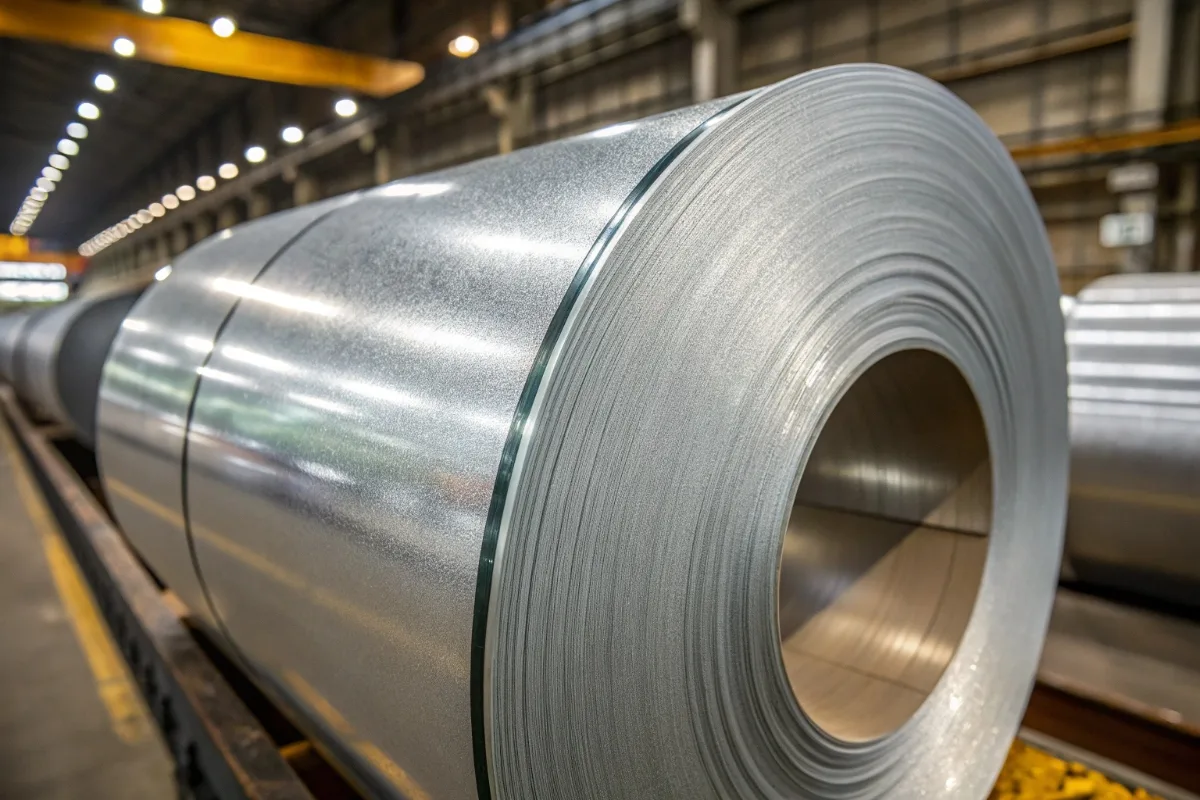
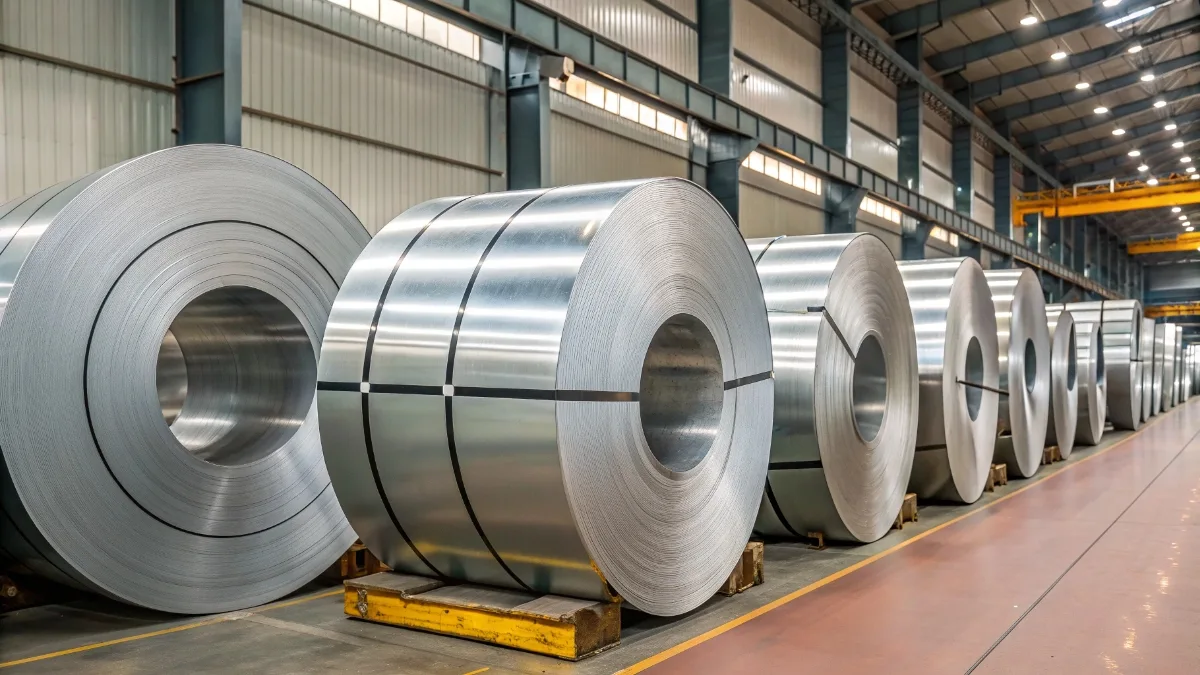
Alu-zinc coated steel coils stored in warehouse for construction and roofing applications

Why Are More Buyers Choosing Alu-Zinc Coated Steel for Extreme Environments?

Alu-zinc coated steel coils stored in warehouse for construction and roofing applications
Alu-zinc coated steel coils are widely used in roofing and construction due to their excellent corrosion resistance and durability.

As construction projects increasingly expand into coastal regions, humid climates, and industrial zones, the demand for more durable building materials continues to grow. Traditional galvanized steel has long been used for roofing and structural applications, but many buyers are now turning to Alu-Zinc coated steel as a more resilient solution.

Thanks to its unique coating composition, aluminum-zinc coated steel offers superior corrosion resistance, longer service life, and improved performance under extreme environmental conditions. These advantages make it an increasingly popular choice for roofing, infrastructure, and industrial buildings worldwide.

What Is Alu-Zinc Coated Steel and How It’s Made

Alu-zinc coated steel, sometimes known as aluminum-zinc alloy coated steel, is produced by applying a metallic coating composed primarily of aluminum and zinc onto a steel substrate through a continuous hot-dip coating process.

The typical coating composition contains approximately 55% aluminum, 43.4% zinc, and a small amount of silicon. This combination creates a protective layer that integrates the strengths of both metals: aluminum provides a strong barrier against corrosion, while zinc offers sacrificial protection when the steel surface becomes exposed.

When exposed to the atmosphere, the aluminum component forms a stable oxide film on the surface. This oxide layer slows the penetration of moisture, oxygen, and corrosive pollutants, dramatically improving the long-term corrosion resistance of the steel sheet.

Key Advantages Over Traditional Galvanized Steel

One of the main reasons buyers prefer aluminum-zinc coated steel is its superior durability compared with conventional galvanized steel. In many atmospheric conditions, Alu-zinc coatings can deliver two to four times the service life of standard zinc coatings.

The coating’s microstructure plays a crucial role in this performance. Aluminum-rich areas act as corrosion barriers, while zinc-rich areas provide sacrificial protection to exposed steel surfaces such as scratches or cut edges. This dual protection mechanism significantly slows corrosion propagation.
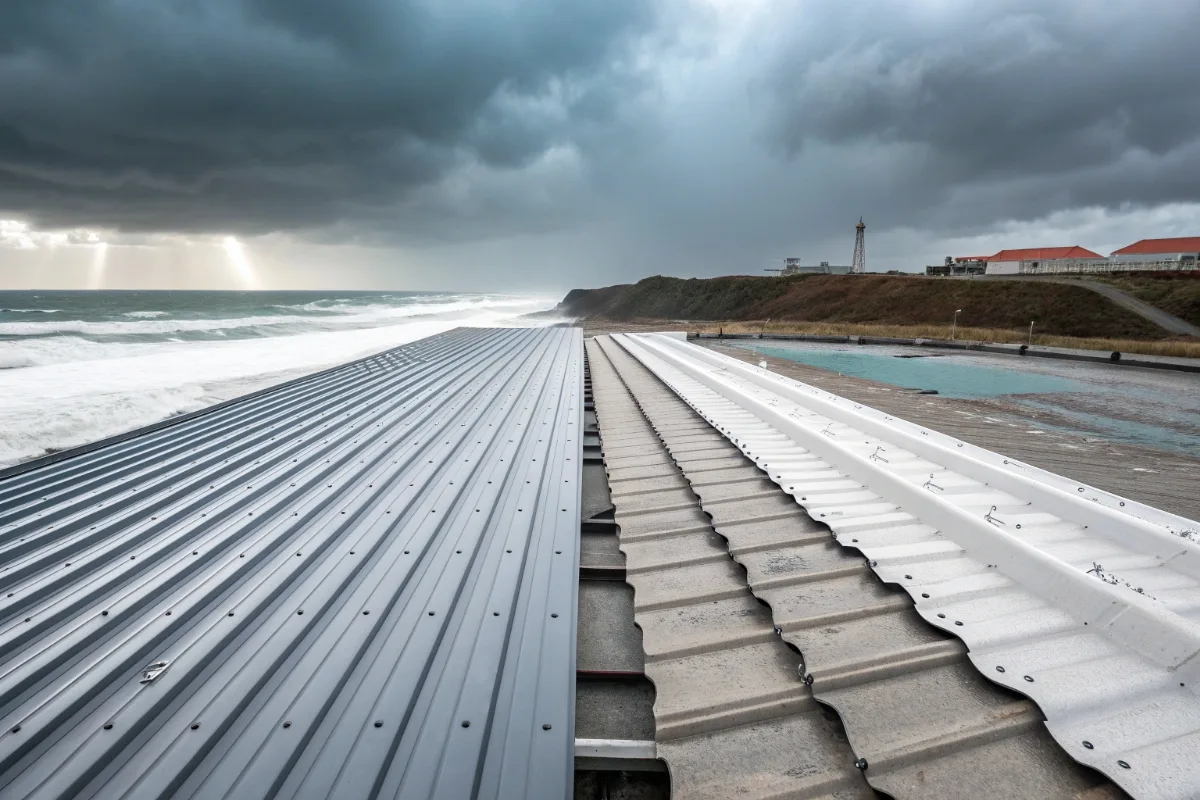
Comparison of galvanized steel and alu-zinc steel roofing performance in harsh environments
Alu-zinc coated steel often demonstrates significantly better corrosion resistance than conventional galvanized steel.

Another major advantage is heat resistance. Aluminum-zinc coatings can maintain structural integrity and surface stability even under prolonged high-temperature exposure, making them particularly suitable for roofing in hot climates.

Additionally, the reflective surface of aluminum-zinc steel improves solar reflectivity. By reflecting more sunlight, roofing systems absorb less heat, which helps reduce thermal stress and contributes to better energy efficiency in buildings.

Best Applications in Harsh or Coastal Climates

Aluminum-zinc coated steel performs exceptionally well in environments where conventional zinc coatings may deteriorate more quickly. Coastal regions, industrial areas, and high-humidity climates often expose metal roofing to salt, pollutants, and moisture that accelerate corrosion.
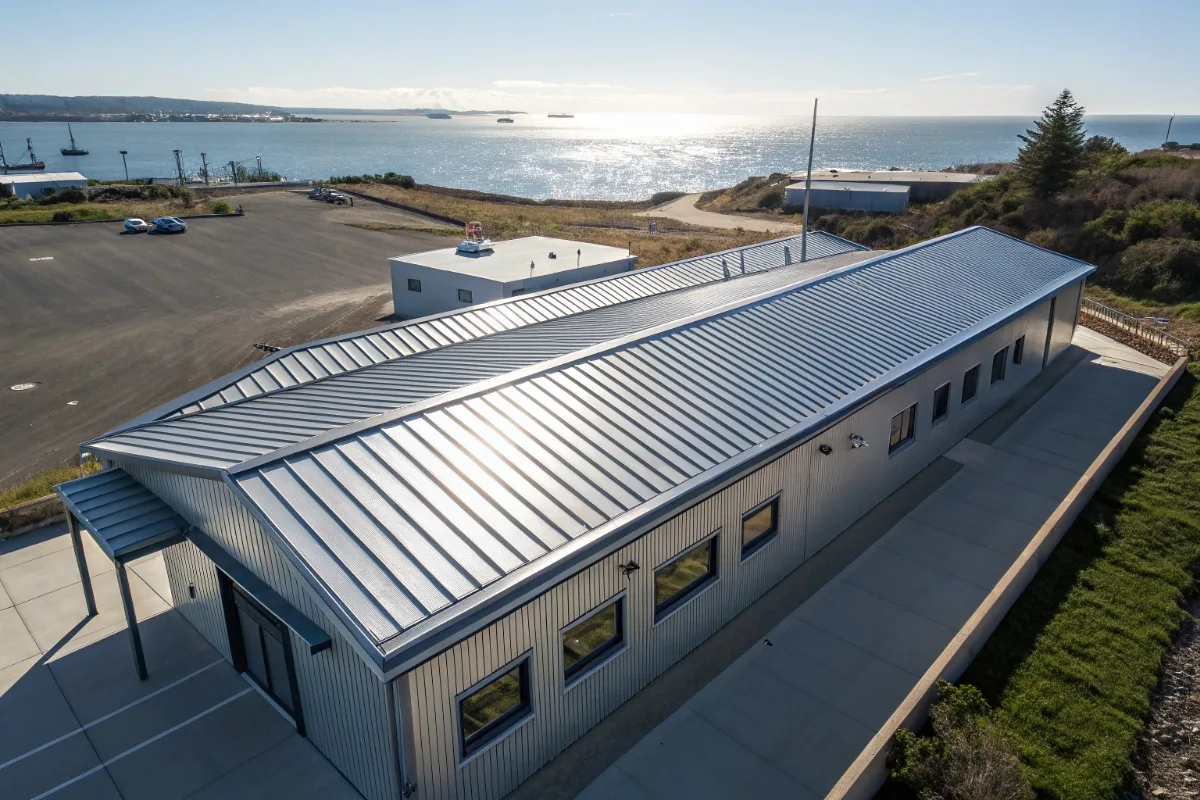
Industrial building roof using aluminum-zinc coated steel panels
Alu-zinc roofing panels are widely used in coastal and high-temperature environments.

Because aluminum-zinc coatings provide stronger resistance to oxidation and weathering, they help maintain both the appearance and structural performance of roofing systems over a longer period. As a result, these materials are widely used in:

  • Industrial buildings and warehouses
  • Agricultural structures
  • Coastal infrastructure
  • Commercial roofing systems
  • Large-scale construction projects

In many of these applications, the extended service life and lower maintenance requirements significantly reduce lifecycle costs compared with traditional roofing materials.

How to Choose Reliable Alu-Zinc Suppliers

While aluminum-zinc coated steel offers many advantages, product performance ultimately depends on manufacturing quality and coating control. Buyers should evaluate suppliers carefully before making purchasing decisions.
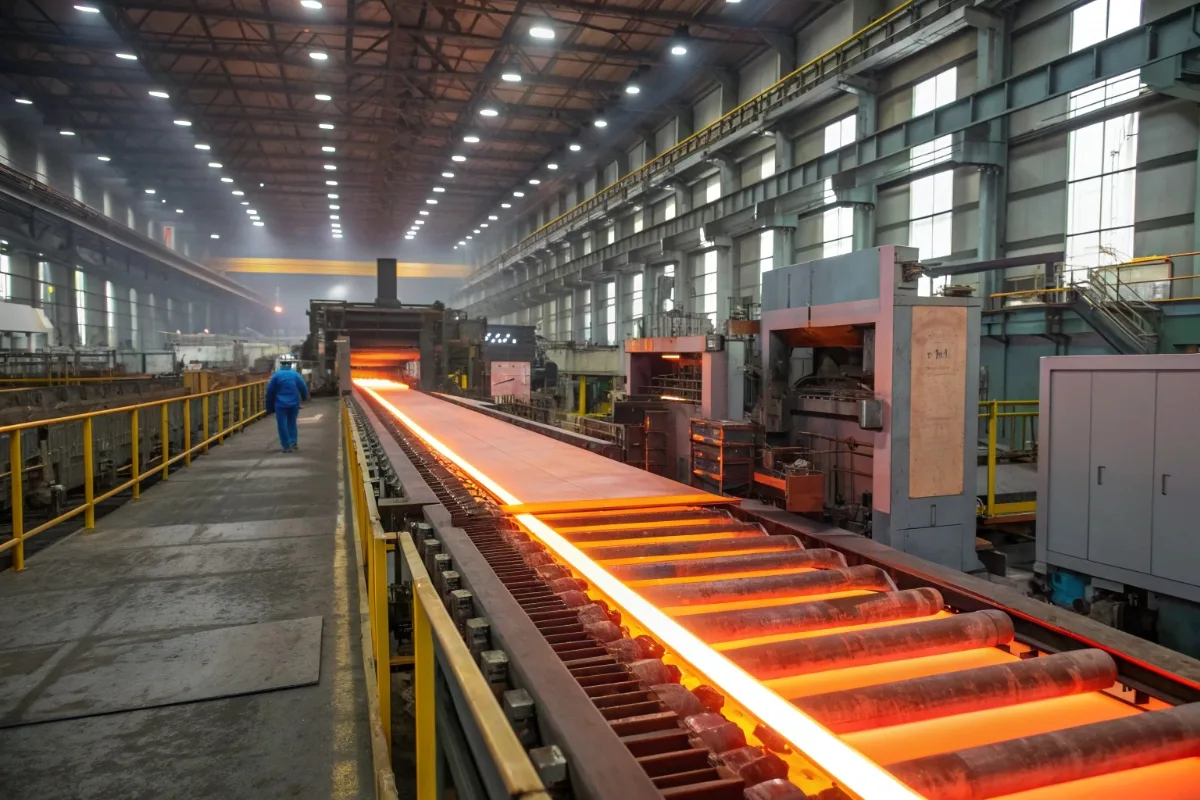
Aluminum-zinc coated steel production line in steel mill
Modern coating lines ensure consistent aluminum-zinc coating quality for steel coils.

Key factors to consider when selecting a supplier include coating weight consistency, surface quality standards, production equipment, and export packaging capability. Reliable manufacturers typically provide detailed mill test certificates and maintain strict quality control throughout the coating process.

Buyers should also confirm whether the supplier has experience exporting to international markets, as proper packaging and logistics handling are essential for maintaining coil quality during overseas transportation.

Conclusion

As construction projects increasingly demand materials that can withstand harsh environmental conditions, aluminum-zinc coated steel has emerged as a highly reliable solution. Its unique combination of aluminum barrier protection and zinc sacrificial protection allows it to outperform conventional galvanized steel in many applications.

With longer service life, improved corrosion resistance, and lower maintenance requirements, aluminum-zinc coated steel is becoming the preferred choice for roofing and infrastructure projects in coastal, industrial, and high-humidity regions.

Looking for Reliable Alu-Zinc Steel Coil Suppliers?

Choosing the right supplier is just as important as selecting the right material. If you are sourcing Alu-zinc coated steel coils for roofing, construction, or industrial applications, working with an experienced manufacturer can help ensure consistent quality and long-term performance.

Contact us today to learn more about our available specifications, coating options, and export solutions for global steel buyers.

Share :

X
Facebook
LinkedIn
Pinterest
WhatsApp

More Tips

What Is the Global Demand Outlook for Steel Sheets and Roofing Products in 2025 and Beyond?

Global Demand Outlook for Steel Sheets and Roofing Products: 2025 and Beyond Claim: Although overall steel demand looks broadly flat in 2025, the outlook for flat steel (sheets & coils) and roofing products shows pockets of stronger growth — especially in emerging markets and in niche applications where metal roofing’s durability and low maintenance are valued. Global steel demand trends through 2025 and beyond — stable volume, regional divergence. Table of Contents 1. Current Market Trends in Global Steel Sheet Consumption 2. Regional Insights: Asia-Pacific, Middle East, and Europe Demand Drivers 3. How Infrastructure Growth Shapes the Roofing Steel Market 4. Forecast 2025–2030: Emerging Opportunities for Exporters Conclusion 1. Current Market Trends in Global Steel Sheet Consumption After several years of volatility, global steel demand is expected to be essentially flat in 2025 — roughly in the range of 1.74–1.75 billion tonnes — with a modest rebound forecast for 2026.

Read More »
Comparison image of galvanized and galvalume steel coils under daylight showing coating texture differences.

Galvanized vs. Galvalume Steel Coils: Which Is Better for Roofing Projects?

Galvanized vs. Galvalume Steel Coils: Which Is Better for Roofing Projects? Claim: While both galvanized and galvalume steel coils are widely used for roofing, Galvalume generally provides longer service life and better performance in harsh or humid environments, whereas Galvanized steel remains a practical, budget-friendly choice for moderate climates and shorter-term projects. Galvanized (zinc-coated) and Galvalume (aluminum-zinc alloy coated) steel coils side by side — two leading materials for roofing applications. Table of Contents 1. What Are Galvanized and Galvalume Steel Coils? 2. Key Differences in Composition and Performance 3. Advantages and Disadvantages for Roofing Applications 4. How to Choose the Right Coil for Your Climate and Budget Conclusion 1. What Are Galvanized and Galvalume Steel Coils? Both galvanized and galvalume steel coils start as carbon steel sheet that is coated to improve corrosion resistance. The coating is the key difference: Galvanized steel is coated primarily with zinc to provide

Read More »
Diagram comparing ASTM, EN, and JIS steel coil standards

What Are the Top 5 International Quality Standards Every Steel Coil Exporter Should Follow?

Top 5 International Quality Standards Every Steel Coil Exporter Should Follow Claim To compete in the global steel market, exporters must ensure that every steel coil meets internationally recognized standards such as ASTM, EN, JIS, ISO, and SGS Certification. These standards not only define product quality but also build credibility and trust with overseas buyers. Table of Contents Understanding Global Steel Coil Standards (ASTM, EN, JIS) Why Certification Matters for International Trade Common Testing Methods for Steel Coil Quality How to Ensure Compliance and Build Buyer Trust Conclusion Understanding Global Steel Coil Standards (ASTM, EN, JIS) Global buyers expect steel coils that meet unified performance benchmarks. The three most widely used international standards include: ASTM (American Society for Testing and Materials): Sets technical standards for chemical composition, tensile strength, yield, and coating thickness—essential for buyers in the US and Latin America. EN (European Norm): Defines structural and surface requirements for

Read More »

What Is the Difference Between PPGI and PPGL?

Table of Contents Performance Comparison: Durability, Color, and Corrosion Resistance Best Applications for Each Coil Type How to Choose the Right Product for Your Target Market PPGI and PPGL are two widely used pre-painted steel coil types in international construction, roofing, and manufacturing sectors. Although both belong to the “pre-painted steel” category, the coating composition and performance differ significantly, leading to different applications and market suitability. Performance Comparison: Durability, Color, and Corrosion Resistance    Technical comparison of PPGI vs PPGL coating layers. The primary difference between PPGI and PPGL lies in the metallic coating applied before the painting layer. PPGI uses pure zinc coating, while PPGL applies a special aluminium-zinc alloy. This alloy dramatically enhances corrosion resistance and heat reflectivity, making PPGL more durable in harsh outdoor environments. Best Applications for Each Coil Type Environmental comparison: PPGI for mild climates, PPGL for coastal/high humidity regions. PPGI is widely used where

Read More »
Trusted Steel Supplier

Build Stronger with Premium Steel Solutions

Explore our wide range of galvanized, galvalume, and color-coated steel products for your next project.

Get A Quick Price Today