
Modern steel factory with Aluzinc steel coils stacked in warehouse.

Why Aluzinc (GL) Coils Are Gaining Popularity in Construction and Roofing?

Why Aluzinc (GL) Coils Are Gaining Popularity in Construction and Roofing

Modern steel factory with Aluzinc steel coils stacked in warehouse.
Aluzinc (GL) steel coils stored in a modern factory, ready for export.

In recent years, Aluzinc (GL) steel coils have become one of the most preferred materials for roofing, wall cladding, and industrial construction. Their growing popularity is not just a trend—it’s a reflection of real performance advantages over traditional galvanized steel.

This article explores why more global buyers, engineers, and project contractors are switching to Aluzinc, and what makes it the smarter long-term investment for modern construction.

Table of Contents

1. What Makes Aluzinc (GL) Steel Coils Different from Galvanized Coils
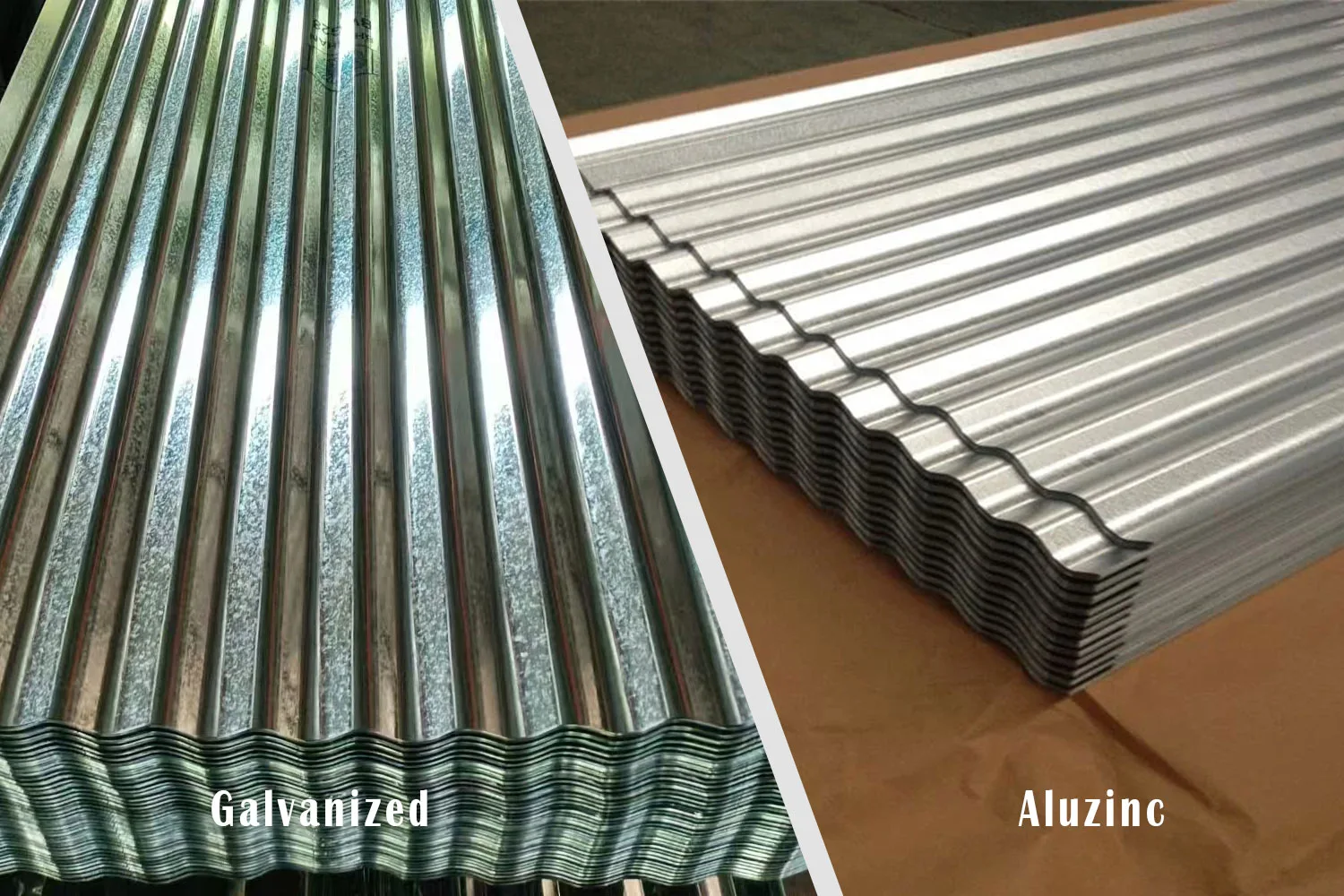
Cross-section comparison of galvanized and Aluzinc steel coatings.
Comparison between galvanized (zinc-coated) and Aluzinc (aluminum-zinc alloy coated) steel surfaces.

While galvanized steel is coated with pure zinc, Aluzinc (also known as GL or Galvalume) is coated with an alloy of approximately 55% aluminum, 43.4% zinc, and 1.6% silicon. This small change in chemistry delivers a major upgrade in performance.

The aluminum forms a tough barrier layer that prevents rust, while zinc provides galvanic protection. The result? Superior corrosion resistance, smoother surface finish, and longer lifespan—often two to six times that of regular galvanized steel.

In addition, Aluzinc coils offer a bright, reflective, and uniform metallic surface that’s ideal for roofing aesthetics or as a substrate for color coating (PPGL).

2. Advantages of Aluzinc Coatings in Harsh Environments
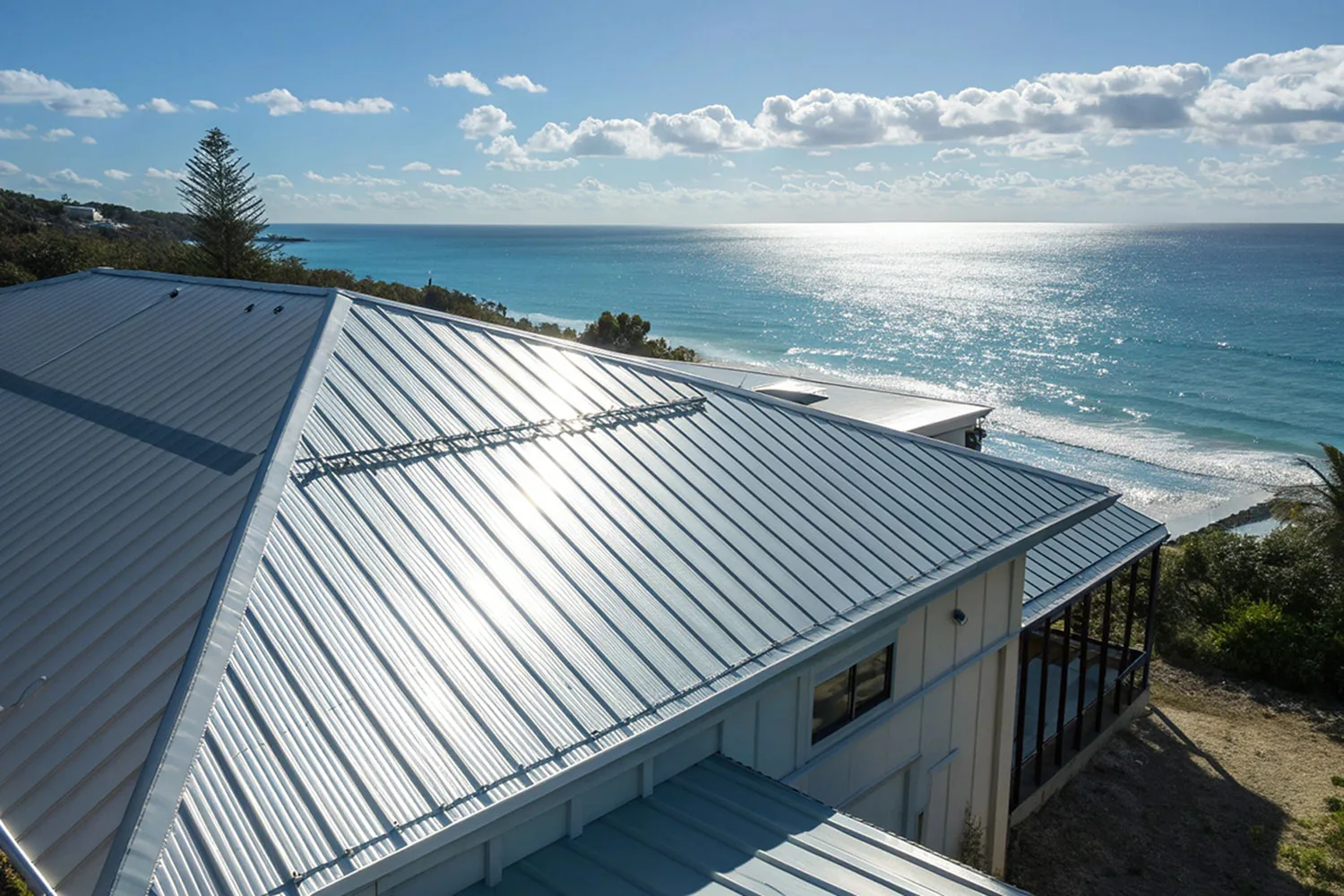
Aluzinc roofing sheets installed in a coastal environment.
Aluzinc-coated roofing sheets providing excellent corrosion resistance in a coastal project.

When exposed to marine or industrial atmospheres, Aluzinc coatings outperform galvanized coatings dramatically. The aluminum component prevents oxidation, while zinc continues to protect cut edges and scratches through galvanic action.

  • Longer service life — up to 3–6 times that of galvanized steel.
  • Better heat reflectivity — reduces roof temperature by up to 6°C, lowering energy costs.
  • Excellent resistance to humidity and acid rain — perfect for coastal and high-moisture areas.
  • Less white rust — improved storage and shipment performance.

This makes Aluzinc the go-to material for applications where both durability and aesthetic performance matter.

3. Applications in Modern Roofing and Structural Projects
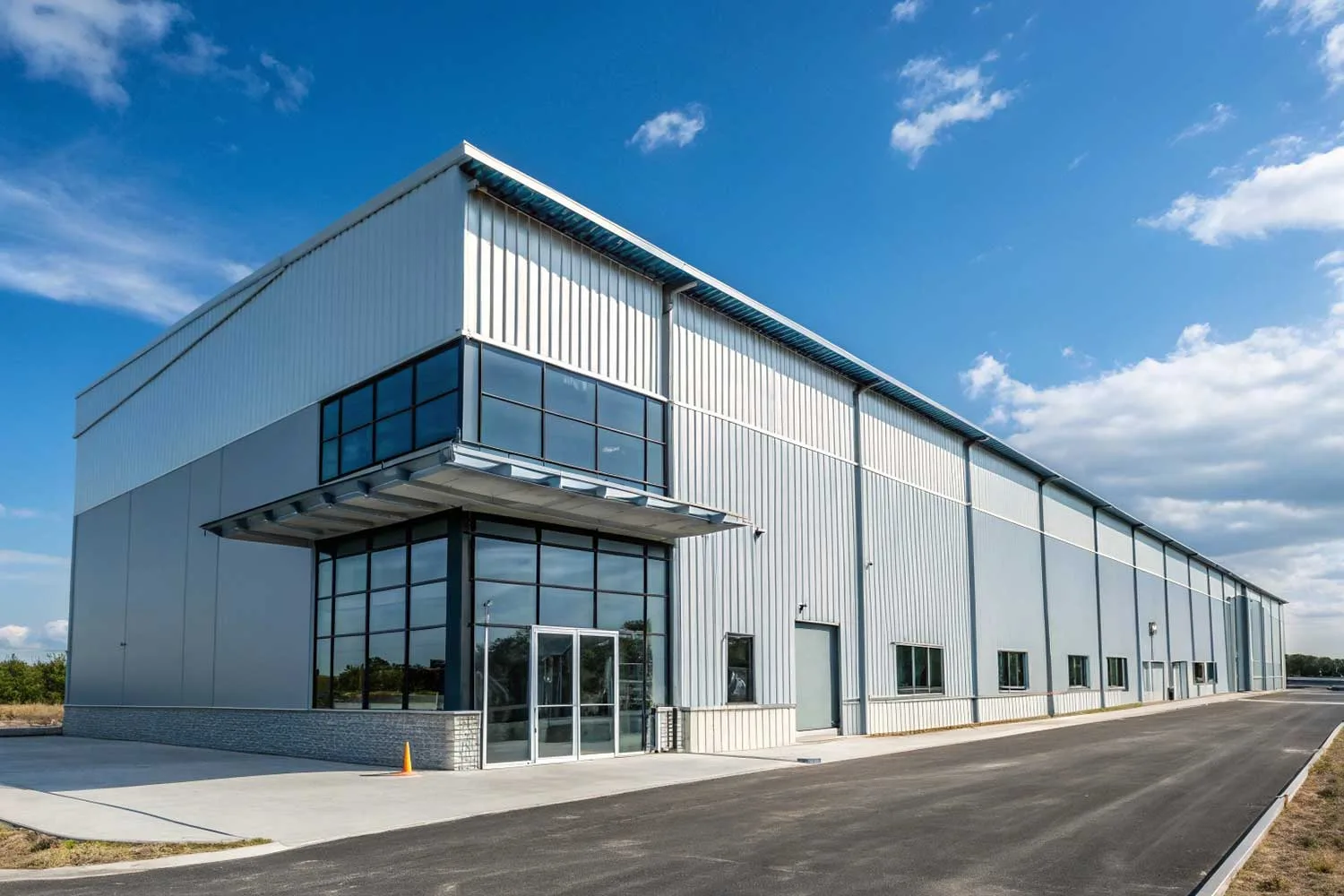
Modern industrial building with Aluzinc roof and wall cladding.
Modern industrial structure built with Aluzinc roofing and wall panels.

Today, Aluzinc coils are widely used across industrial buildings, warehouses, workshops, and residential roofing systems. Their superior corrosion resistance and reflective properties make them ideal for environments that demand performance and visual appeal.

Typical applications include:

  • Corrugated and trapezoidal roofing sheets
  • Sandwich panels and composite walls
  • HVAC ducting, ceiling panels, and garage doors
  • Solar panel bases and pre-painted color coating substrates

For long-span roofing systems or color-coated projects, Aluzinc’s smooth surface enhances coating adhesion and reduces maintenance costs over time.

4. Market Insights: Why Global Buyers Are Switching to GL Coils
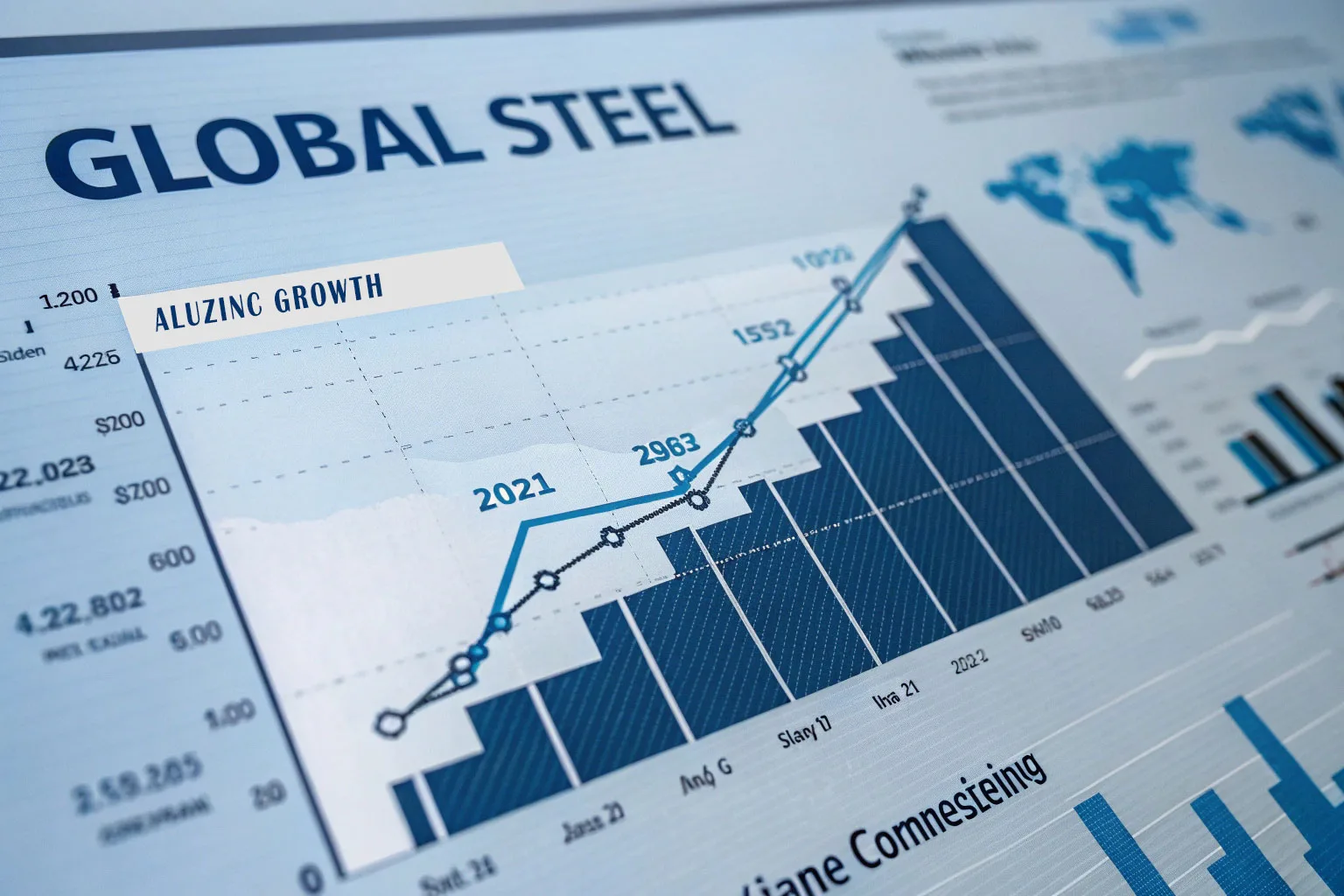
Rising global demand for Aluzinc (GL) steel coils in the construction and roofing markets.

According to recent market trends, demand for Aluzinc steel has surged due to several practical and economic reasons:

  1. Longer product lifecycle — buyers benefit from fewer replacements and lower maintenance costs.
  2. Better export value — many contractors and importers prefer GL over GI for high-end projects.
  3. Price stability — as Aluzinc offers better performance per dollar spent.
  4. Eco-friendly advantage — higher solar reflectivity contributes to energy-efficient buildings.
  5. Global specification alignment — GL complies with ASTM A792, EN 10346, and JIS G3321 standards.

Claim

“Aluzinc isn’t replacing galvanized steel — it’s redefining what durability and design can mean for modern construction.”

Final Thoughts

From factories to modern homes, Aluzinc (GL) coils are proving their value in both performance and appearance. For steel wholesalers and construction buyers, understanding the differences and benefits can help you make smarter purchasing decisions — and deliver roofs and structures that truly last.

Share :

X
Facebook
LinkedIn
Pinterest
WhatsApp

More Tips

Custom steel coil production line showing precision rolling and variable coil thickness.

How do custom thickness and width in steel coils help cut costs for buyers?

How Do Custom Thickness and Width in Steel Coils Help Cut Costs for Buyers? Claim: Customizing the thickness and width of steel coils allows buyers to optimize material usage, reduce waste, and achieve measurable cost savings throughout the production and logistics process. Table of Contents 1. Why Coil Thickness and Width Matter in Industrial Projects 2. How Customized Specifications Improve Material Utilization 3. Cost Optimization Through Precision Rolling and Cutting 4. Partnering with Suppliers for Made-to-Order Steel Coil Solutions 5. Conclusion Precision control in coil rolling helps optimize thickness and reduce waste. 1. Why Coil Thickness and Width Matter in Industrial Projects In any steel fabrication or construction project, choosing the right coil dimensions is crucial. Standard coil sizes often lead to unnecessary cutting, trimming, and leftover materials that end up as scrap. Customizing the coil thickness and width allows buyers to match the material exactly to their production requirements,

Read More »

What Are the Best Practices for Packaging and Shipping Steel Coils Safely for Exporters and Importers?

Packaging and Shipping Steel Coils Safely: Tips for Exporters and Importers Claim: Proper packaging, handling, and loading procedures are essential to protect steel coils from rust, deformation, and transport damage — ensuring product quality, regulatory compliance, and cost efficiency from mill to destination. Table of Contents 1. Common Packaging Methods for Export-Ready Steel Coils 2. How to Prevent Rust, Denting, and Edge Damage During Transport 3. Essential Safety Standards for Loading and Containerization 4. Inspection and Handling Tips for Importers Upon Arrival 5. Conclusion Properly packaged steel coils with protective wrapping and labeling for safe export. 1. Common Packaging Methods for Export-Ready Steel Coils Export packaging for steel coils begins with corrosion prevention and impact protection. The inner layer typically uses corrosion-inhibiting paper or VCI film, followed by waterproof kraft paper or plastic wrapping. Outer layers include steel or PET strapping, edge guards, and sometimes metal or wooden crating for

Read More »
Stacked steel sheets in a modern factory meeting international ASTM, EN, and JIS standards.

How can steel sheets meet international standards like ASTM, EN, and JIS?

Meeting International Standards for Steel Sheets: ASTM, EN, JIS at a Glance Claim: Compliance with ASTM, EN and JIS standards is not just paperwork — it’s a practical way to guarantee material performance, speed up acceptance in export markets, and build trust between suppliers and buyers. Table of Contents Introduction 1. Understanding the Importance of Global Steel Standards 2. Overview of ASTM, EN, and JIS Classifications for Steel Sheets 3. How to Match Your Order Specifications with the Correct Standard 4. Why Compliance Improves Buyer Confidence and Export Value Conclusion Steel sheets ready for export — meeting international standards ensures acceptance and reliability. Introduction In today’s global steel market, buyers and suppliers operate across borders and standards. ASTM (United States), EN (Europe) and JIS (Japan) are three widely recognized systems that define how steel should be made, tested and documented. Meeting these standards helps ensure material safety, interchangeability and predictable

Read More »

What Is the Global Demand Outlook for Steel Sheets and Roofing Products in 2025 and Beyond?

Global Demand Outlook for Steel Sheets and Roofing Products: 2025 and Beyond Claim: Although overall steel demand looks broadly flat in 2025, the outlook for flat steel (sheets & coils) and roofing products shows pockets of stronger growth — especially in emerging markets and in niche applications where metal roofing’s durability and low maintenance are valued. Global steel demand trends through 2025 and beyond — stable volume, regional divergence. Table of Contents 1. Current Market Trends in Global Steel Sheet Consumption 2. Regional Insights: Asia-Pacific, Middle East, and Europe Demand Drivers 3. How Infrastructure Growth Shapes the Roofing Steel Market 4. Forecast 2025–2030: Emerging Opportunities for Exporters Conclusion 1. Current Market Trends in Global Steel Sheet Consumption After several years of volatility, global steel demand is expected to be essentially flat in 2025 — roughly in the range of 1.74–1.75 billion tonnes — with a modest rebound forecast for 2026.

Read More »
Trusted Steel Supplier

Build Stronger with Premium Steel Solutions

Explore our wide range of galvanized, galvalume, and color-coated steel products for your next project.

Get A Quick Price Today