
Global Demand Outlook for Steel Sheets and Roofing Products: 2025 and Beyond
Claim:
Although overall steel demand looks broadly flat in 2025, the outlook for flat steel (sheets & coils) and roofing products shows pockets of stronger growth — especially in emerging markets and in niche applications where metal roofing’s durability and low maintenance are valued.
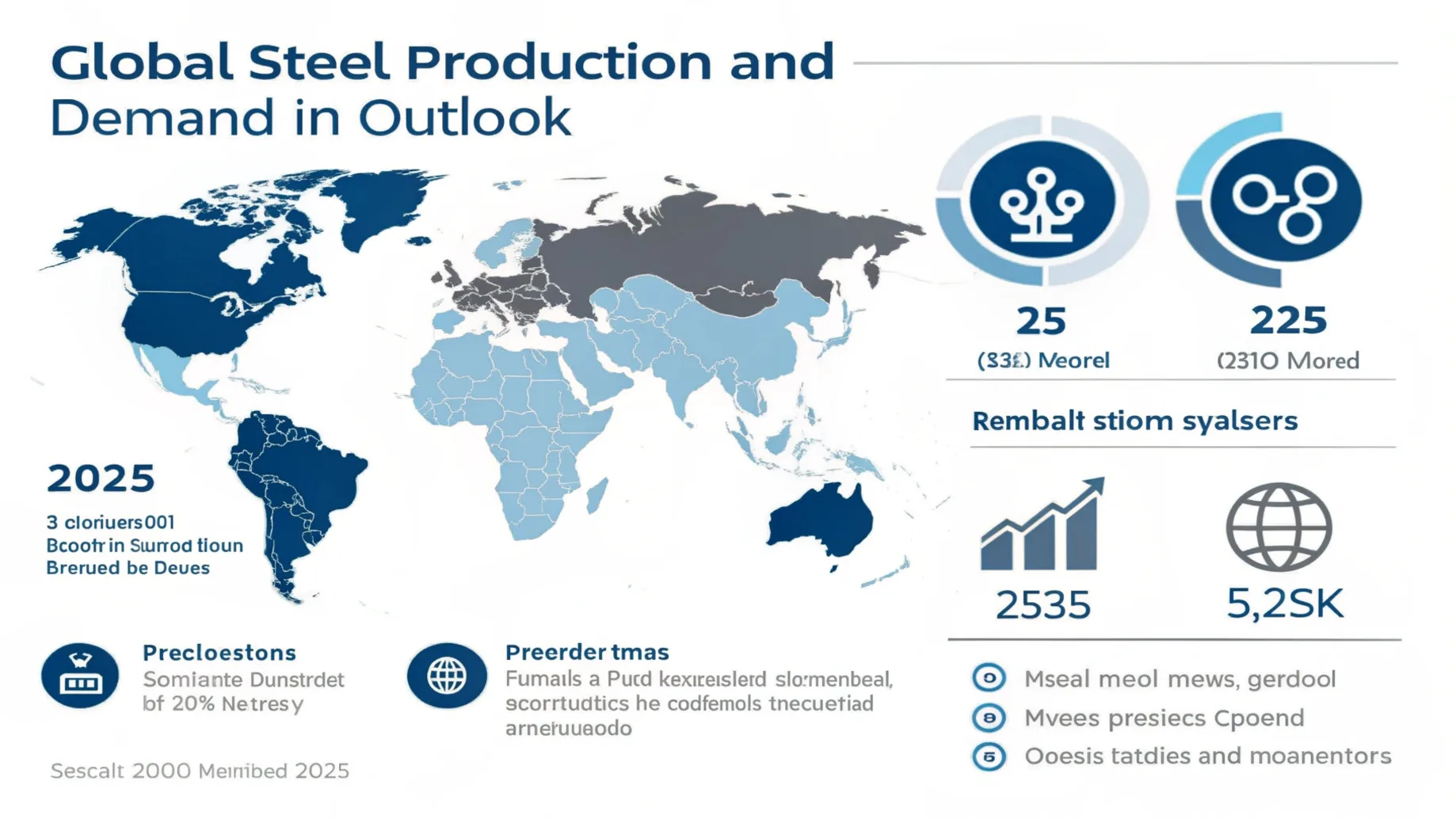
Table of Contents
1. Current Market Trends in Global Steel Sheet Consumption
After several years of volatility, global steel demand is expected to be essentially flat in 2025 — roughly in the range of 1.74–1.75 billion tonnes — with a modest rebound forecast for 2026. This plateau reflects weak activity in mature markets and a gradual recovery in some developing economies.
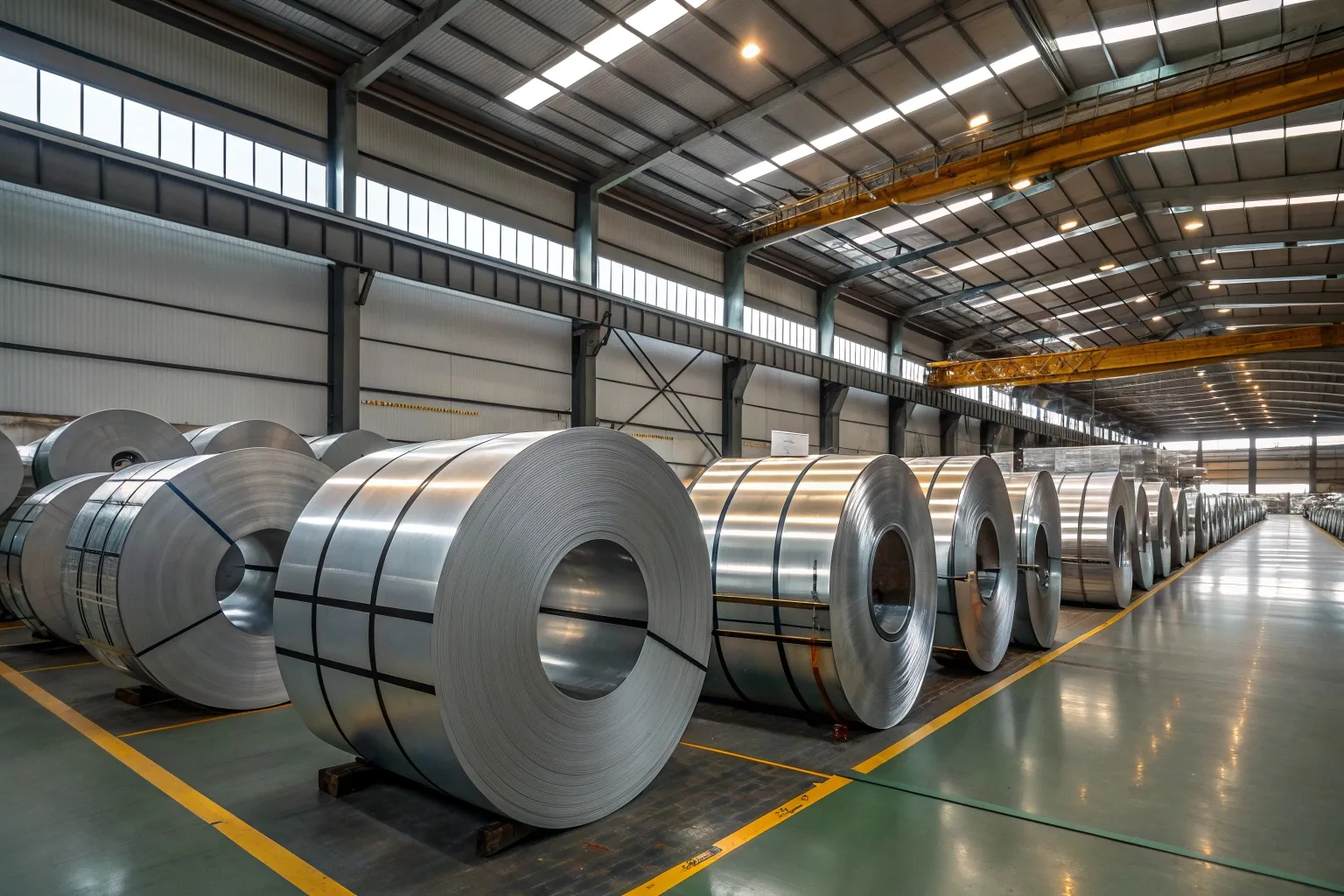
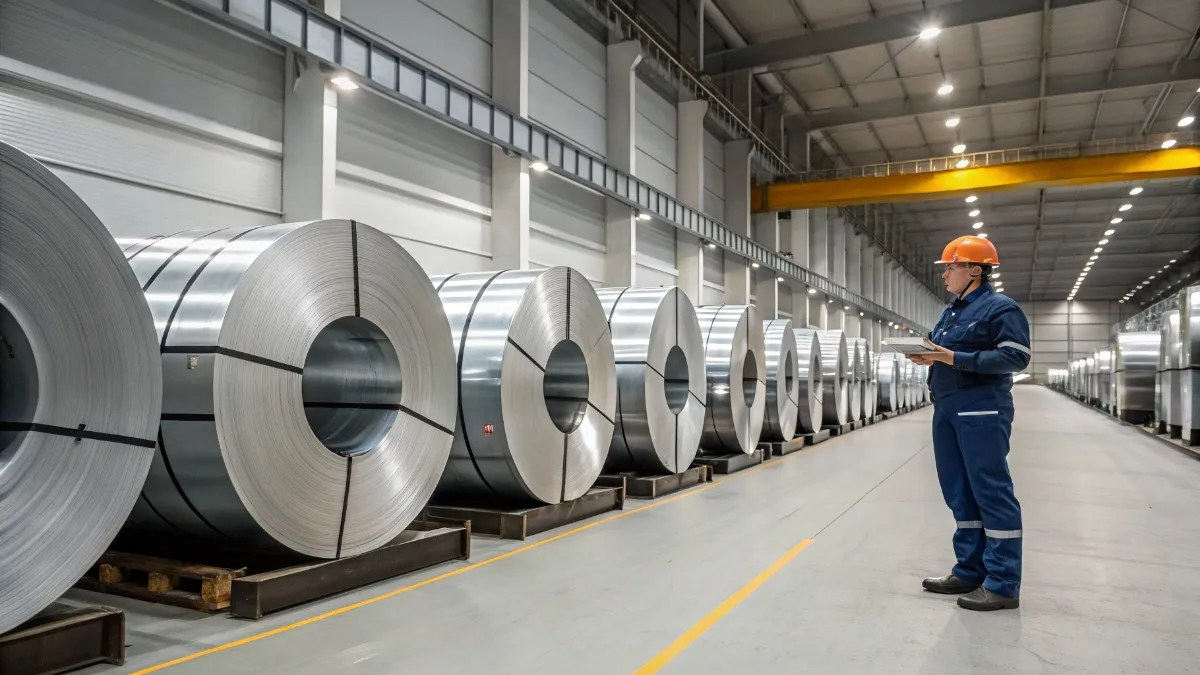
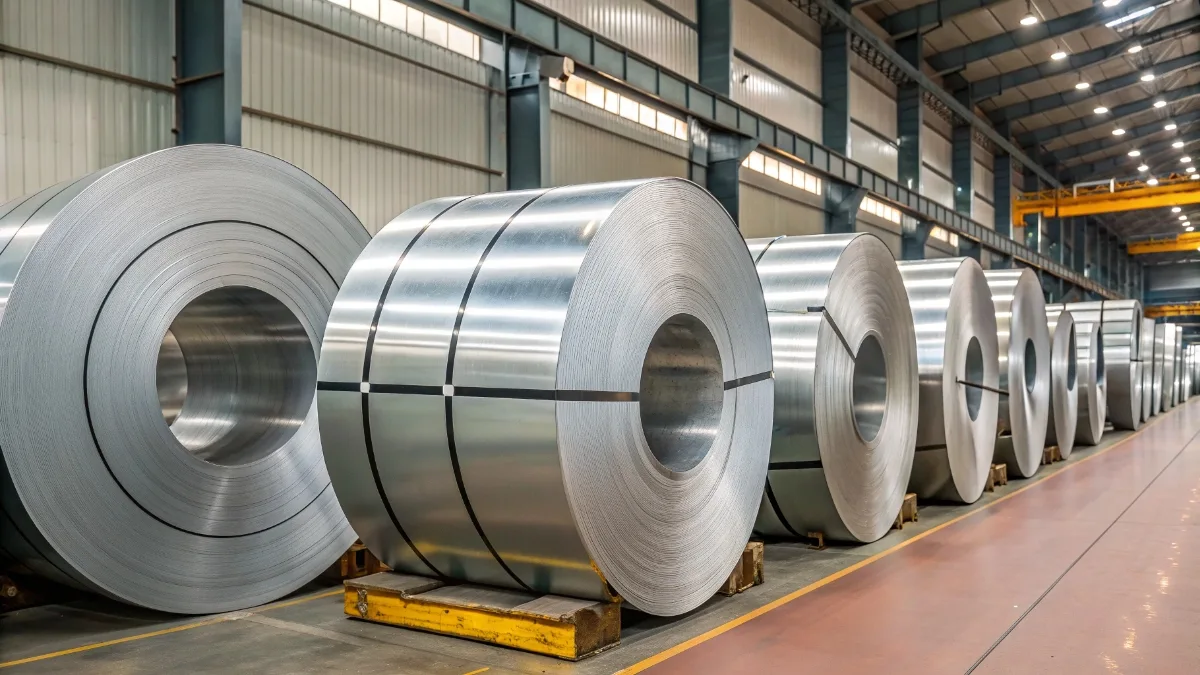
That said, the flat-steel segment (which includes sheets, coils and plates) is seeing stronger market dynamics than long products: industry research projects steady growth in the flat-steel market value over the medium term, driven by construction, automotive, and industrial equipment demand.
At the same time, global overcapacity — with significant new capacity additions planned or under construction — is likely to keep pricing under pressure and keep competition fierce through the rest of the decade.
2. Regional Insights: Asia-Pacific, Middle East, and Europe Demand Drivers
Asia-Pacific remains the largest and most dynamic market for steel sheets and roofing. While China’s structural slowdown and weak property market are softening demand there, other markets in the region (notably India, Southeast Asia and parts of the Middle East) are growing faster and driving sheet demand for housing, warehouses and light industrial projects.
In the Middle East and parts of Africa, public infrastructure programs and energy-sector investment are supporting demand for metal roofing and cladding for industrial and commercial buildings. European demand is more muted, though select green-steel initiatives and energy-efficient building codes offer niche opportunities.
3. How Infrastructure Growth Shapes the Roofing Steel Market

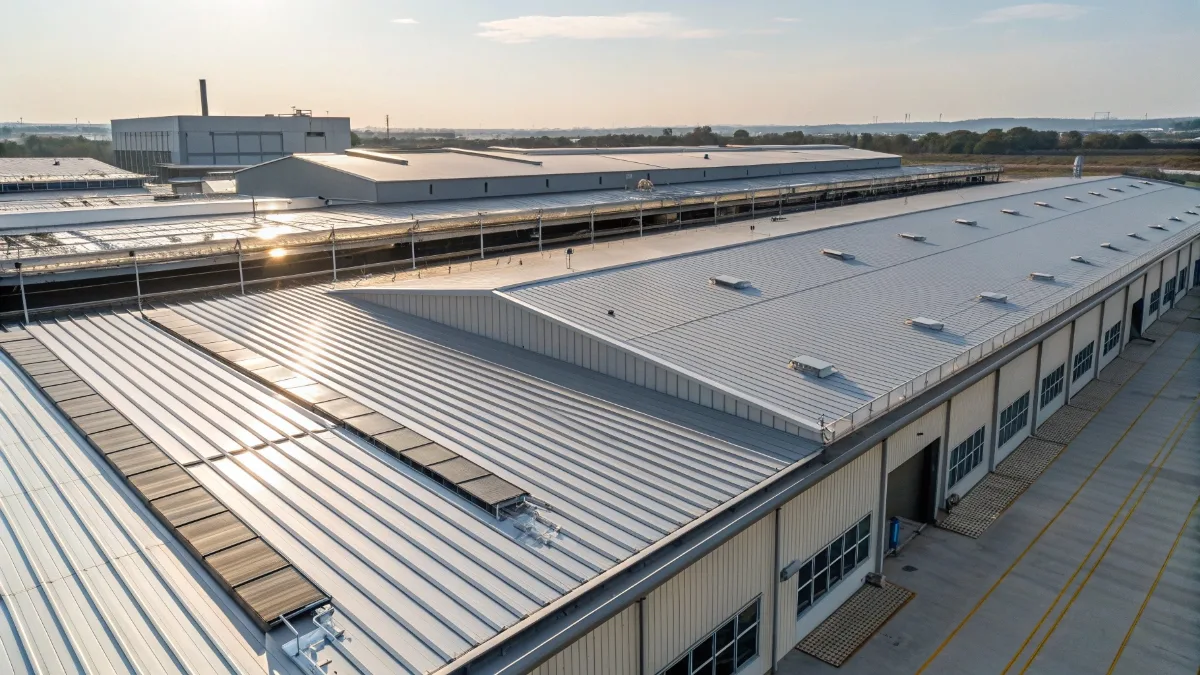
Infrastructure spending — roads, logistics hubs, warehouses, and social housing — is a direct driver for demand in roofing and cladding products. In emerging markets, rapid urbanization and the shift to pre-engineered metal buildings favor steel roofing because of its speed of construction, durability and low maintenance.
Additionally, trends such as the expansion of cold-storage, warehouses for e-commerce, and industrial parks are raising demand for sheet materials that are easy to install and require minimal upkeep — all positives for metal roofing suppliers who can meet local specs and delivery timing.
4. Forecast 2025–2030: Emerging Opportunities for Exporters
From 2025 through 2030 the flat-steel market value is expected to grow at a stronger pace than total crude steel demand, with market reports projecting mid-single-digit CAGR for flat steel value (sheets, coils, plates) driven by product upgrades and rising unit values.
Key practical takeaways for exporters and traders:
- Target growth markets: Focus on India, ASEAN, MENA and select African regions where construction and industrial projects are expanding.
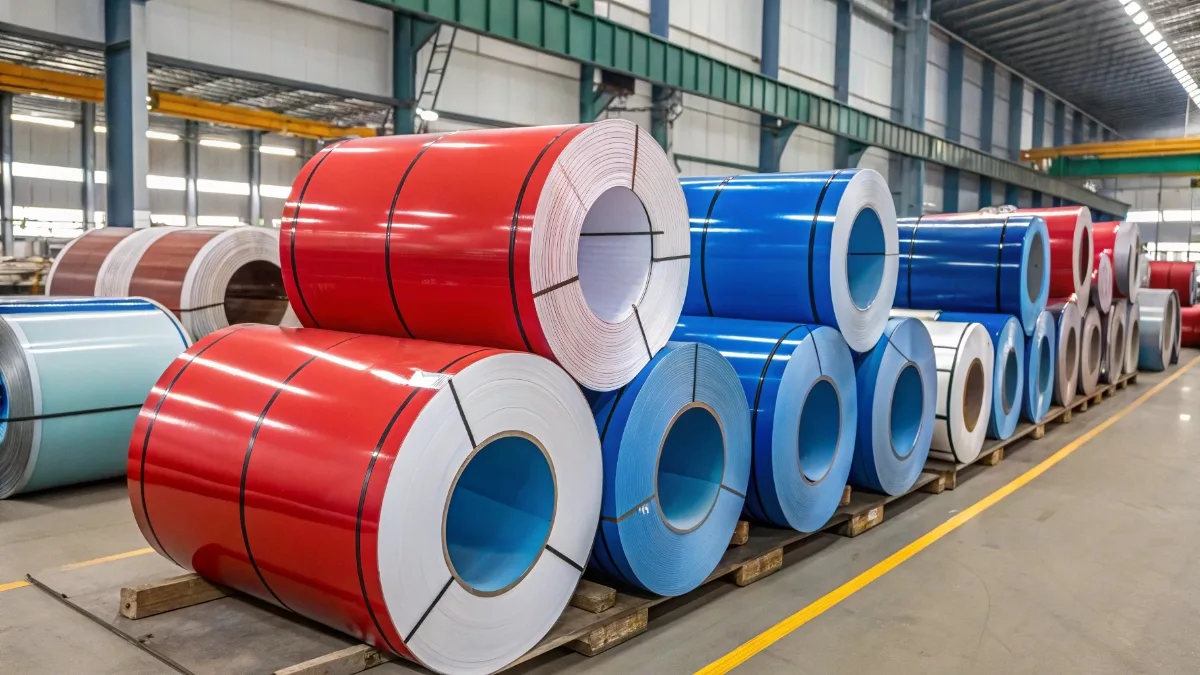
- Differentiation wins: Compete on coatings (Aluzinc, PVDF-coated sheets), service (short lead times, reliable QC) and niche products (insulated roofing panels, specialty profiles).
- Watch capacity and pricing: New global capacity additions mean price cycles may remain subdued; maintain flexible sourcing and pricing strategy.
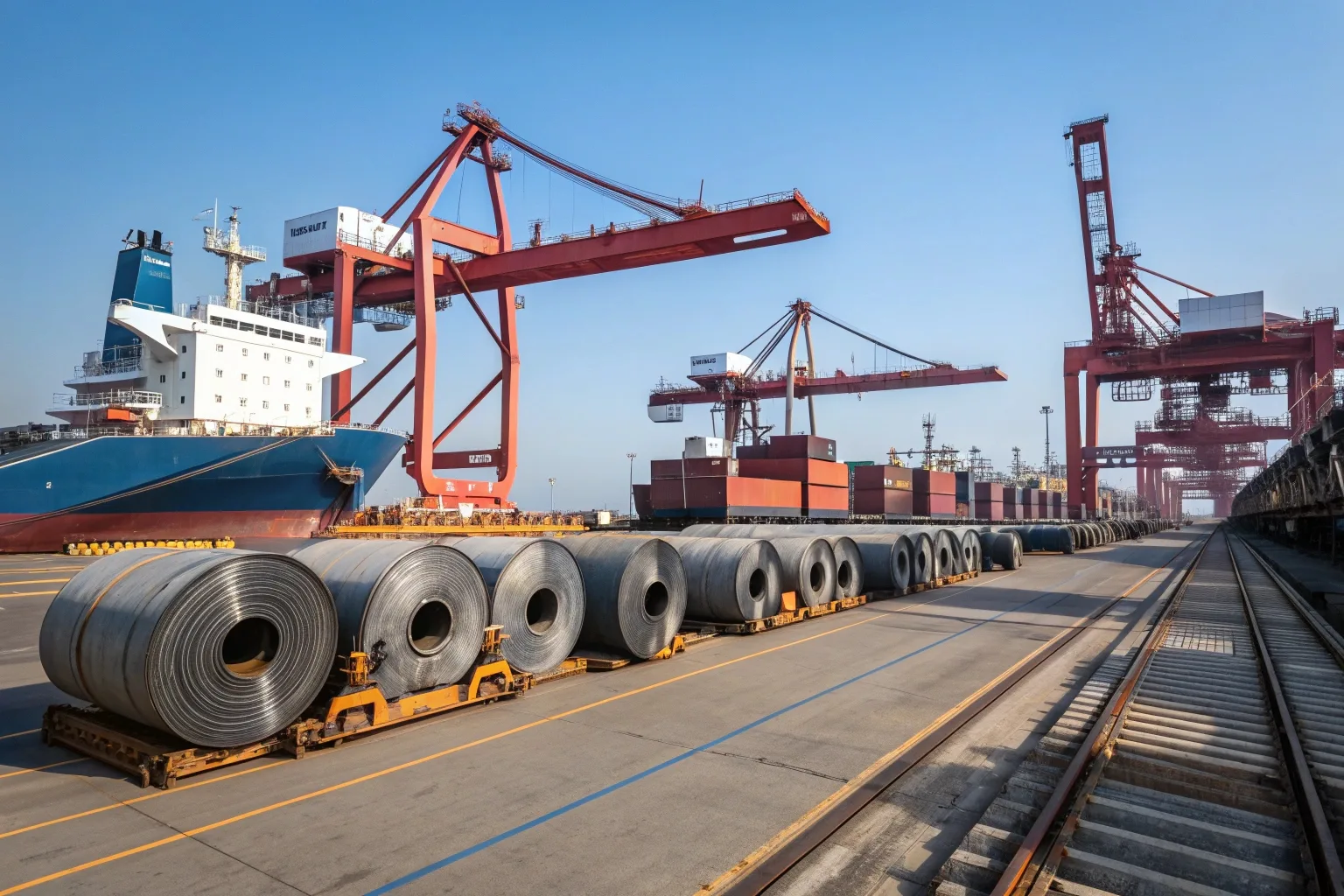
- Manage logistics risk: Freight and energy cost volatility can swing margins quickly — local warehousing or nearshoring options can reduce exposure.
Overall, while raw tonnage growth is modest, the value opportunity in sheets and roofing products — especially pre-finished and engineered systems — is significant for suppliers who position themselves with quality, service and regional market knowledge.
Conclusion
2025 marks a year of stabilization for global steel demand, but also of strategic opportunity for high-value roofing and flat-steel exporters. Those who invest in product differentiation, regional focus, and efficient logistics will capture the growth that remains available through 2030.