What Is the Global Demand Outlook for Steel Sheets and Roofing Products in 2025 and Beyond?

Global Demand Outlook for Steel Sheets and Roofing Products: 2025 and Beyond

Claim:
Although overall steel demand looks broadly flat in 2025, the outlook for flat steel (sheets & coils) and roofing products shows pockets of stronger growth — especially in emerging markets and in niche applications where metal roofing’s durability and low maintenance are valued.
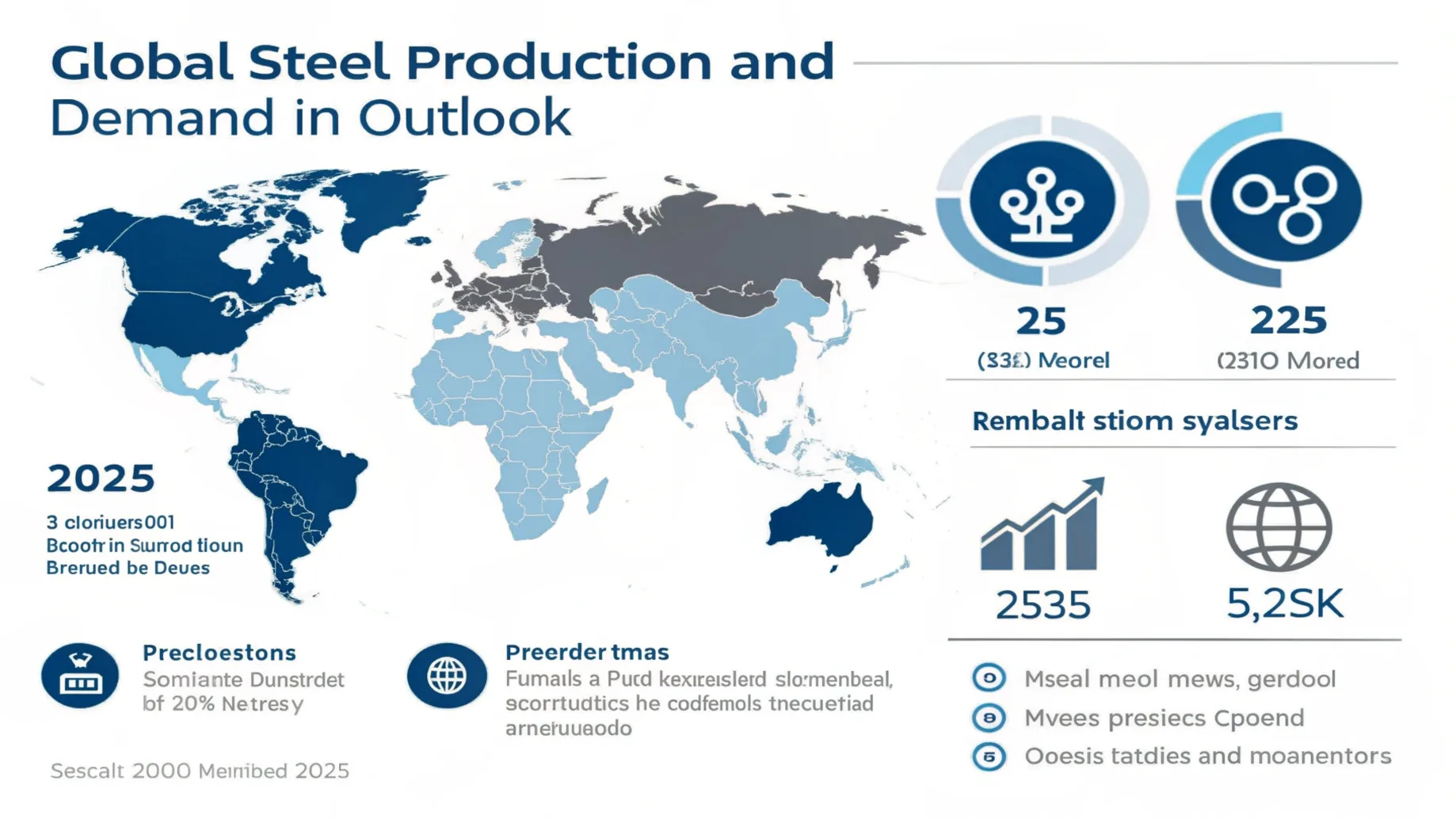
Global steel production and demand outlook 2025 infographic showing world regions and tonnage trends.
Global steel demand trends through 2025 and beyond — stable volume, regional divergence.

Table of Contents


2. Regional Insights: Asia-Pacific, Middle East, and Europe Demand Drivers
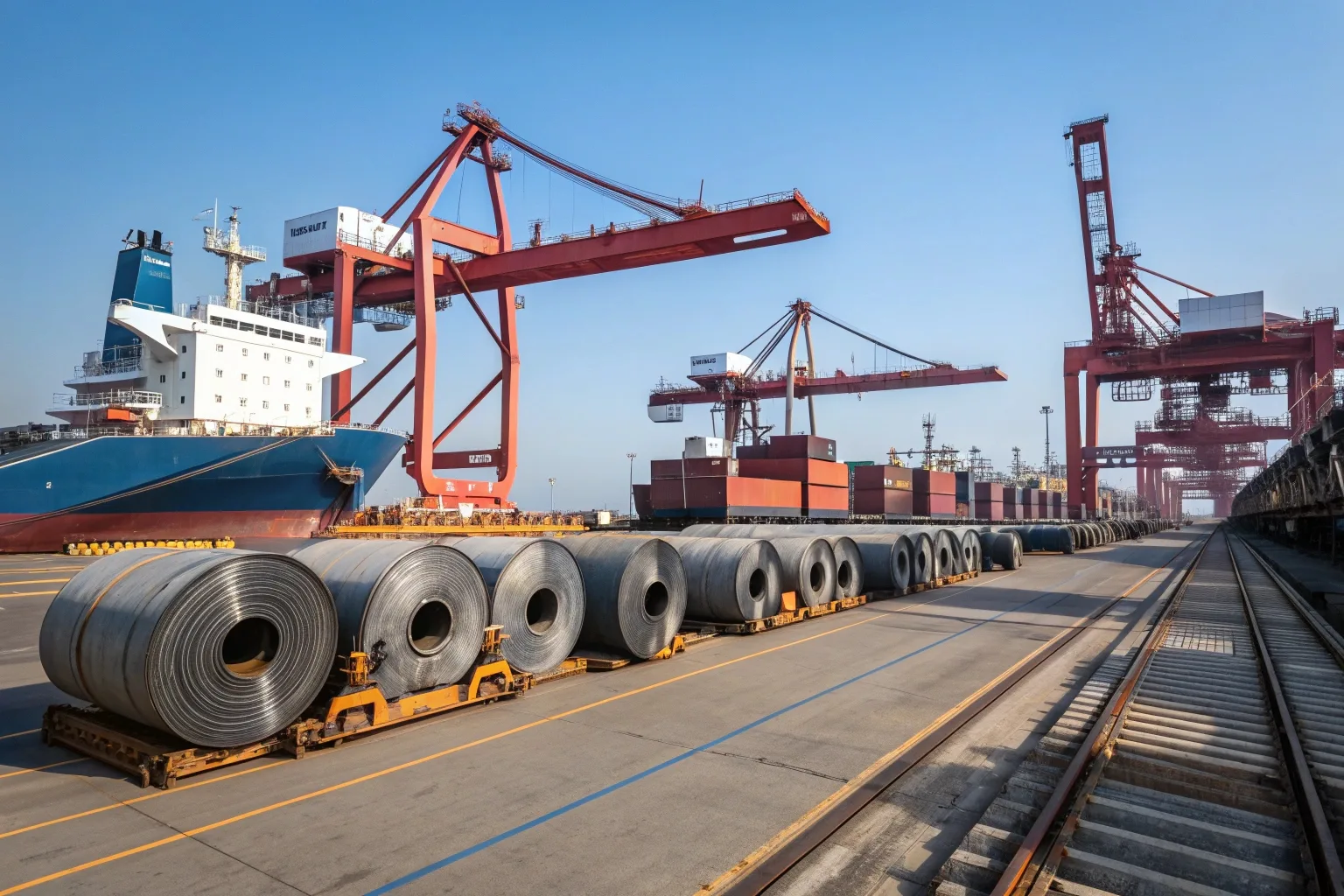
Busy container port in Asia with steel coils being loaded for export under blue sky.
Asia-Pacific trade and construction projects remain key demand drivers for steel sheets and roofing products.

Asia-Pacific remains the largest and most dynamic market for steel sheets and roofing. While China’s structural slowdown and weak property market are softening demand there, other markets in the region (notably India, Southeast Asia and parts of the Middle East) are growing faster and driving sheet demand for housing, warehouses and light industrial projects.

In the Middle East and parts of Africa, public infrastructure programs and energy-sector investment are supporting demand for metal roofing and cladding for industrial and commercial buildings. European demand is more muted, though select green-steel initiatives and energy-efficient building codes offer niche opportunities.


3. How Infrastructure Growth Shapes the Roofing Steel Market

Workers installing color-coated metal roofing sheets on a large industrial building under sunlight.
Metal roofing installation on industrial buildings — showcasing demand growth from infrastructure expansion.

Infrastructure spending — roads, logistics hubs, warehouses, and social housing — is a direct driver for demand in roofing and cladding products. In emerging markets, rapid urbanization and the shift to pre-engineered metal buildings favor steel roofing because of its speed of construction, durability and low maintenance.

Additionally, trends such as the expansion of cold-storage, warehouses for e-commerce, and industrial parks are raising demand for sheet materials that are easy to install and require minimal upkeep — all positives for metal roofing suppliers who can meet local specs and delivery timing.


4. Forecast 2025–2030: Emerging Opportunities for Exporters
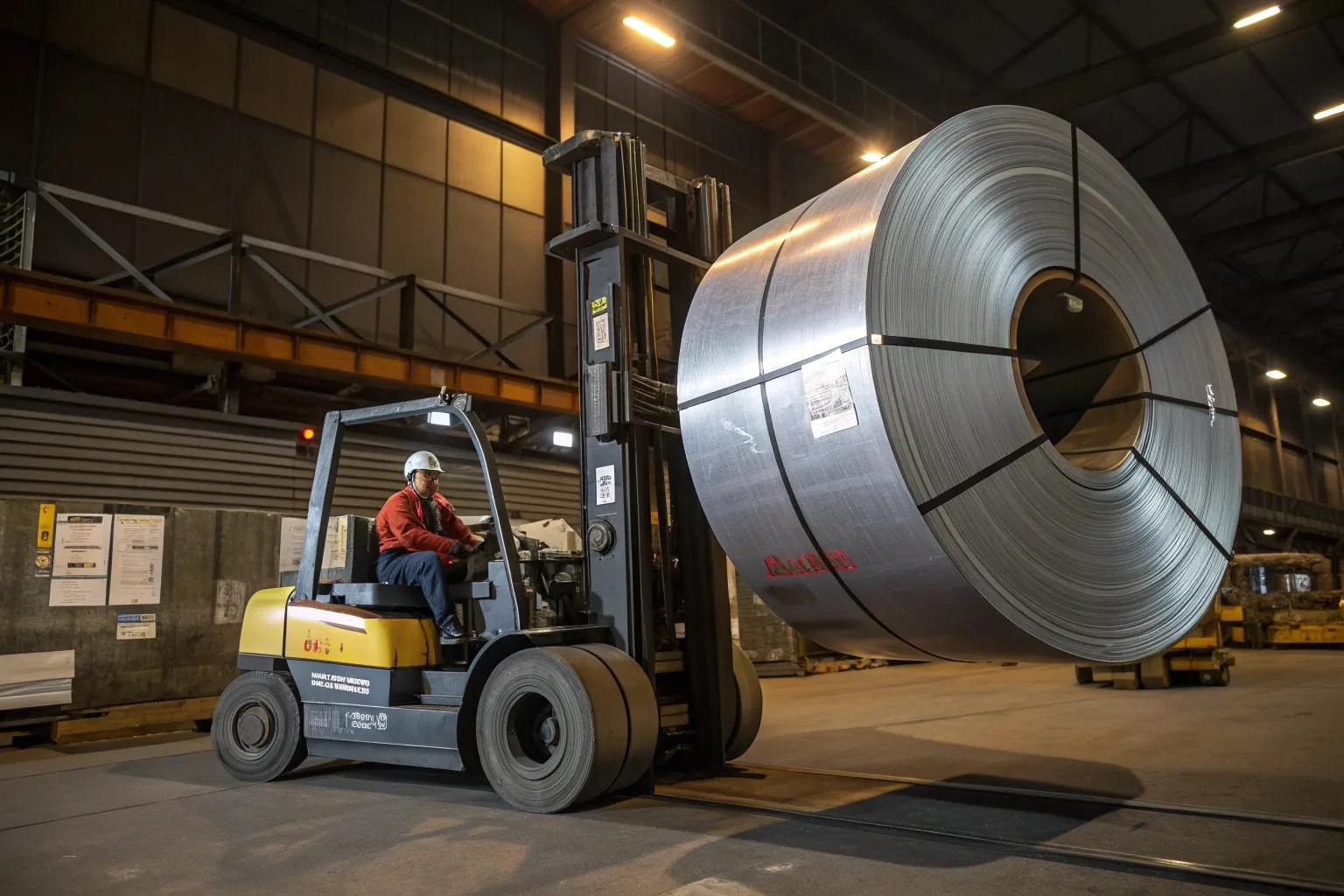
steel coils — symbolizing the growing trade opportunities for coated steel sheet exporters.
Forklift lifting a large steel coil by inserting fork arms into coil core inside export warehouse.
Export-ready steel coils being handled in warehouse — symbolizing exporter opportunities in high-value coated sheets.

From 2025 through 2030 the flat-steel market value is expected to grow at a stronger pace than total crude steel demand, with market reports projecting mid-single-digit CAGR for flat steel value (sheets, coils, plates) driven by product upgrades and rising unit values.

Key practical takeaways for exporters and traders:

  • Target growth markets: Focus on India, ASEAN, MENA and select African regions where construction and industrial projects are expanding.
  • Differentiation wins: Compete on coatings (Aluzinc, PVDF-coated sheets), service (short lead times, reliable QC) and niche products (insulated roofing panels, specialty profiles).
  • Watch capacity and pricing: New global capacity additions mean price cycles may remain subdued; maintain flexible sourcing and pricing strategy.
  • Manage logistics risk: Freight and energy cost volatility can swing margins quickly — local warehousing or nearshoring options can reduce exposure.

Overall, while raw tonnage growth is modest, the value opportunity in sheets and roofing products — especially pre-finished and engineered systems — is significant for suppliers who position themselves with quality, service and regional market knowledge.


Conclusion

2025 marks a year of stabilization for global steel demand, but also of strategic opportunity for high-value roofing and flat-steel exporters. Those who invest in product differentiation, regional focus, and efficient logistics will capture the growth that remains available through 2030.

Share :

X
Facebook
LinkedIn
Pinterest
WhatsApp

More Tips

How to Identify High-Quality Galvanized Steel Coils Before You Buy?

A modern steel factory showcasing neatly stacked galvanized steel coils ready for export. Galvanized steel coils are the backbone of countless industries — from roofing and construction to automotive manufacturing. But not all galvanized coils are made equal. A small difference in coating weight, substrate quality, or surface finish can significantly affect long-term performance and your customers’ satisfaction. In this article, we’ll break down what truly defines high-quality galvanized steel coils, how to verify them before purchase, and what practical steps buyers can take to avoid costly surprises. 1. Understanding the Core Quality Factors of Galvanized Steel Coils Close-up of galvanized steel surface showing the natural zinc spangle texture. At the heart of every reliable galvanized coil lies a combination of substrate quality, zinc coating, and surface treatment. The substrate (the base steel) determines the coil’s strength and formability. Grades such as DX51D, SGCC, and SGCH are widely recognized in

Read More »
Modern steel factory with Aluzinc steel coils stacked in warehouse.

Why Aluzinc (GL) Coils Are Gaining Popularity in Construction and Roofing?

Why Aluzinc (GL) Coils Are Gaining Popularity in Construction and Roofing Aluzinc (GL) steel coils stored in a modern factory, ready for export. In recent years, Aluzinc (GL) steel coils have become one of the most preferred materials for roofing, wall cladding, and industrial construction. Their growing popularity is not just a trend—it’s a reflection of real performance advantages over traditional galvanized steel. This article explores why more global buyers, engineers, and project contractors are switching to Aluzinc, and what makes it the smarter long-term investment for modern construction. Table of Contents 1. What Makes Aluzinc (GL) Steel Coils Different from Galvanized Coils 2. Advantages of Aluzinc Coatings in Harsh Environments 3. Applications in Modern Roofing and Structural Projects 4. Market Insights: Why Global Buyers Are Switching to GL Coils Claim Final Thoughts 1. What Makes Aluzinc (GL) Steel Coils Different from Galvanized Coils Comparison between galvanized (zinc-coated) and Aluzinc

Read More »

How Do You Choose the Right Finish for Color-Coated Steel Coils to Ensure Long-Term Performance?

How Do You Choose the Right Finish for Color-Coated Steel Coils to Ensure Long-Term Performance? Color-coated steel coils (also known as PPGI and PPGL) are widely used in construction, appliances, and industrial manufacturing. Choosing the right coating finish is crucial to ensure long-term durability, appearance, and protection against harsh environmental conditions. This guide explains how to choose the right finish to achieve long-lasting performance. Table of Contents 1. Introduction to Color-Coated (PPGI/PPGL) Steel Coils and Their Uses 2. Comparing Coating Systems: Polyester, SMP, PVDF, and More 3. Key Factors to Evaluate Before Selecting a Color Coating 4. How Proper Maintenance Extends the Lifespan of Color-Coated Coils 1. Introduction to Color-Coated (PPGI/PPGL) Steel Coils and Their Uses Color-coated steel coils are pre-painted galvanized (PPGI) or galvalume (PPGL) steel sheets that combine aesthetics with corrosion protection. They are widely applied in roofing systems, wall panels, home appliances, and decorative construction materials. These

Read More »
Panoramic view of steel coils and logistics trucks representing the roofing steel supply chain from mill to roof.

How does the supply chain of roofing steel sheets work, from mill to roof?

From Mill to Roof: Understanding the Roofing Steel Supply Chain Claim: The roofing steel sheet supply chain is a story of transformation — from raw material to a finished product protecting homes and buildings. Understanding how each step connects helps buyers, distributors, and contractors ensure quality, reliability, and timely delivery. Table of Contents 1. How Steel Sheets Are Produced from Raw Material to Finished Coil 2. Logistics and Quality Control in Steel Sheet Exportation 3. Common Challenges in the Roofing Steel Supply Chain 4. Building Reliable Partnerships Between Mills, Traders, and End Users A panoramic view of the roofing steel supply chain — from mill to logistics. 1. How Steel Sheets Are Produced from Raw Material to Finished Coil Hot rolled coils being processed in a modern steel mill. Every roofing sheet begins its journey deep inside a steel mill. Iron ore, scrap steel, zinc, and aluminum are melted and

Read More »
Trusted Steel Supplier

Build Stronger with Premium Steel Solutions

Explore our wide range of galvanized, galvalume, and color-coated steel products for your next project.

Get A Quick Price Today