What Is the Difference Between PPGI and PPGL?


Table of Contents


PPGI and PPGL are two widely used pre-painted steel coil types in international construction, roofing, and manufacturing sectors.
Although both belong to the “pre-painted steel” category, the coating composition and performance differ significantly,
leading to different applications and market suitability.

Performance Comparison: Durability, Color, and Corrosion Resistance
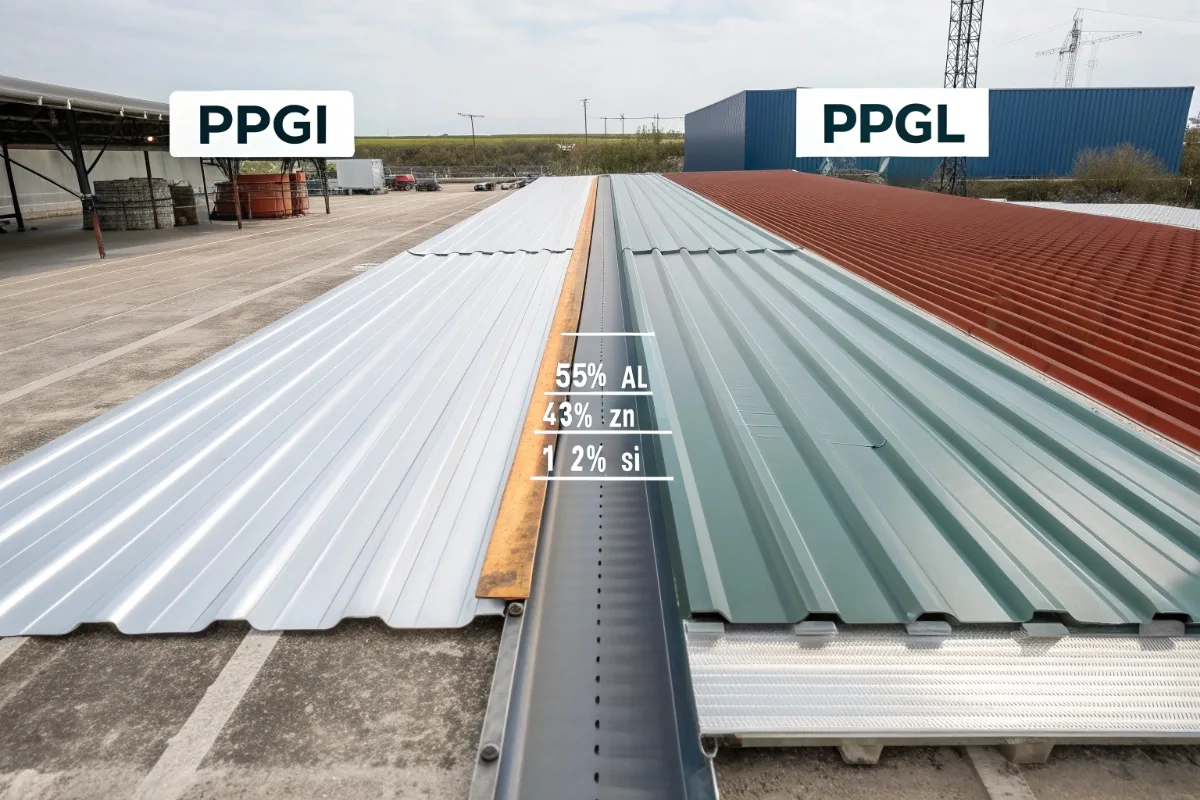


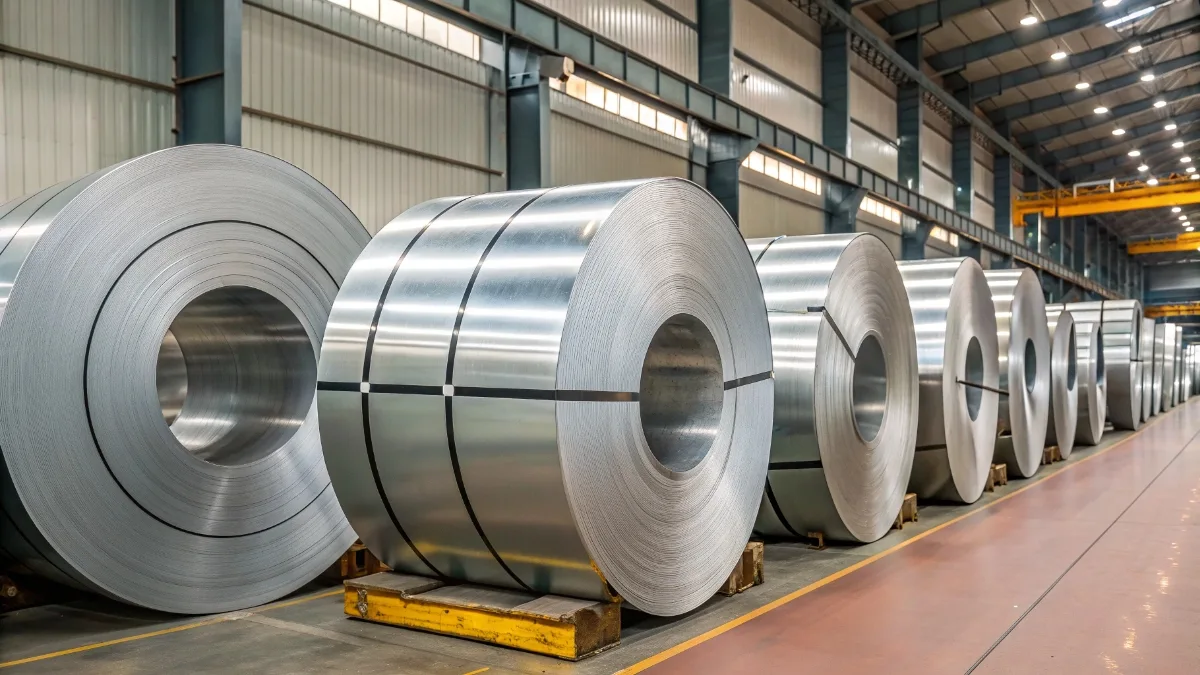
   Technical comparison of PPGI vs PPGL coating layers.

The primary difference between PPGI and PPGL lies in the metallic coating applied before the painting layer.
PPGI uses pure zinc coating, while PPGL applies a special aluminium-zinc alloy.
This alloy dramatically enhances corrosion resistance and heat reflectivity, making PPGL
more durable in harsh outdoor environments.

Best Applications for Each Coil Type
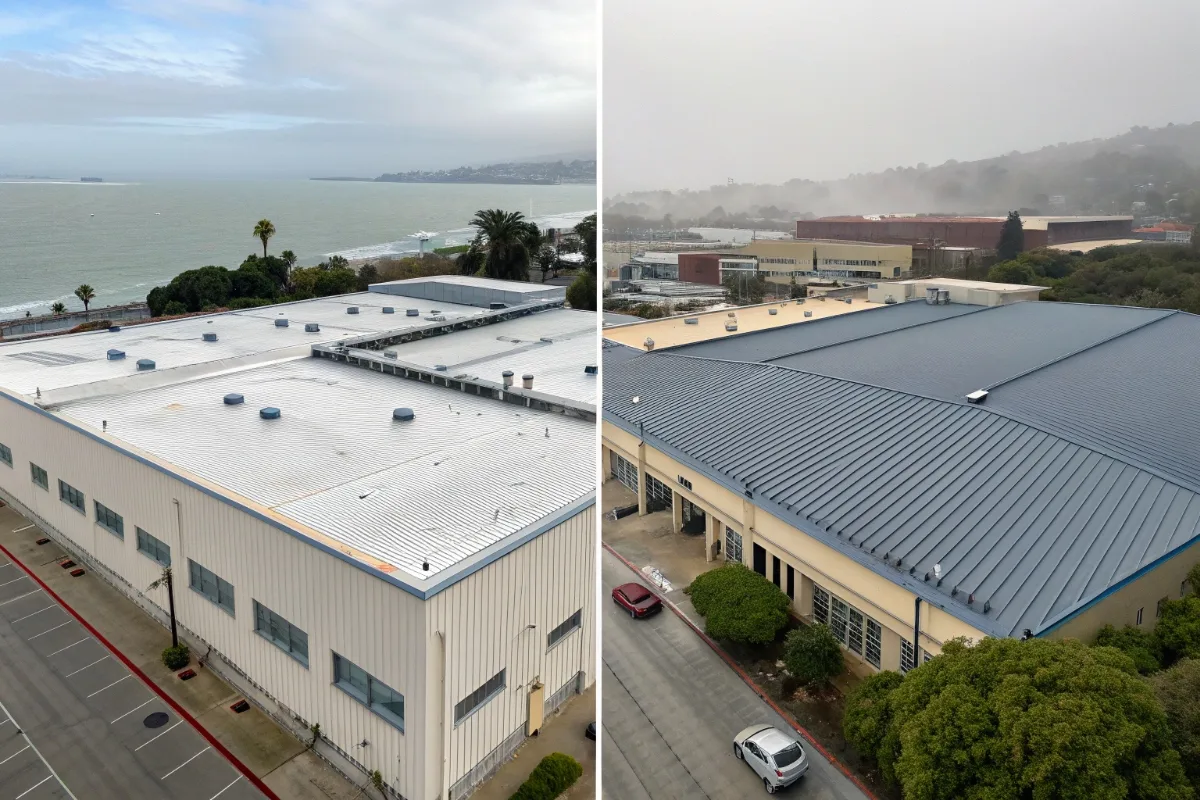


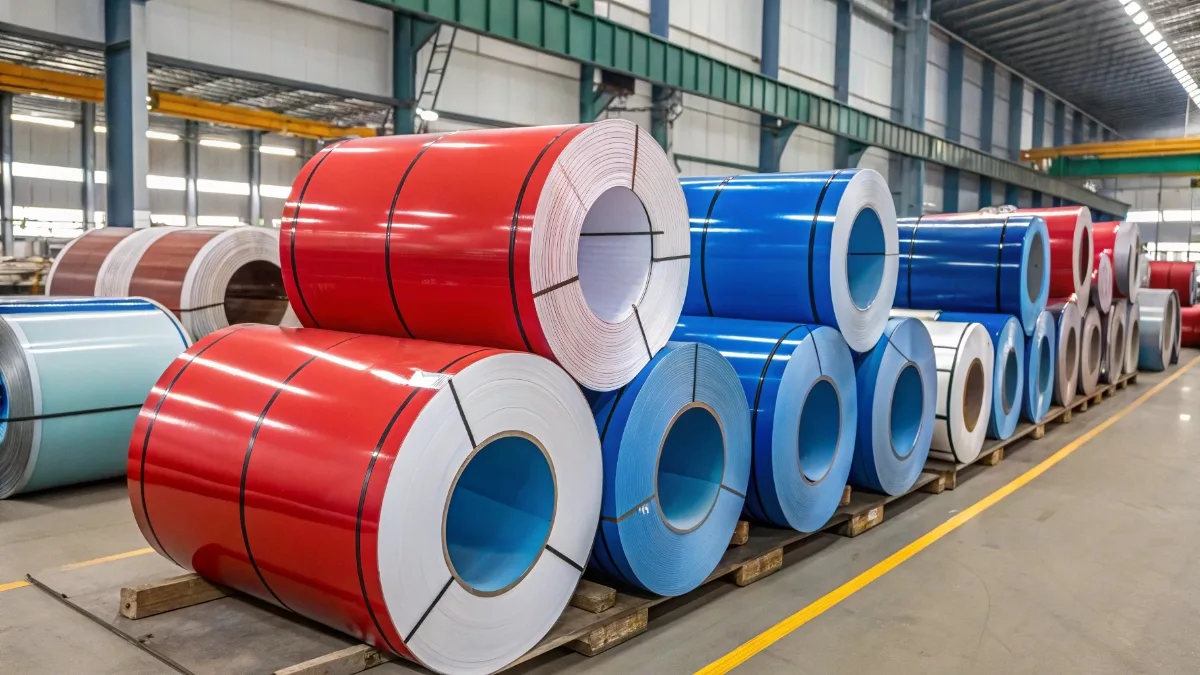
Environmental comparison: PPGI for mild climates, PPGL for coastal/high humidity regions.

PPGI is widely used where aesthetic color options matter and environmental exposure is moderate.
This includes architectural facades, interior panels, and cost-sensitive roofing.
PPGL, meanwhile, is preferred for coastal, humid, industrial, or chemical-exposed regions due to its superior corrosion resistance and long service life.

How to Choose the Right Product for Your Target Market
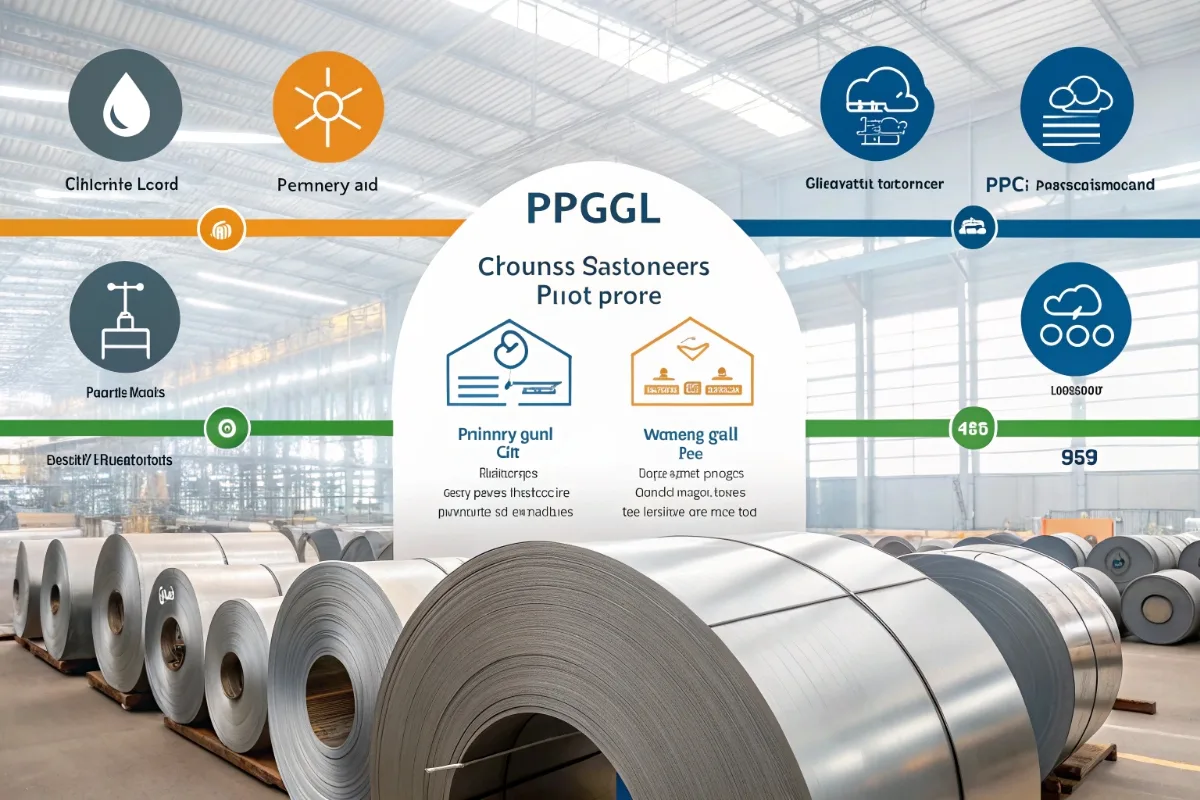


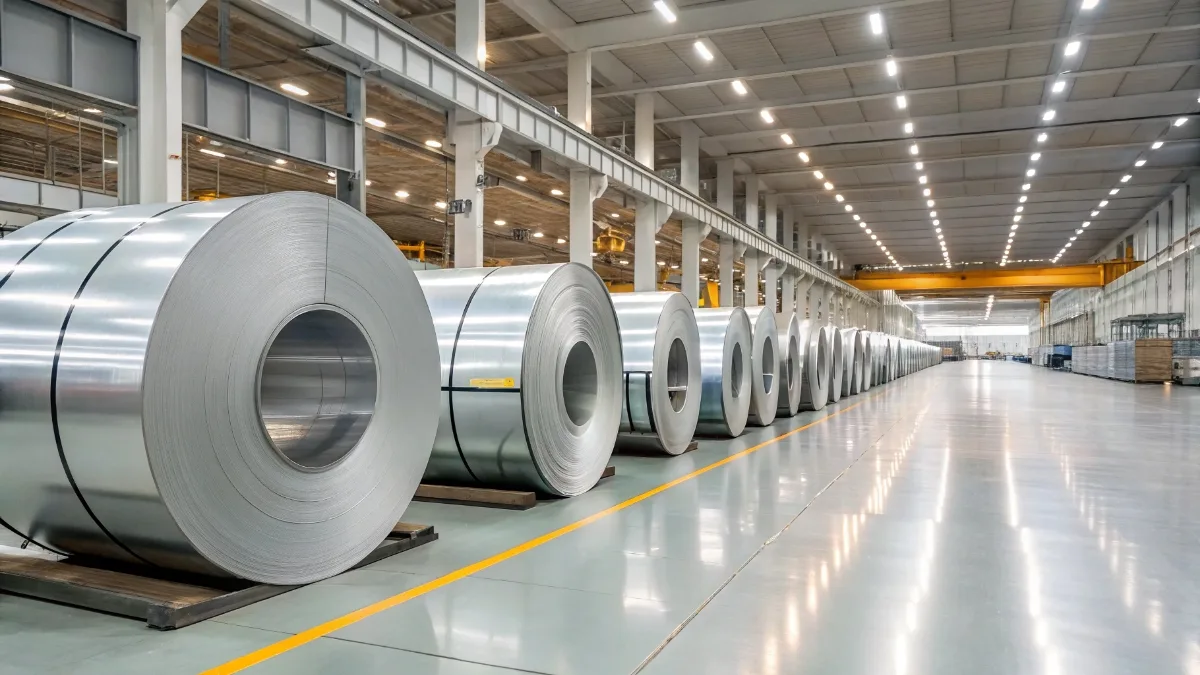
Decision flowchart: How buyers should choose between PPGI and PPGL.

For exporters, selecting the right product depends on climate, expected lifespan, maintenance cycles, and budget levels in your target market.
PPGL generally offers superior lifecycle value for tropical, coastal, and industrial regions, while PPGI remains a cost-effective option for temperate climates or interior applications.


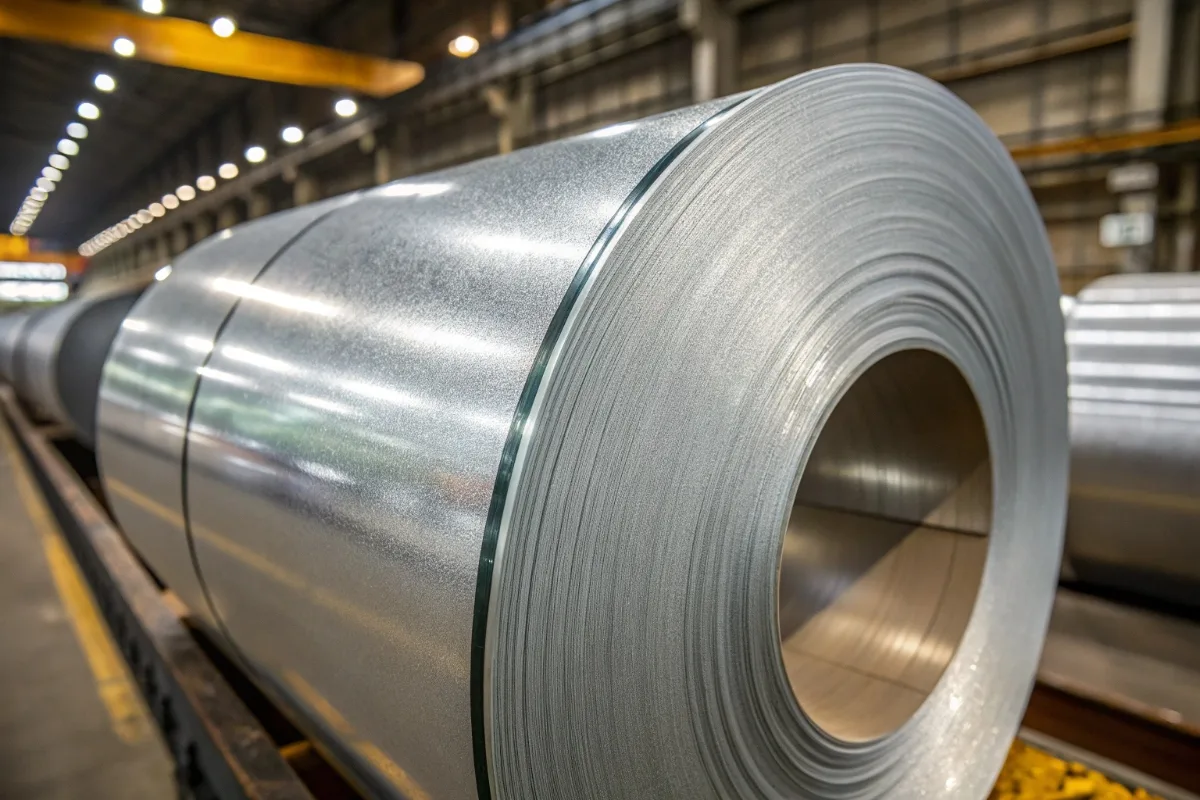
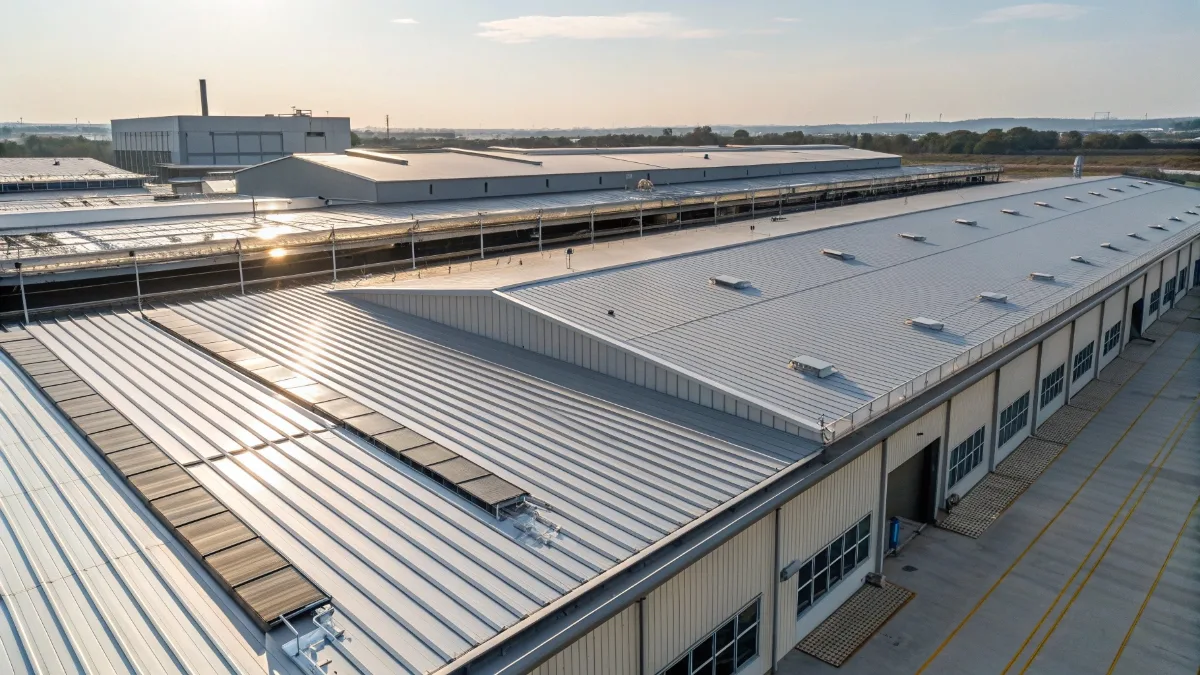
Macro detail of PPGL aluminium-zinc alloy crystallization pattern.

This unique alloy pattern is part of what gives PPGL its exceptional corrosion and heat resistance.
Understanding coating characteristics helps international buyers evaluate which coil type aligns with local climate conditions and long-term performance expectations.


Conclusion:
PPGI offers affordability and aesthetic versatility, while PPGL provides superior durability and weather resistance.
Exporters should align product recommendations with regional climate conditions, buyer budgets, and project lifespan requirements for optimal results.
 

Share :

X
Facebook
LinkedIn
Pinterest
WhatsApp

More Tips

Steel roofing sheets installed on industrial buildings showing strength and durability

How Does Steel Sheet Thickness Impact Roofing Durability and Project Costs?

How Steel Sheet Thickness Impacts Roofing Durability and Project Cost Steel sheet thickness is one of the most influential factors in metal roofing performance. It directly affects structural strength, resistance to environmental loads, service life, and the total cost of a roofing project. Selecting the appropriate thickness is not simply about choosing the thickest material available—it requires balancing durability, structural requirements, installation conditions, and budget constraints. Table of Contents The Role of Steel Sheet Thickness in Roofing Strength How to Choose the Ideal Thickness for Your Project Balancing Cost and Durability Real-World Examples: Thin vs. Thick Steel Roofing Conclusion The Role of Steel Sheet Thickness in Roofing Strength Thicker steel sheets provide greater rigidity and resistance to wind and impact loads. Thicker steel sheets offer higher structural strength, improving resistance to wind uplift, impact loads, and foot traffic during installation and maintenance. Increased thickness reduces the risk of denting and

Read More »
Steel coils stored in factory warehouse ready for pre-shipment surface inspection

How Can Buyers Inspect Steel Coil Surface Quality Before Shipment? What Should a Proper Checklist Include?

How to Inspect Steel Coil Surface Quality Before Shipment: A Buyer’s Checklist Before steel coils are shipped overseas, surface quality inspection plays a critical role in preventing disputes, claims, and downstream processing issues. For buyers, especially importers and distributors, surface defects that go unnoticed before shipment can quickly translate into financial loss, project delays, or customer dissatisfaction. Why Surface Quality Inspection Matters Before Shipping Surface condition is often the first indicator of overall manufacturing quality and process control. Even when mechanical properties meet specification, surface defects such as scratches, dents, coating discontinuities, or corrosion spots can significantly reduce the usable value of a steel coil. Because most surface-related claims arise after unloading or processing, conducting a systematic inspection before shipment helps buyers identify issues early and establish clear quality documentation. Visual inspection under proper lighting helps identify surface defects before coils are packed for export. Key Visual and Dimensional Inspection

Read More »
Trusted Steel Supplier

Build Stronger with Premium Steel Solutions

Explore our wide range of galvanized, galvalume, and color-coated steel products for your next project.

Get A Quick Price Today