
What Is the Difference Between PPGI and PPGL?


Table of Contents


PPGI and PPGL are two widely used pre-painted steel coil types in international construction, roofing, and manufacturing sectors.
Although both belong to the “pre-painted steel” category, the coating composition and performance differ significantly,
leading to different applications and market suitability.

Performance Comparison: Durability, Color, and Corrosion Resistance
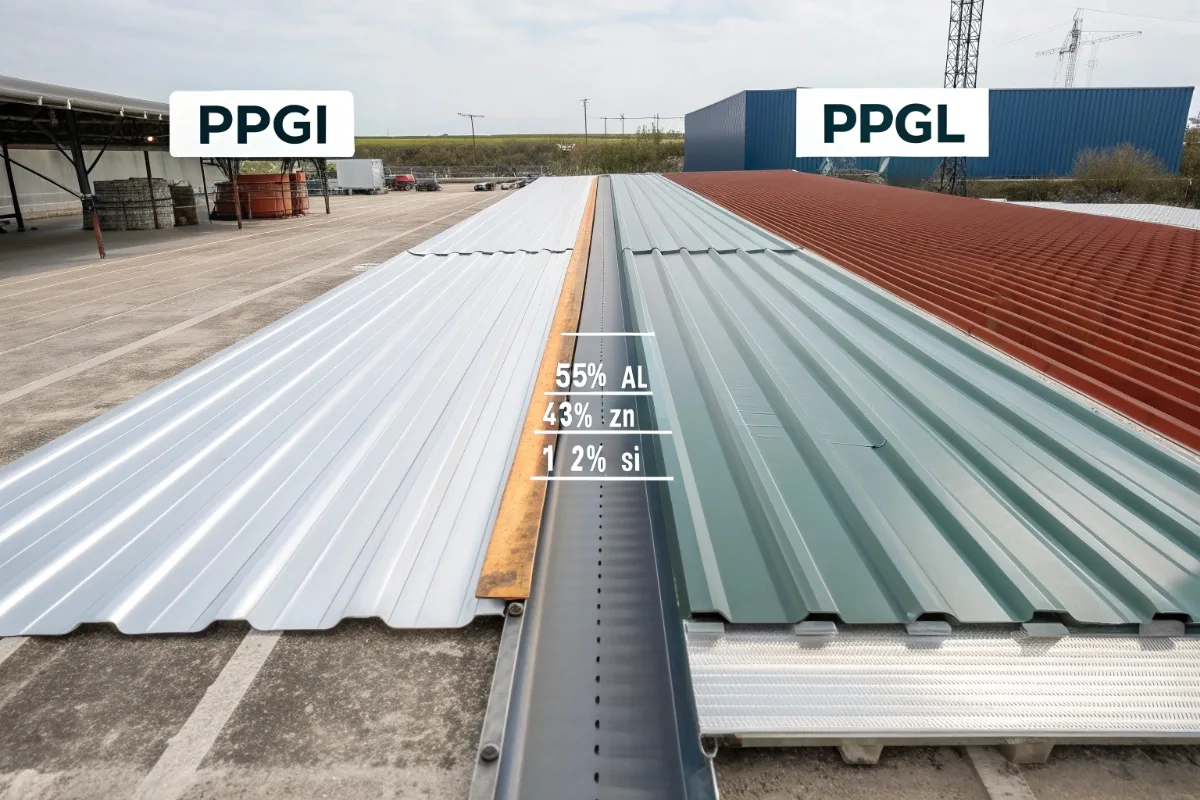


   Technical comparison of PPGI vs PPGL coating layers.

The primary difference between PPGI and PPGL lies in the metallic coating applied before the painting layer.
PPGI uses pure zinc coating, while PPGL applies a special aluminium-zinc alloy.
This alloy dramatically enhances corrosion resistance and heat reflectivity, making PPGL
more durable in harsh outdoor environments.

Best Applications for Each Coil Type
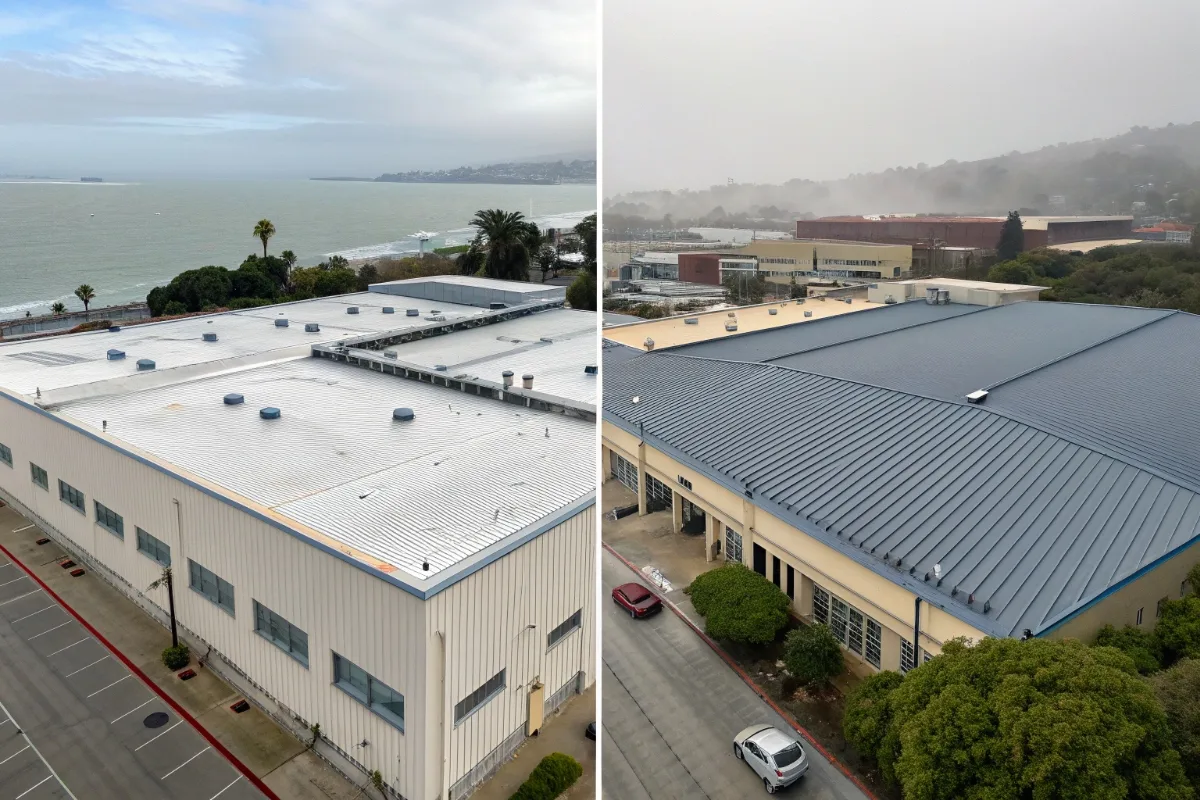


Environmental comparison: PPGI for mild climates, PPGL for coastal/high humidity regions.

PPGI is widely used where aesthetic color options matter and environmental exposure is moderate.
This includes architectural facades, interior panels, and cost-sensitive roofing.
PPGL, meanwhile, is preferred for coastal, humid, industrial, or chemical-exposed regions due to its superior corrosion resistance and long service life.

How to Choose the Right Product for Your Target Market


Decision flowchart: How buyers should choose between PPGI and PPGL.

For exporters, selecting the right product depends on climate, expected lifespan, maintenance cycles, and budget levels in your target market.
PPGL generally offers superior lifecycle value for tropical, coastal, and industrial regions, while PPGI remains a cost-effective option for temperate climates or interior applications.


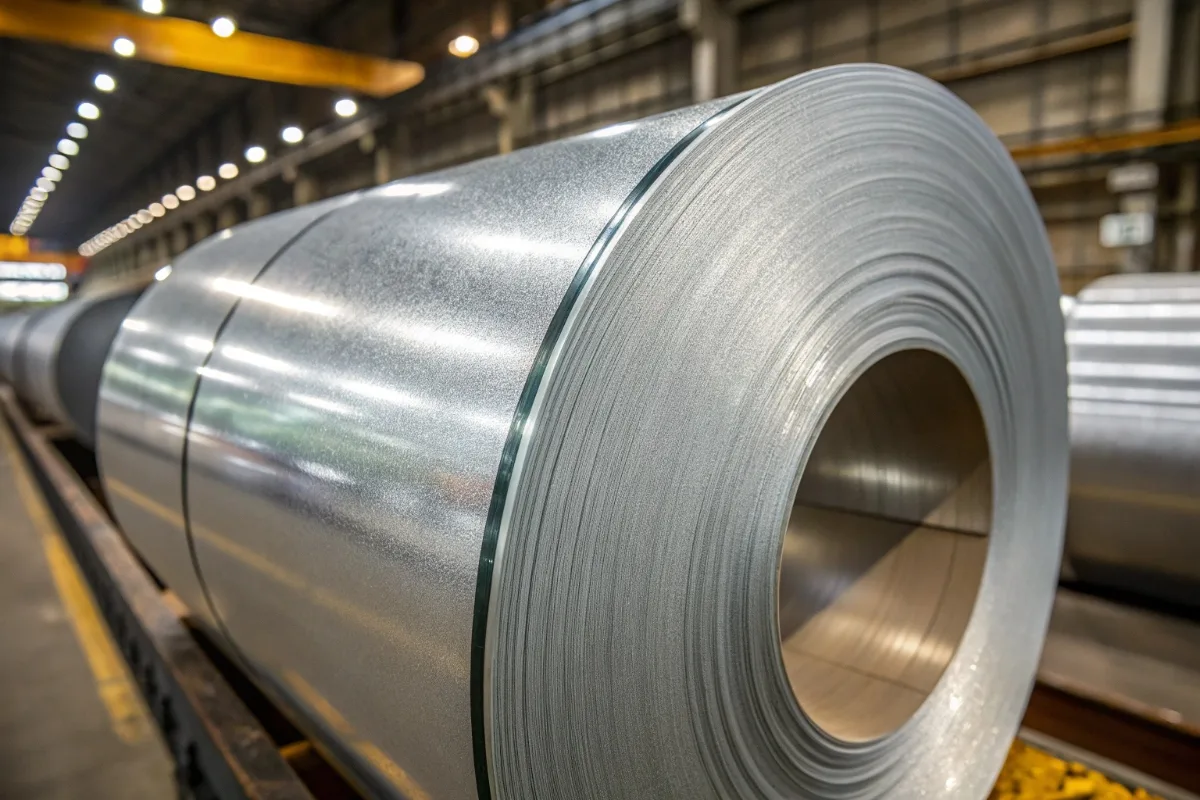
Macro detail of PPGL aluminium-zinc alloy crystallization pattern.

This unique alloy pattern is part of what gives PPGL its exceptional corrosion and heat resistance.
Understanding coating characteristics helps international buyers evaluate which coil type aligns with local climate conditions and long-term performance expectations.


Conclusion:
PPGI offers affordability and aesthetic versatility, while PPGL provides superior durability and weather resistance.
Exporters should align product recommendations with regional climate conditions, buyer budgets, and project lifespan requirements for optimal results.


Share :

X
Facebook
LinkedIn
Pinterest
WhatsApp

More Tips

How to Identify High-Quality Galvanized Steel Coils Before You Buy?

A modern steel factory showcasing neatly stacked galvanized steel coils ready for export. Galvanized steel coils are the backbone of countless industries — from roofing and construction to automotive manufacturing. But not all galvanized coils are made equal. A small difference in coating weight, substrate quality, or surface finish can significantly affect long-term performance and your customers’ satisfaction. In this article, we’ll break down what truly defines high-quality galvanized steel coils, how to verify them before purchase, and what practical steps buyers can take to avoid costly surprises. 1. Understanding the Core Quality Factors of Galvanized Steel Coils Close-up of galvanized steel surface showing the natural zinc spangle texture. At the heart of every reliable galvanized coil lies a combination of substrate quality, zinc coating, and surface treatment. The substrate (the base steel) determines the coil’s strength and formability. Grades such as DX51D, SGCC, and SGCH are widely recognized in

Read More »
Modern steel factory with Aluzinc steel coils stacked in warehouse.

Why Aluzinc (GL) Coils Are Gaining Popularity in Construction and Roofing?

Why Aluzinc (GL) Coils Are Gaining Popularity in Construction and Roofing Aluzinc (GL) steel coils stored in a modern factory, ready for export. In recent years, Aluzinc (GL) steel coils have become one of the most preferred materials for roofing, wall cladding, and industrial construction. Their growing popularity is not just a trend—it’s a reflection of real performance advantages over traditional galvanized steel. This article explores why more global buyers, engineers, and project contractors are switching to Aluzinc, and what makes it the smarter long-term investment for modern construction. Table of Contents 1. What Makes Aluzinc (GL) Steel Coils Different from Galvanized Coils 2. Advantages of Aluzinc Coatings in Harsh Environments 3. Applications in Modern Roofing and Structural Projects 4. Market Insights: Why Global Buyers Are Switching to GL Coils Claim Final Thoughts 1. What Makes Aluzinc (GL) Steel Coils Different from Galvanized Coils Comparison between galvanized (zinc-coated) and Aluzinc

Read More »

How Do You Choose the Right Finish for Color-Coated Steel Coils to Ensure Long-Term Performance?

How Do You Choose the Right Finish for Color-Coated Steel Coils to Ensure Long-Term Performance? Color-coated steel coils (also known as PPGI and PPGL) are widely used in construction, appliances, and industrial manufacturing. Choosing the right coating finish is crucial to ensure long-term durability, appearance, and protection against harsh environmental conditions. This guide explains how to choose the right finish to achieve long-lasting performance. Table of Contents 1. Introduction to Color-Coated (PPGI/PPGL) Steel Coils and Their Uses 2. Comparing Coating Systems: Polyester, SMP, PVDF, and More 3. Key Factors to Evaluate Before Selecting a Color Coating 4. How Proper Maintenance Extends the Lifespan of Color-Coated Coils 1. Introduction to Color-Coated (PPGI/PPGL) Steel Coils and Their Uses Color-coated steel coils are pre-painted galvanized (PPGI) or galvalume (PPGL) steel sheets that combine aesthetics with corrosion protection. They are widely applied in roofing systems, wall panels, home appliances, and decorative construction materials. These

Read More »
Panoramic view of steel coils and logistics trucks representing the roofing steel supply chain from mill to roof.

How does the supply chain of roofing steel sheets work, from mill to roof?

From Mill to Roof: Understanding the Roofing Steel Supply Chain Claim: The roofing steel sheet supply chain is a story of transformation — from raw material to a finished product protecting homes and buildings. Understanding how each step connects helps buyers, distributors, and contractors ensure quality, reliability, and timely delivery. Table of Contents 1. How Steel Sheets Are Produced from Raw Material to Finished Coil 2. Logistics and Quality Control in Steel Sheet Exportation 3. Common Challenges in the Roofing Steel Supply Chain 4. Building Reliable Partnerships Between Mills, Traders, and End Users A panoramic view of the roofing steel supply chain — from mill to logistics. 1. How Steel Sheets Are Produced from Raw Material to Finished Coil Hot rolled coils being processed in a modern steel mill. Every roofing sheet begins its journey deep inside a steel mill. Iron ore, scrap steel, zinc, and aluminum are melted and

Read More »
Trusted Steel Supplier

Build Stronger with Premium Steel Solutions

Explore our wide range of galvanized, galvalume, and color-coated steel products for your next project.

Get A Quick Price Today