
Diagram comparing ASTM, EN, and JIS steel coil standards

What Are the Top 5 International Quality Standards Every Steel Coil Exporter Should Follow?

Top 5 International Quality Standards Every Steel Coil Exporter Should Follow

Claim

To compete in the global steel market, exporters must ensure that every steel coil meets
internationally recognized standards such as ASTM, EN, JIS, ISO, and SGS Certification.
These standards not only define product quality but also build credibility and trust with overseas buyers.

Table of Contents

  1. Understanding Global Steel Coil Standards (ASTM, EN, JIS)
  2. Why Certification Matters for International Trade
  3. Common Testing Methods for Steel Coil Quality
  4. How to Ensure Compliance and Build Buyer Trust
  5. Conclusion

Understanding Global Steel Coil Standards (ASTM, EN, JIS)

Global buyers expect steel coils that meet unified performance benchmarks.
The three most widely used international standards include:

  • ASTM (American Society for Testing and Materials): Sets technical standards for chemical composition, tensile strength, yield, and coating thickness—essential for buyers in the US and Latin America.
  • EN (European Norm): Defines structural and surface requirements for steel sheets and coils in the EU. Common grades include EN 10346 for galvanized and EN 10169 for color-coated coils.
  • JIS (Japanese Industrial Standards): Known for precision and quality consistency, JIS G3302 and JIS G3321 are often specified for Asian and Middle Eastern buyers.
   Diagram comparing ASTM, EN, and JIS steel coil standards
Comparison of international steel coil standards: ASTM, EN, and JIS

Why Certification Matters for International Trade

Certification is more than paperwork—it proves credibility and ensures compliance with buyer expectations.
Exporters who provide verified test reports (such as SGS or BV certification) significantly reduce buyer risk.
Certified products are easier to clear customs, attract premium buyers, and maintain long-term partnerships.

Quality certification also helps manufacturers position themselves as trustworthy suppliers in competitive
markets such as the Middle East, Africa, and Southeast Asia.
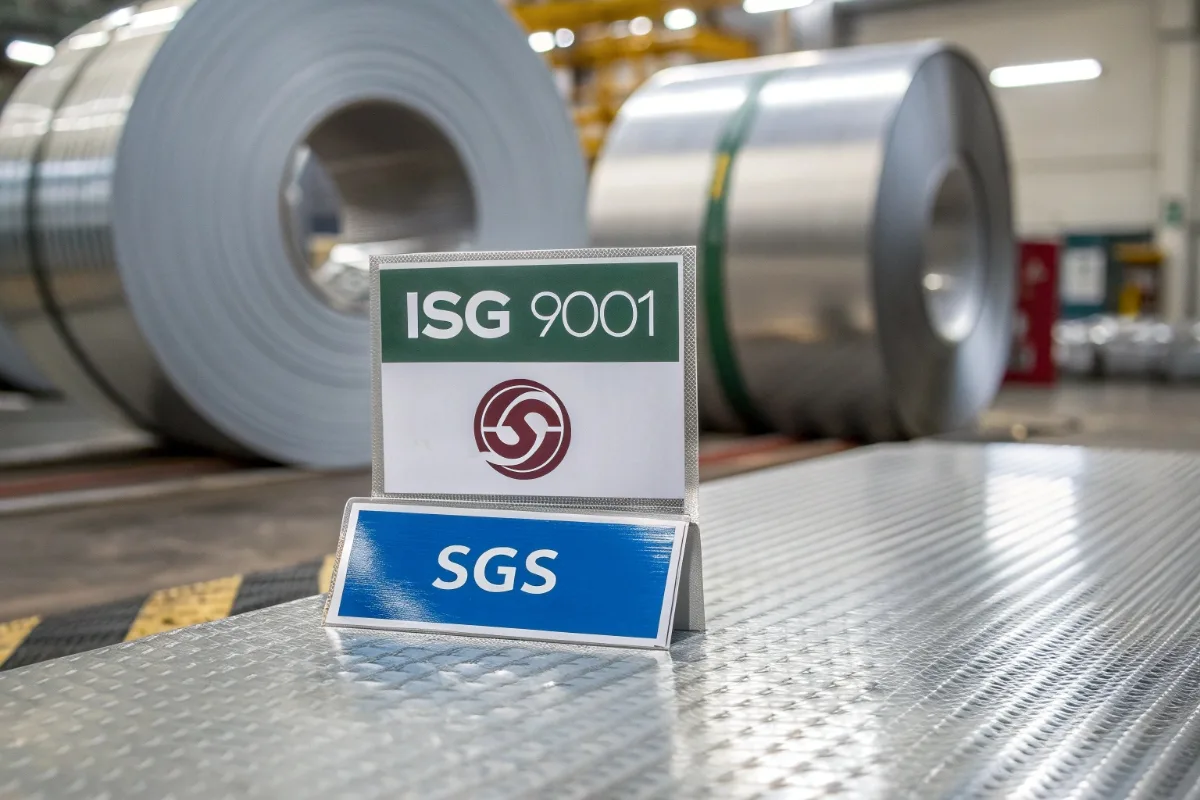
SGS and ISO certification documents for steel coils
ISO and SGS certifications build buyer confidence in international steel trade.

Common Testing Methods for Steel Coil Quality

Before shipment, exporters must ensure that steel coils pass standard tests such as:

  • Tensile & Yield Strength Test: Confirms that mechanical performance meets required strength levels.
  • Coating Thickness Test: Ensures uniform zinc or alu-zinc coating across the surface for corrosion resistance.
  • Salt Spray Test: Simulates long-term exposure to humid or coastal environments to check corrosion durability.
  • Adhesion & Bend Tests: Evaluate coating flexibility during forming or bending operations.
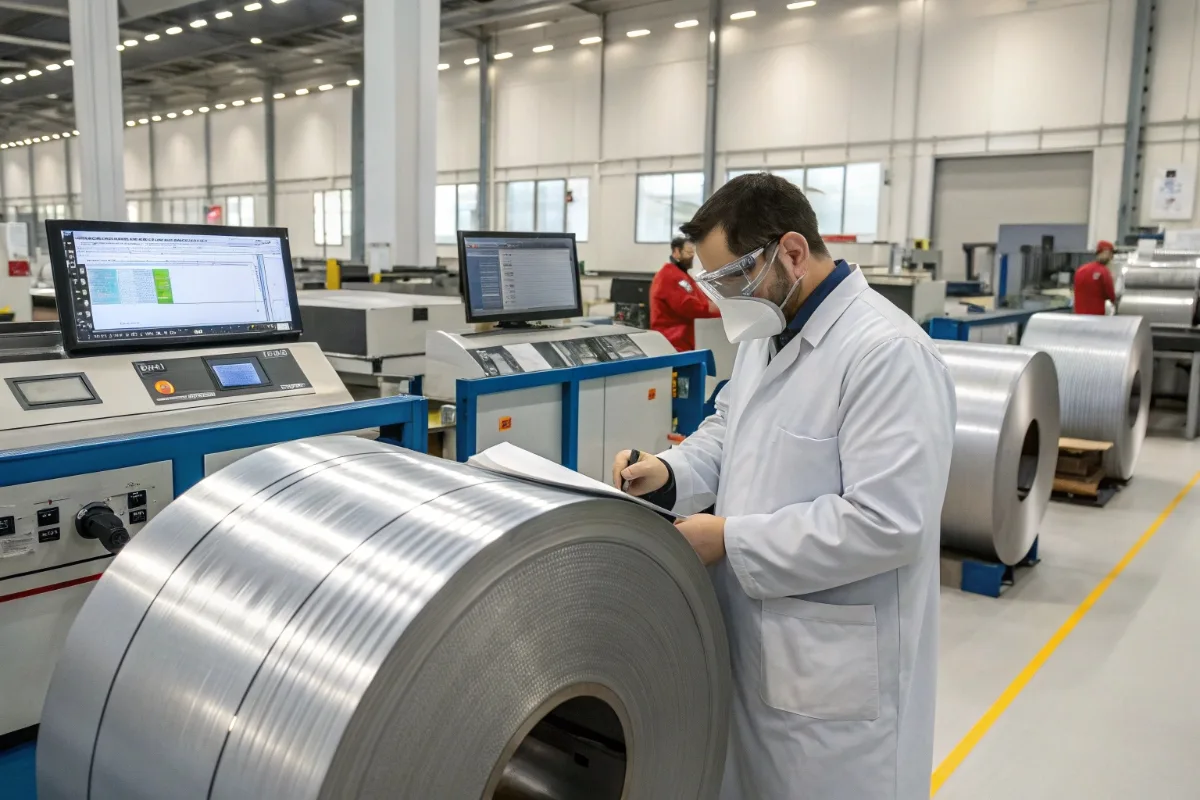
Inspector checking steel coils before export shipment
Quality testing ensures that each coil meets the specified mechanical and coating standards.

How to Ensure Compliance and Build Buyer Trust

Consistency and transparency are the cornerstones of trust in the steel business.
Exporters should maintain complete production traceability—from raw material sourcing to final inspection.

Practical steps include:

  • Regular internal audits aligned with ISO 9001 and ISO 14001 standards.
  • Maintaining detailed mill test certificates (MTC) with each shipment.
  • Partnering with third-party inspectors like SGS, TUV, or BV before loading.
  • Documenting every batch’s mechanical test and coating verification results.
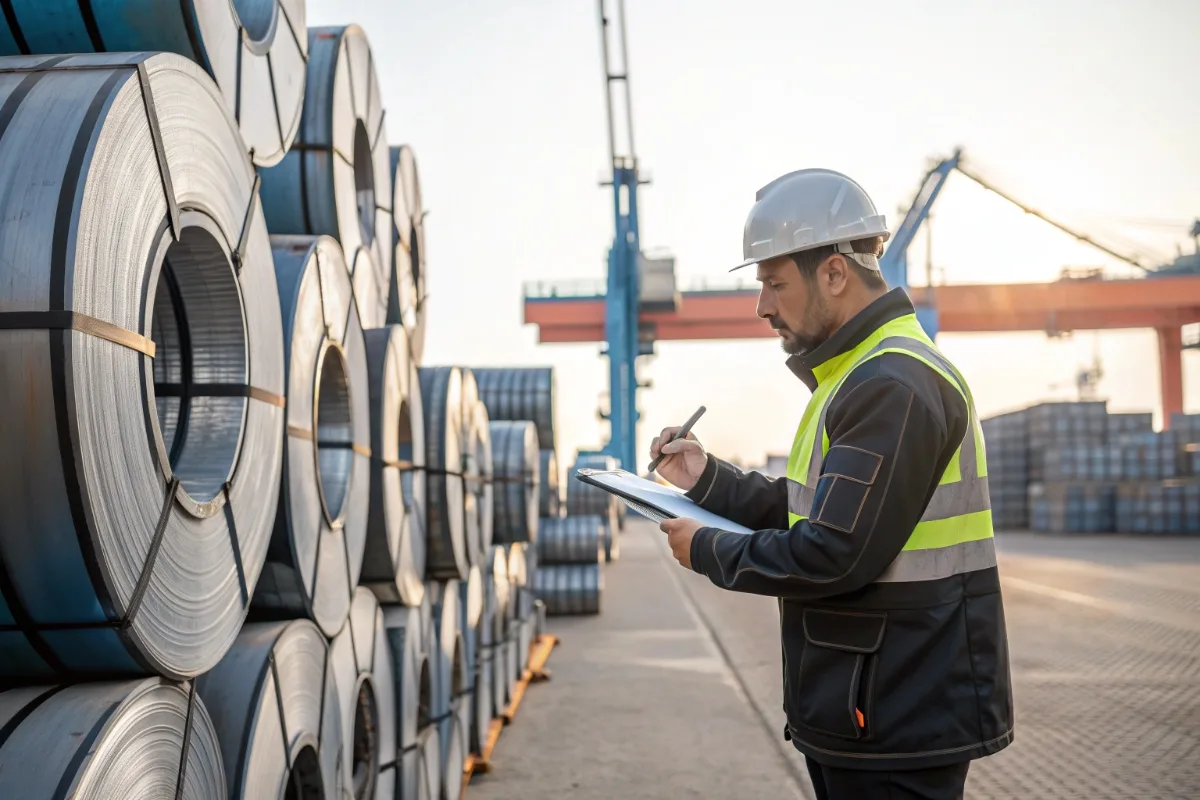
Engineer performing tensile test on galvanized steel coil sample
Pre-shipment inspection ensures compliance and strengthens buyer confidence.

Conclusion

The most successful steel coil exporters don’t just focus on price—they build reputations for consistency and reliability.
By adhering to the top five global standards (ASTM, EN, JIS, ISO, SGS), manufacturers can expand market access, avoid quality disputes,
and position themselves as premium suppliers in international trade.
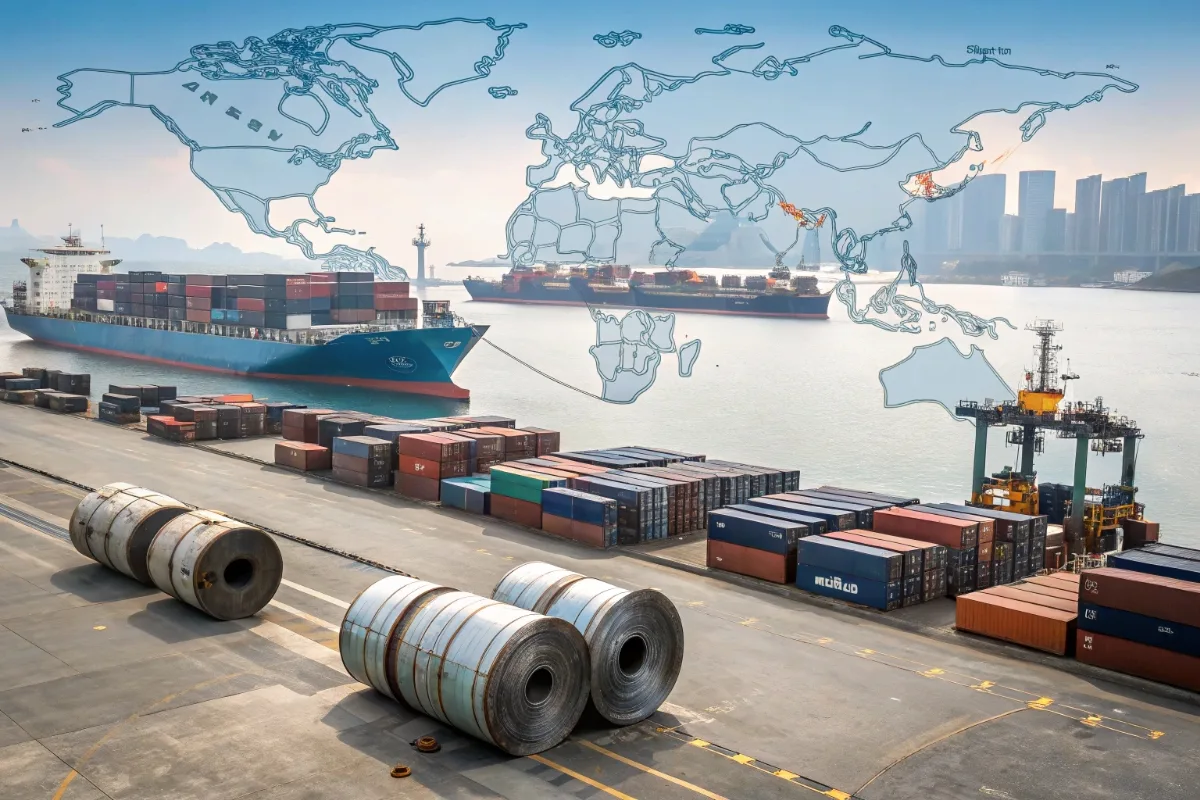
Global export of steel coils across major regions
Global compliance and certification standards help steel exporters compete worldwide.

Share :

X
Facebook
LinkedIn
Pinterest
WhatsApp

More Tips

How Can Zinc and Aluminum-Zinc Coatings Maximize Corrosion Resistance in Steel?

Maximizing Corrosion Resistance: A Deep Dive into Zinc and Aluminum-Zinc Coatings Claim: Zinc and aluminum-zinc coatings don’t just cover steel — they extend its life. With the right coating type, thickness, and detailing, you can dramatically reduce corrosion risk and lower lifetime costs. Table of Contents 1. Why Corrosion Protection Is Critical in Steel Applications 2. The Science Behind Zinc vs. Alu-Zinc Coating Systems 3. Real-World Performance: How Coating Thickness Affects Durability 4. Choosing the Right Coating Type for Your Climate and Budget Conclusion Main comparison: zinc-coated (galvanized) vs aluminum-zinc (Aluzinc) coated steel coils. 1. Why Corrosion Protection Is Critical in Steel Applications Think of steel as the backbone of a building or structure — but left unprotected, it will rust, weaken, and fail. Corrosion is often invisible at first, but over months and years it eats away at strength, increases maintenance costs, and shortens warranties. Protective metallic coatings (like

Read More »
Custom steel coil production line showing precision rolling and variable coil thickness.

How do custom thickness and width in steel coils help cut costs for buyers?

How Do Custom Thickness and Width in Steel Coils Help Cut Costs for Buyers? Claim: Customizing the thickness and width of steel coils allows buyers to optimize material usage, reduce waste, and achieve measurable cost savings throughout the production and logistics process. Table of Contents 1. Why Coil Thickness and Width Matter in Industrial Projects 2. How Customized Specifications Improve Material Utilization 3. Cost Optimization Through Precision Rolling and Cutting 4. Partnering with Suppliers for Made-to-Order Steel Coil Solutions 5. Conclusion Precision control in coil rolling helps optimize thickness and reduce waste. 1. Why Coil Thickness and Width Matter in Industrial Projects In any steel fabrication or construction project, choosing the right coil dimensions is crucial. Standard coil sizes often lead to unnecessary cutting, trimming, and leftover materials that end up as scrap. Customizing the coil thickness and width allows buyers to match the material exactly to their production requirements,

Read More »

What Are the Best Practices for Packaging and Shipping Steel Coils Safely for Exporters and Importers?

Packaging and Shipping Steel Coils Safely: Tips for Exporters and Importers Claim: Proper packaging, handling, and loading procedures are essential to protect steel coils from rust, deformation, and transport damage — ensuring product quality, regulatory compliance, and cost efficiency from mill to destination. Table of Contents 1. Common Packaging Methods for Export-Ready Steel Coils 2. How to Prevent Rust, Denting, and Edge Damage During Transport 3. Essential Safety Standards for Loading and Containerization 4. Inspection and Handling Tips for Importers Upon Arrival 5. Conclusion Properly packaged steel coils with protective wrapping and labeling for safe export. 1. Common Packaging Methods for Export-Ready Steel Coils Export packaging for steel coils begins with corrosion prevention and impact protection. The inner layer typically uses corrosion-inhibiting paper or VCI film, followed by waterproof kraft paper or plastic wrapping. Outer layers include steel or PET strapping, edge guards, and sometimes metal or wooden crating for

Read More »
Stacked steel sheets in a modern factory meeting international ASTM, EN, and JIS standards.

How can steel sheets meet international standards like ASTM, EN, and JIS?

Meeting International Standards for Steel Sheets: ASTM, EN, JIS at a Glance Claim: Compliance with ASTM, EN and JIS standards is not just paperwork — it’s a practical way to guarantee material performance, speed up acceptance in export markets, and build trust between suppliers and buyers. Table of Contents Introduction 1. Understanding the Importance of Global Steel Standards 2. Overview of ASTM, EN, and JIS Classifications for Steel Sheets 3. How to Match Your Order Specifications with the Correct Standard 4. Why Compliance Improves Buyer Confidence and Export Value Conclusion Steel sheets ready for export — meeting international standards ensures acceptance and reliability. Introduction In today’s global steel market, buyers and suppliers operate across borders and standards. ASTM (United States), EN (Europe) and JIS (Japan) are three widely recognized systems that define how steel should be made, tested and documented. Meeting these standards helps ensure material safety, interchangeability and predictable

Read More »
Trusted Steel Supplier

Build Stronger with Premium Steel Solutions

Explore our wide range of galvanized, galvalume, and color-coated steel products for your next project.

Get A Quick Price Today