
Packaging and Shipping Steel Coils Safely: Tips for Exporters and Importers
Claim: Proper packaging, handling, and loading procedures are essential to protect steel coils from rust, deformation, and transport damage — ensuring product quality, regulatory compliance, and cost efficiency from mill to destination.
Table of Contents
- 1. Common Packaging Methods for Export-Ready Steel Coils
- 2. How to Prevent Rust, Denting, and Edge Damage During Transport
- 3. Essential Safety Standards for Loading and Containerization
- 4. Inspection and Handling Tips for Importers Upon Arrival
- 5. Conclusion

1. Common Packaging Methods for Export-Ready Steel Coils
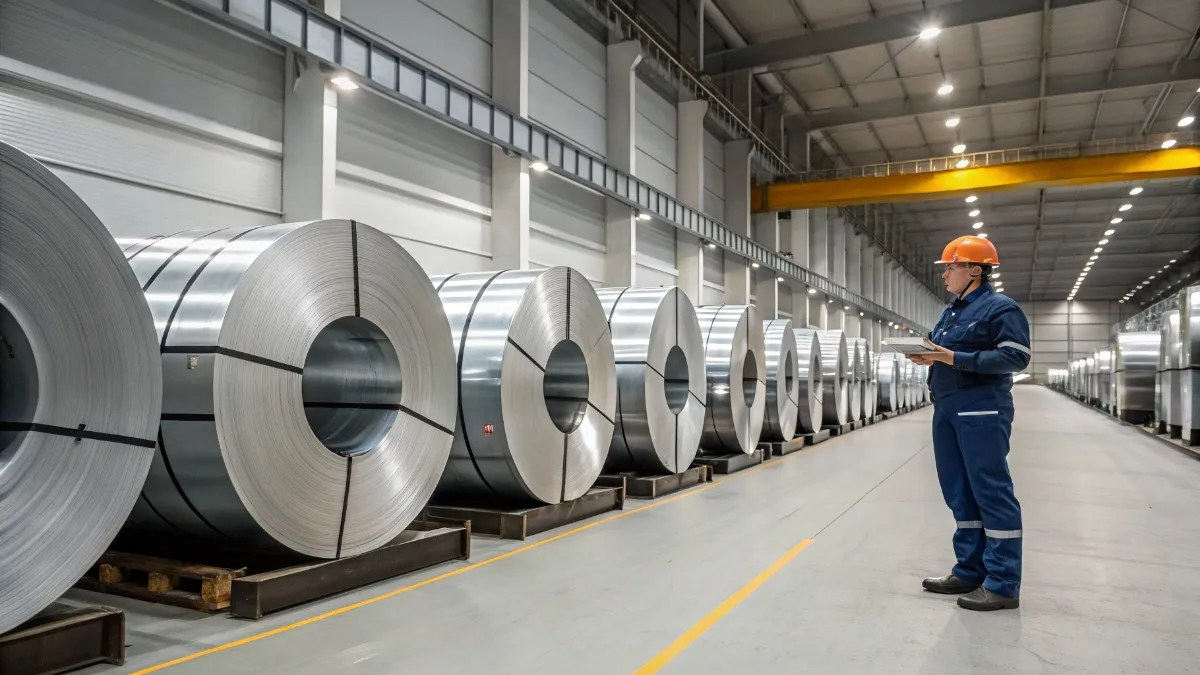
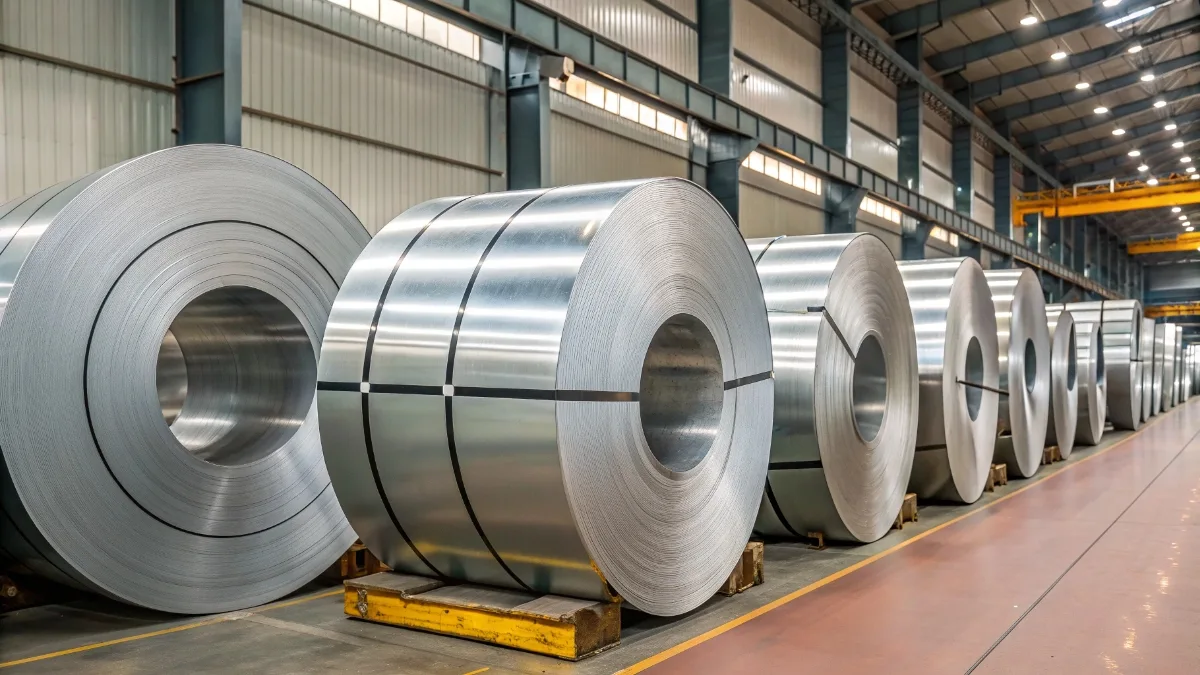
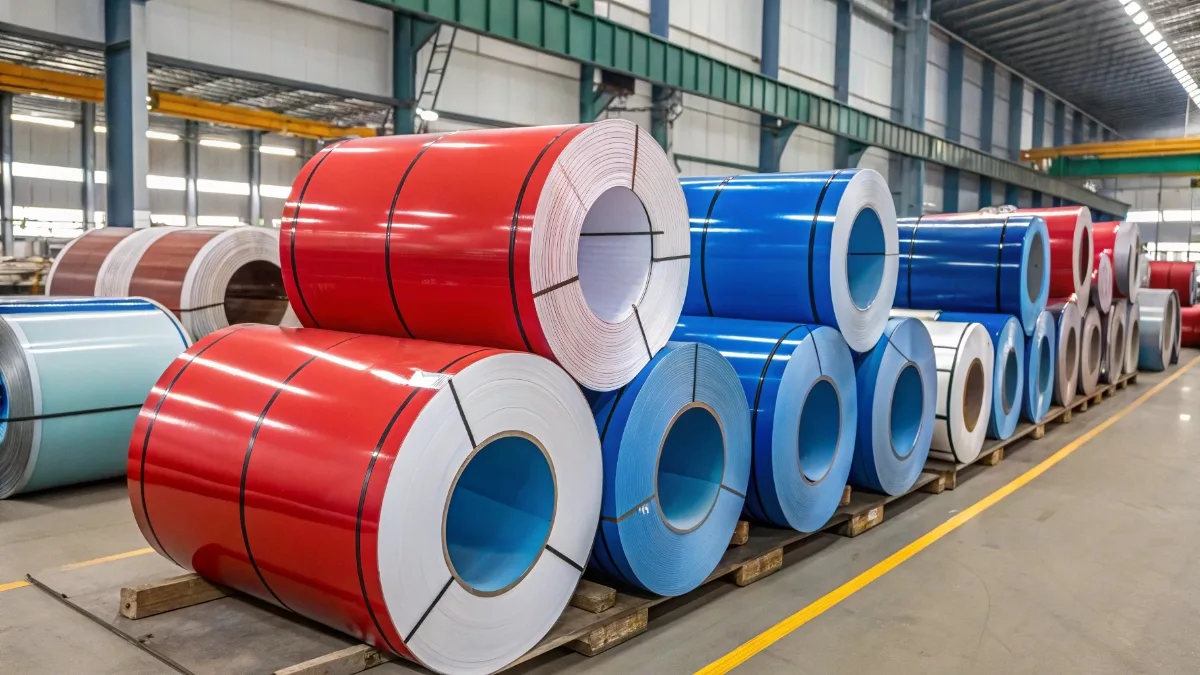
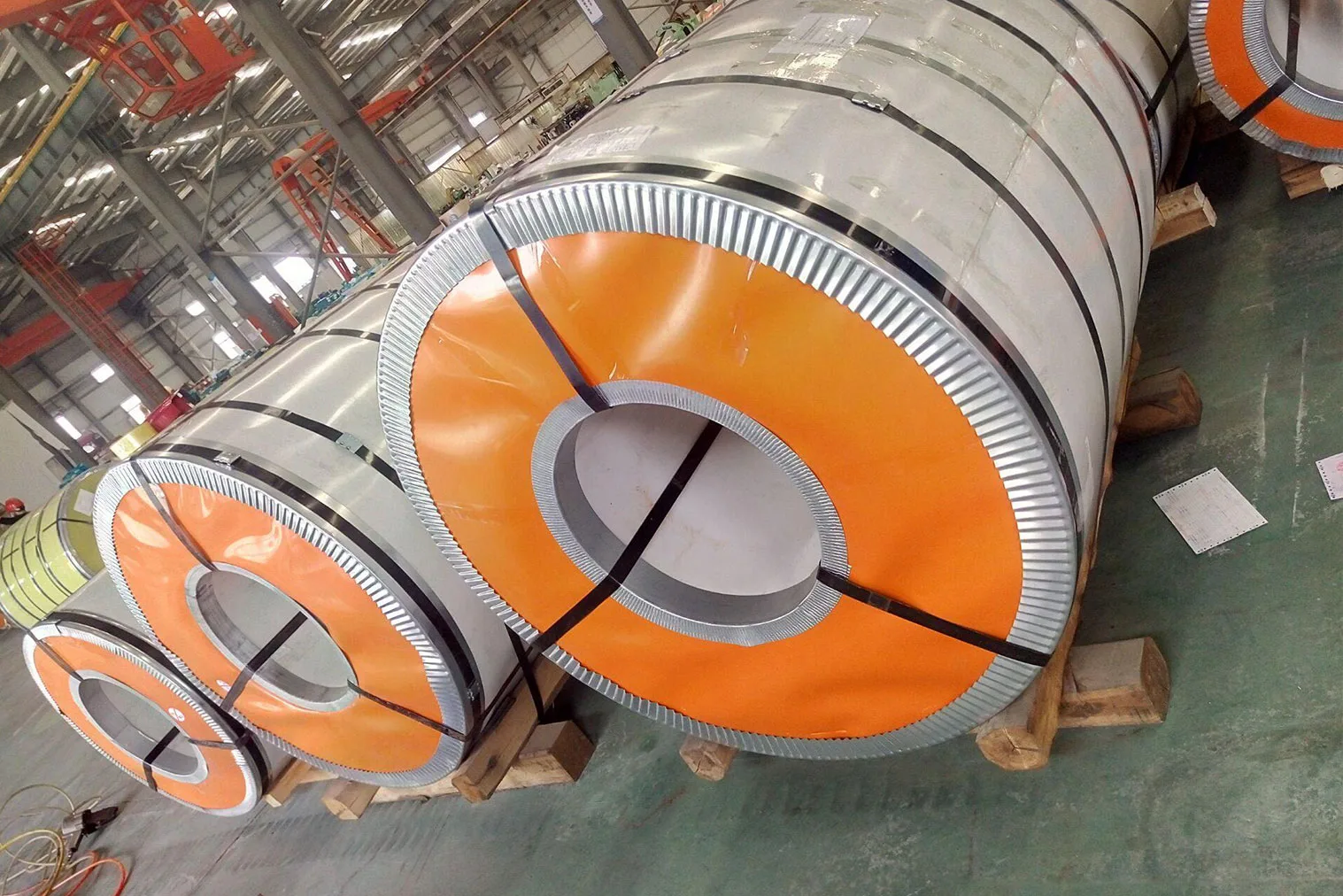
Export packaging for steel coils begins with corrosion prevention and impact protection. The inner layer typically uses corrosion-inhibiting paper or VCI film, followed by waterproof kraft paper or plastic wrapping. Outer layers include steel or PET strapping, edge guards, and sometimes metal or wooden crating for heavy-duty shipments. Coils are often mounted on fumigated wooden pallets or steel cradles to ensure stability and easy handling with forklifts or cranes.
2. How to Prevent Rust, Denting, and Edge Damage During Transport
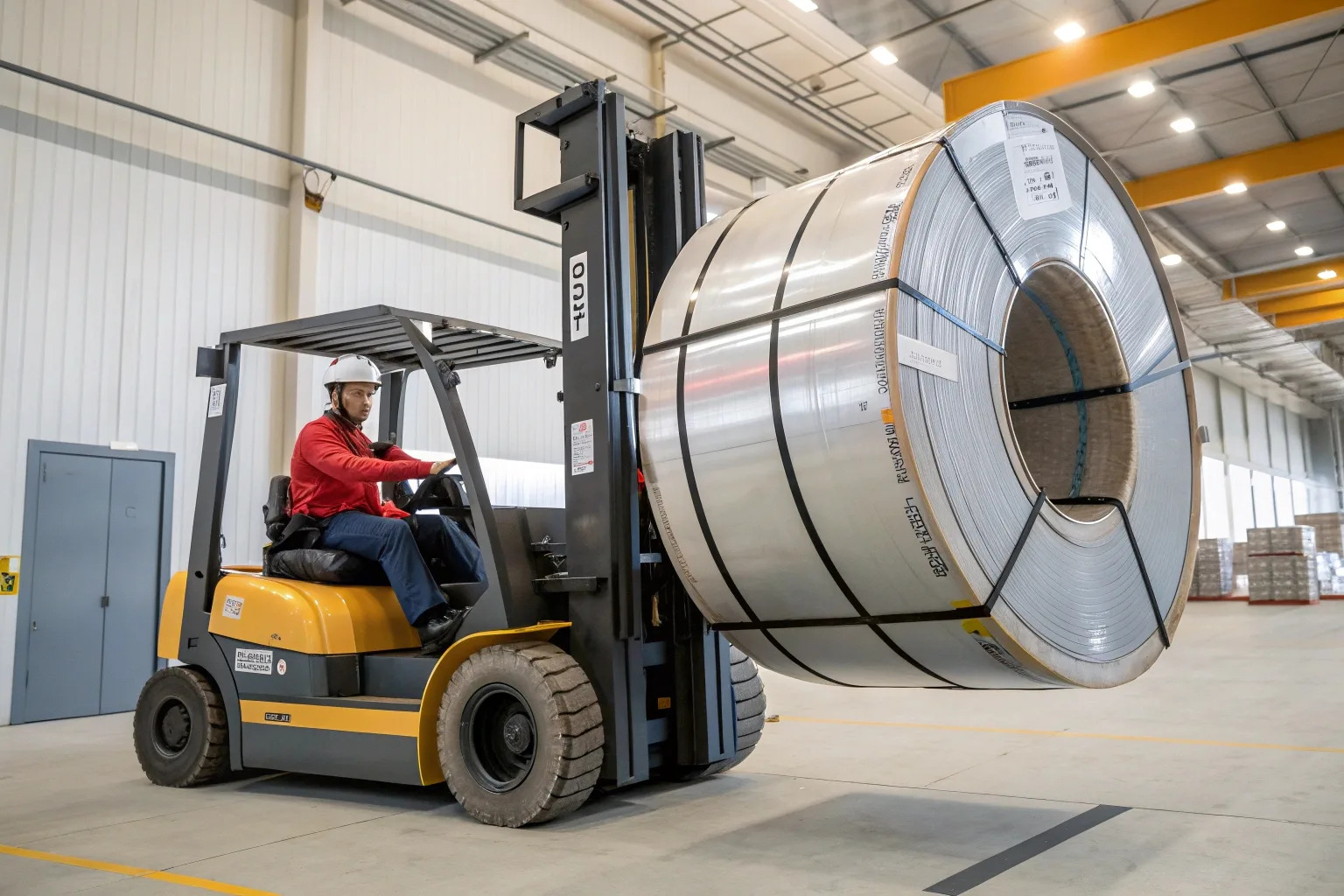
Moisture and impact are the two biggest threats during transportation. Exporters can minimize rust by using anti-corrosion films, sealing wrap joints tightly, and storing coils in dry, ventilated areas before shipment. For physical protection, edge protectors and reinforced strapping prevent flattening or deformation. During loading, using soft slings, coil tongs, or C-hooks with padding ensures the coil surface remains undamaged.
3. Essential Safety Standards for Loading and Containerization
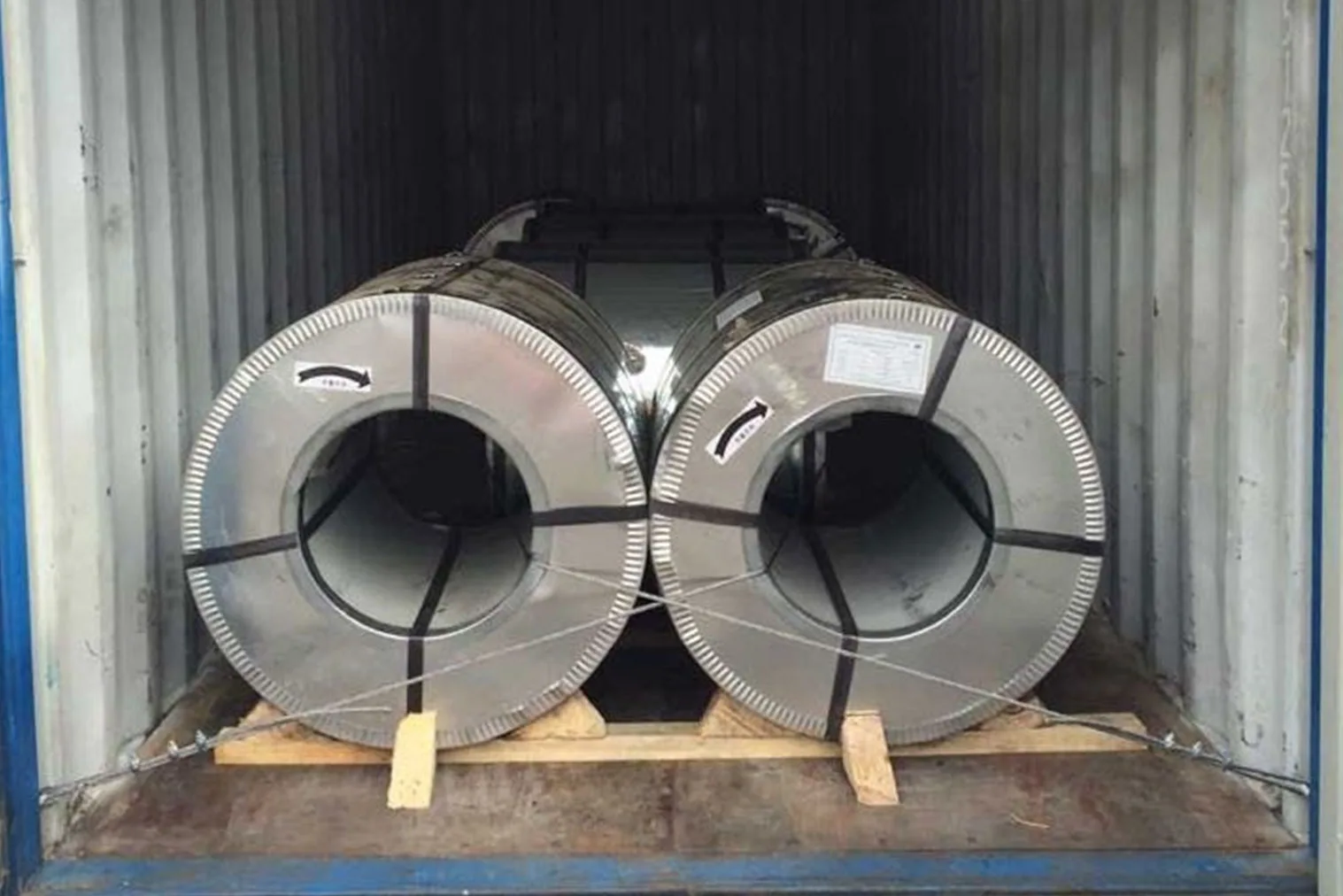
Heavy steel coils must be properly blocked and braced to prevent movement during transport. Exporters should follow the CTU Code (Code of Practice for Packing of Cargo Transport Units), which provides international guidelines for securing heavy cargo. Coils can be loaded “eye-to-sky” or “eye-horizontal,” depending on the container and transport mode. Blocking, bracing, and chocking are essential to absorb motion and avoid shifting that could cause structural damage to the container or the cargo itself.
4. Inspection and Handling Tips for Importers Upon Arrival
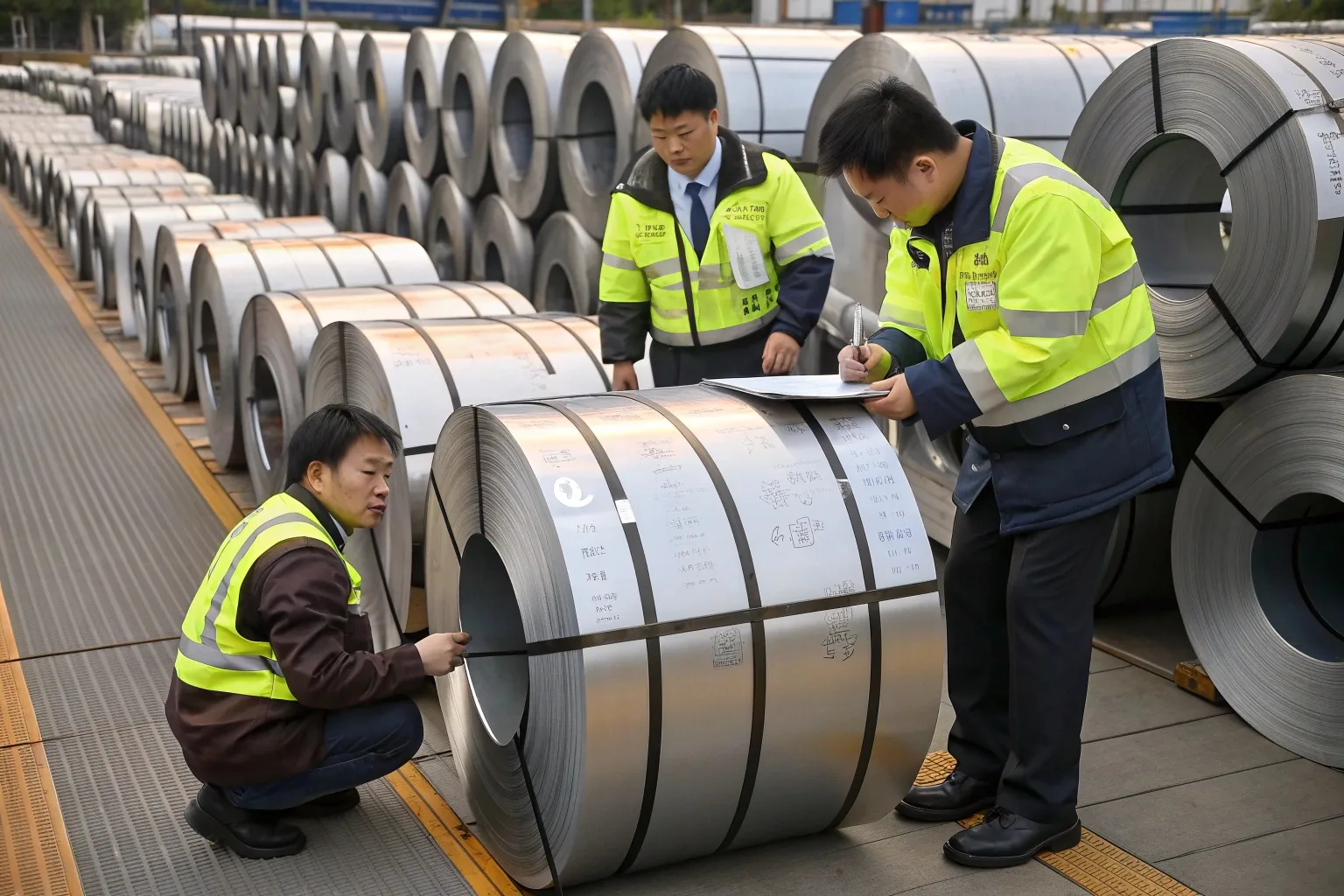
Once coils reach their destination, importers should inspect the packaging for any signs of rust, deformation, or water ingress. Minor surface moisture should be dried immediately, while damaged wraps or straps should be documented for claims. Coils must be lifted using rated equipment — never rolled or dragged — and stored on dry, level platforms with adequate spacing for air circulation. Good handling practices at this stage prevent further damage and maintain product quality through the final stage of processing.
5. Conclusion
Exporting and importing steel coils safely depends on attention to detail at every stage — from inner corrosion protection and secure strapping to proper blocking, labeling, and inspection. By adopting industry best practices and following international loading standards, both exporters and importers can avoid costly damage, ensure compliance, and maintain the high-quality condition that end users expect. Safe transport isn’t just a logistics task — it’s a key part of protecting your brand reputation and customer trust.