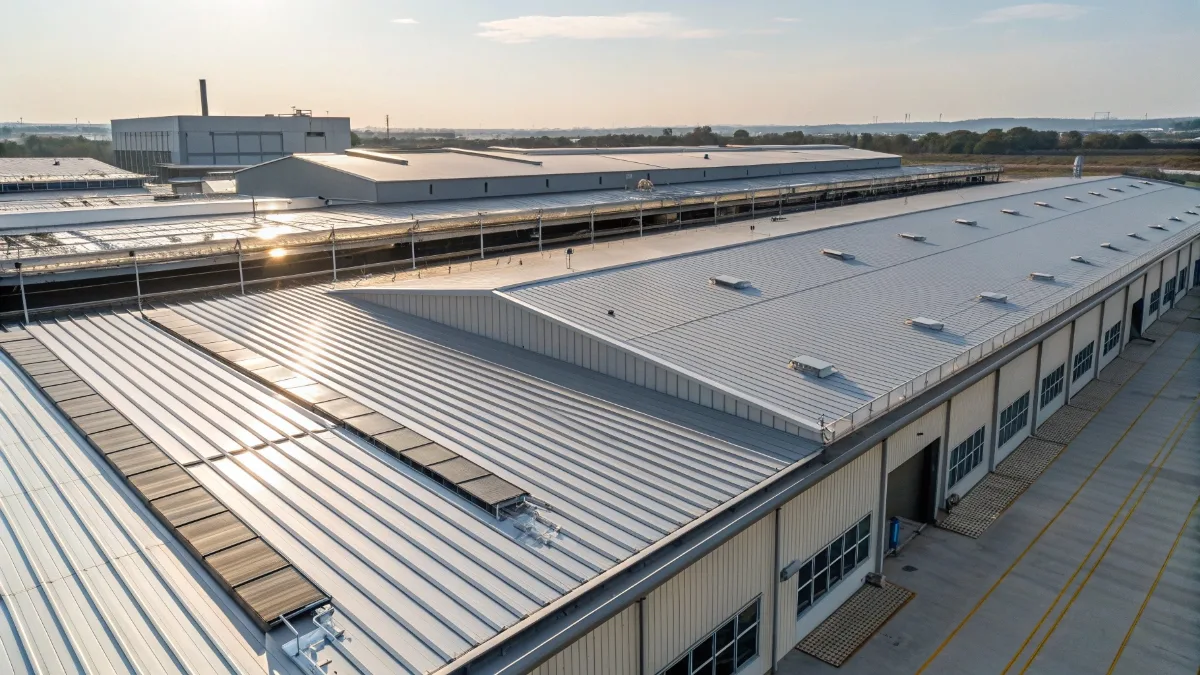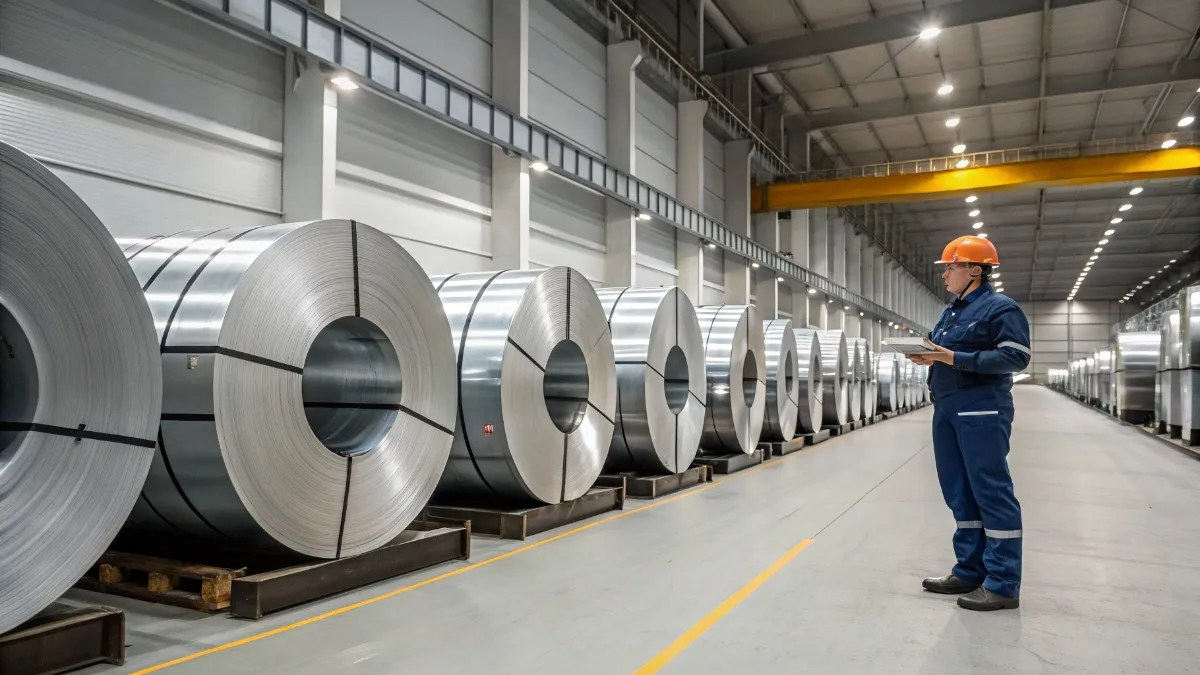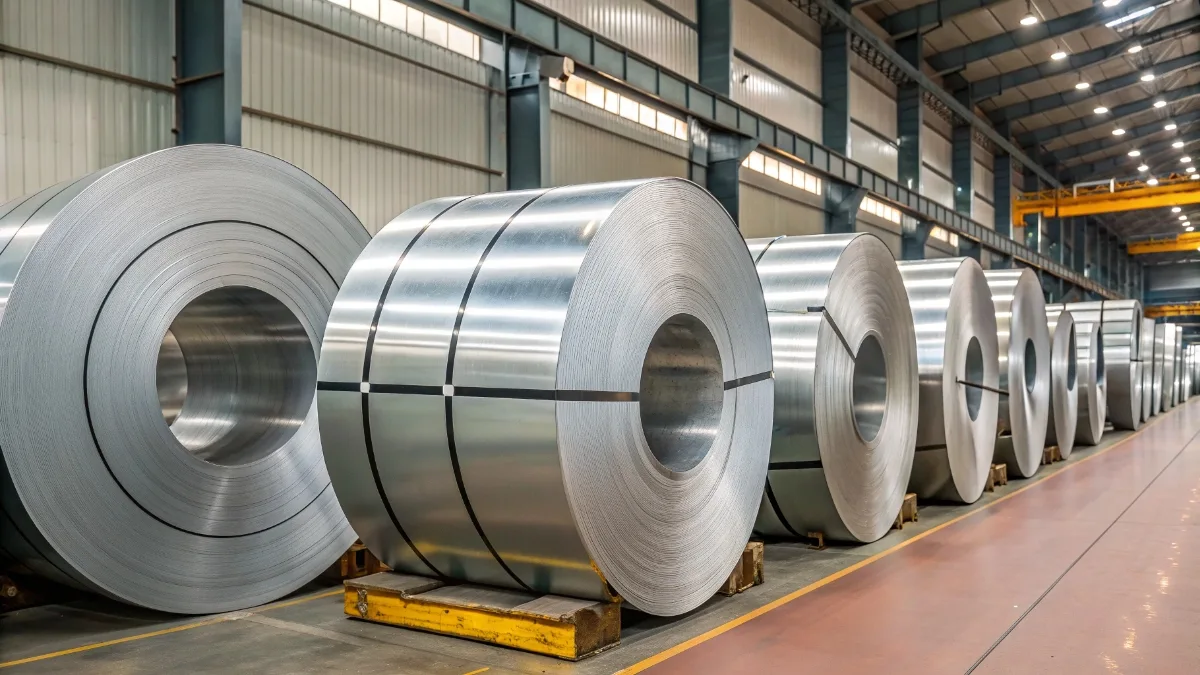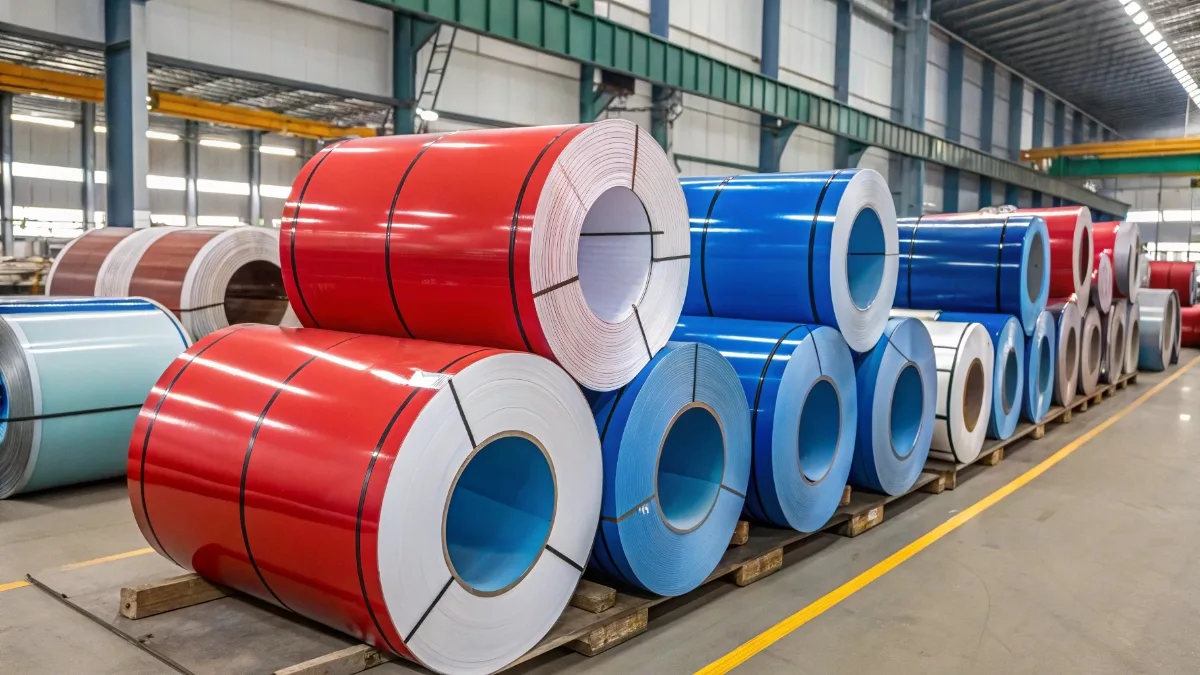


Galvanized steel coils are the backbone of countless industries — from roofing and construction to automotive manufacturing. But not all galvanized coils are made equal. A small difference in coating weight, substrate quality, or surface finish can significantly affect long-term performance and your customers’ satisfaction.
In this article, we’ll break down what truly defines high-quality galvanized steel coils, how to verify them before purchase, and what practical steps buyers can take to avoid costly surprises.
1. Understanding the Core Quality Factors of Galvanized Steel Coils
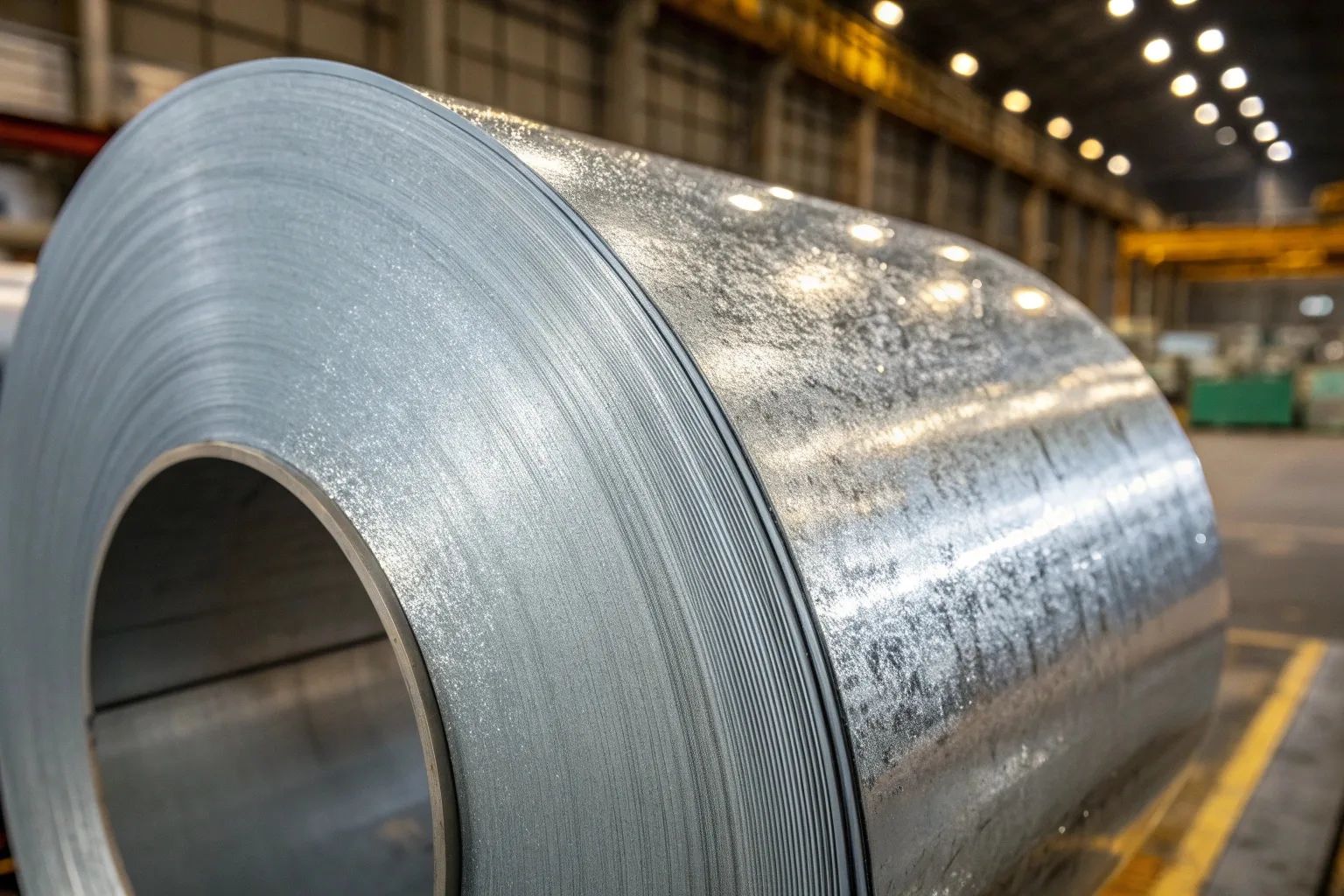
At the heart of every reliable galvanized coil lies a combination of substrate quality, zinc coating, and surface treatment.
The substrate (the base steel) determines the coil’s strength and formability. Grades such as DX51D, SGCC, and SGCH are widely recognized in the market, each offering different tensile and yield strengths.
The zinc coating provides corrosion protection — acting as a sacrificial layer that prevents rust from reaching the steel. Meanwhile, the surface finish (regular spangle, minimized spangle, or zero spangle) affects both appearance and paintability.
In short, quality galvanized steel is the result of precise chemistry, controlled coating, and careful post-treatment.
2. Key International Standards That Define Galvanized Steel Quality

When sourcing galvanized coils, always verify that the product meets one of the major international standards:
- ASTM A653/A653M (USA)
- EN 10346 (Europe)
- JIS G3302 (Japan)
- GB/T 2518 (China)
These standards specify crucial parameters such as coating weight (in g/m²), mechanical properties, and surface finish requirements. Complying with these standards not only ensures quality but also guarantees cross-market compatibility — essential for global trade and project certification.
3. The Role of Zinc Coating Thickness and Surface Treatment in Performance
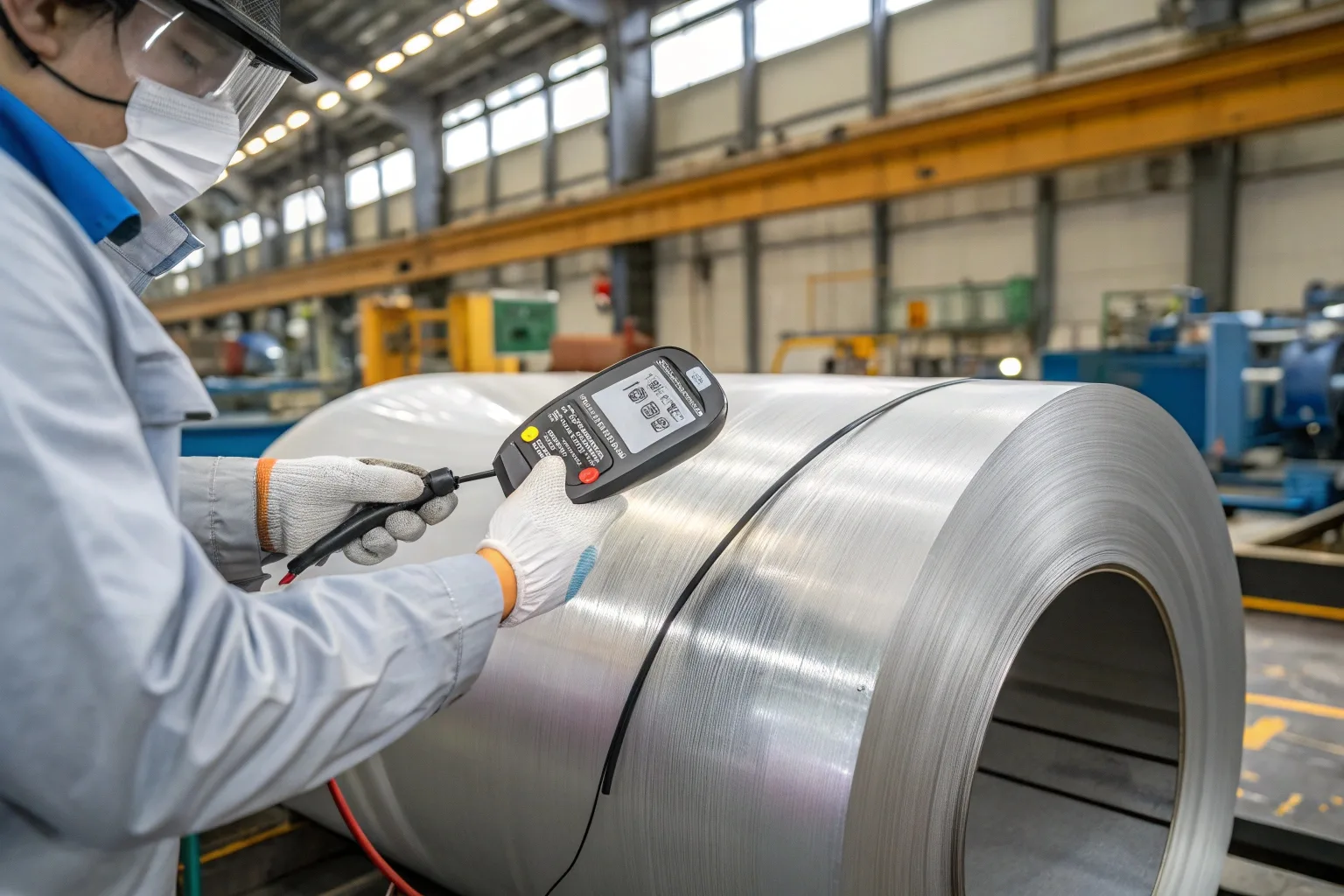
One of the most telling indicators of coil quality is zinc coating thickness. The heavier the coating, the stronger the corrosion resistance — particularly in harsh environments like coastal or industrial areas.
For example, a Z275 coating (275 g/m²) provides significantly longer protection than Z100 or Z120. However, over-coating without proper control can cause brittleness or uneven surface issues.
Surface treatments after galvanizing also play a key role:
- Chromate or passivation layers help prevent white rust during storage.
- Oiling reduces friction and improves handling.
- Anti-fingerprint coatings protect the surface for decorative or exposed applications.
Each treatment enhances durability and storage life — important for buyers importing long-distance shipments.
4. Best Practices for Buyers to Verify Quality Before Shipment
Even with good suppliers, it’s smart to verify quality before loading. Here are five practical steps every buyer should follow:
- Check coating weight and adhesion using portable gauges or adhesion tests.
- Inspect the surface visually — look for uniform spangle, consistent color, and no oxidation or stains.
- Confirm the certificate of conformity lists relevant standards and test values.
- Review packaging and storage — coils should be dry, wrapped, and stacked safely.
- Audit supplier quality systems — ensure traceability of materials and production records.
These measures help prevent hidden issues like coating delamination, uneven galvanization, or contamination during transport.
Claim: “True quality in galvanized steel is not just about the zinc — it’s about consistency, traceability, and protection from mill to market.”
Final Thoughts
High-quality galvanized coils don’t just last longer — they build trust with your customers. Whether you’re supplying roofing sheets, prepainted coils, or structural panels, taking the time to verify material quality before purchase can save you money, protect your reputation, and ensure every ton you deliver performs as promised.