
How to Identify High-Quality Galvanized Steel Coils Before You Buy?

Modern steel factory with galvanized steel coils stacked for export
A modern steel factory showcasing neatly stacked galvanized steel coils ready for export.

Galvanized steel coils are the backbone of countless industries — from roofing and construction to automotive manufacturing. But not all galvanized coils are made equal. A small difference in coating weight, substrate quality, or surface finish can significantly affect long-term performance and your customers’ satisfaction.

In this article, we’ll break down what truly defines high-quality galvanized steel coils, how to verify them before purchase, and what practical steps buyers can take to avoid costly surprises.

1. Understanding the Core Quality Factors of Galvanized Steel Coils
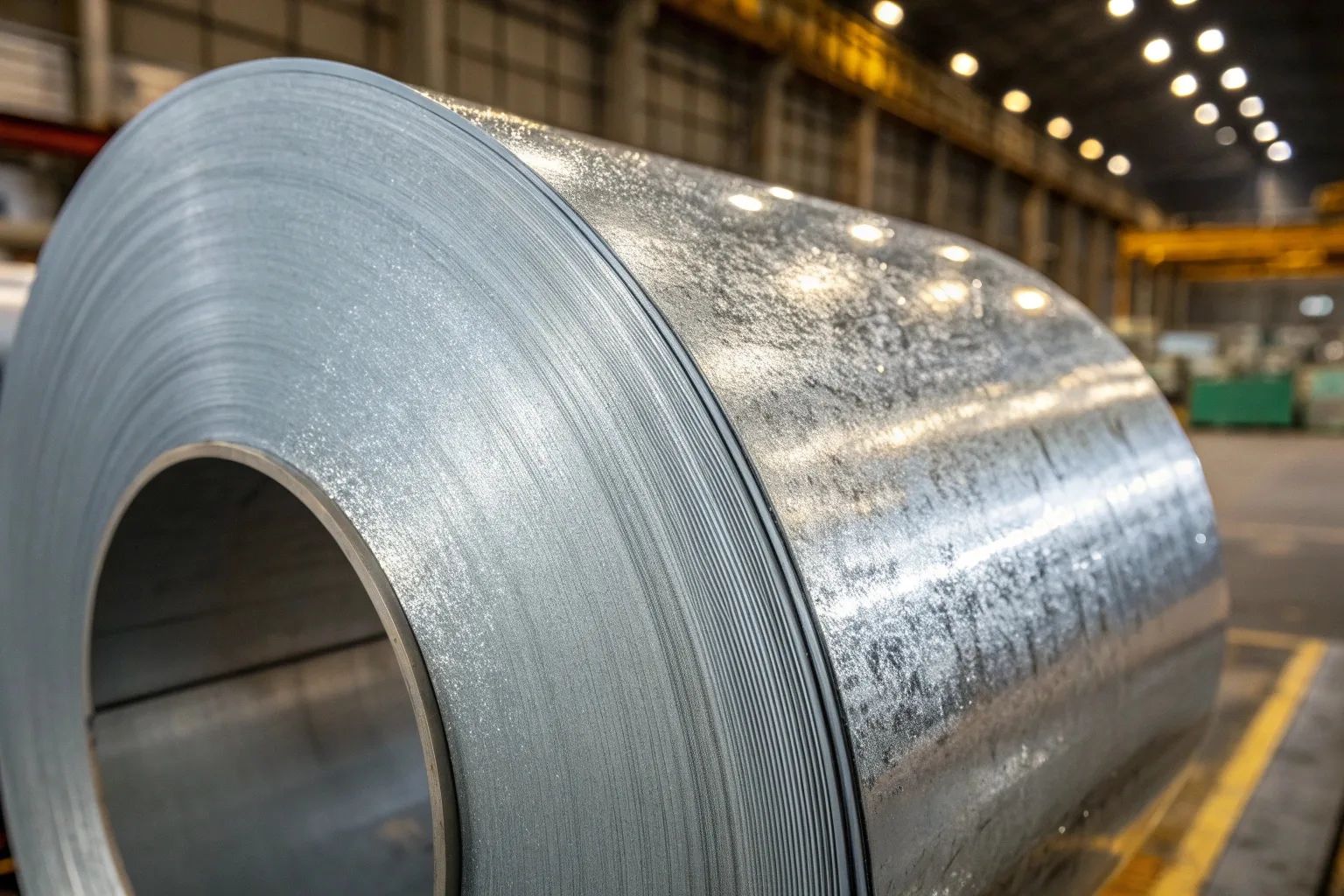
Close-up view of galvanized steel coil surface showing zinc spangle pattern
Close-up of galvanized steel surface showing the natural zinc spangle texture.

At the heart of every reliable galvanized coil lies a combination of substrate quality, zinc coating, and surface treatment.

The substrate (the base steel) determines the coil’s strength and formability. Grades such as DX51D, SGCC, and SGCH are widely recognized in the market, each offering different tensile and yield strengths.

The zinc coating provides corrosion protection — acting as a sacrificial layer that prevents rust from reaching the steel. Meanwhile, the surface finish (regular spangle, minimized spangle, or zero spangle) affects both appearance and paintability.

In short, quality galvanized steel is the result of precise chemistry, controlled coating, and careful post-treatment.

2. Key International Standards That Define Galvanized Steel Quality
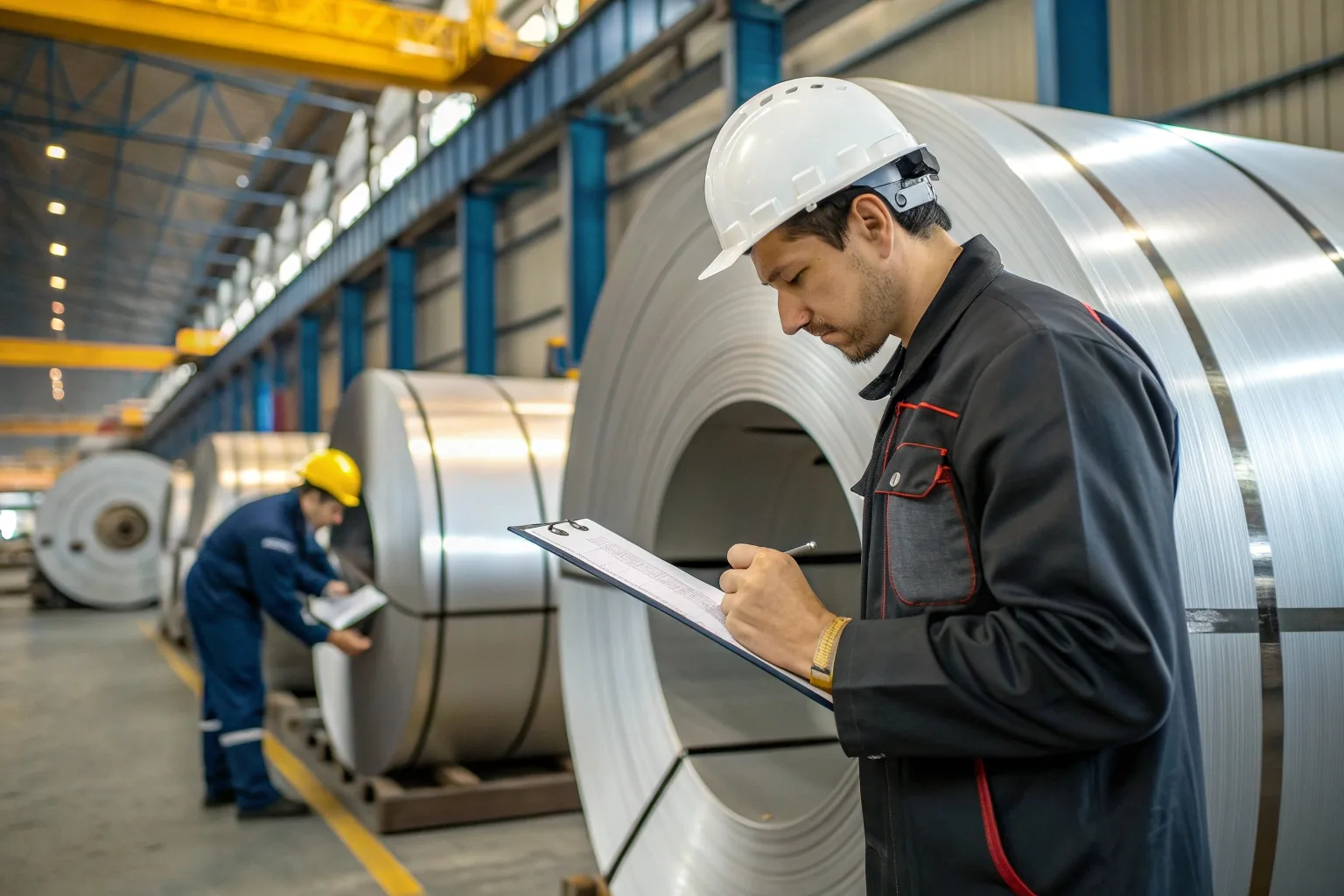
Engineer inspecting galvanized steel coils and verifying international standards
Engineer inspecting galvanized steel coils according to ASTM and EN standards.

When sourcing galvanized coils, always verify that the product meets one of the major international standards:

  • ASTM A653/A653M (USA)
  • EN 10346 (Europe)
  • JIS G3302 (Japan)
  • GB/T 2518 (China)

These standards specify crucial parameters such as coating weight (in g/m²), mechanical properties, and surface finish requirements. Complying with these standards not only ensures quality but also guarantees cross-market compatibility — essential for global trade and project certification.

3. The Role of Zinc Coating Thickness and Surface Treatment in Performance
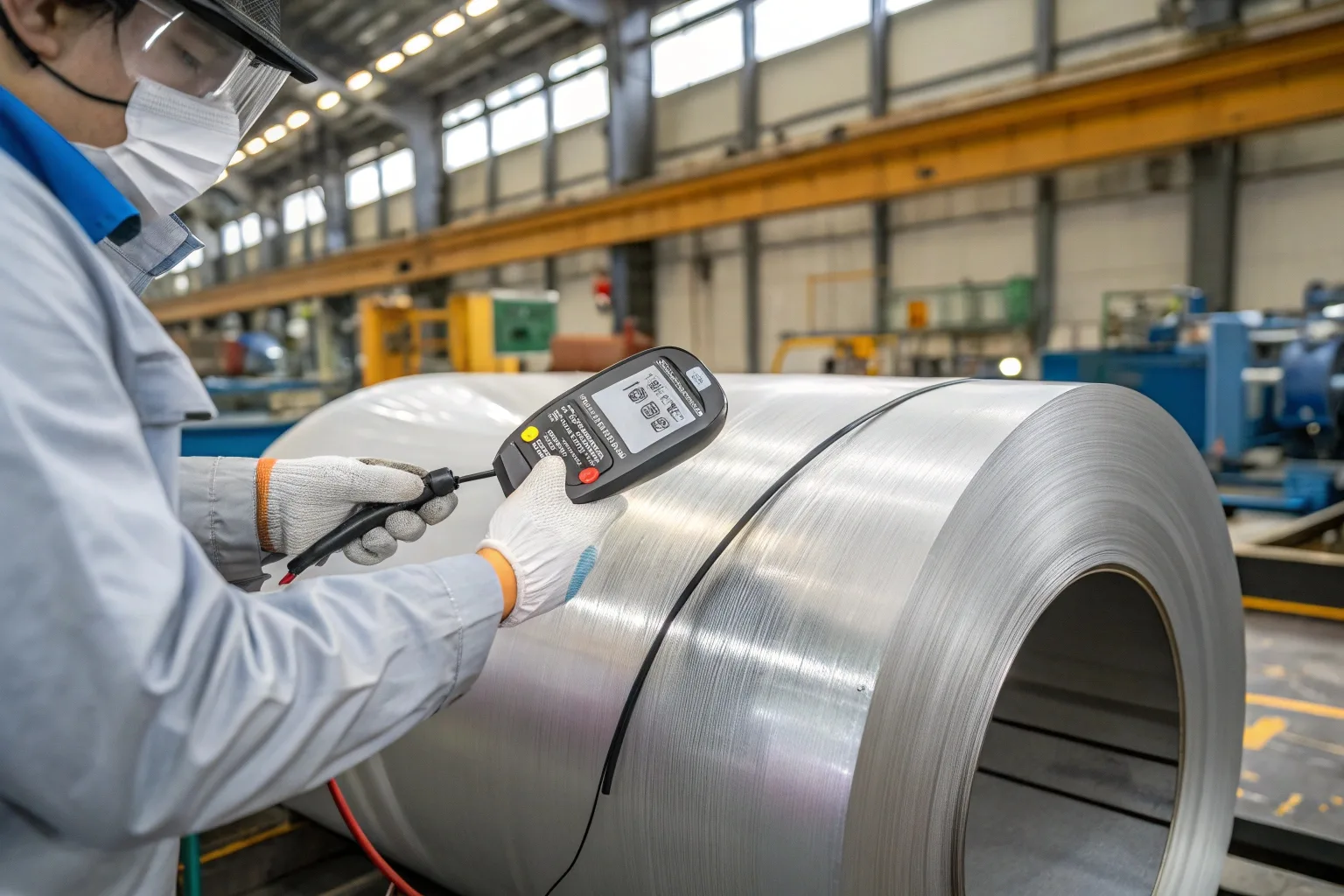
Technician testing zinc coating thickness on galvanized steel coil
Technician testing zinc coating thickness using a digital gauge.

One of the most telling indicators of coil quality is zinc coating thickness. The heavier the coating, the stronger the corrosion resistance — particularly in harsh environments like coastal or industrial areas.

For example, a Z275 coating (275 g/m²) provides significantly longer protection than Z100 or Z120. However, over-coating without proper control can cause brittleness or uneven surface issues.

Surface treatments after galvanizing also play a key role:

  • Chromate or passivation layers help prevent white rust during storage.
  • Oiling reduces friction and improves handling.
  • Anti-fingerprint coatings protect the surface for decorative or exposed applications.

Each treatment enhances durability and storage life — important for buyers importing long-distance shipments.

4. Best Practices for Buyers to Verify Quality Before Shipment

Galvanized steel coils packed and labeled for export shipment
Galvanized steel coils packaged and labeled for safe export.

Even with good suppliers, it’s smart to verify quality before loading. Here are five practical steps every buyer should follow:

  1. Check coating weight and adhesion using portable gauges or adhesion tests.
  2. Inspect the surface visually — look for uniform spangle, consistent color, and no oxidation or stains.
  3. Confirm the certificate of conformity lists relevant standards and test values.
  4. Review packaging and storage — coils should be dry, wrapped, and stacked safely.
  5. Audit supplier quality systems — ensure traceability of materials and production records.

These measures help prevent hidden issues like coating delamination, uneven galvanization, or contamination during transport.

Claim: “True quality in galvanized steel is not just about the zinc — it’s about consistency, traceability, and protection from mill to market.”

Final Thoughts

High-quality galvanized coils don’t just last longer — they build trust with your customers. Whether you’re supplying roofing sheets, prepainted coils, or structural panels, taking the time to verify material quality before purchase can save you money, protect your reputation, and ensure every ton you deliver performs as promised.

Share :

X
Facebook
LinkedIn
Pinterest
WhatsApp

More Tips

Modern steel factory with Aluzinc steel coils stacked in warehouse.

Why Aluzinc (GL) Coils Are Gaining Popularity in Construction and Roofing?

Why Aluzinc (GL) Coils Are Gaining Popularity in Construction and Roofing Aluzinc (GL) steel coils stored in a modern factory, ready for export. In recent years, Aluzinc (GL) steel coils have become one of the most preferred materials for roofing, wall cladding, and industrial construction. Their growing popularity is not just a trend—it’s a reflection of real performance advantages over traditional galvanized steel. This article explores why more global buyers, engineers, and project contractors are switching to Aluzinc, and what makes it the smarter long-term investment for modern construction. Table of Contents 1. What Makes Aluzinc (GL) Steel Coils Different from Galvanized Coils 2. Advantages of Aluzinc Coatings in Harsh Environments 3. Applications in Modern Roofing and Structural Projects 4. Market Insights: Why Global Buyers Are Switching to GL Coils Claim Final Thoughts 1. What Makes Aluzinc (GL) Steel Coils Different from Galvanized Coils Comparison between galvanized (zinc-coated) and Aluzinc

Read More »

How Do You Choose the Right Finish for Color-Coated Steel Coils to Ensure Long-Term Performance?

How Do You Choose the Right Finish for Color-Coated Steel Coils to Ensure Long-Term Performance? Color-coated steel coils (also known as PPGI and PPGL) are widely used in construction, appliances, and industrial manufacturing. Choosing the right coating finish is crucial to ensure long-term durability, appearance, and protection against harsh environmental conditions. This guide explains how to choose the right finish to achieve long-lasting performance. Table of Contents 1. Introduction to Color-Coated (PPGI/PPGL) Steel Coils and Their Uses 2. Comparing Coating Systems: Polyester, SMP, PVDF, and More 3. Key Factors to Evaluate Before Selecting a Color Coating 4. How Proper Maintenance Extends the Lifespan of Color-Coated Coils 1. Introduction to Color-Coated (PPGI/PPGL) Steel Coils and Their Uses Color-coated steel coils are pre-painted galvanized (PPGI) or galvalume (PPGL) steel sheets that combine aesthetics with corrosion protection. They are widely applied in roofing systems, wall panels, home appliances, and decorative construction materials. These

Read More »
Panoramic view of steel coils and logistics trucks representing the roofing steel supply chain from mill to roof.

How does the supply chain of roofing steel sheets work, from mill to roof?

From Mill to Roof: Understanding the Roofing Steel Supply Chain Claim: The roofing steel sheet supply chain is a story of transformation — from raw material to a finished product protecting homes and buildings. Understanding how each step connects helps buyers, distributors, and contractors ensure quality, reliability, and timely delivery. Table of Contents 1. How Steel Sheets Are Produced from Raw Material to Finished Coil 2. Logistics and Quality Control in Steel Sheet Exportation 3. Common Challenges in the Roofing Steel Supply Chain 4. Building Reliable Partnerships Between Mills, Traders, and End Users A panoramic view of the roofing steel supply chain — from mill to logistics. 1. How Steel Sheets Are Produced from Raw Material to Finished Coil Hot rolled coils being processed in a modern steel mill. Every roofing sheet begins its journey deep inside a steel mill. Iron ore, scrap steel, zinc, and aluminum are melted and

Read More »

How Can Zinc and Aluminum-Zinc Coatings Maximize Corrosion Resistance in Steel?

Maximizing Corrosion Resistance: A Deep Dive into Zinc and Aluminum-Zinc Coatings Claim: Zinc and aluminum-zinc coatings don’t just cover steel — they extend its life. With the right coating type, thickness, and detailing, you can dramatically reduce corrosion risk and lower lifetime costs. Table of Contents 1. Why Corrosion Protection Is Critical in Steel Applications 2. The Science Behind Zinc vs. Alu-Zinc Coating Systems 3. Real-World Performance: How Coating Thickness Affects Durability 4. Choosing the Right Coating Type for Your Climate and Budget Conclusion Main comparison: zinc-coated (galvanized) vs aluminum-zinc (Aluzinc) coated steel coils. 1. Why Corrosion Protection Is Critical in Steel Applications Think of steel as the backbone of a building or structure — but left unprotected, it will rust, weaken, and fail. Corrosion is often invisible at first, but over months and years it eats away at strength, increases maintenance costs, and shortens warranties. Protective metallic coatings (like

Read More »
Trusted Steel Supplier

Build Stronger with Premium Steel Solutions

Explore our wide range of galvanized, galvalume, and color-coated steel products for your next project.

Get A Quick Price Today