
From Mill to Roof: Understanding the Roofing Steel Supply Chain
Claim:
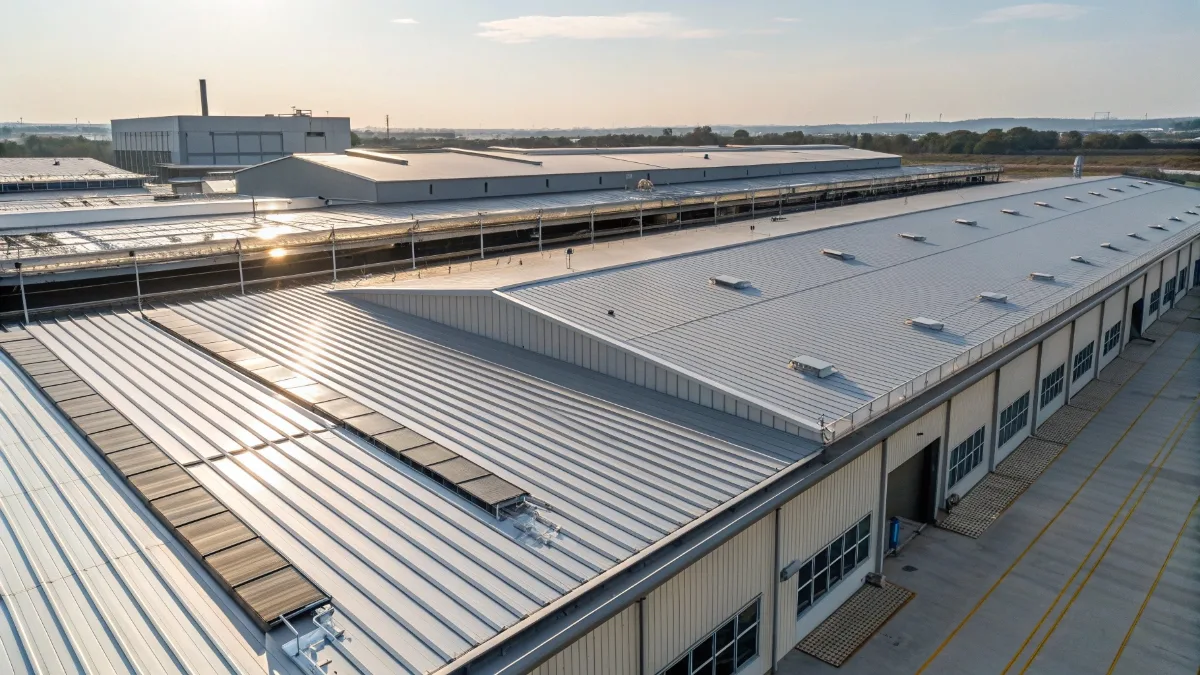
The roofing steel sheet supply chain is a story of transformation — from raw material to a finished product protecting homes and buildings. Understanding how each step connects helps buyers, distributors, and contractors ensure quality, reliability, and timely delivery.
Table of Contents

1. How Steel Sheets Are Produced from Raw Material to Finished Coil
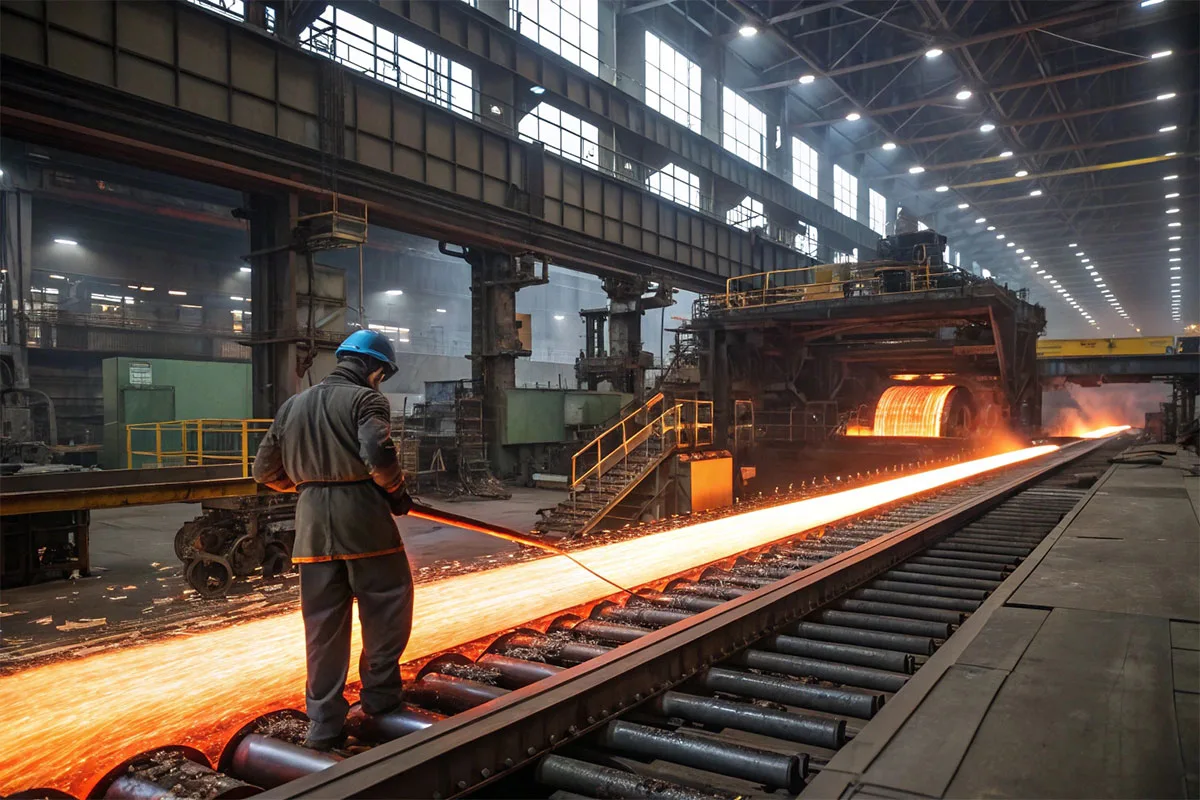
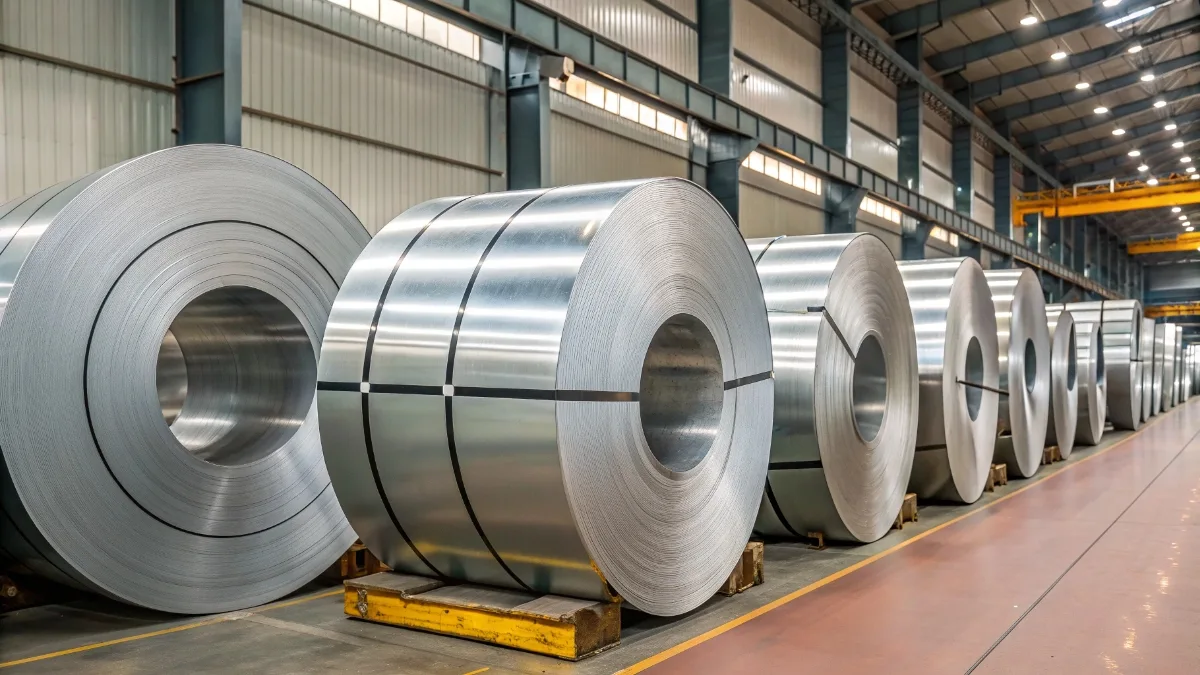
Every roofing sheet begins its journey deep inside a steel mill. Iron ore, scrap steel, zinc, and aluminum are melted and refined to create steel slabs. These slabs are then hot-rolled into thinner sheets, cooled, and often cold-rolled for better surface finish and strength.
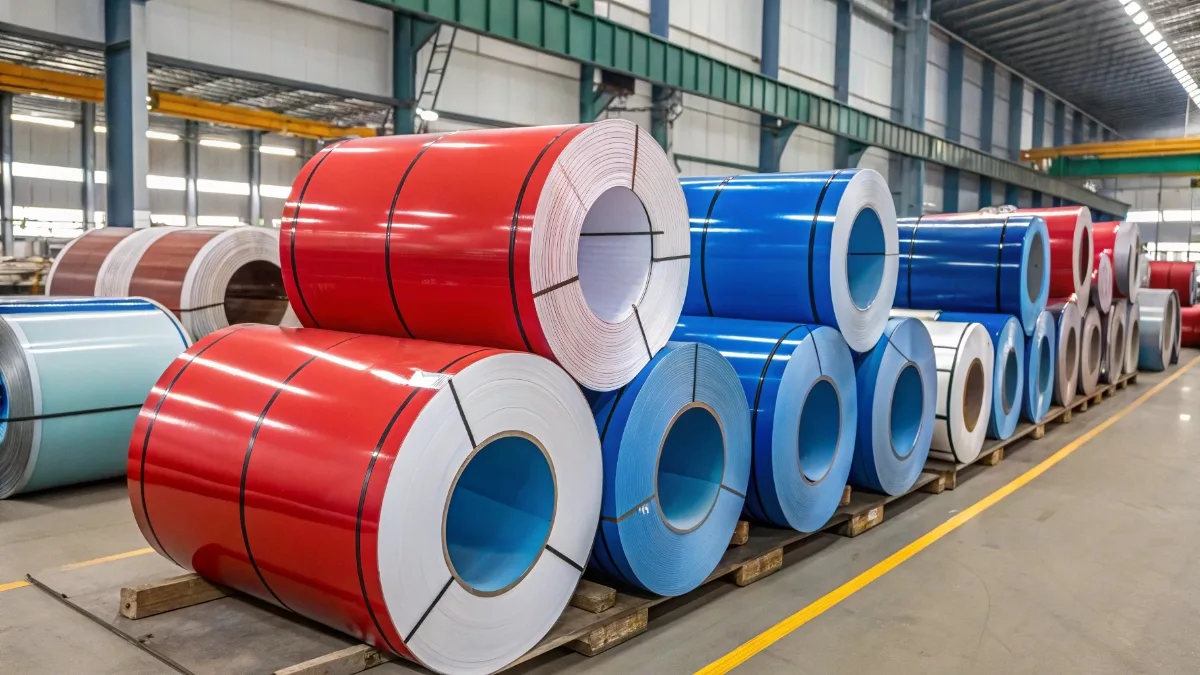
After that, the steel goes through galvanizing or Aluzinc coating to prevent rust. Each layer — from substrate to coating — adds durability and resistance, preparing the coils for color coating or profiling.
2. Logistics and Quality Control in Steel Sheet Exportation
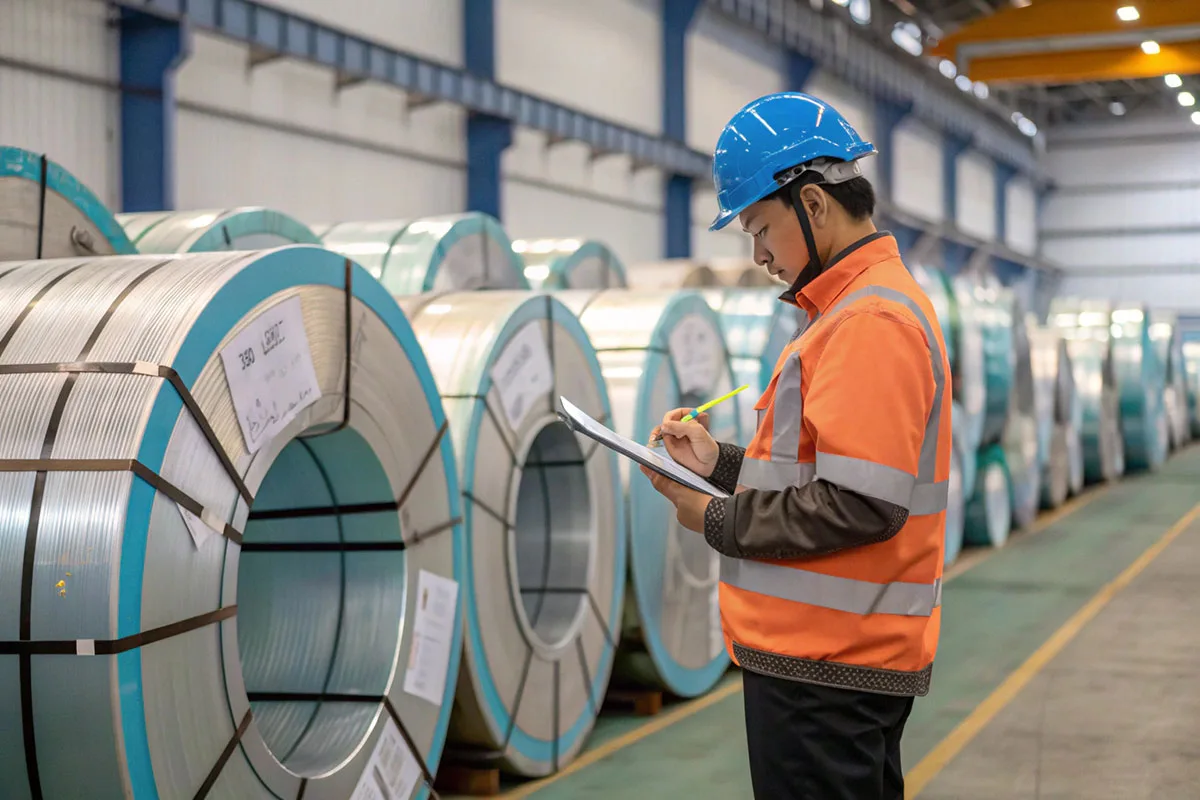
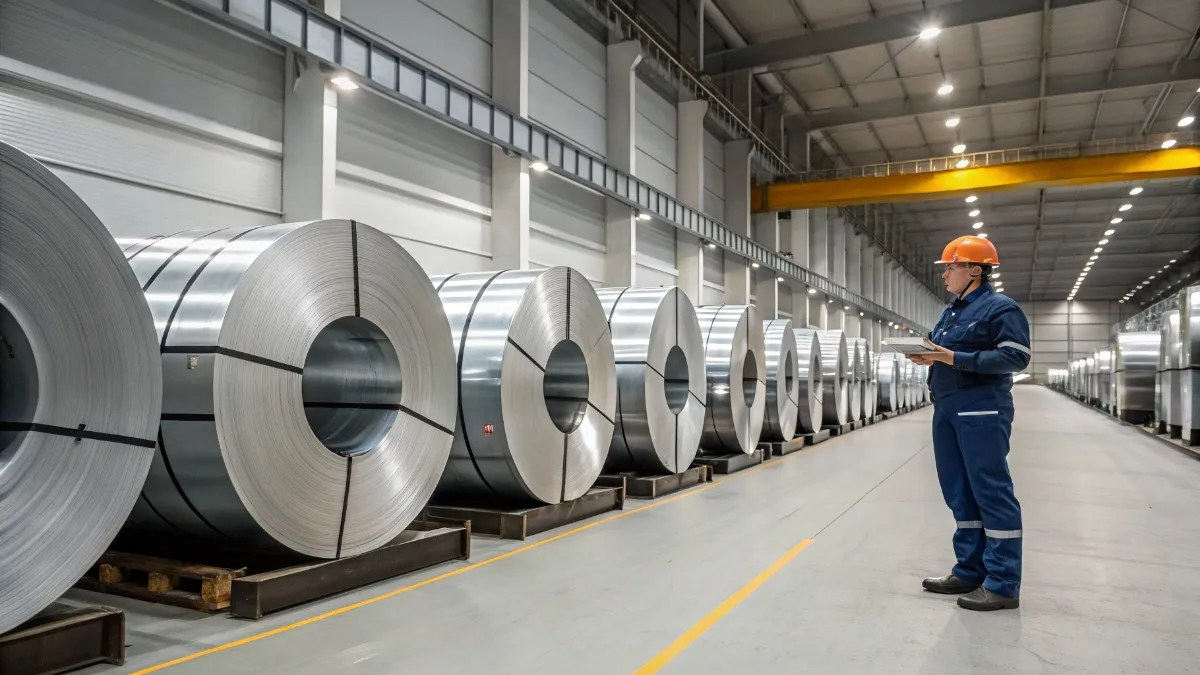
Once the coils are ready, they’re carefully inspected. Thickness, coating adhesion, surface smoothness, and packing integrity are all checked before shipment. Coils are wrapped with moisture-proof materials and loaded onto containers or trucks for export.
A strong logistics process ensures that products arrive in perfect condition — because a minor dent or scratch can mean costly waste or rejection upon arrival.
3. Common Challenges in the Roofing Steel Supply Chain
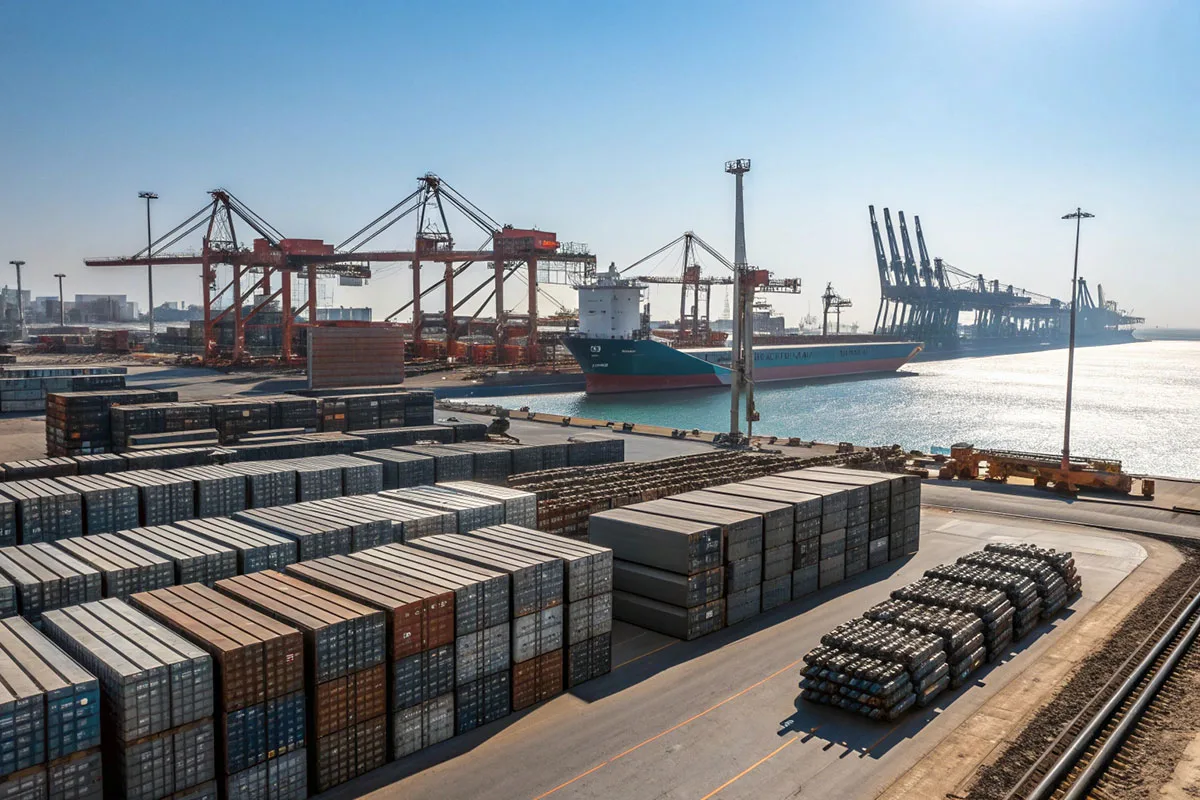
Even a well-managed chain can face unexpected issues. Freight delays, material shortages, or sudden price changes can disrupt schedules and profit margins. Weather, fuel costs, or customs clearance may also cause bottlenecks.
Successful suppliers plan for these uncertainties by maintaining inventory buffers, tracking shipments, and working with reliable forwarders who understand steel cargo requirements.
4. Building Reliable Partnerships Between Mills, Traders, and End Users

The final link of the chain — and often the most important — is partnership. When mills, traders, and contractors communicate well, everything runs smoothly. Buyers gain consistent quality, suppliers avoid last-minute issues, and projects finish on time.
Great partnerships aren’t just about price; they’re about trust, transparency, and shared commitment to long-term success.
Conclusion
From the mill to the roof, each stage adds value — production, coating, logistics, and collaboration. Understanding this process helps every stakeholder make better decisions, reduce risks, and deliver roofs that last for decades.