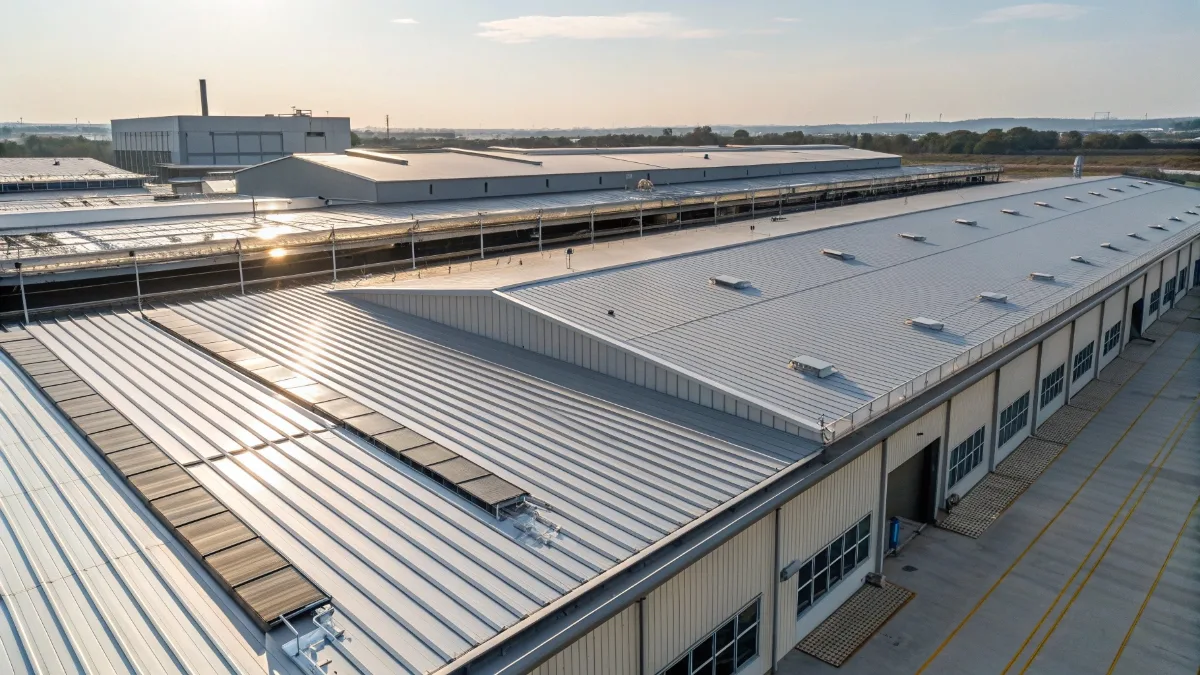
How Steel Sheet Thickness Impacts Roofing Durability and Project Cost
Steel sheet thickness is one of the most influential factors in metal roofing performance.
It directly affects structural strength, resistance to environmental loads, service life,
and the total cost of a roofing project. Selecting the appropriate thickness is not simply
about choosing the thickest material available—it requires balancing durability, structural
requirements, installation conditions, and budget constraints.
The Role of Steel Sheet Thickness in Roofing Strength
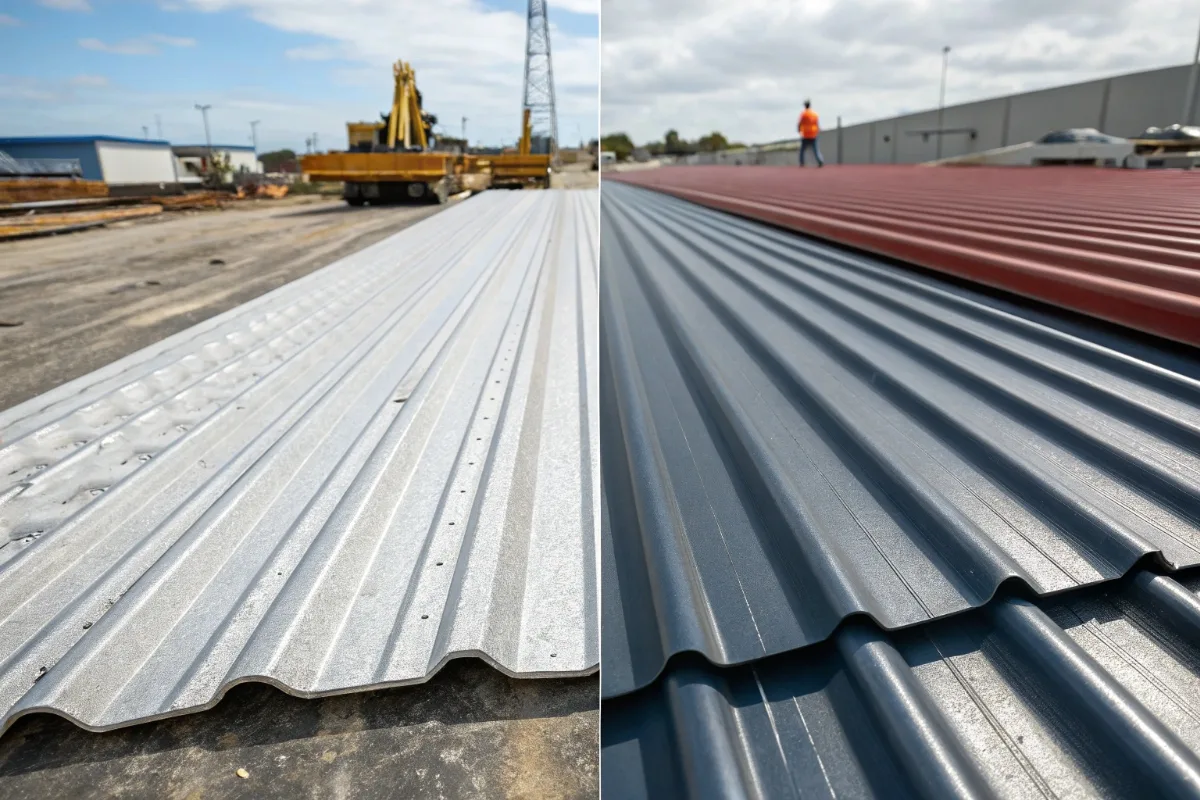
Thicker steel sheets offer higher structural strength, improving resistance to wind uplift,
impact loads, and foot traffic during installation and maintenance. Increased thickness reduces
the risk of denting and deformation caused by hail, debris, or improper handling, which directly
contributes to better long-term roof appearance and performance.
Sheet thickness also affects fastener retention. Thicker steel provides greater pull-out
resistance for screws and fasteners, reducing the likelihood of loosening under thermal cycling
and repeated wind loads. This is especially critical for large-span industrial and commercial roofs.
How to Choose the Ideal Thickness for Your Project
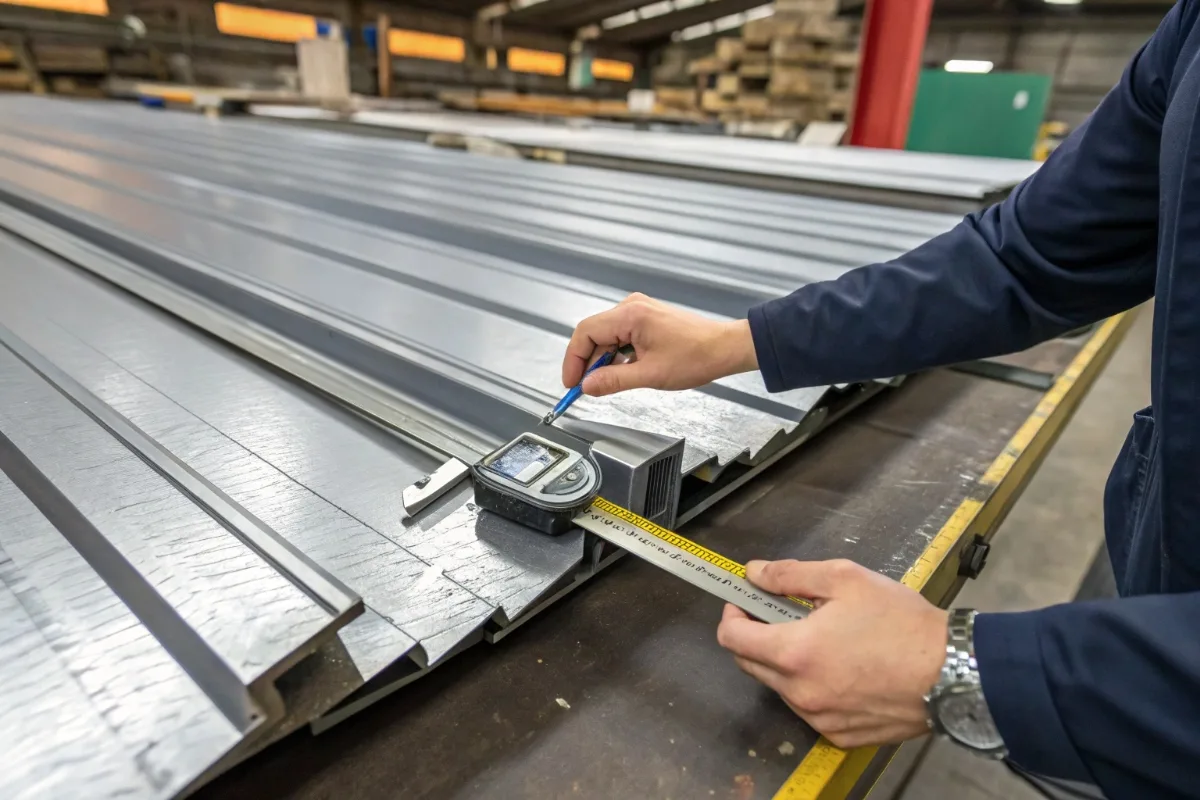
Choosing the ideal steel sheet thickness depends on multiple factors, including building type,
purlin spacing, local wind and snow loads, and installation conditions. While thinner sheets are
easier to form and transport, they are more sensitive to installation quality and workmanship errors.
Thicker sheets delay corrosion penetration, particularly at fasteners, overlaps, and cut edges.
This advantage becomes more significant in coastal, high-humidity, or industrial environments,
where corrosion risk is elevated.
Balancing Cost and Durability
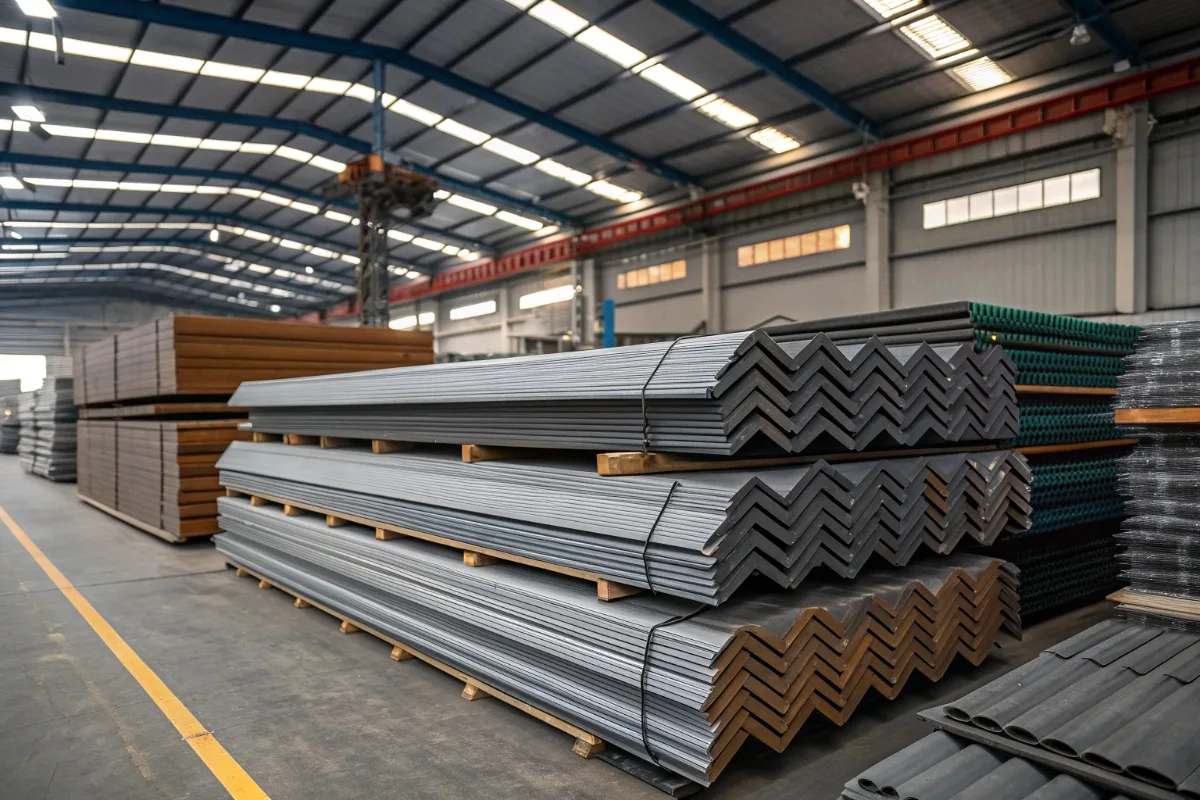
Thinner steel sheets typically lower initial material costs, but they may require closer purlin
spacing or additional structural support. These adjustments can increase total project cost,
offsetting the savings from thinner material.
Increased thickness improves acoustic performance by reducing vibration and noise from rain or wind.
Thicker roofing sheets also tend to support longer warranties and higher performance classifications,
which can enhance building value and buyer confidence over time.
Real-World Examples: Thin vs. Thick Steel Roofing
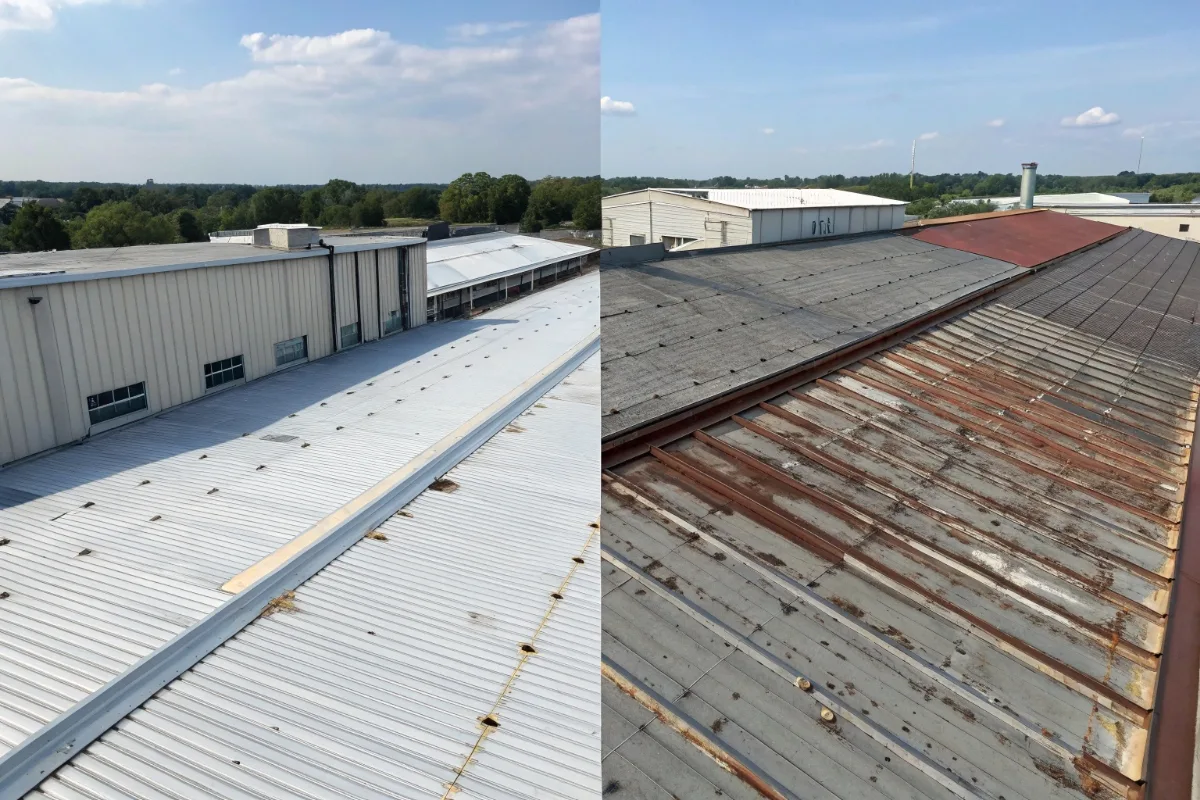
In real-world applications, thin steel roofing may perform adequately in low-load environments
but often shows faster deformation, increased noise, and reduced fastener stability. Thicker
roofing sheets maintain profile integrity longer and better withstand extreme weather conditions.
Transportation and handling costs do increase with thickness due to higher weight per square meter.
However, when evaluated across the entire lifecycle, thicker sheets frequently deliver better
overall value through extended service life and reduced maintenance.
Conclusion
Steel sheet thickness has a direct and measurable impact on roofing durability, performance, and
total project cost. While thicker sheets provide superior strength, corrosion resistance, and
long-term reliability, selecting the optimal thickness—rather than the maximum thickness—is the
most economically sound decision.
By carefully evaluating structural requirements, environmental exposure, installation quality,
and lifecycle costs, project owners and buyers can select a steel roofing solution that balances
durability and budget while ensuring long-term performance.
Need Help Selecting the Right Steel Roofing Thickness?
Choosing the correct steel sheet thickness can significantly impact project performance and
total cost. If you are comparing specifications, applications, or export requirements,
professional guidance can help you avoid costly mistakes.
Contact us to discuss your roofing project requirements and receive tailored material
recommendations based on your market and application needs.