
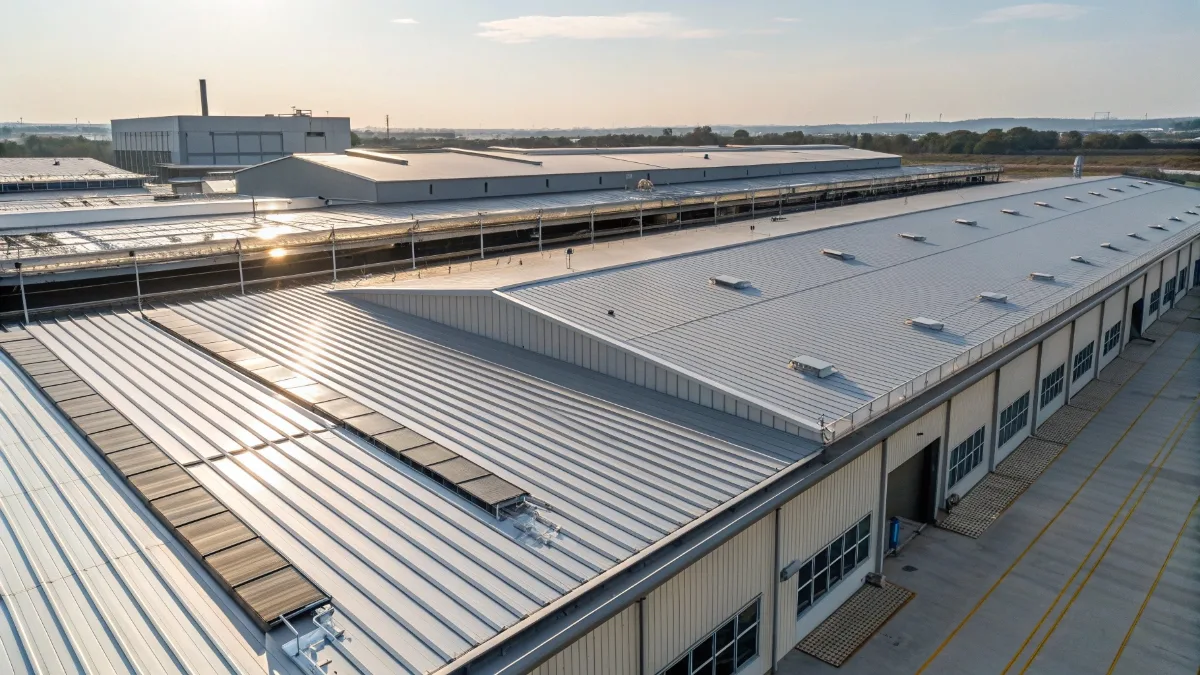
Steel roofing sheets installed on industrial buildings showing strength and durability

How Does Steel Sheet Thickness Impact Roofing Durability and Project Costs?

How Steel Sheet Thickness Impacts Roofing Durability and Project Cost

Steel sheet thickness is one of the most influential factors in metal roofing performance.
It directly affects structural strength, resistance to environmental loads, service life,
and the total cost of a roofing project. Selecting the appropriate thickness is not simply
about choosing the thickest material available—it requires balancing durability, structural
requirements, installation conditions, and budget constraints.

The Role of Steel Sheet Thickness in Roofing Strength
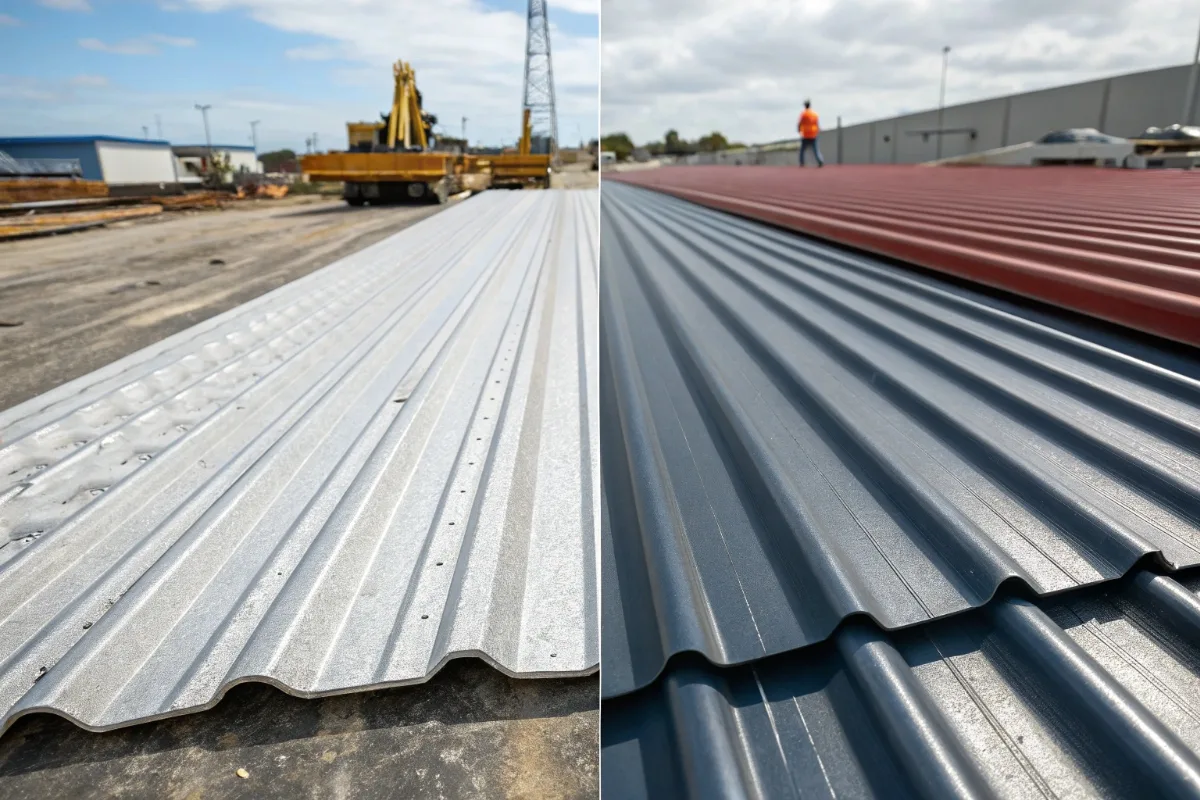
Comparison of thin and thick steel roofing sheets showing structural strength differences
Thicker steel sheets provide greater rigidity and resistance to wind and impact loads.

Thicker steel sheets offer higher structural strength, improving resistance to wind uplift,
impact loads, and foot traffic during installation and maintenance. Increased thickness reduces
the risk of denting and deformation caused by hail, debris, or improper handling, which directly
contributes to better long-term roof appearance and performance.

Sheet thickness also affects fastener retention. Thicker steel provides greater pull-out
resistance for screws and fasteners, reducing the likelihood of loosening under thermal cycling
and repeated wind loads. This is especially critical for large-span industrial and commercial roofs.

How to Choose the Ideal Thickness for Your Project
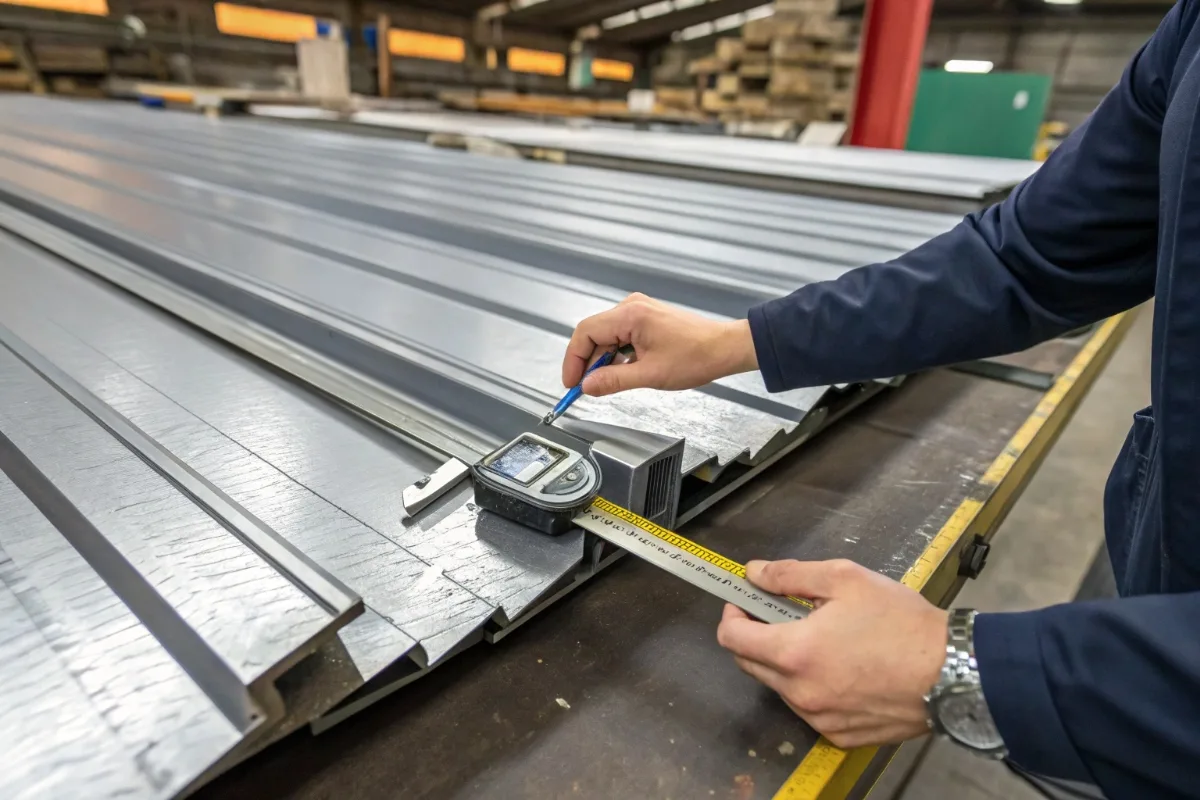
Measuring steel sheet thickness for roofing projects in a factory environment
Accurate thickness measurement ensures roofing materials meet project specifications.

Choosing the ideal steel sheet thickness depends on multiple factors, including building type,
purlin spacing, local wind and snow loads, and installation conditions. While thinner sheets are
easier to form and transport, they are more sensitive to installation quality and workmanship errors.

Thicker sheets delay corrosion penetration, particularly at fasteners, overlaps, and cut edges.
This advantage becomes more significant in coastal, high-humidity, or industrial environments,
where corrosion risk is elevated.

Balancing Cost and Durability
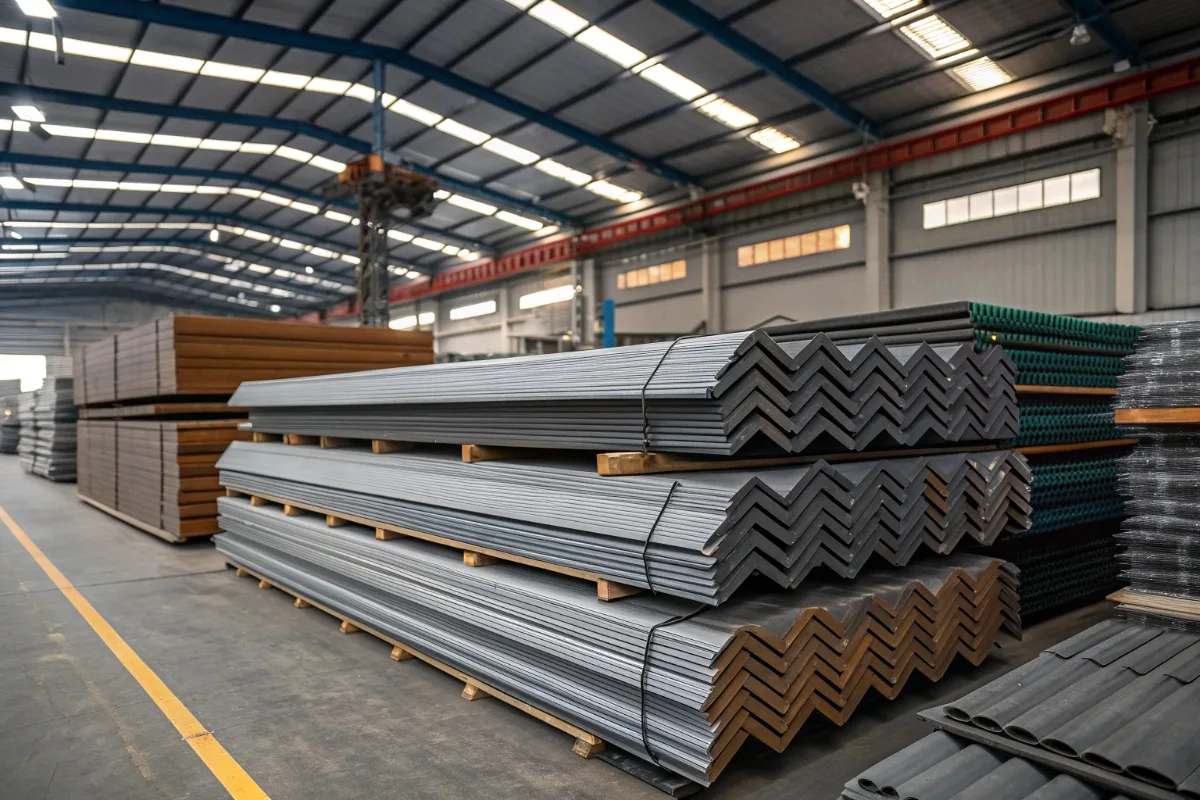
Steel roofing sheets of different thicknesses stacked in a warehouse for cost comparison
Material thickness influences both upfront cost and long-term maintenance expenses.

Thinner steel sheets typically lower initial material costs, but they may require closer purlin
spacing or additional structural support. These adjustments can increase total project cost,
offsetting the savings from thinner material.

Increased thickness improves acoustic performance by reducing vibration and noise from rain or wind.
Thicker roofing sheets also tend to support longer warranties and higher performance classifications,
which can enhance building value and buyer confidence over time.

Real-World Examples: Thin vs. Thick Steel Roofing
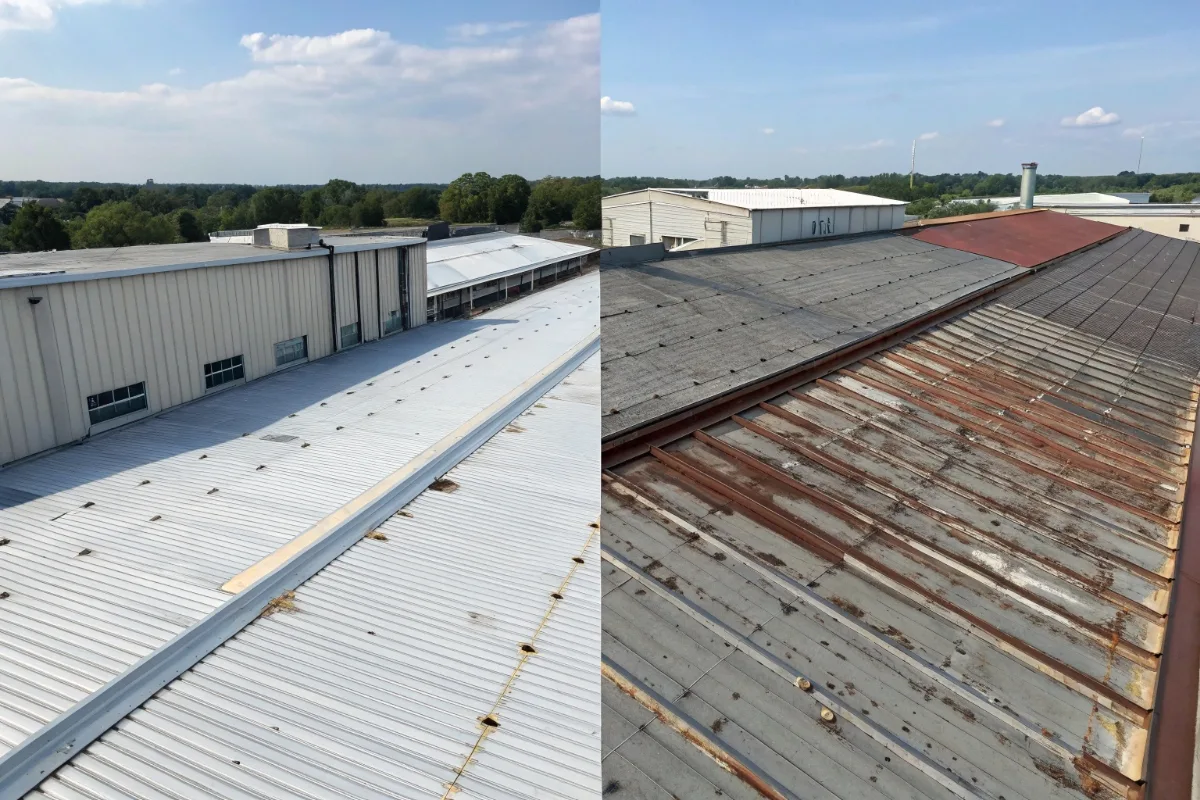
Comparison of thin versus thick steel roofing sheets after long-term outdoor exposure
Performance differences between thin and thick roofing sheets become clear over time.

In real-world applications, thin steel roofing may perform adequately in low-load environments
but often shows faster deformation, increased noise, and reduced fastener stability. Thicker
roofing sheets maintain profile integrity longer and better withstand extreme weather conditions.

Transportation and handling costs do increase with thickness due to higher weight per square meter.
However, when evaluated across the entire lifecycle, thicker sheets frequently deliver better
overall value through extended service life and reduced maintenance.

Conclusion

Steel sheet thickness has a direct and measurable impact on roofing durability, performance, and
total project cost. While thicker sheets provide superior strength, corrosion resistance, and
long-term reliability, selecting the optimal thickness—rather than the maximum thickness—is the
most economically sound decision.

By carefully evaluating structural requirements, environmental exposure, installation quality,
and lifecycle costs, project owners and buyers can select a steel roofing solution that balances
durability and budget while ensuring long-term performance.

Need Help Selecting the Right Steel Roofing Thickness?

Choosing the correct steel sheet thickness can significantly impact project performance and
total cost. If you are comparing specifications, applications, or export requirements,
professional guidance can help you avoid costly mistakes.

Contact us to discuss your roofing project requirements and receive tailored material
recommendations based on your market and application needs.

Share :

X
Facebook
LinkedIn
Pinterest
WhatsApp

More Tips

How to Identify High-Quality Galvanized Steel Coils Before You Buy?

A modern steel factory showcasing neatly stacked galvanized steel coils ready for export. Galvanized steel coils are the backbone of countless industries — from roofing and construction to automotive manufacturing. But not all galvanized coils are made equal. A small difference in coating weight, substrate quality, or surface finish can significantly affect long-term performance and your customers’ satisfaction. In this article, we’ll break down what truly defines high-quality galvanized steel coils, how to verify them before purchase, and what practical steps buyers can take to avoid costly surprises. 1. Understanding the Core Quality Factors of Galvanized Steel Coils Close-up of galvanized steel surface showing the natural zinc spangle texture. At the heart of every reliable galvanized coil lies a combination of substrate quality, zinc coating, and surface treatment. The substrate (the base steel) determines the coil’s strength and formability. Grades such as DX51D, SGCC, and SGCH are widely recognized in

Read More »
Modern steel factory with Aluzinc steel coils stacked in warehouse.

Why Aluzinc (GL) Coils Are Gaining Popularity in Construction and Roofing?

Why Aluzinc (GL) Coils Are Gaining Popularity in Construction and Roofing Aluzinc (GL) steel coils stored in a modern factory, ready for export. In recent years, Aluzinc (GL) steel coils have become one of the most preferred materials for roofing, wall cladding, and industrial construction. Their growing popularity is not just a trend—it’s a reflection of real performance advantages over traditional galvanized steel. This article explores why more global buyers, engineers, and project contractors are switching to Aluzinc, and what makes it the smarter long-term investment for modern construction. Table of Contents 1. What Makes Aluzinc (GL) Steel Coils Different from Galvanized Coils 2. Advantages of Aluzinc Coatings in Harsh Environments 3. Applications in Modern Roofing and Structural Projects 4. Market Insights: Why Global Buyers Are Switching to GL Coils Claim Final Thoughts 1. What Makes Aluzinc (GL) Steel Coils Different from Galvanized Coils Comparison between galvanized (zinc-coated) and Aluzinc

Read More »

How Do You Choose the Right Finish for Color-Coated Steel Coils to Ensure Long-Term Performance?

How Do You Choose the Right Finish for Color-Coated Steel Coils to Ensure Long-Term Performance? Color-coated steel coils (also known as PPGI and PPGL) are widely used in construction, appliances, and industrial manufacturing. Choosing the right coating finish is crucial to ensure long-term durability, appearance, and protection against harsh environmental conditions. This guide explains how to choose the right finish to achieve long-lasting performance. Table of Contents 1. Introduction to Color-Coated (PPGI/PPGL) Steel Coils and Their Uses 2. Comparing Coating Systems: Polyester, SMP, PVDF, and More 3. Key Factors to Evaluate Before Selecting a Color Coating 4. How Proper Maintenance Extends the Lifespan of Color-Coated Coils 1. Introduction to Color-Coated (PPGI/PPGL) Steel Coils and Their Uses Color-coated steel coils are pre-painted galvanized (PPGI) or galvalume (PPGL) steel sheets that combine aesthetics with corrosion protection. They are widely applied in roofing systems, wall panels, home appliances, and decorative construction materials. These

Read More »
Panoramic view of steel coils and logistics trucks representing the roofing steel supply chain from mill to roof.

How does the supply chain of roofing steel sheets work, from mill to roof?

From Mill to Roof: Understanding the Roofing Steel Supply Chain Claim: The roofing steel sheet supply chain is a story of transformation — from raw material to a finished product protecting homes and buildings. Understanding how each step connects helps buyers, distributors, and contractors ensure quality, reliability, and timely delivery. Table of Contents 1. How Steel Sheets Are Produced from Raw Material to Finished Coil 2. Logistics and Quality Control in Steel Sheet Exportation 3. Common Challenges in the Roofing Steel Supply Chain 4. Building Reliable Partnerships Between Mills, Traders, and End Users A panoramic view of the roofing steel supply chain — from mill to logistics. 1. How Steel Sheets Are Produced from Raw Material to Finished Coil Hot rolled coils being processed in a modern steel mill. Every roofing sheet begins its journey deep inside a steel mill. Iron ore, scrap steel, zinc, and aluminum are melted and

Read More »
Trusted Steel Supplier

Build Stronger with Premium Steel Solutions

Explore our wide range of galvanized, galvalume, and color-coated steel products for your next project.

Get A Quick Price Today