How Do You Choose the Right Finish for Color-Coated Steel Coils to Ensure Long-Term Performance?

How Do You Choose the Right Finish for Color-Coated Steel Coils to Ensure Long-Term Performance?

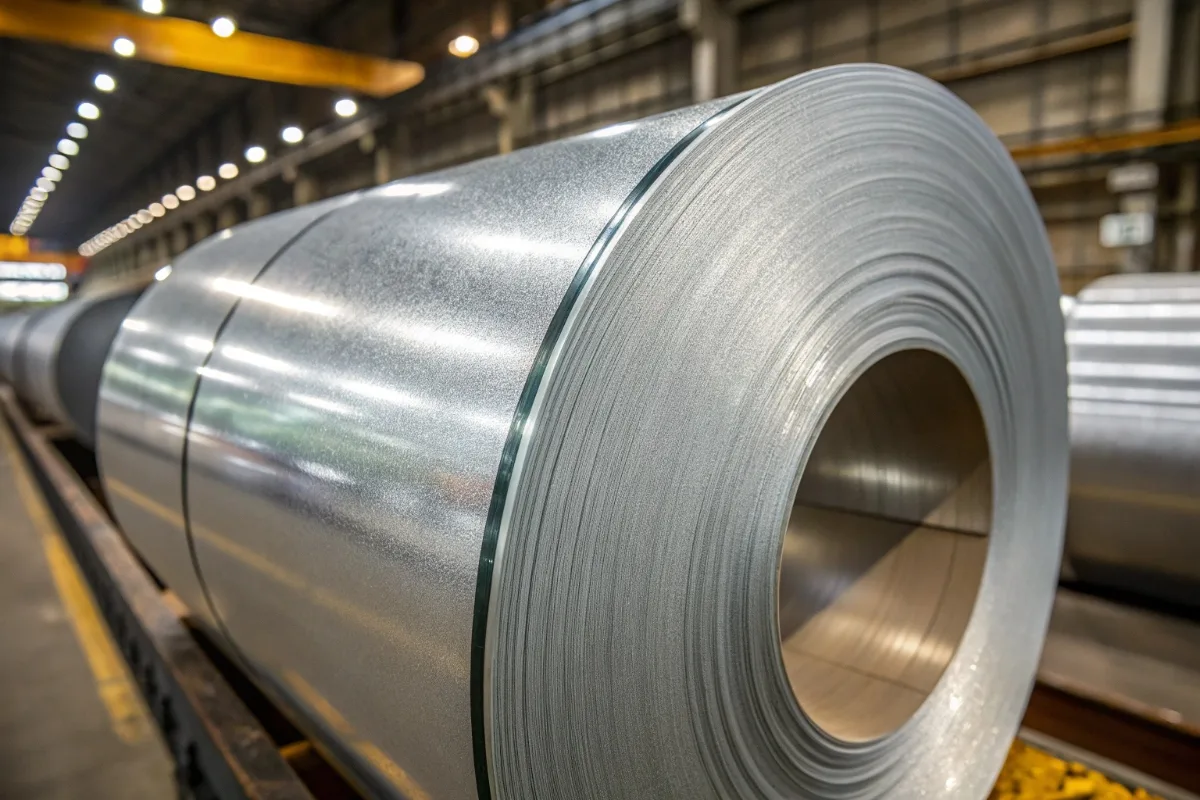
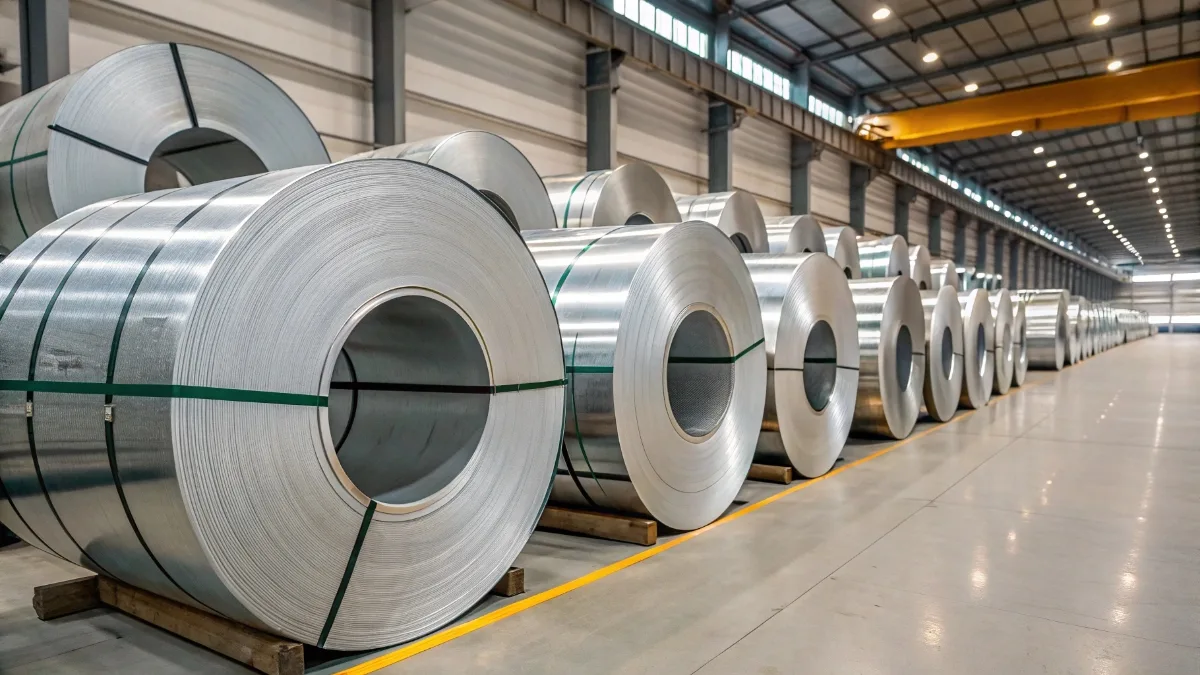
Color-coated steel coils (also known as PPGI and PPGL) are widely used in construction, appliances, and industrial manufacturing. Choosing the right coating finish is crucial to ensure long-term durability, appearance, and protection against harsh environmental conditions. This guide explains how to choose the right finish to achieve long-lasting performance.

Table of Contents

1. Introduction to Color-Coated (PPGI/PPGL) Steel Coils and Their Uses
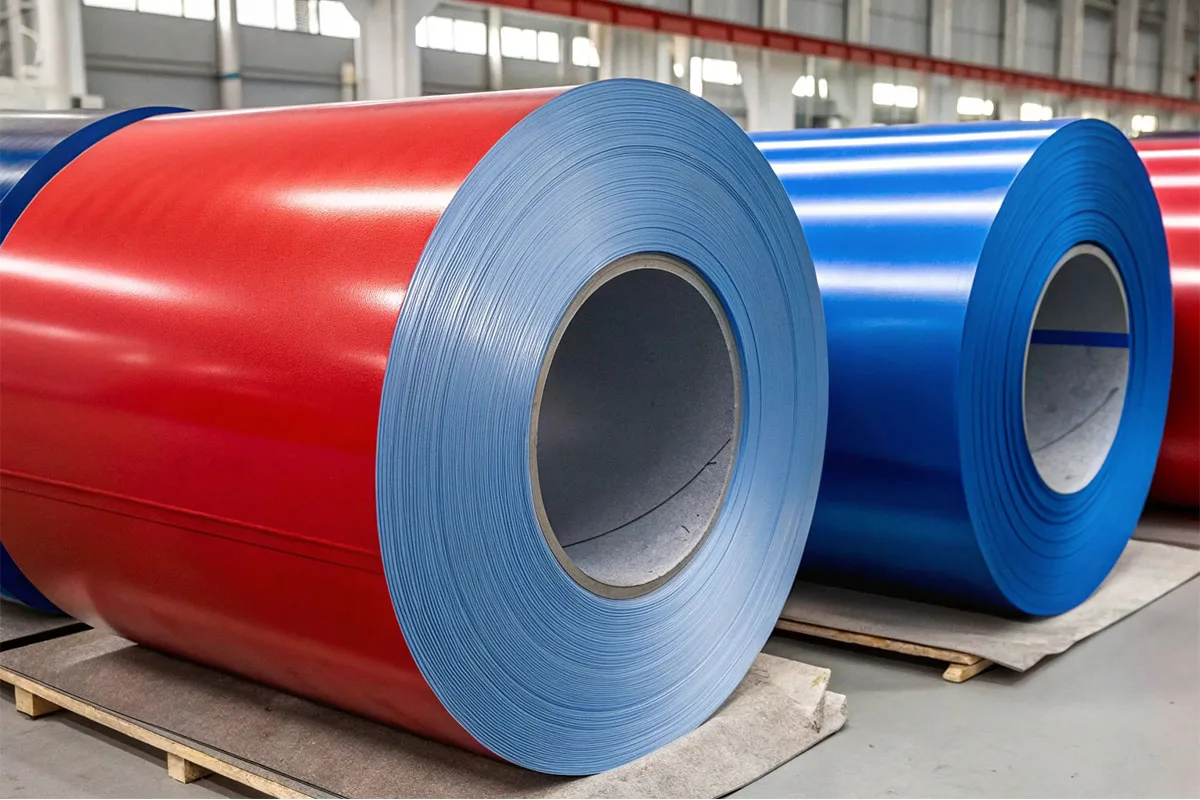
Color-coated steel coils are pre-painted galvanized (PPGI) or galvalume (PPGL) steel sheets that combine aesthetics with corrosion protection. They are widely applied in roofing systems, wall panels, home appliances, and decorative construction materials. These coils provide a durable, customizable surface finish that reduces the need for onsite painting.

2. Comparing Coating Systems: Polyester, SMP, PVDF, and More
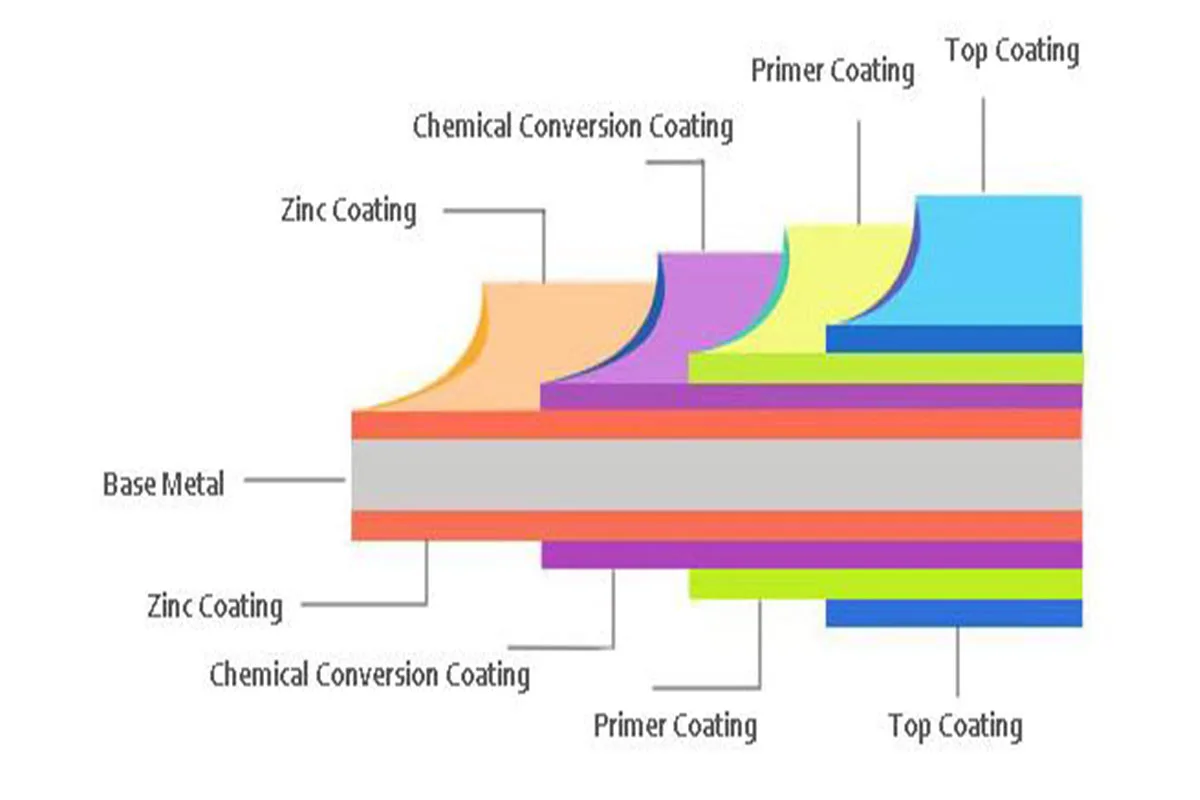
The resin type used in the coating significantly affects performance:

  • Polyester (PE): Cost-effective and suitable for general applications with moderate durability.
  • Silicone-Modified Polyester (SMP): Improved gloss retention, chalk resistance, and weatherability.
  • PVDF: Offers superior UV, color stability, and chemical resistance — ideal for extreme environments.

Other systems, such as high-durability FEVE or polyurethane coatings, are also available for specialized needs like coastal buildings or industrial plants.

3. Key Factors to Evaluate Before Selecting a Color Coating
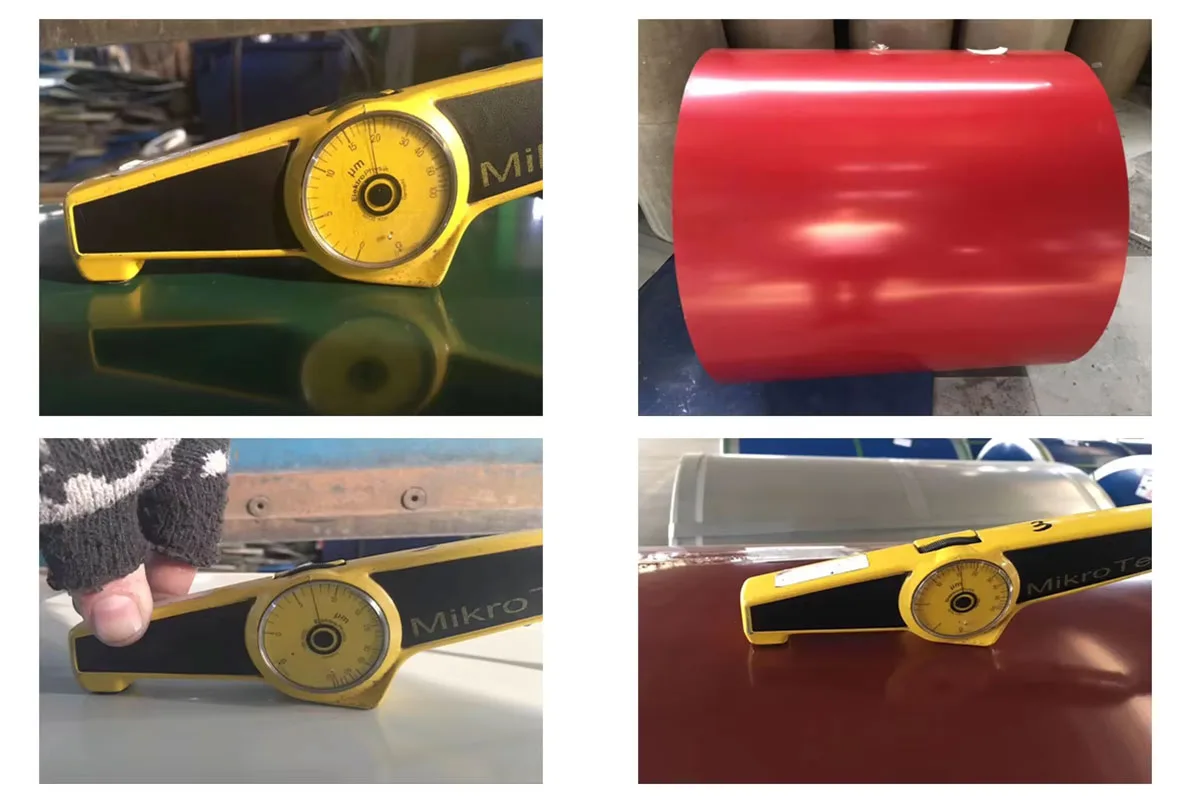
Before choosing a coating system, consider the following aspects:

  • Pre-treatment and primer quality: Good surface cleaning and primer adhesion prevent blistering and peeling.
  • Coating thickness: Thicker coatings resist wear better but may reduce flexibility if over-applied.
  • Environmental exposure: UV radiation, humidity, salt spray, and acid rain all affect coating life.
  • Formability: Coatings must remain flexible for bending or roll-forming without cracking.
  • Thermal expansion match: A consistent CTE between layers reduces stress during temperature changes.

4. How Proper Maintenance Extends the Lifespan of Color-Coated Coils

Worker cleaning color-coated roofing panels to maintain long-term performance

Even the best coatings require regular maintenance. Dust, salt, or pollutants can degrade coatings over time. Periodic cleaning using mild detergents helps maintain appearance and prevents corrosion. For long-term protection, consider finishes with self-cleaning or hydrophobic properties that minimize dirt accumulation.

Conclusion

When selecting a finish for color-coated steel coils, consider the environment, coating system, and maintenance requirements. While PVDF or FEVE coatings come at a higher initial cost, they offer the best long-term performance and color stability for demanding conditions. Evaluating these factors ensures your project achieves both durability and visual appeal over time.

Share :

X
Facebook
LinkedIn
Pinterest
WhatsApp

More Tips

Comparison image of galvanized and galvalume steel coils under daylight showing coating texture differences.

Galvanized vs. Galvalume Steel Coils: Which Is Better for Roofing Projects?

Galvanized vs. Galvalume Steel Coils: Which Is Better for Roofing Projects? Claim: While both galvanized and galvalume steel coils are widely used for roofing, Galvalume generally provides longer service life and better performance in harsh or humid environments, whereas Galvanized steel remains a practical, budget-friendly choice for moderate climates and shorter-term projects. Galvanized (zinc-coated) and Galvalume (aluminum-zinc alloy coated) steel coils side by side — two leading materials for roofing applications. Table of Contents 1. What Are Galvanized and Galvalume Steel Coils? 2. Key Differences in Composition and Performance 3. Advantages and Disadvantages for Roofing Applications 4. How to Choose the Right Coil for Your Climate and Budget Conclusion 1. What Are Galvanized and Galvalume Steel Coils? Both galvanized and galvalume steel coils start as carbon steel sheet that is coated to improve corrosion resistance. The coating is the key difference: Galvanized steel is coated primarily with zinc to provide

Read More »
Diagram comparing ASTM, EN, and JIS steel coil standards

What Are the Top 5 International Quality Standards Every Steel Coil Exporter Should Follow?

Top 5 International Quality Standards Every Steel Coil Exporter Should Follow Claim To compete in the global steel market, exporters must ensure that every steel coil meets internationally recognized standards such as ASTM, EN, JIS, ISO, and SGS Certification. These standards not only define product quality but also build credibility and trust with overseas buyers. Table of Contents Understanding Global Steel Coil Standards (ASTM, EN, JIS) Why Certification Matters for International Trade Common Testing Methods for Steel Coil Quality How to Ensure Compliance and Build Buyer Trust Conclusion Understanding Global Steel Coil Standards (ASTM, EN, JIS) Global buyers expect steel coils that meet unified performance benchmarks. The three most widely used international standards include: ASTM (American Society for Testing and Materials): Sets technical standards for chemical composition, tensile strength, yield, and coating thickness—essential for buyers in the US and Latin America. EN (European Norm): Defines structural and surface requirements for

Read More »

What Is the Difference Between PPGI and PPGL?

Table of Contents Performance Comparison: Durability, Color, and Corrosion Resistance Best Applications for Each Coil Type How to Choose the Right Product for Your Target Market PPGI and PPGL are two widely used pre-painted steel coil types in international construction, roofing, and manufacturing sectors. Although both belong to the “pre-painted steel” category, the coating composition and performance differ significantly, leading to different applications and market suitability. Performance Comparison: Durability, Color, and Corrosion Resistance    Technical comparison of PPGI vs PPGL coating layers. The primary difference between PPGI and PPGL lies in the metallic coating applied before the painting layer. PPGI uses pure zinc coating, while PPGL applies a special aluminium-zinc alloy. This alloy dramatically enhances corrosion resistance and heat reflectivity, making PPGL more durable in harsh outdoor environments. Best Applications for Each Coil Type Environmental comparison: PPGI for mild climates, PPGL for coastal/high humidity regions. PPGI is widely used where

Read More »
Why zinc coating thickness matters for galvanized steel coils

Why Does Zinc Coating Thickness Matter for Long-Lasting Steel Coils?

Zinc coating thickness is one of the most critical factors determining the real service life of galvanized and aluminum-zinc coated steel coils. While many buyers focus on base steel grade or price, coating mass directly influences corrosion resistance, durability, and total lifecycle cost — especially in demanding environments. Understanding Zinc Coating Layers and Symbols (Z, AZ) Zinc coatings are typically specified using symbols such as Z (pure zinc) or AZ (aluminum-zinc alloy). These symbols represent not only the coating type, but also the protective mechanism. Pure zinc provides sacrificial protection, while aluminum-zinc coatings combine barrier protection with sacrificial behavior. Common coating mass designations like Z100, Z180, Z275 or AZ150, AZ185 indicate the total coating weight applied to both sides of the steel sheet and are directly linked to expected corrosion resistance. How Coating Thickness Affects Corrosion Resistance Thicker zinc coatings significantly slow corrosion progression compared to thin coatings. Zinc protects

Read More »
Trusted Steel Supplier

Build Stronger with Premium Steel Solutions

Explore our wide range of galvanized, galvalume, and color-coated steel products for your next project.

Get A Quick Price Today