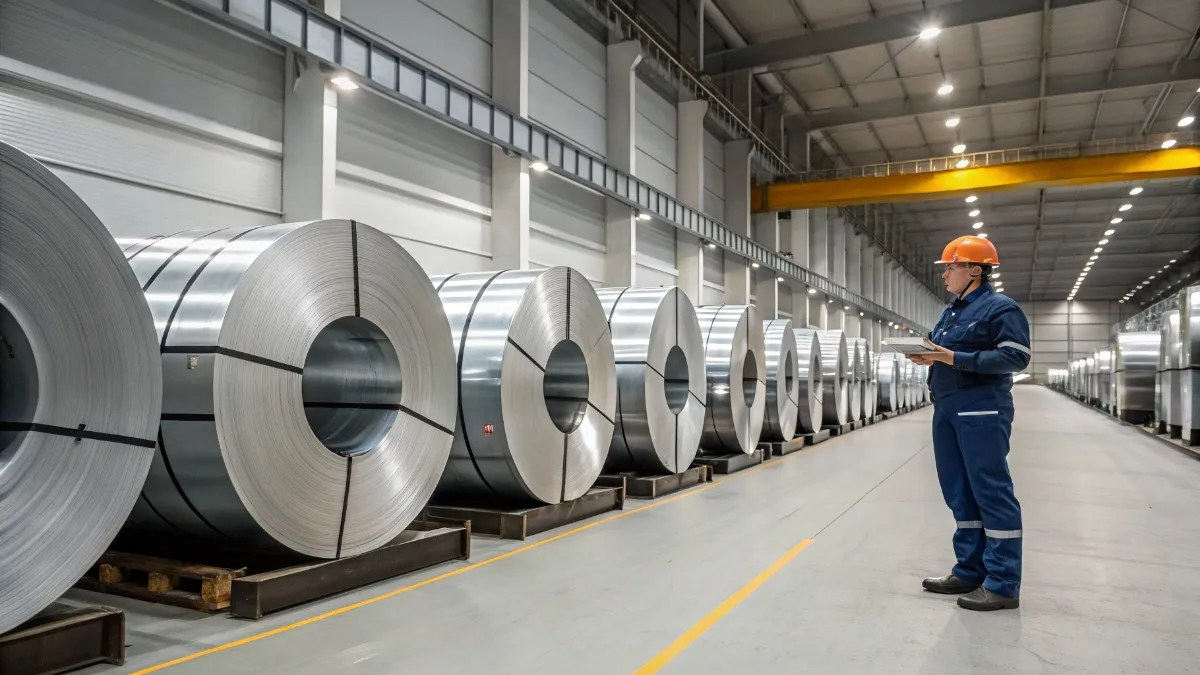
How Do You Calculate Steel Coil Weight and Optimize Container Loading Efficiency?

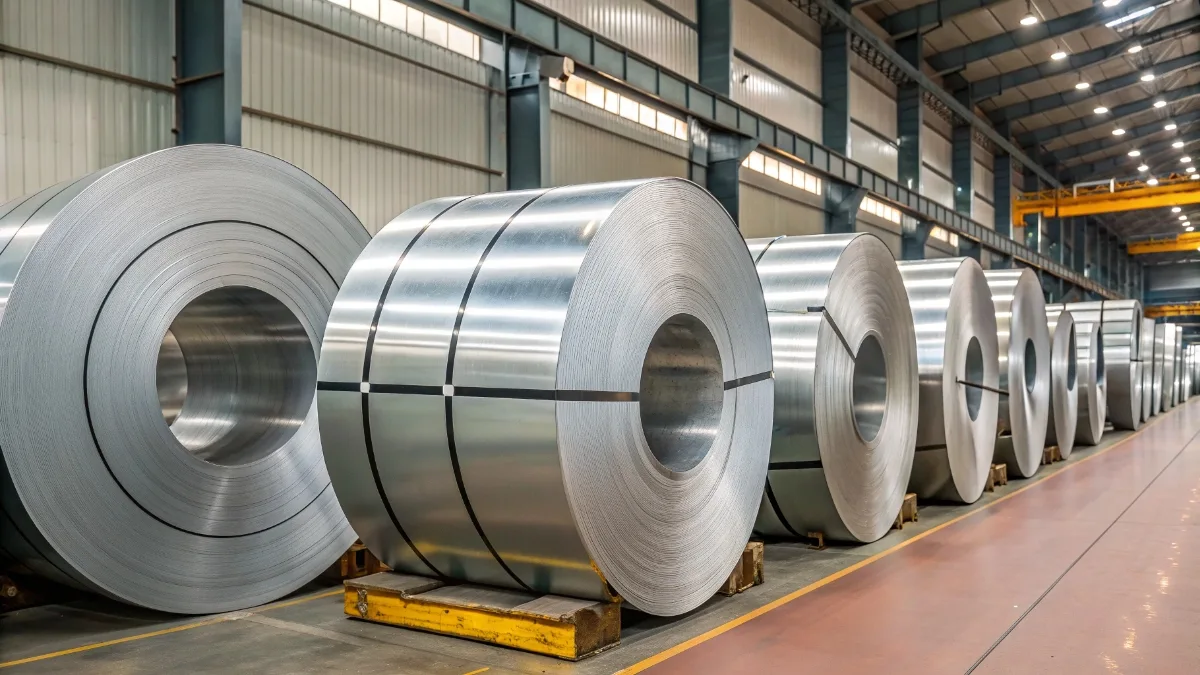
Efficient container loading is critical for reducing freight cost and maximizing shipping value.

When sourcing steel coils for export, two questions always come up: how much does each coil weigh, and how can containers be loaded more efficiently? These are not just technical details—they directly impact your purchase cost, freight expenses, and overall profitability.

By understanding weight calculation and container loading strategies, buyers can avoid wasted capacity, reduce logistics costs, and make smarter purchasing decisions.

Basic Formula for Calculating Steel Coil Weight

Steel coil weight is calculated based on three main factors: thickness, width, and length. The standard formula is:

Weight (kg) = Thickness (mm) × Width (mm) × Length (m) × 7.85 ÷ 1000

In international trade, a simplified formula is commonly used:

Weight (tons) = Thickness × Width × 7.85 × Length ÷ 1,000,000
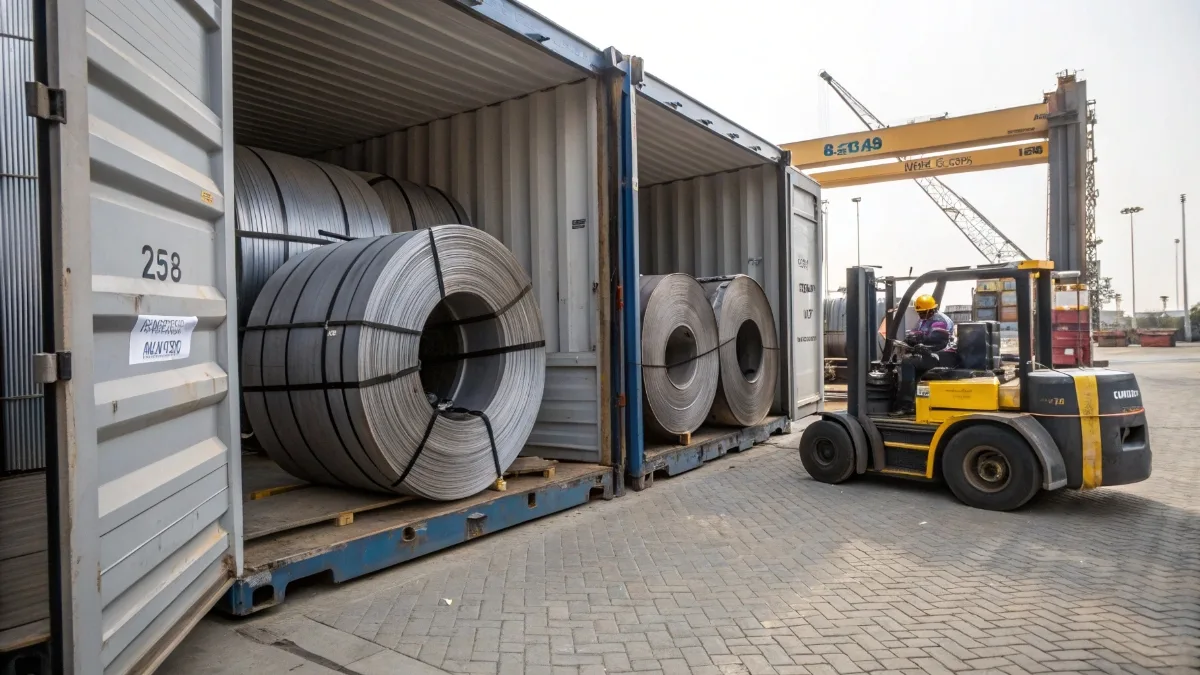
Thickness, width, and length are the key variables used to calculate steel coil weight.

The constant 7.85 represents the density of steel. In practice, buyers often rely on supplier data such as outer diameter (OD) and inner diameter (ID) to estimate coil length and verify weight.

Accurate weight calculation helps buyers verify quotations, avoid discrepancies, and ensure compliance with contract specifications.

Factors That Influence Loading Efficiency

Once weight is understood, the next step is optimizing how coils are loaded into containers. The primary limitation is container payload capacity.

A standard 20GP container typically carries around 25–28 tons, depending on local regulations and shipping conditions. Poor planning can result in unused capacity or unnecessary freight costs.

In addition to weight, coil dimensions such as outer diameter, inner diameter, and width affect how many coils can physically fit into a container.

Optimized loading minimizes empty space and reduces freight cost per ton.

How to Plan Container Loading for Cost Savings

Efficient loading starts with matching coil weight to container limits. For example, instead of loading three 8-ton coils (24 tons total), it may be more efficient to load two coils of 12–13 tons each, reaching closer to the maximum allowed weight.

Another effective strategy is mixing heavy and light coils to fine-tune total weight. This approach helps maximize payload without exceeding limits.

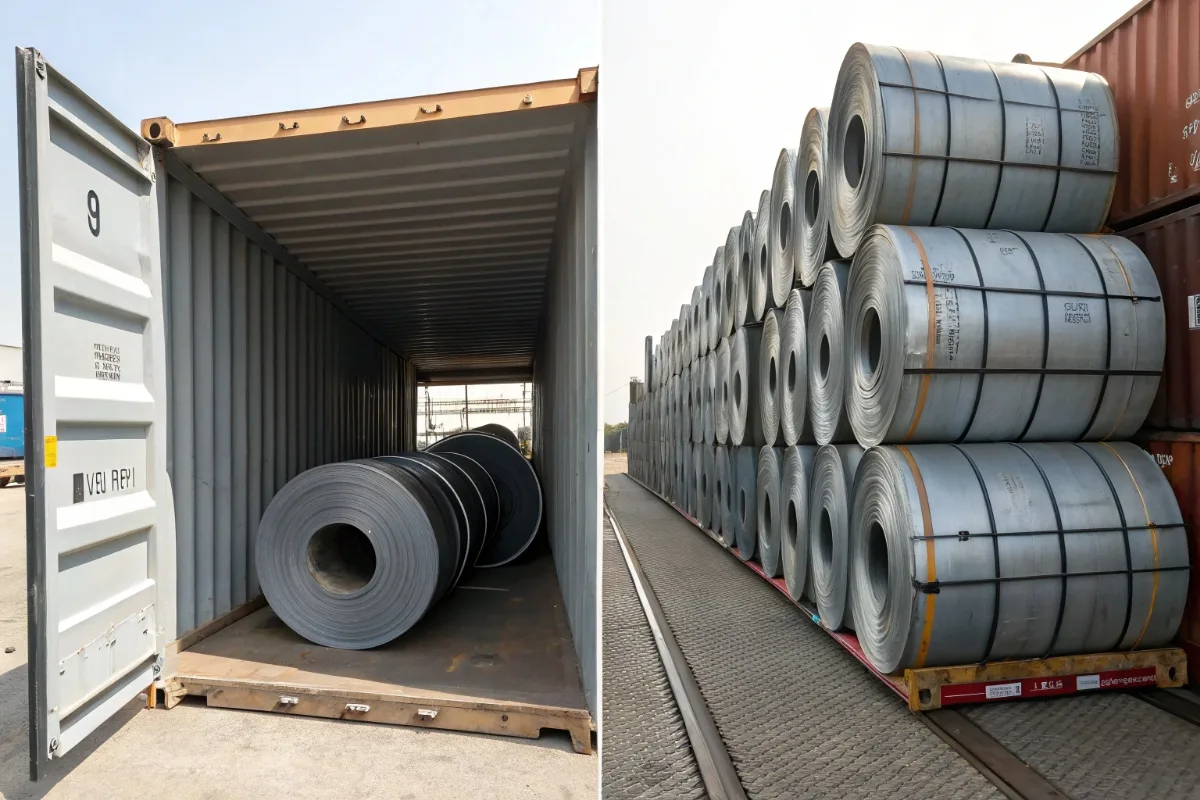
Loading method also plays an important role:

  • Eye-to-side: More stable and widely used
  • Eye-to-sky: Can improve space utilization in certain cases
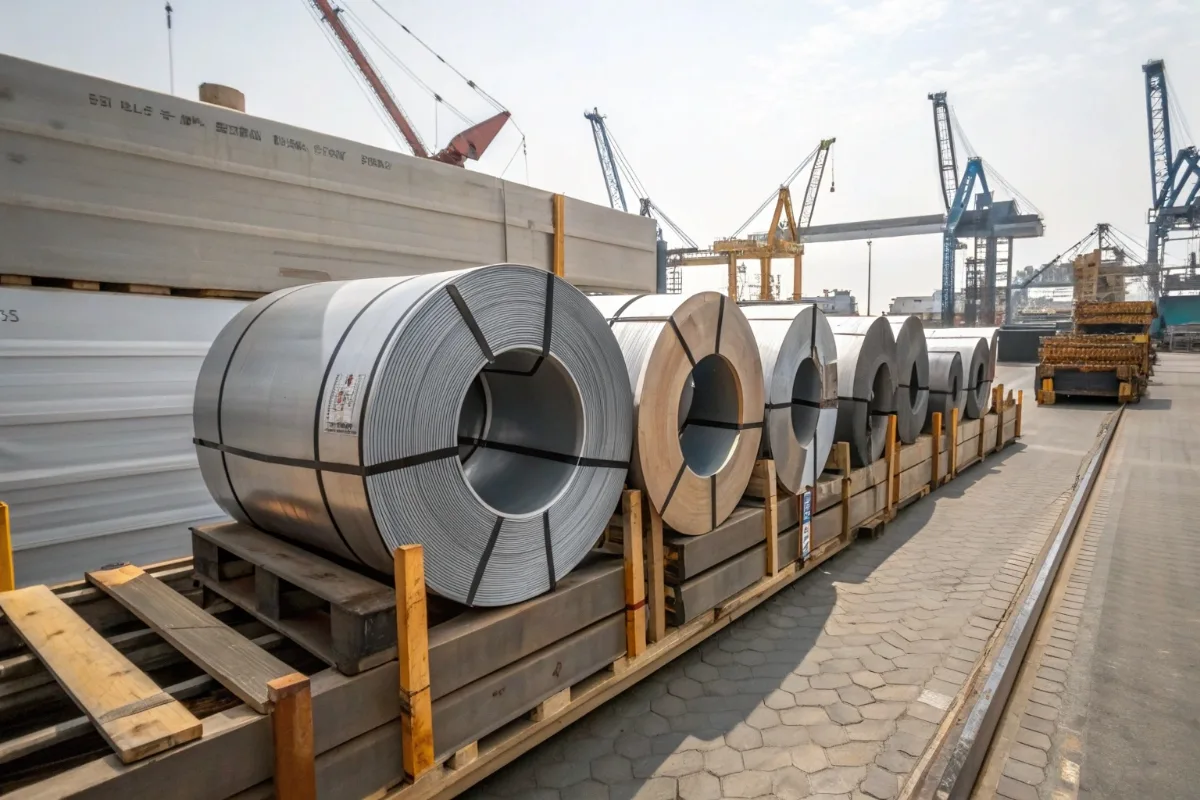
Different loading orientations affect both safety and space efficiency during transport.

Advanced buyers often pre-plan loading arrangements and coordinate with suppliers to customize coil weight, ensuring each container is fully optimized before shipment.

Tools and Software for Accurate Weight Estimation

To improve accuracy and efficiency, many buyers use digital tools such as Excel calculators or online steel weight estimation tools. These tools allow quick calculation of coil weight and help simulate different loading combinations.

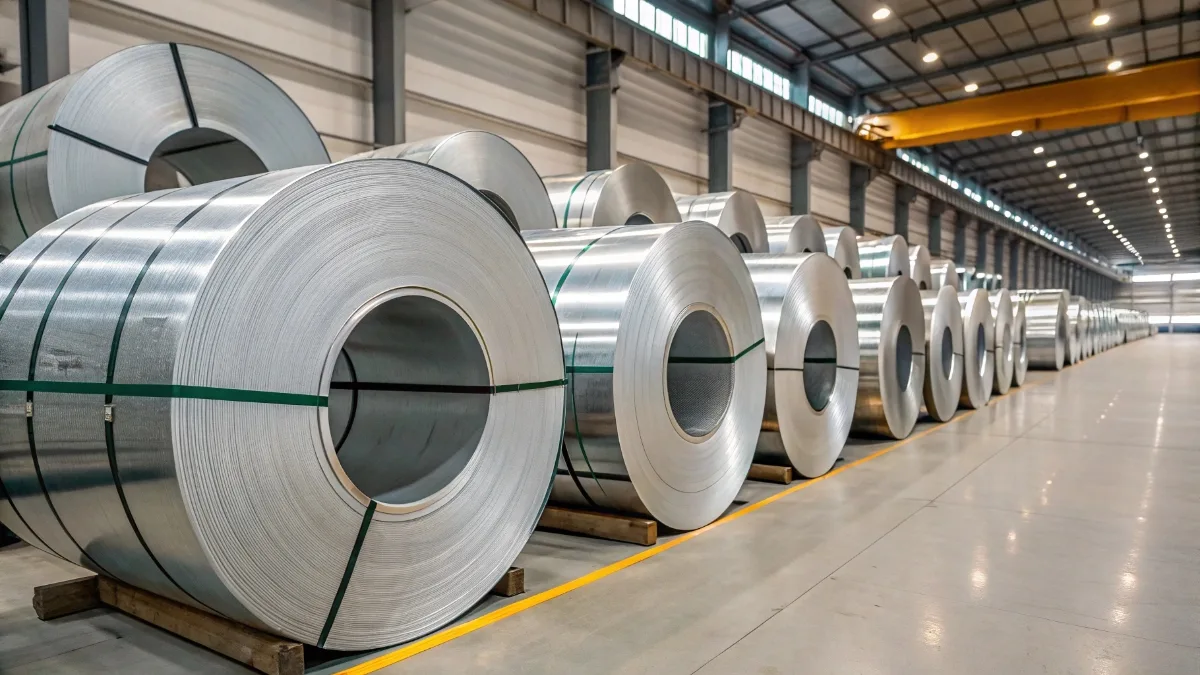
Pre-planned loading layouts help improve efficiency and reduce logistics costs.

For larger operations, integrating these calculations into procurement or logistics systems can further improve consistency and reduce manual errors.

Conclusion

Steel coil weight calculation and container loading optimization are essential for efficient international trade. By understanding the relationship between coil specifications and container capacity, buyers can reduce waste, control costs, and improve overall logistics performance.

Even small improvements in each shipment can lead to significant savings over time, especially for businesses handling large volumes of steel products.

Want to Reduce Your Shipping Cost per Ton?

We help global buyers optimize steel coil orders by calculating accurate weights, customizing coil sizes, and planning container loading for maximum efficiency.

If you’re looking to reduce freight costs and improve loading performance, contact us for a customized loading plan based on your project requirements.
Share :

X
Facebook
LinkedIn
Pinterest
WhatsApp

More Tips

Why zinc coating thickness matters for galvanized steel coils

Why Does Zinc Coating Thickness Matter for Long-Lasting Steel Coils?

Zinc coating thickness is one of the most critical factors determining the real service life of galvanized and aluminum-zinc coated steel coils. While many buyers focus on base steel grade or price, coating mass directly influences corrosion resistance, durability, and total lifecycle cost — especially in demanding environments. Understanding Zinc Coating Layers and Symbols (Z, AZ) Zinc coatings are typically specified using symbols such as Z (pure zinc) or AZ (aluminum-zinc alloy). These symbols represent not only the coating type, but also the protective mechanism. Pure zinc provides sacrificial protection, while aluminum-zinc coatings combine barrier protection with sacrificial behavior. Common coating mass designations like Z100, Z180, Z275 or AZ150, AZ185 indicate the total coating weight applied to both sides of the steel sheet and are directly linked to expected corrosion resistance. How Coating Thickness Affects Corrosion Resistance Thicker zinc coatings significantly slow corrosion progression compared to thin coatings. Zinc protects

Read More »
Steel roofing sheets installed on industrial buildings showing strength and durability

How Does Steel Sheet Thickness Impact Roofing Durability and Project Costs?

How Steel Sheet Thickness Impacts Roofing Durability and Project Cost Steel sheet thickness is one of the most influential factors in metal roofing performance. It directly affects structural strength, resistance to environmental loads, service life, and the total cost of a roofing project. Selecting the appropriate thickness is not simply about choosing the thickest material available—it requires balancing durability, structural requirements, installation conditions, and budget constraints. Table of Contents The Role of Steel Sheet Thickness in Roofing Strength How to Choose the Ideal Thickness for Your Project Balancing Cost and Durability Real-World Examples: Thin vs. Thick Steel Roofing Conclusion The Role of Steel Sheet Thickness in Roofing Strength Thicker steel sheets provide greater rigidity and resistance to wind and impact loads. Thicker steel sheets offer higher structural strength, improving resistance to wind uplift, impact loads, and foot traffic during installation and maintenance. Increased thickness reduces the risk of denting and

Read More »
Steel coils stored in factory warehouse ready for pre-shipment surface inspection

How Can Buyers Inspect Steel Coil Surface Quality Before Shipment? What Should a Proper Checklist Include?

How to Inspect Steel Coil Surface Quality Before Shipment: A Buyer’s Checklist Before steel coils are shipped overseas, surface quality inspection plays a critical role in preventing disputes, claims, and downstream processing issues. For buyers, especially importers and distributors, surface defects that go unnoticed before shipment can quickly translate into financial loss, project delays, or customer dissatisfaction. Why Surface Quality Inspection Matters Before Shipping Surface condition is often the first indicator of overall manufacturing quality and process control. Even when mechanical properties meet specification, surface defects such as scratches, dents, coating discontinuities, or corrosion spots can significantly reduce the usable value of a steel coil. Because most surface-related claims arise after unloading or processing, conducting a systematic inspection before shipment helps buyers identify issues early and establish clear quality documentation. Visual inspection under proper lighting helps identify surface defects before coils are packed for export. Key Visual and Dimensional Inspection

Read More »
Alu-zinc coated steel coils stored in warehouse for construction and roofing applications

Why Are More Buyers Choosing Alu-Zinc Coated Steel for Extreme Environments?

Alu-zinc coated steel coils are widely used in roofing and construction due to their excellent corrosion resistance and durability. As construction projects increasingly expand into coastal regions, humid climates, and industrial zones, the demand for more durable building materials continues to grow. Traditional galvanized steel has long been used for roofing and structural applications, but many buyers are now turning to Alu-Zinc coated steel as a more resilient solution. Thanks to its unique coating composition, aluminum-zinc coated steel offers superior corrosion resistance, longer service life, and improved performance under extreme environmental conditions. These advantages make it an increasingly popular choice for roofing, infrastructure, and industrial buildings worldwide. What Is Alu-Zinc Coated Steel and How It’s Made Alu-zinc coated steel, sometimes known as aluminum-zinc alloy coated steel, is produced by applying a metallic coating composed primarily of aluminum and zinc onto a steel substrate through a continuous hot-dip coating process. The

Read More »
Trusted Steel Supplier

Build Stronger with Premium Steel Solutions

Explore our wide range of galvanized, galvalume, and color-coated steel products for your next project.

Get A Quick Price Today