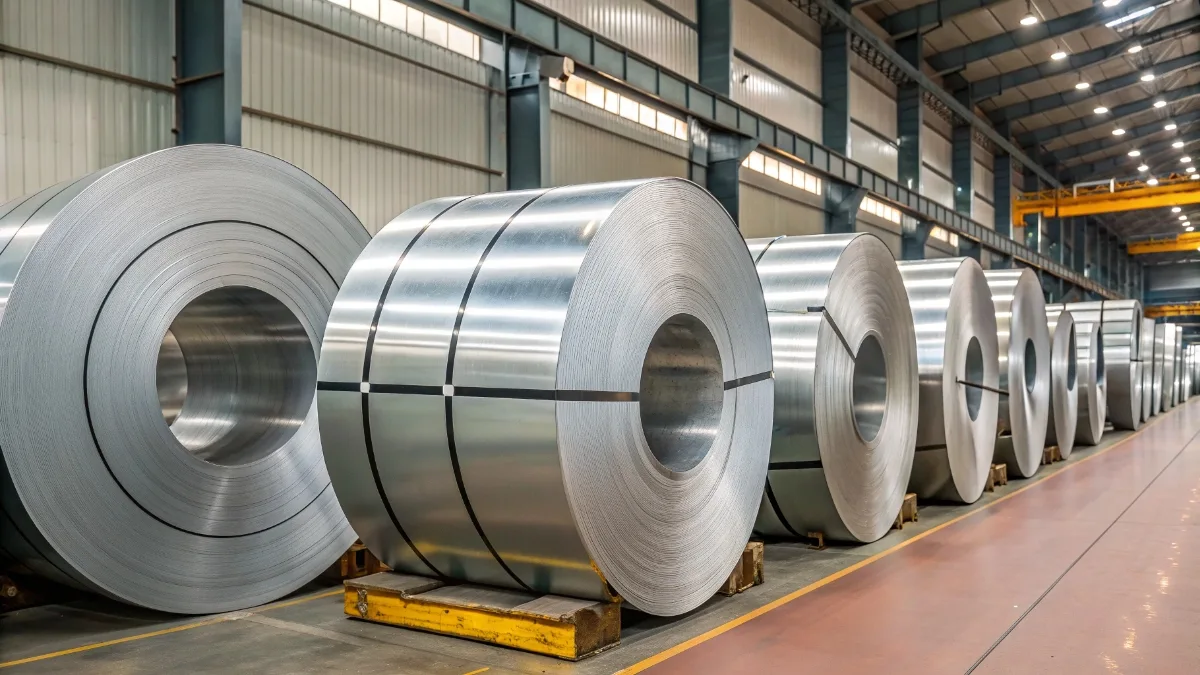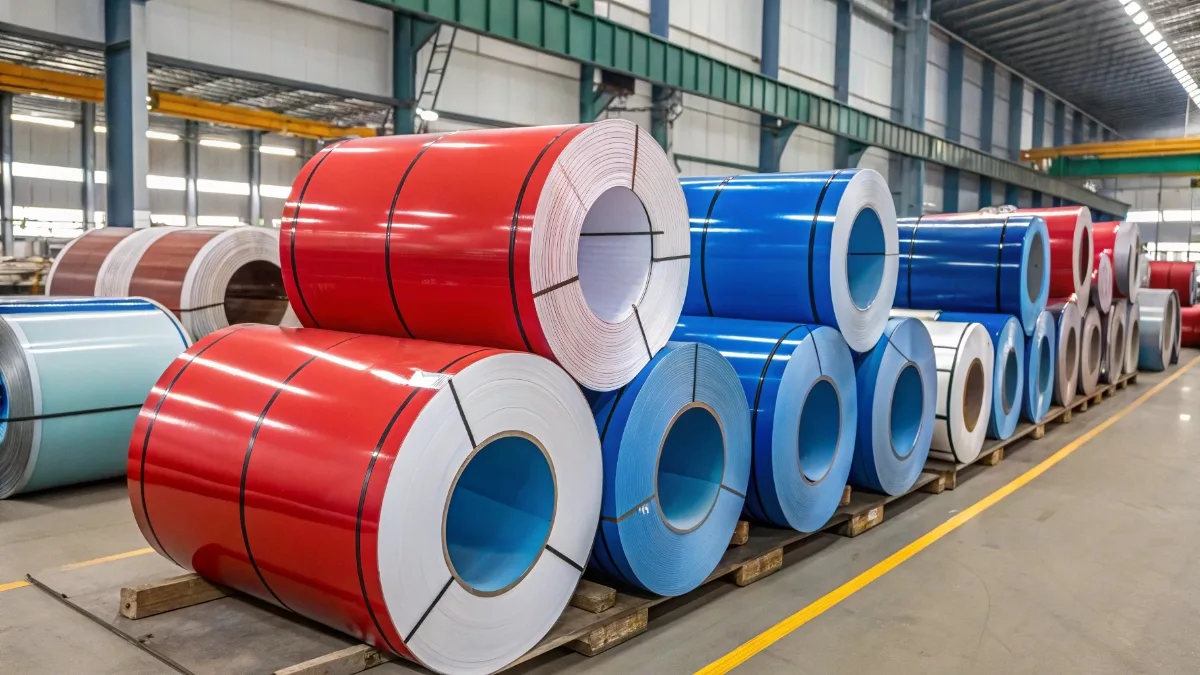
Custom steel coil production line showing precision rolling and variable coil thickness.

How do custom thickness and width in steel coils help cut costs for buyers?

How Do Custom Thickness and Width in Steel Coils Help Cut Costs for Buyers?

Claim: Customizing the thickness and width of steel coils allows buyers to optimize material usage, reduce waste, and achieve measurable cost savings throughout the production and logistics process.

Table of Contents

Custom steel coil production line showing precision rolling and variable coil thickness.
Precision control in coil rolling helps optimize thickness and reduce waste.

1. Why Coil Thickness and Width Matter in Industrial Projects

In any steel fabrication or construction project, choosing the right coil dimensions is crucial. Standard coil sizes often lead to unnecessary cutting, trimming, and leftover materials that end up as scrap. Customizing the coil thickness and width allows buyers to match the material exactly to their production requirements, eliminating inefficiencies right from the start.
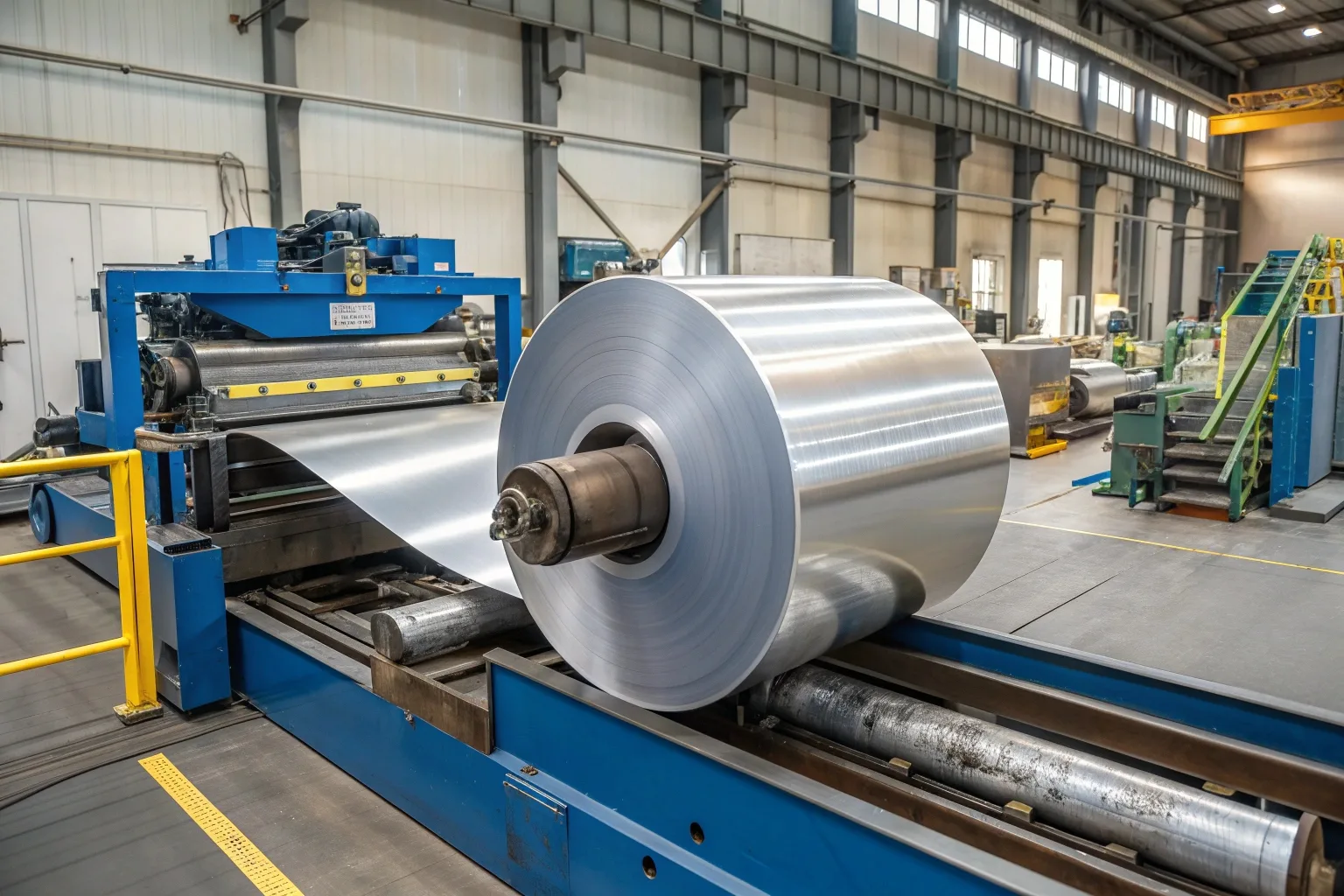
Roll-forming machine using custom coil width to reduce material waste.
Matching coil width with roll-forming equipment ensures smoother production and less trimming waste.

2. How Customized Specifications Improve Material Utilization

When steel coils are tailored to fit the exact dimensions of a manufacturer’s roll-forming line or fabrication equipment, material utilization increases significantly. The less you need to trim, the higher your yield per ton of steel purchased. Custom thickness ensures that you are not overpaying for excess material that adds weight but no structural value. This precision-based approach helps maximize both productivity and profitability.
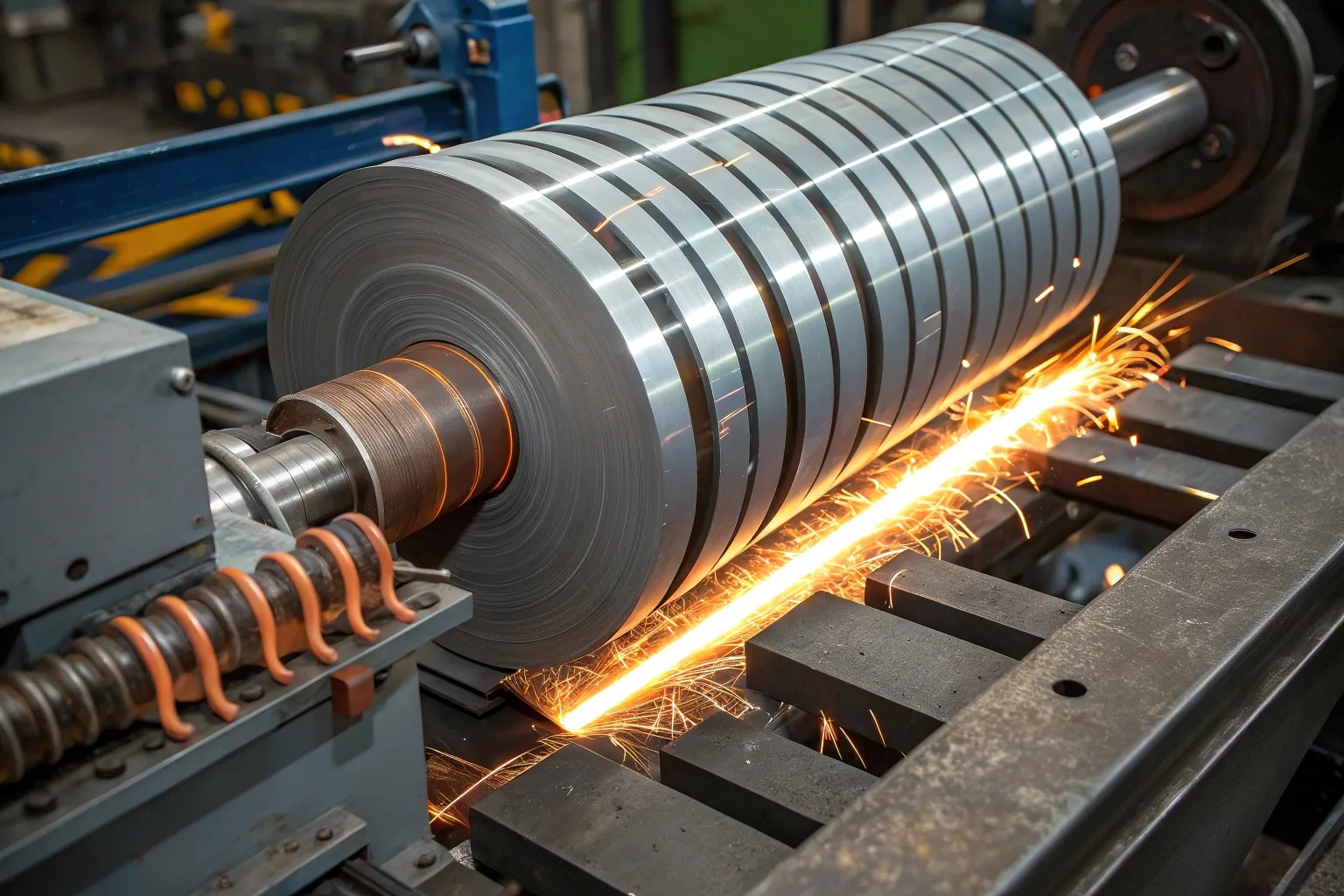
Precision slitting machine cutting steel coils into custom widths.
Slitting steel coils to custom widths increases efficiency and reduces scrap metal waste.

3. Cost Optimization Through Precision Rolling and Cutting

Every millimeter matters when it comes to large-scale production. Precision rolling technology enables steel producers to control thickness variations within tight tolerances. By purchasing coils that are rolled and cut to exact dimensions, buyers save on additional processing, rework, and handling costs. Moreover, thinner coils can lower transportation costs and reduce total weight without compromising quality—especially valuable in large export shipments.
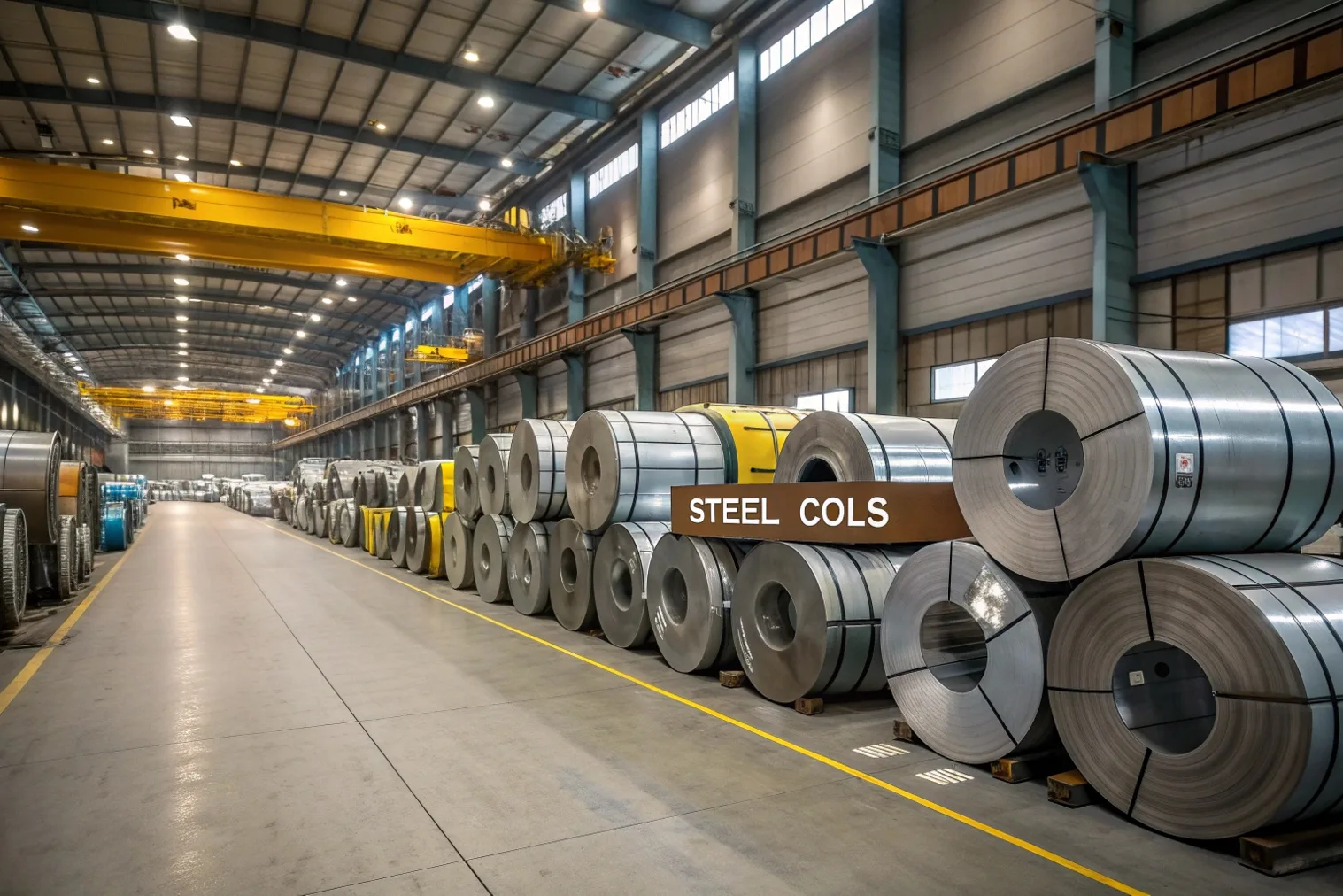
Warehouse with custom-width and custom-thickness steel coils ready for shipment.
Custom-dimension coils organized for efficient logistics and delivery.

4. Partnering with Suppliers for Made-to-Order Steel Coil Solutions

Cost reduction doesn’t end with the material itself—it extends to your supplier relationships. Working closely with a steel mill or trading partner who understands your exact requirements allows you to order made-to-measure coils that fit seamlessly into your production line. Reliable partners help plan lead times, ensure consistent quality, and minimize unnecessary inventory storage. This kind of collaboration transforms a transactional purchase into a strategic sourcing advantage.
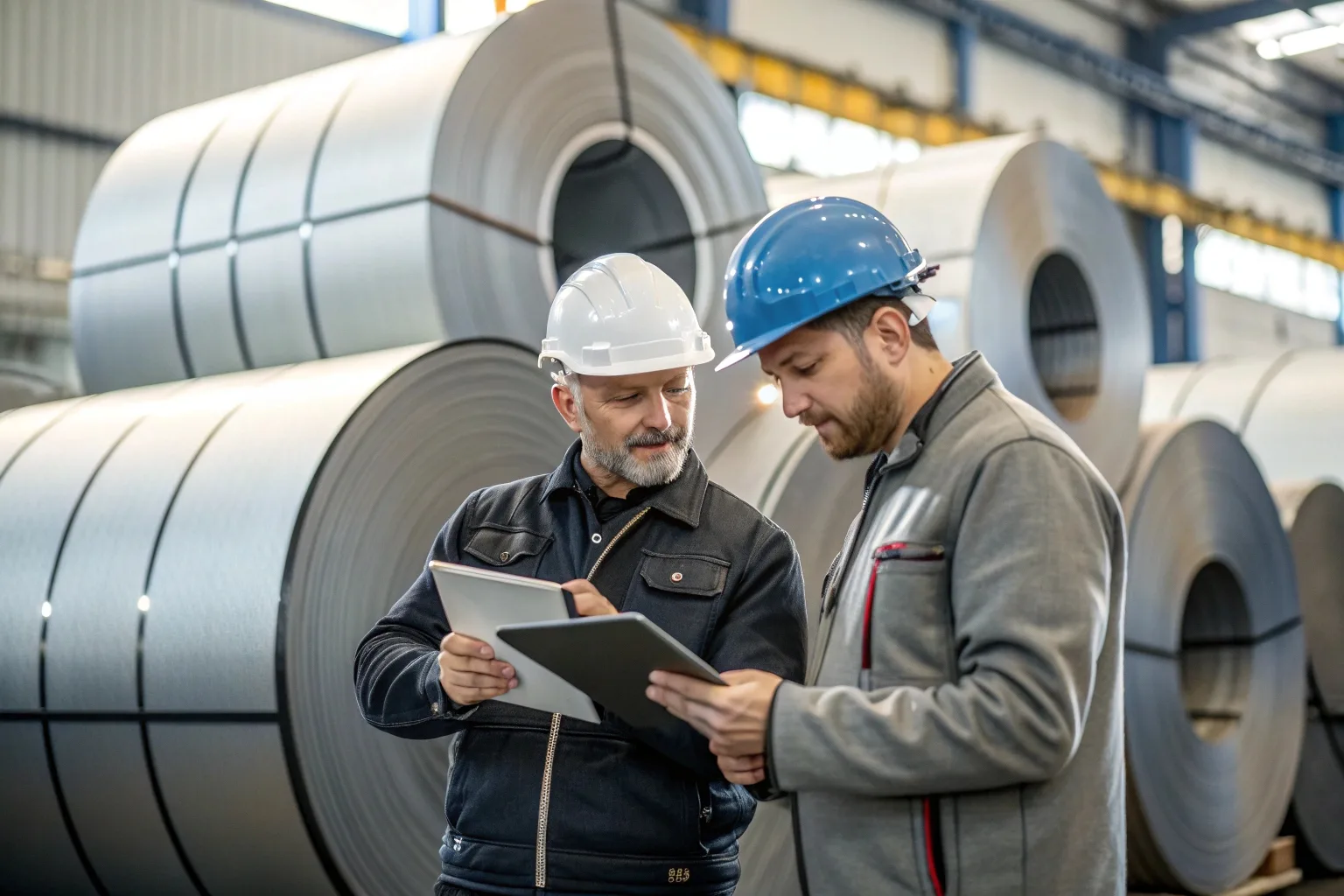
Close cooperation between buyers and suppliers ensures optimal coil customization and efficiency.

5. Conclusion

Customizing the thickness and width of steel coils is not just a technical adjustment—it’s a strategic move that helps buyers save money, streamline production, and improve operational efficiency. From minimizing scrap and reducing shipping weight to aligning material specs with equipment needs, the benefits are measurable at every stage of the supply chain. In today’s competitive steel market, the most successful buyers are those who see coil customization not as an extra service, but as a smart investment in long-term cost control.
Share :

X
Facebook
LinkedIn
Pinterest
WhatsApp

More Tips

Steel roofing sheets installed on industrial buildings showing strength and durability

How Does Steel Sheet Thickness Impact Roofing Durability and Project Costs?

How Steel Sheet Thickness Impacts Roofing Durability and Project Cost Steel sheet thickness is one of the most influential factors in metal roofing performance. It directly affects structural strength, resistance to environmental loads, service life, and the total cost of a roofing project. Selecting the appropriate thickness is not simply about choosing the thickest material available—it requires balancing durability, structural requirements, installation conditions, and budget constraints. Table of Contents The Role of Steel Sheet Thickness in Roofing Strength How to Choose the Ideal Thickness for Your Project Balancing Cost and Durability Real-World Examples: Thin vs. Thick Steel Roofing Conclusion The Role of Steel Sheet Thickness in Roofing Strength Thicker steel sheets provide greater rigidity and resistance to wind and impact loads. Thicker steel sheets offer higher structural strength, improving resistance to wind uplift, impact loads, and foot traffic during installation and maintenance. Increased thickness reduces the risk of denting and

Read More »
Steel coils stored in factory warehouse ready for pre-shipment surface inspection

How Can Buyers Inspect Steel Coil Surface Quality Before Shipment? What Should a Proper Checklist Include?

How to Inspect Steel Coil Surface Quality Before Shipment: A Buyer’s Checklist Before steel coils are shipped overseas, surface quality inspection plays a critical role in preventing disputes, claims, and downstream processing issues. For buyers, especially importers and distributors, surface defects that go unnoticed before shipment can quickly translate into financial loss, project delays, or customer dissatisfaction. Why Surface Quality Inspection Matters Before Shipping Surface condition is often the first indicator of overall manufacturing quality and process control. Even when mechanical properties meet specification, surface defects such as scratches, dents, coating discontinuities, or corrosion spots can significantly reduce the usable value of a steel coil. Because most surface-related claims arise after unloading or processing, conducting a systematic inspection before shipment helps buyers identify issues early and establish clear quality documentation. Visual inspection under proper lighting helps identify surface defects before coils are packed for export. Key Visual and Dimensional Inspection

Read More »
Trusted Steel Supplier

Build Stronger with Premium Steel Solutions

Explore our wide range of galvanized, galvalume, and color-coated steel products for your next project.

Get A Quick Price Today