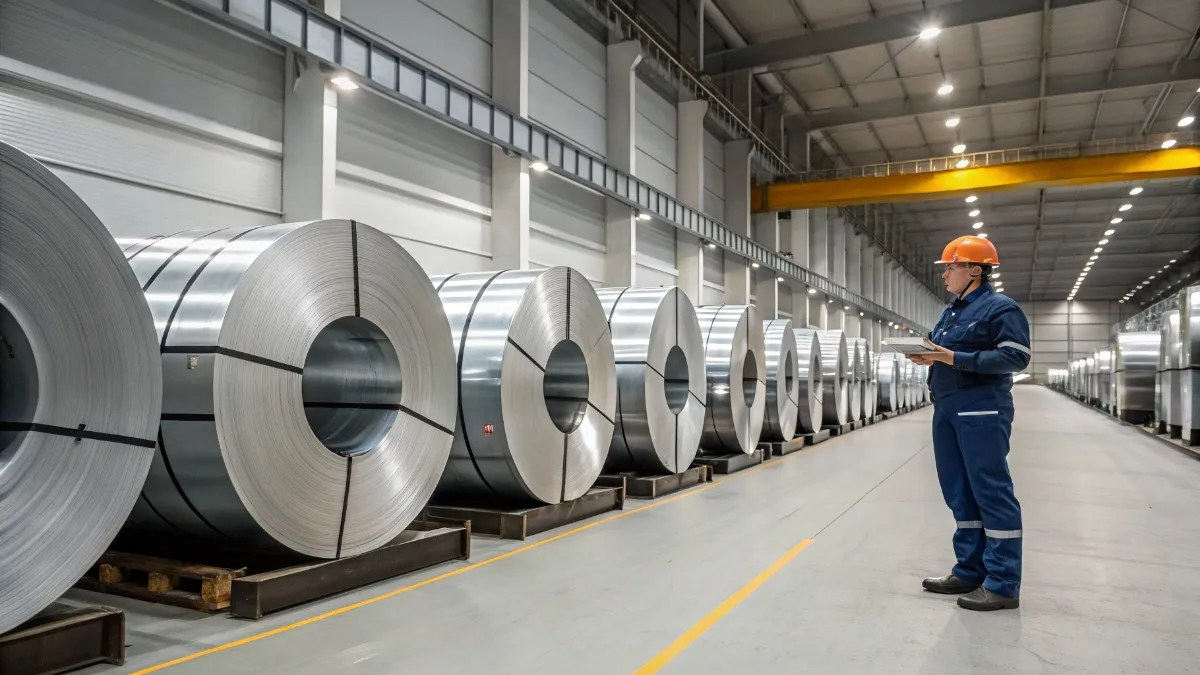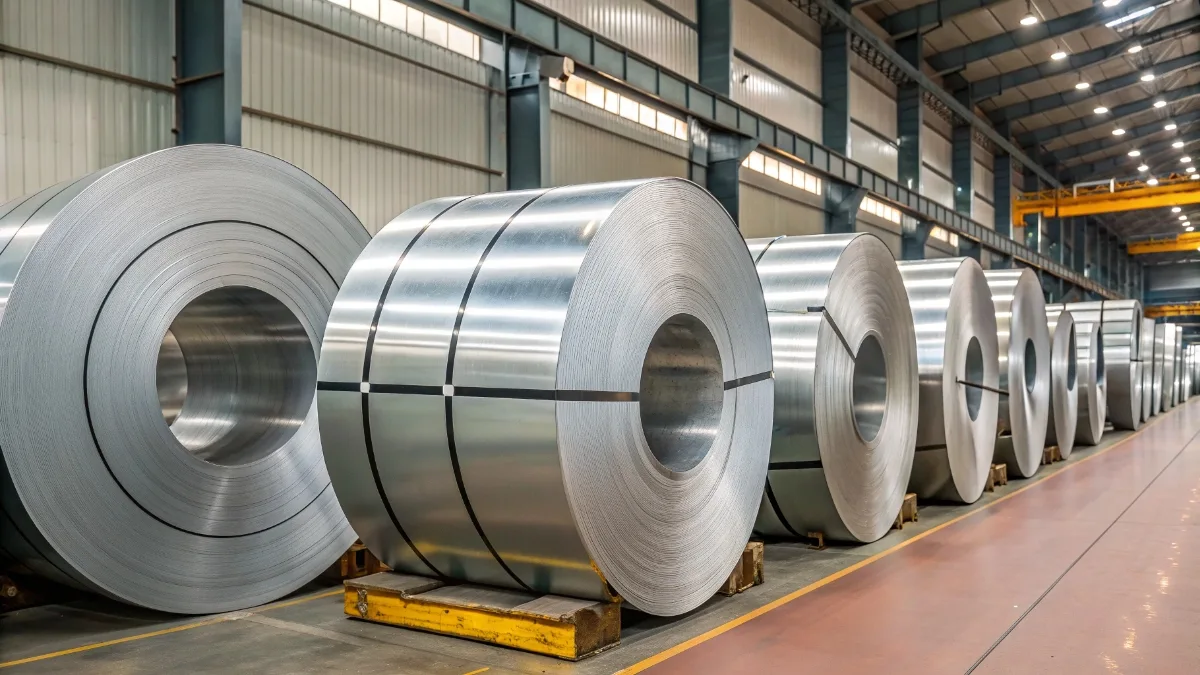
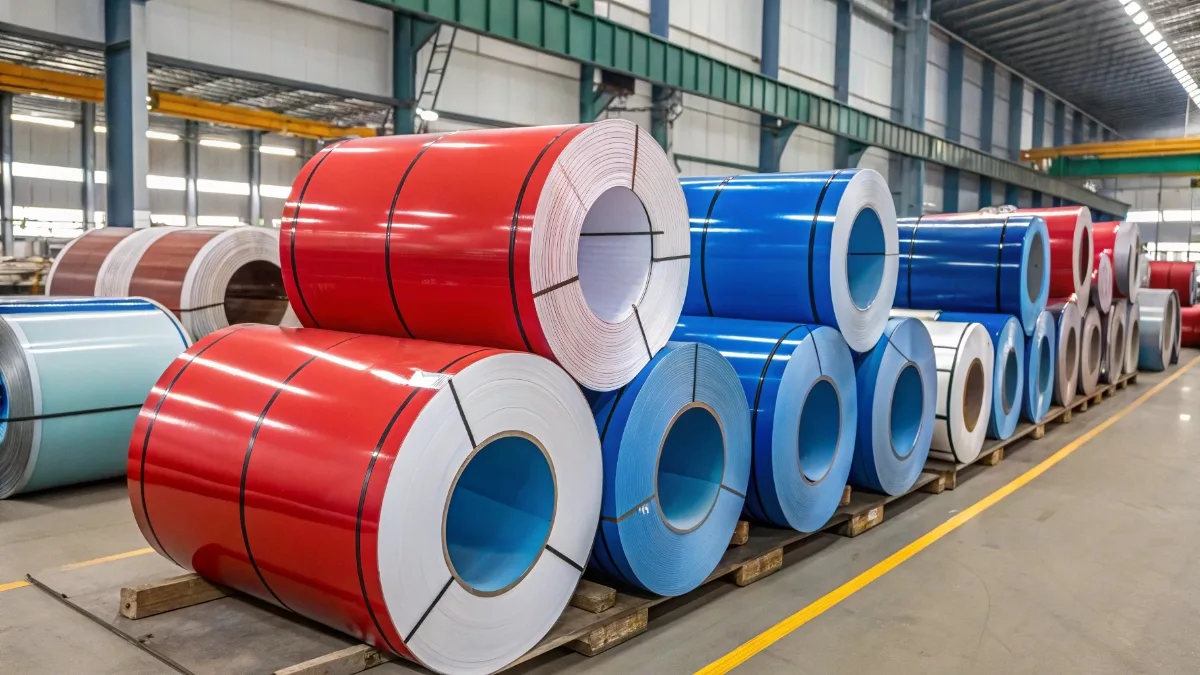
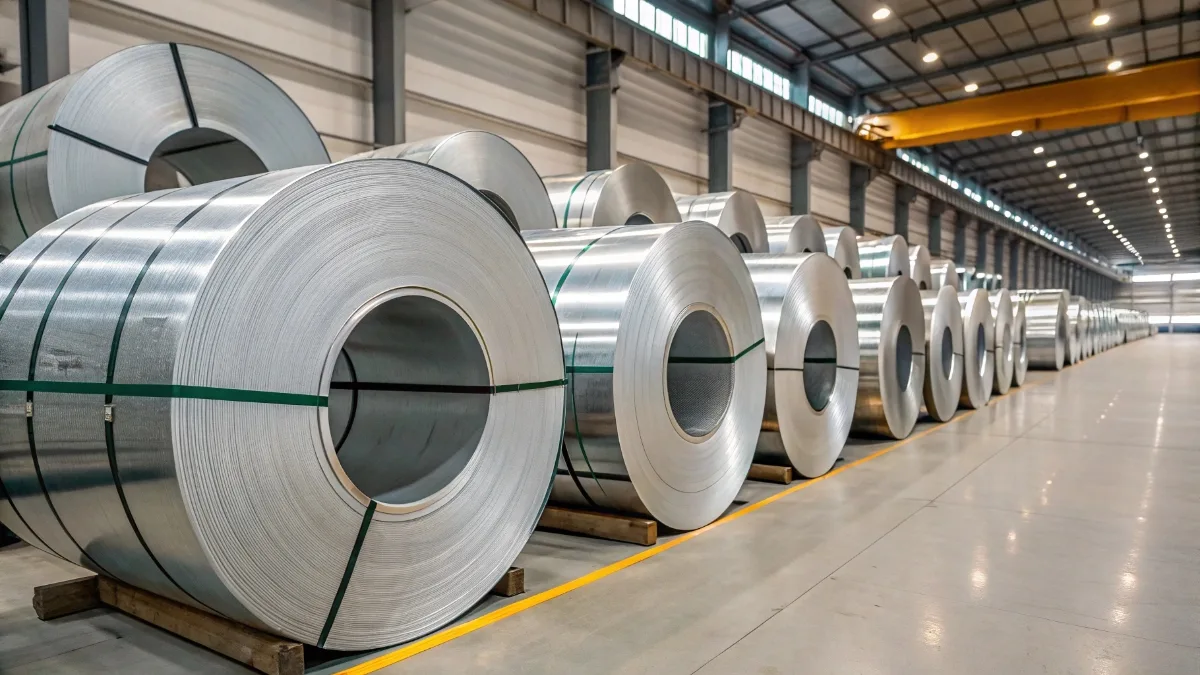
Color coated PPGI steel coils stored in warehouse for roofing and construction

How Do Color Coating Systems in PPGI Steel Coils Work, and What Should Buyers Know?

Color coated PPGI steel coils stored in warehouse for roofing and construction
Prepainted galvanized steel (PPGI) coils are widely used for roofing, wall panels, and construction materials.

Prepainted galvanized steel coils (PPGI) have become one of the most widely used materials in modern roofing, cladding, and construction projects. Their durability, aesthetic flexibility, and corrosion resistance make them ideal for residential, commercial, and industrial buildings.

However, the performance of PPGI does not depend solely on the steel substrate or the galvanized coating. The color coating system—which includes multiple protective paint layers—plays a critical role in determining durability, weather resistance, and long-term appearance.

For buyers, understanding how these coating systems work helps ensure the right material is selected for the intended environment and application.

Overview of Common Paint Systems: PE, SMP, PVDF

A typical PPGI color coating system consists of several protective layers applied sequentially during the coil coating process. These layers form a multilayer corrosion-resistant system designed to protect the steel substrate under demanding conditions.

The structure generally follows this sequence:

  • Steel substrate
  • Metallic coating (usually galvanized zinc layer)
  • Chemical pretreatment layer
  • Primer coating
  • Topcoat paint layer
  • Protective back coating

The metallic coating provides the first line of corrosion protection through sacrificial action, while the paint system acts as a barrier against moisture, oxygen, and ultraviolet radiation.

Several paint systems are commonly used in PPGI production:

  • Polyester (PE) – Economical and suitable for mild environments
  • Silicone Modified Polyester (SMP) – Improved durability and weather resistance
  • High Durability Polyester (HDP) – Enhanced UV and corrosion resistance
  • PVDF (Polyvinylidene Fluoride) – Premium coating with excellent long-term weather performance

Comparing Durability, Gloss, and UV Resistance

Each coating system offers a different balance of durability, gloss retention, and UV resistance. These characteristics directly influence the lifespan and appearance of finished roofing or cladding panels.
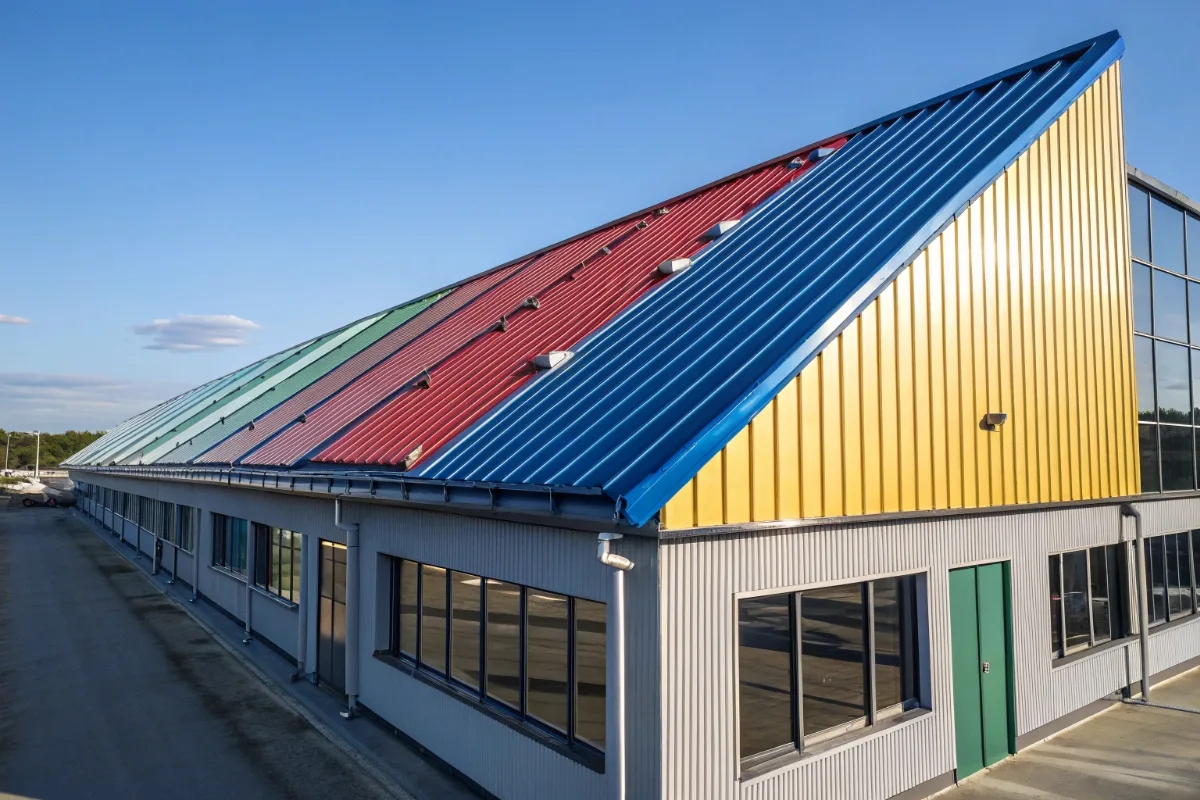
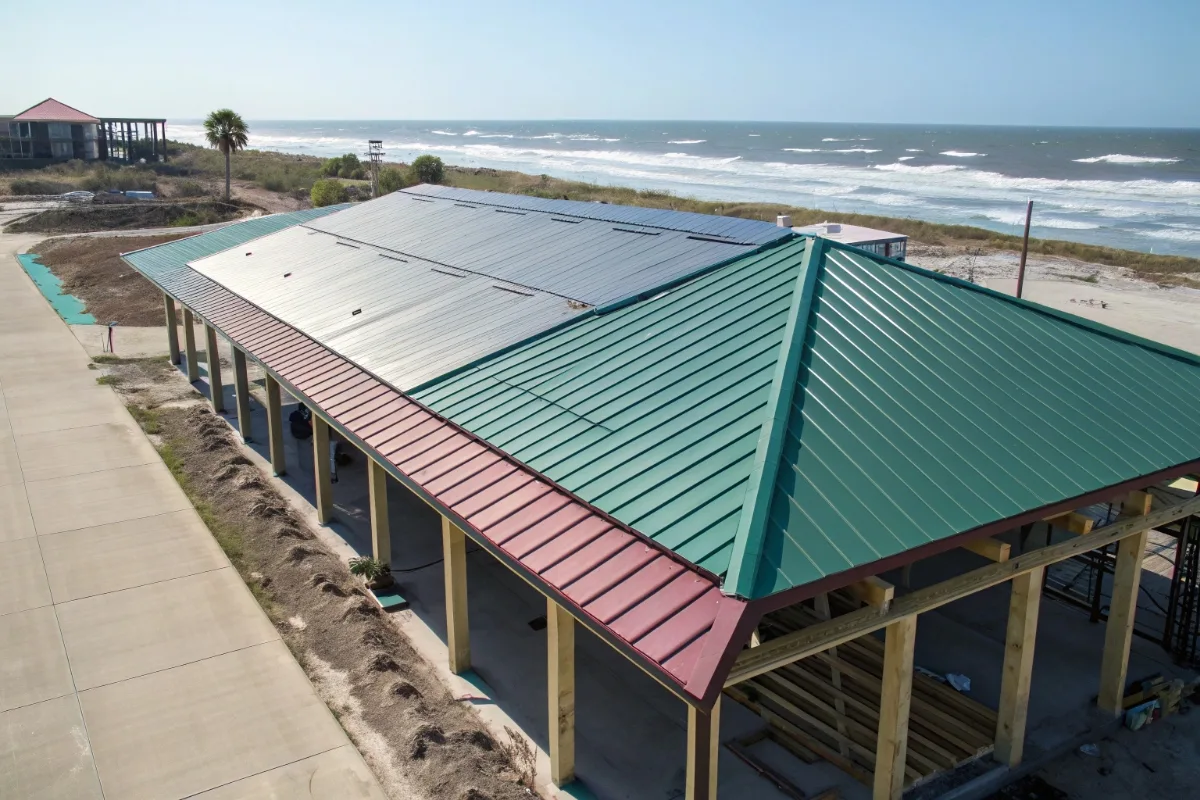
PPGI steel roofing used in coastal environment with strong sunlight
Different paint systems affect gloss retention, color stability, and long-term weather resistance.

For example, standard polyester coatings provide good flexibility and cost efficiency but may show faster color fading in regions with strong sunlight. SMP and HDP coatings improve UV resistance and reduce chalking over time.

PVDF coatings offer the highest performance level. Their superior resistance to ultraviolet radiation, weathering, and chemical exposure allows them to maintain color and gloss for decades, even in demanding climates.

Coating thickness also plays an important role in durability. Typical systems use:

  • Topcoat thickness: approximately 15–25 μm
  • Primer thickness: approximately 5–10 μm

This combination balances corrosion protection, flexibility during forming, and overall cost efficiency.

How to Choose the Right Coating for Your End Use

Selecting the correct paint system depends largely on the environmental conditions where the material will be used.
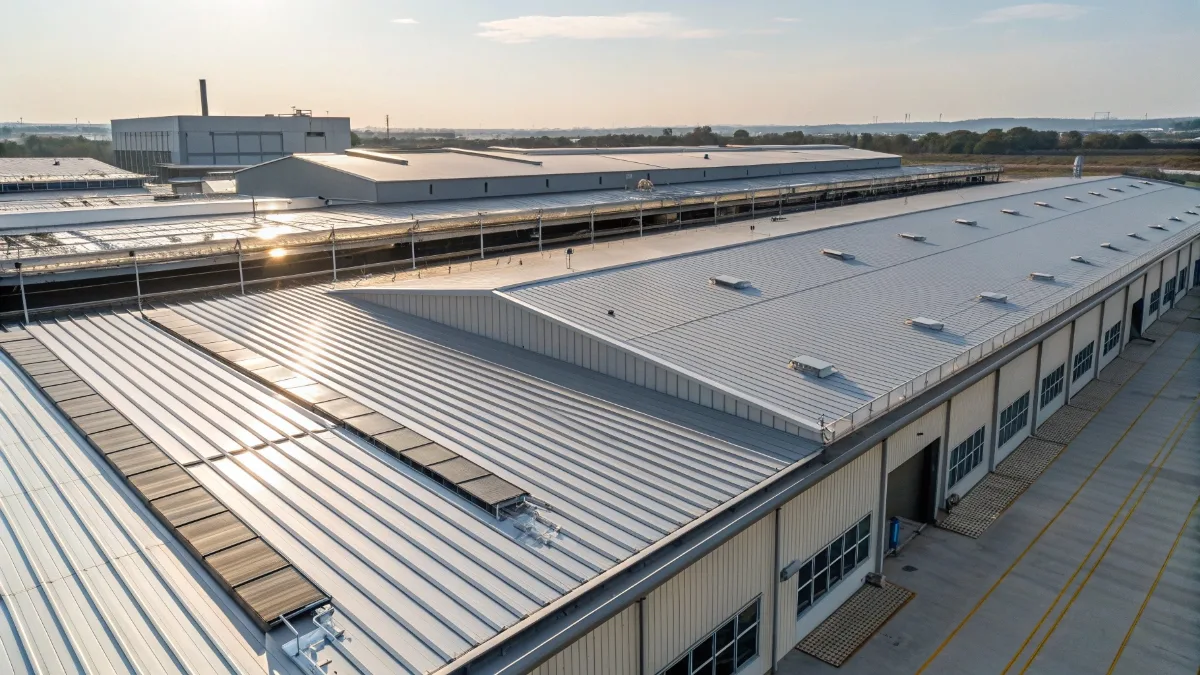
Color coated steel roofing panels installed on modern industrial building
Harsh environments such as coastal regions often require higher-performance coating systems.

In mild climates with moderate sunlight and low pollution levels, PE coating systems are often sufficient for roofing and wall panel applications.

However, projects located in coastal regions, industrial zones, or areas with intense UV radiation typically require higher-performance coatings such as HDP or PVDF. These coatings offer improved resistance to corrosion, fading, and surface degradation over time.

Buyers should also consider factors such as project lifespan expectations, building value, and warranty requirements when selecting coating systems.

Maintenance and Lifespan of Prepainted Coils

Although PPGI materials are designed for long-term durability, proper installation and maintenance still influence their service life.
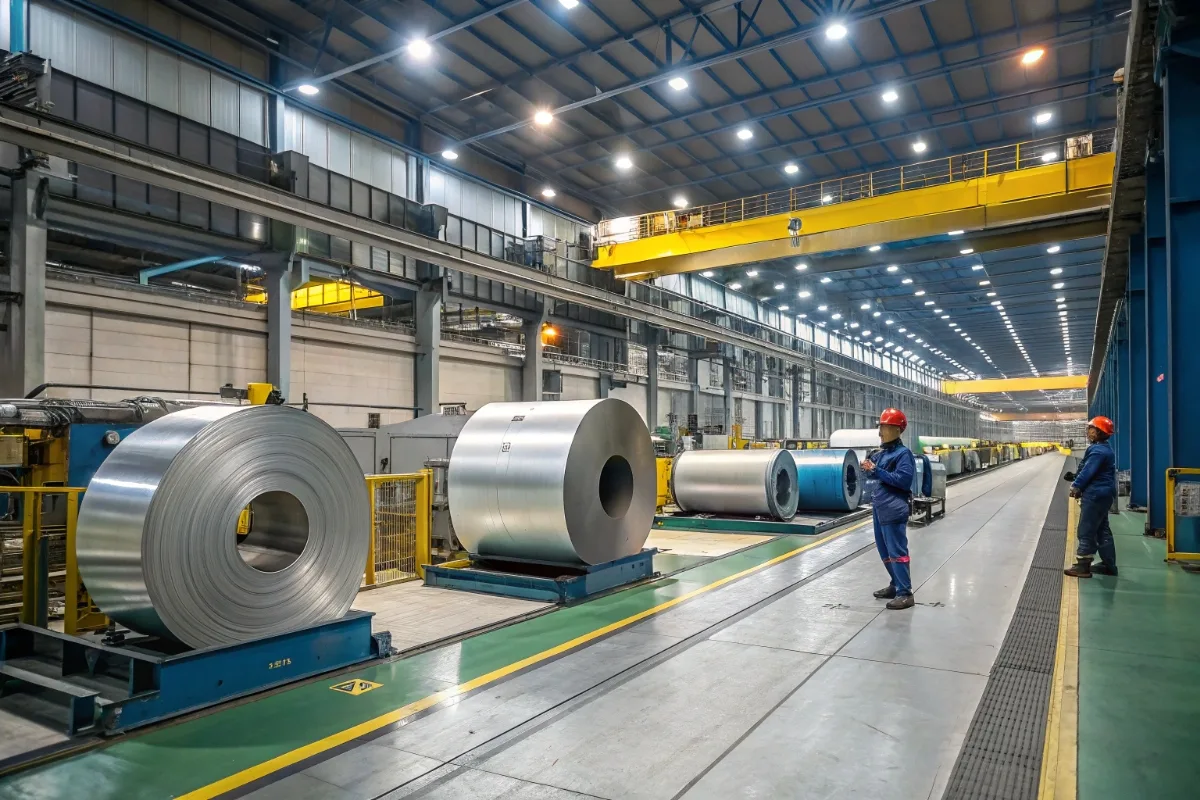
PPGI steel coil color coating production line inside steel factory
Modern coil coating lines precisely control paint curing to ensure coating durability and adhesion.

During the coil coating process, paint curing temperature and line speed must be carefully controlled to ensure proper polymer cross-linking. This process determines coating hardness, adhesion strength, and resistance to weathering.

The back-side coating also plays an important role by protecting the reverse surface of the steel sheet and improving adhesion when panels contact insulation or structural materials.

With proper coating selection, installation, and periodic cleaning, PPGI roofing systems can maintain their structural performance and appearance for many years.

Conclusion

Color coating systems are a critical component of PPGI steel coil performance. By combining metallic corrosion protection with advanced paint technologies, these multilayer systems provide durability, weather resistance, and long-lasting visual appeal.

For buyers, selecting the right coating system—based on environmental conditions, project requirements, and expected service life—is essential to maximizing the value and reliability of prepainted steel products.

Looking for Reliable PPGI Steel Coil Suppliers?

Choosing the right color coating system is only part of the equation. Working with an experienced manufacturer ensures consistent coating quality, accurate specifications, and reliable export packaging.

If you are sourcing PPGI steel coils for roofing, construction, or manufacturing applications, feel free to contact us to learn more about available paint systems, coating thickness options, and custom specifications.
Share :

X
Facebook
LinkedIn
Pinterest
WhatsApp

More Tips

Why zinc coating thickness matters for galvanized steel coils

Why Does Zinc Coating Thickness Matter for Long-Lasting Steel Coils?

Zinc coating thickness is one of the most critical factors determining the real service life of galvanized and aluminum-zinc coated steel coils. While many buyers focus on base steel grade or price, coating mass directly influences corrosion resistance, durability, and total lifecycle cost — especially in demanding environments. Understanding Zinc Coating Layers and Symbols (Z, AZ) Zinc coatings are typically specified using symbols such as Z (pure zinc) or AZ (aluminum-zinc alloy). These symbols represent not only the coating type, but also the protective mechanism. Pure zinc provides sacrificial protection, while aluminum-zinc coatings combine barrier protection with sacrificial behavior. Common coating mass designations like Z100, Z180, Z275 or AZ150, AZ185 indicate the total coating weight applied to both sides of the steel sheet and are directly linked to expected corrosion resistance. How Coating Thickness Affects Corrosion Resistance Thicker zinc coatings significantly slow corrosion progression compared to thin coatings. Zinc protects

Read More »
Steel roofing sheets installed on industrial buildings showing strength and durability

How Does Steel Sheet Thickness Impact Roofing Durability and Project Costs?

How Steel Sheet Thickness Impacts Roofing Durability and Project Cost Steel sheet thickness is one of the most influential factors in metal roofing performance. It directly affects structural strength, resistance to environmental loads, service life, and the total cost of a roofing project. Selecting the appropriate thickness is not simply about choosing the thickest material available—it requires balancing durability, structural requirements, installation conditions, and budget constraints. Table of Contents The Role of Steel Sheet Thickness in Roofing Strength How to Choose the Ideal Thickness for Your Project Balancing Cost and Durability Real-World Examples: Thin vs. Thick Steel Roofing Conclusion The Role of Steel Sheet Thickness in Roofing Strength Thicker steel sheets provide greater rigidity and resistance to wind and impact loads. Thicker steel sheets offer higher structural strength, improving resistance to wind uplift, impact loads, and foot traffic during installation and maintenance. Increased thickness reduces the risk of denting and

Read More »
Steel coils stored in factory warehouse ready for pre-shipment surface inspection

How Can Buyers Inspect Steel Coil Surface Quality Before Shipment? What Should a Proper Checklist Include?

How to Inspect Steel Coil Surface Quality Before Shipment: A Buyer’s Checklist Before steel coils are shipped overseas, surface quality inspection plays a critical role in preventing disputes, claims, and downstream processing issues. For buyers, especially importers and distributors, surface defects that go unnoticed before shipment can quickly translate into financial loss, project delays, or customer dissatisfaction. Why Surface Quality Inspection Matters Before Shipping Surface condition is often the first indicator of overall manufacturing quality and process control. Even when mechanical properties meet specification, surface defects such as scratches, dents, coating discontinuities, or corrosion spots can significantly reduce the usable value of a steel coil. Because most surface-related claims arise after unloading or processing, conducting a systematic inspection before shipment helps buyers identify issues early and establish clear quality documentation. Visual inspection under proper lighting helps identify surface defects before coils are packed for export. Key Visual and Dimensional Inspection

Read More »
Alu-zinc coated steel coils stored in warehouse for construction and roofing applications

Why Are More Buyers Choosing Alu-Zinc Coated Steel for Extreme Environments?

Alu-zinc coated steel coils are widely used in roofing and construction due to their excellent corrosion resistance and durability. As construction projects increasingly expand into coastal regions, humid climates, and industrial zones, the demand for more durable building materials continues to grow. Traditional galvanized steel has long been used for roofing and structural applications, but many buyers are now turning to Alu-Zinc coated steel as a more resilient solution. Thanks to its unique coating composition, aluminum-zinc coated steel offers superior corrosion resistance, longer service life, and improved performance under extreme environmental conditions. These advantages make it an increasingly popular choice for roofing, infrastructure, and industrial buildings worldwide. What Is Alu-Zinc Coated Steel and How It’s Made Alu-zinc coated steel, sometimes known as aluminum-zinc alloy coated steel, is produced by applying a metallic coating composed primarily of aluminum and zinc onto a steel substrate through a continuous hot-dip coating process. The

Read More »
Trusted Steel Supplier

Build Stronger with Premium Steel Solutions

Explore our wide range of galvanized, galvalume, and color-coated steel products for your next project.

Get A Quick Price Today