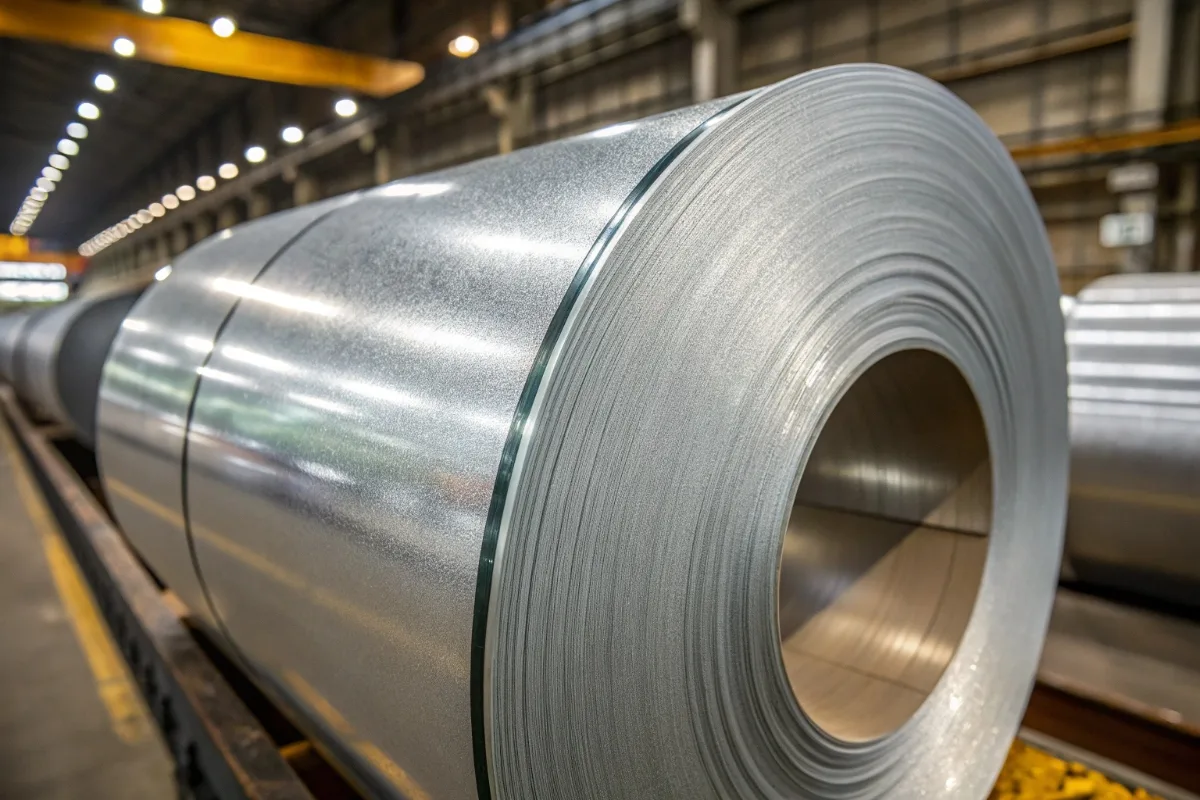
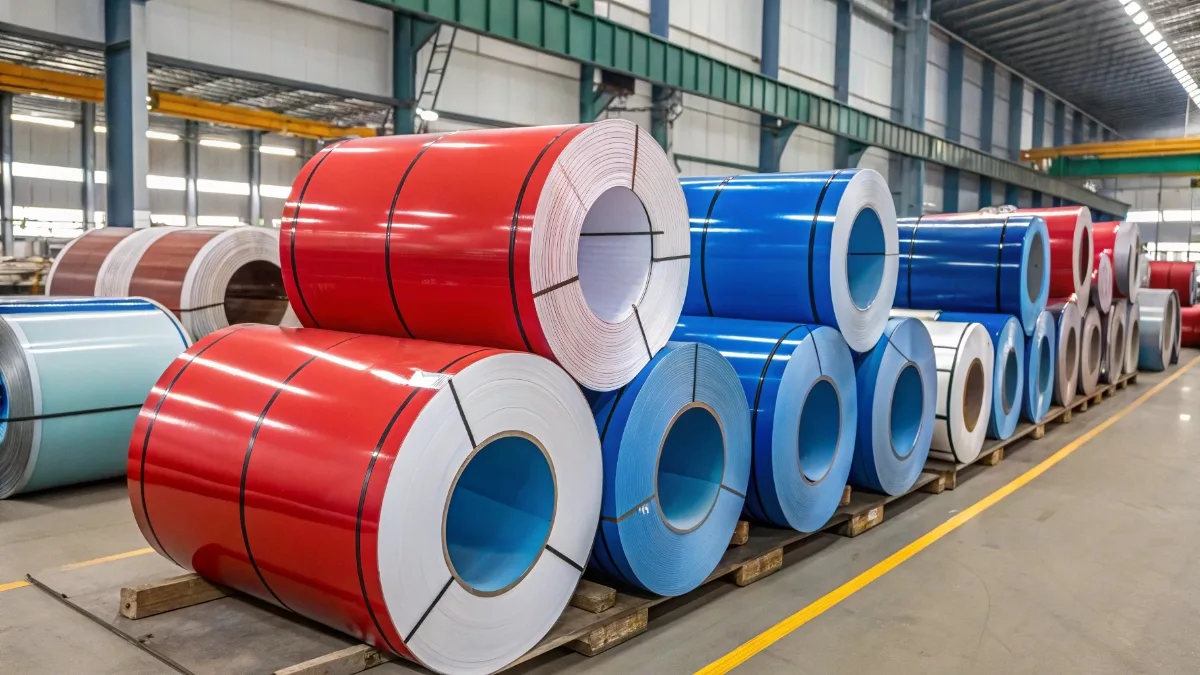
Color coated PPGI steel coils stored in warehouse for roofing and construction

How Do Color Coating Systems in PPGI Steel Coils Work, and What Should Buyers Know?

Color coated PPGI steel coils stored in warehouse for roofing and construction
Prepainted galvanized steel (PPGI) coils are widely used for roofing, wall panels, and construction materials.

Prepainted galvanized steel coils (PPGI) have become one of the most widely used materials in modern roofing, cladding, and construction projects. Their durability, aesthetic flexibility, and corrosion resistance make them ideal for residential, commercial, and industrial buildings.

However, the performance of PPGI does not depend solely on the steel substrate or the galvanized coating. The color coating system—which includes multiple protective paint layers—plays a critical role in determining durability, weather resistance, and long-term appearance.

For buyers, understanding how these coating systems work helps ensure the right material is selected for the intended environment and application.

Overview of Common Paint Systems: PE, SMP, PVDF

A typical PPGI color coating system consists of several protective layers applied sequentially during the coil coating process. These layers form a multilayer corrosion-resistant system designed to protect the steel substrate under demanding conditions.

The structure generally follows this sequence:

  • Steel substrate
  • Metallic coating (usually galvanized zinc layer)
  • Chemical pretreatment layer
  • Primer coating
  • Topcoat paint layer
  • Protective back coating

The metallic coating provides the first line of corrosion protection through sacrificial action, while the paint system acts as a barrier against moisture, oxygen, and ultraviolet radiation.

Several paint systems are commonly used in PPGI production:

  • Polyester (PE) – Economical and suitable for mild environments
  • Silicone Modified Polyester (SMP) – Improved durability and weather resistance
  • High Durability Polyester (HDP) – Enhanced UV and corrosion resistance
  • PVDF (Polyvinylidene Fluoride) – Premium coating with excellent long-term weather performance

Comparing Durability, Gloss, and UV Resistance

Each coating system offers a different balance of durability, gloss retention, and UV resistance. These characteristics directly influence the lifespan and appearance of finished roofing or cladding panels.
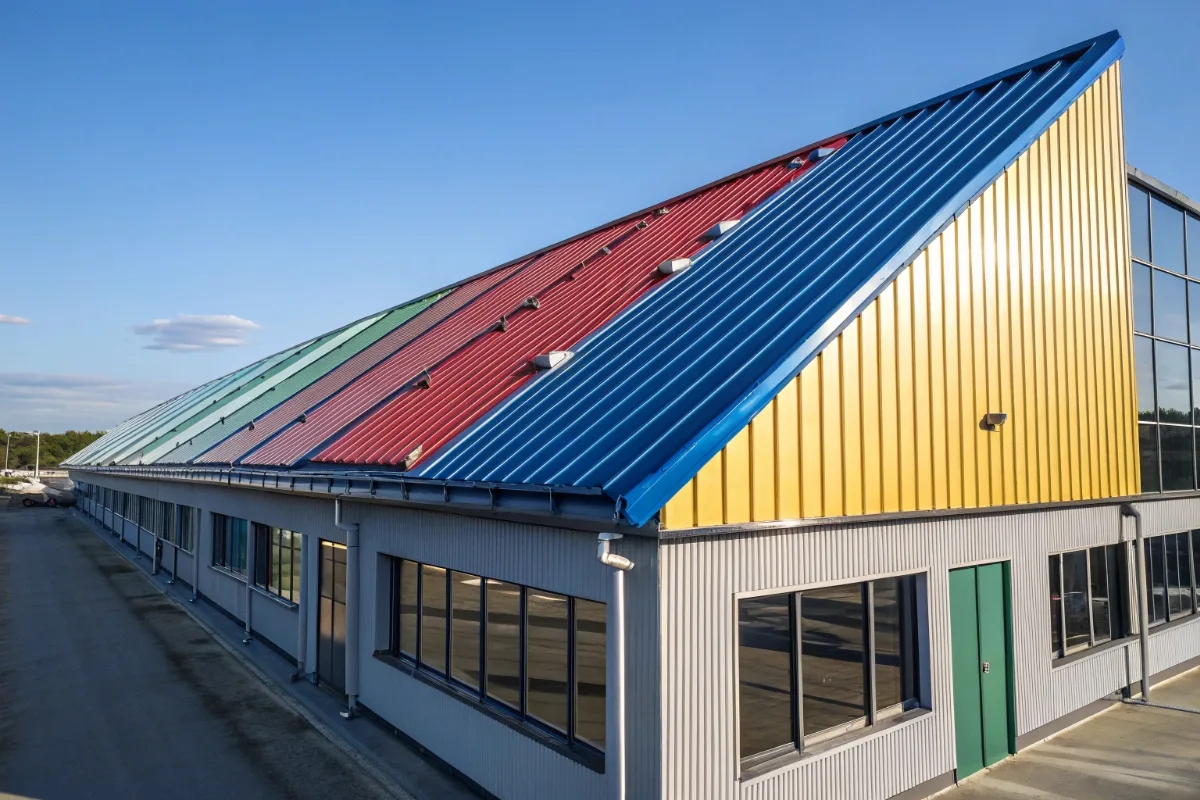
PPGI steel roofing used in coastal environment with strong sunlight
Different paint systems affect gloss retention, color stability, and long-term weather resistance.

For example, standard polyester coatings provide good flexibility and cost efficiency but may show faster color fading in regions with strong sunlight. SMP and HDP coatings improve UV resistance and reduce chalking over time.

PVDF coatings offer the highest performance level. Their superior resistance to ultraviolet radiation, weathering, and chemical exposure allows them to maintain color and gloss for decades, even in demanding climates.

Coating thickness also plays an important role in durability. Typical systems use:

  • Topcoat thickness: approximately 15–25 μm
  • Primer thickness: approximately 5–10 μm

This combination balances corrosion protection, flexibility during forming, and overall cost efficiency.

How to Choose the Right Coating for Your End Use

Selecting the correct paint system depends largely on the environmental conditions where the material will be used.
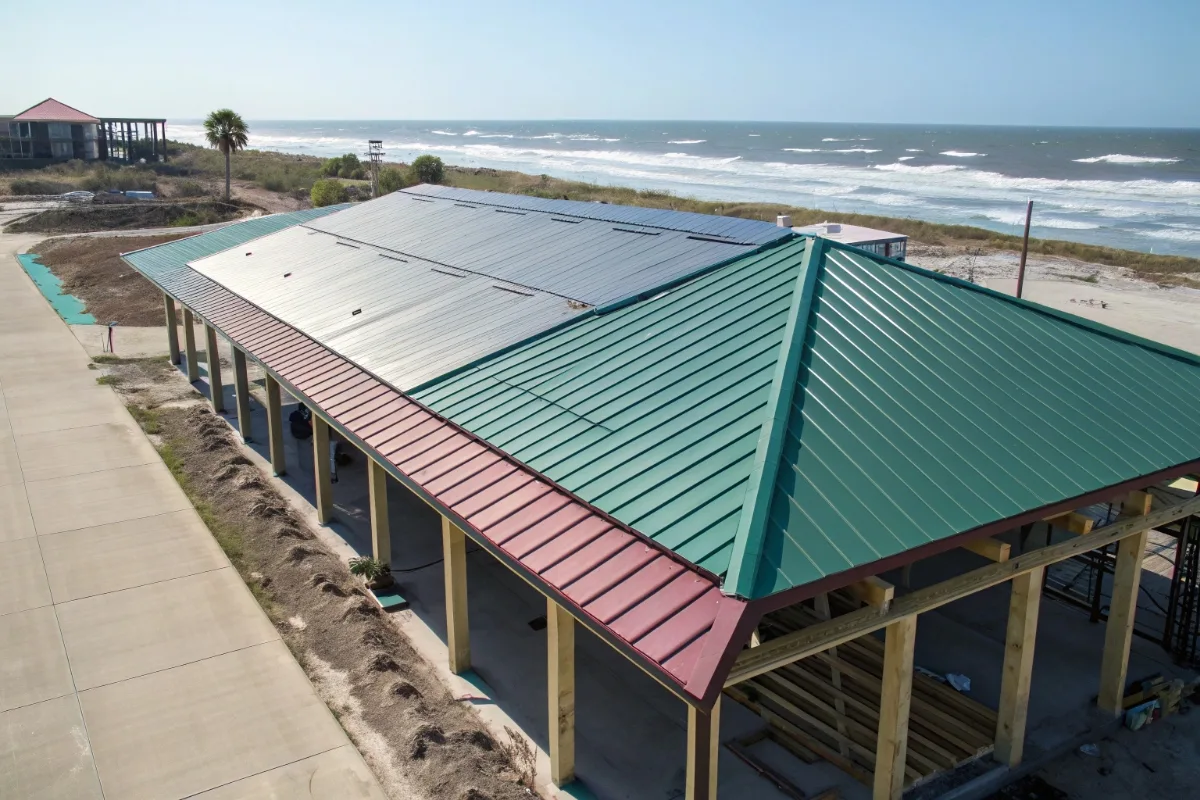
Color coated steel roofing panels installed on modern industrial building
Harsh environments such as coastal regions often require higher-performance coating systems.

In mild climates with moderate sunlight and low pollution levels, PE coating systems are often sufficient for roofing and wall panel applications.

However, projects located in coastal regions, industrial zones, or areas with intense UV radiation typically require higher-performance coatings such as HDP or PVDF. These coatings offer improved resistance to corrosion, fading, and surface degradation over time.

Buyers should also consider factors such as project lifespan expectations, building value, and warranty requirements when selecting coating systems.

Maintenance and Lifespan of Prepainted Coils

Although PPGI materials are designed for long-term durability, proper installation and maintenance still influence their service life.
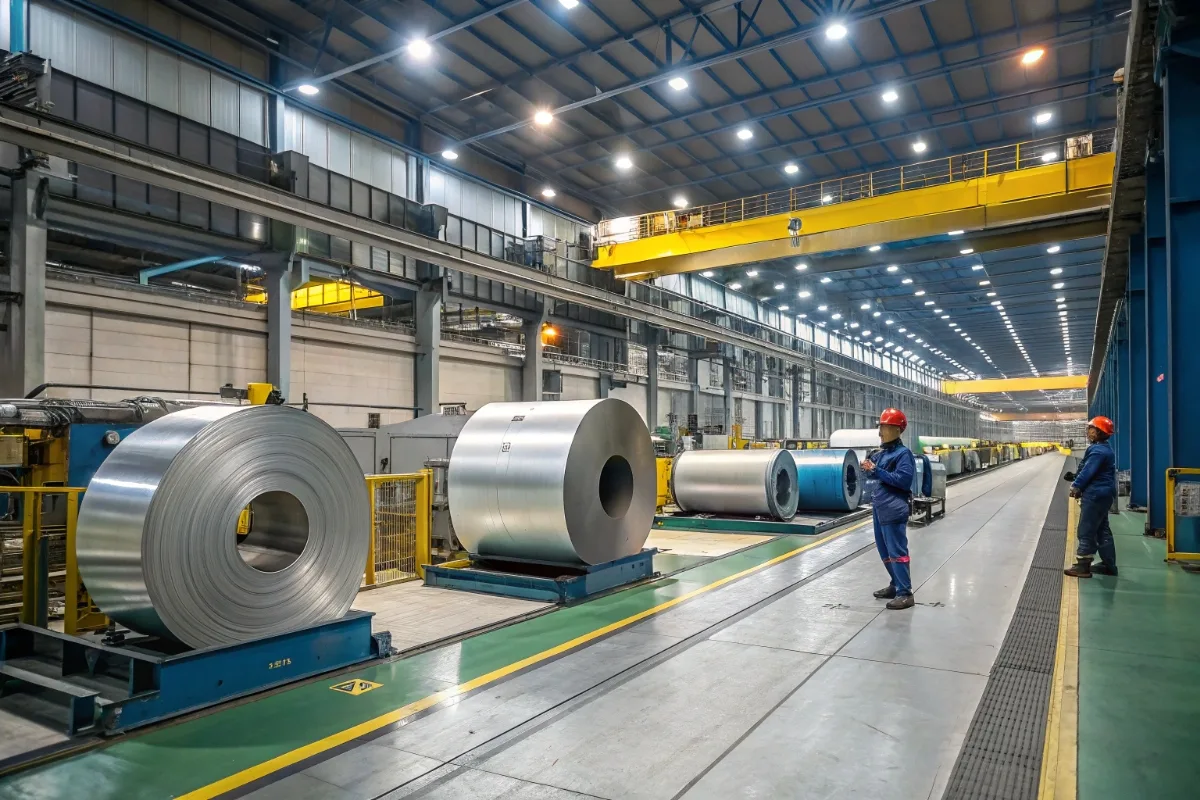
PPGI steel coil color coating production line inside steel factory
Modern coil coating lines precisely control paint curing to ensure coating durability and adhesion.

During the coil coating process, paint curing temperature and line speed must be carefully controlled to ensure proper polymer cross-linking. This process determines coating hardness, adhesion strength, and resistance to weathering.

The back-side coating also plays an important role by protecting the reverse surface of the steel sheet and improving adhesion when panels contact insulation or structural materials.

With proper coating selection, installation, and periodic cleaning, PPGI roofing systems can maintain their structural performance and appearance for many years.

Conclusion

Color coating systems are a critical component of PPGI steel coil performance. By combining metallic corrosion protection with advanced paint technologies, these multilayer systems provide durability, weather resistance, and long-lasting visual appeal.

For buyers, selecting the right coating system—based on environmental conditions, project requirements, and expected service life—is essential to maximizing the value and reliability of prepainted steel products.

Looking for Reliable PPGI Steel Coil Suppliers?

Choosing the right color coating system is only part of the equation. Working with an experienced manufacturer ensures consistent coating quality, accurate specifications, and reliable export packaging.

If you are sourcing PPGI steel coils for roofing, construction, or manufacturing applications, feel free to contact us to learn more about available paint systems, coating thickness options, and custom specifications.

Share :

X
Facebook
LinkedIn
Pinterest
WhatsApp

More Tips

What Is the Global Demand Outlook for Steel Sheets and Roofing Products in 2025 and Beyond?

Global Demand Outlook for Steel Sheets and Roofing Products: 2025 and Beyond Claim: Although overall steel demand looks broadly flat in 2025, the outlook for flat steel (sheets & coils) and roofing products shows pockets of stronger growth — especially in emerging markets and in niche applications where metal roofing’s durability and low maintenance are valued. Global steel demand trends through 2025 and beyond — stable volume, regional divergence. Table of Contents 1. Current Market Trends in Global Steel Sheet Consumption 2. Regional Insights: Asia-Pacific, Middle East, and Europe Demand Drivers 3. How Infrastructure Growth Shapes the Roofing Steel Market 4. Forecast 2025–2030: Emerging Opportunities for Exporters Conclusion 1. Current Market Trends in Global Steel Sheet Consumption After several years of volatility, global steel demand is expected to be essentially flat in 2025 — roughly in the range of 1.74–1.75 billion tonnes — with a modest rebound forecast for 2026.

Read More »
Comparison image of galvanized and galvalume steel coils under daylight showing coating texture differences.

Galvanized vs. Galvalume Steel Coils: Which Is Better for Roofing Projects?

Galvanized vs. Galvalume Steel Coils: Which Is Better for Roofing Projects? Claim: While both galvanized and galvalume steel coils are widely used for roofing, Galvalume generally provides longer service life and better performance in harsh or humid environments, whereas Galvanized steel remains a practical, budget-friendly choice for moderate climates and shorter-term projects. Galvanized (zinc-coated) and Galvalume (aluminum-zinc alloy coated) steel coils side by side — two leading materials for roofing applications. Table of Contents 1. What Are Galvanized and Galvalume Steel Coils? 2. Key Differences in Composition and Performance 3. Advantages and Disadvantages for Roofing Applications 4. How to Choose the Right Coil for Your Climate and Budget Conclusion 1. What Are Galvanized and Galvalume Steel Coils? Both galvanized and galvalume steel coils start as carbon steel sheet that is coated to improve corrosion resistance. The coating is the key difference: Galvanized steel is coated primarily with zinc to provide

Read More »
Diagram comparing ASTM, EN, and JIS steel coil standards

What Are the Top 5 International Quality Standards Every Steel Coil Exporter Should Follow?

Top 5 International Quality Standards Every Steel Coil Exporter Should Follow Claim To compete in the global steel market, exporters must ensure that every steel coil meets internationally recognized standards such as ASTM, EN, JIS, ISO, and SGS Certification. These standards not only define product quality but also build credibility and trust with overseas buyers. Table of Contents Understanding Global Steel Coil Standards (ASTM, EN, JIS) Why Certification Matters for International Trade Common Testing Methods for Steel Coil Quality How to Ensure Compliance and Build Buyer Trust Conclusion Understanding Global Steel Coil Standards (ASTM, EN, JIS) Global buyers expect steel coils that meet unified performance benchmarks. The three most widely used international standards include: ASTM (American Society for Testing and Materials): Sets technical standards for chemical composition, tensile strength, yield, and coating thickness—essential for buyers in the US and Latin America. EN (European Norm): Defines structural and surface requirements for

Read More »

What Is the Difference Between PPGI and PPGL?

Table of Contents Performance Comparison: Durability, Color, and Corrosion Resistance Best Applications for Each Coil Type How to Choose the Right Product for Your Target Market PPGI and PPGL are two widely used pre-painted steel coil types in international construction, roofing, and manufacturing sectors. Although both belong to the “pre-painted steel” category, the coating composition and performance differ significantly, leading to different applications and market suitability. Performance Comparison: Durability, Color, and Corrosion Resistance    Technical comparison of PPGI vs PPGL coating layers. The primary difference between PPGI and PPGL lies in the metallic coating applied before the painting layer. PPGI uses pure zinc coating, while PPGL applies a special aluminium-zinc alloy. This alloy dramatically enhances corrosion resistance and heat reflectivity, making PPGL more durable in harsh outdoor environments. Best Applications for Each Coil Type Environmental comparison: PPGI for mild climates, PPGL for coastal/high humidity regions. PPGI is widely used where

Read More »
Trusted Steel Supplier

Build Stronger with Premium Steel Solutions

Explore our wide range of galvanized, galvalume, and color-coated steel products for your next project.

Get A Quick Price Today