
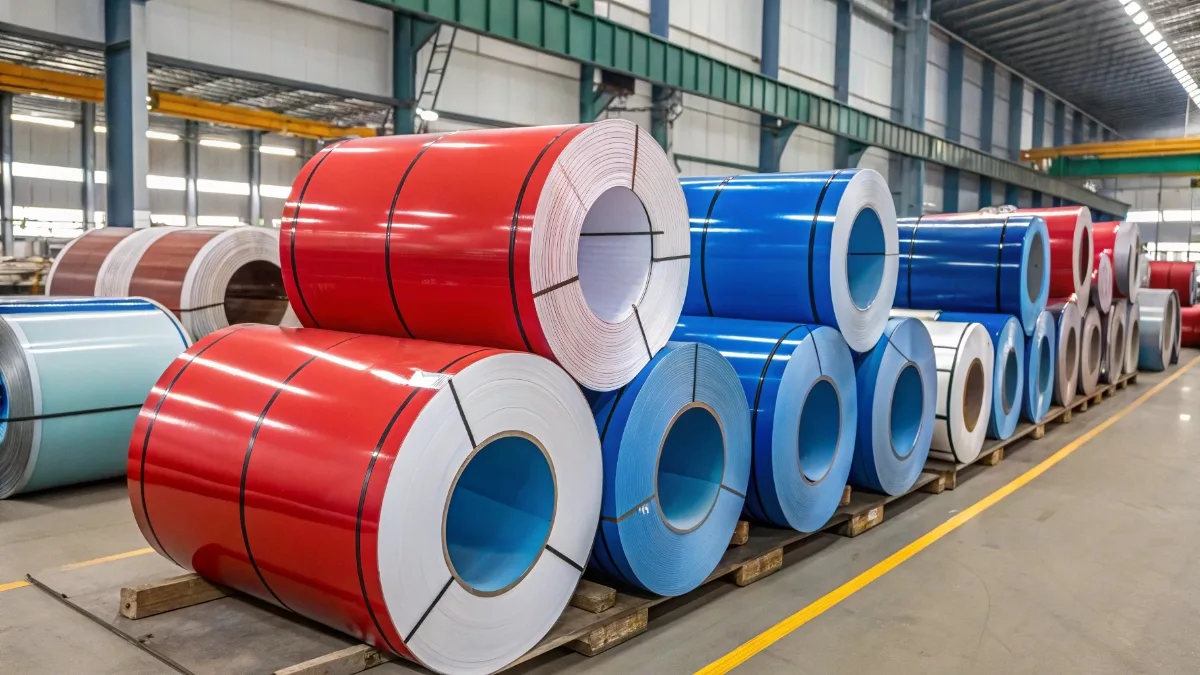
Color coated PPGI steel coils stored in warehouse for roofing and construction

How Do Color Coating Systems in PPGI Steel Coils Work, and What Should Buyers Know?

Color coated PPGI steel coils stored in warehouse for roofing and construction
Prepainted galvanized steel (PPGI) coils are widely used for roofing, wall panels, and construction materials.

Prepainted galvanized steel coils (PPGI) have become one of the most widely used materials in modern roofing, cladding, and construction projects. Their durability, aesthetic flexibility, and corrosion resistance make them ideal for residential, commercial, and industrial buildings.

However, the performance of PPGI does not depend solely on the steel substrate or the galvanized coating. The color coating system—which includes multiple protective paint layers—plays a critical role in determining durability, weather resistance, and long-term appearance.

For buyers, understanding how these coating systems work helps ensure the right material is selected for the intended environment and application.

Overview of Common Paint Systems: PE, SMP, PVDF

A typical PPGI color coating system consists of several protective layers applied sequentially during the coil coating process. These layers form a multilayer corrosion-resistant system designed to protect the steel substrate under demanding conditions.

The structure generally follows this sequence:

  • Steel substrate
  • Metallic coating (usually galvanized zinc layer)
  • Chemical pretreatment layer
  • Primer coating
  • Topcoat paint layer
  • Protective back coating

The metallic coating provides the first line of corrosion protection through sacrificial action, while the paint system acts as a barrier against moisture, oxygen, and ultraviolet radiation.

Several paint systems are commonly used in PPGI production:

  • Polyester (PE) – Economical and suitable for mild environments
  • Silicone Modified Polyester (SMP) – Improved durability and weather resistance
  • High Durability Polyester (HDP) – Enhanced UV and corrosion resistance
  • PVDF (Polyvinylidene Fluoride) – Premium coating with excellent long-term weather performance

Comparing Durability, Gloss, and UV Resistance

Each coating system offers a different balance of durability, gloss retention, and UV resistance. These characteristics directly influence the lifespan and appearance of finished roofing or cladding panels.
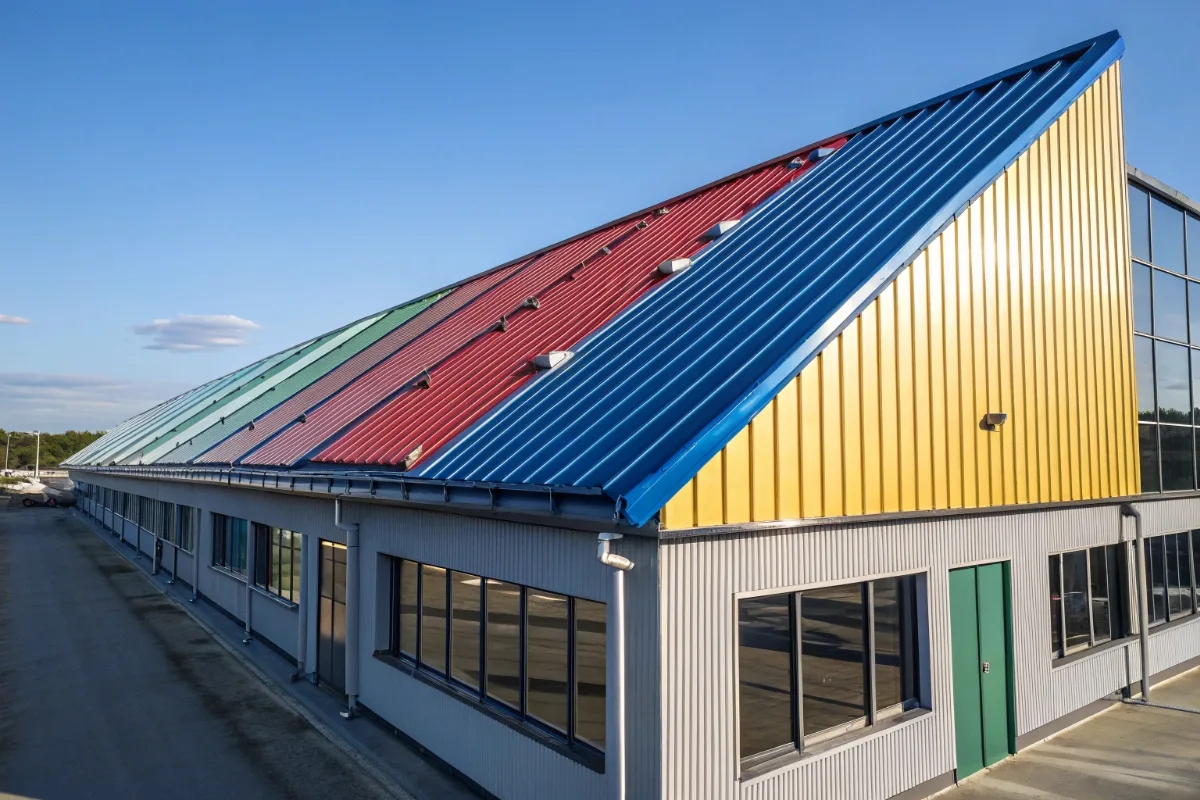
PPGI steel roofing used in coastal environment with strong sunlight
Different paint systems affect gloss retention, color stability, and long-term weather resistance.

For example, standard polyester coatings provide good flexibility and cost efficiency but may show faster color fading in regions with strong sunlight. SMP and HDP coatings improve UV resistance and reduce chalking over time.

PVDF coatings offer the highest performance level. Their superior resistance to ultraviolet radiation, weathering, and chemical exposure allows them to maintain color and gloss for decades, even in demanding climates.

Coating thickness also plays an important role in durability. Typical systems use:

  • Topcoat thickness: approximately 15–25 μm
  • Primer thickness: approximately 5–10 μm

This combination balances corrosion protection, flexibility during forming, and overall cost efficiency.

How to Choose the Right Coating for Your End Use

Selecting the correct paint system depends largely on the environmental conditions where the material will be used.
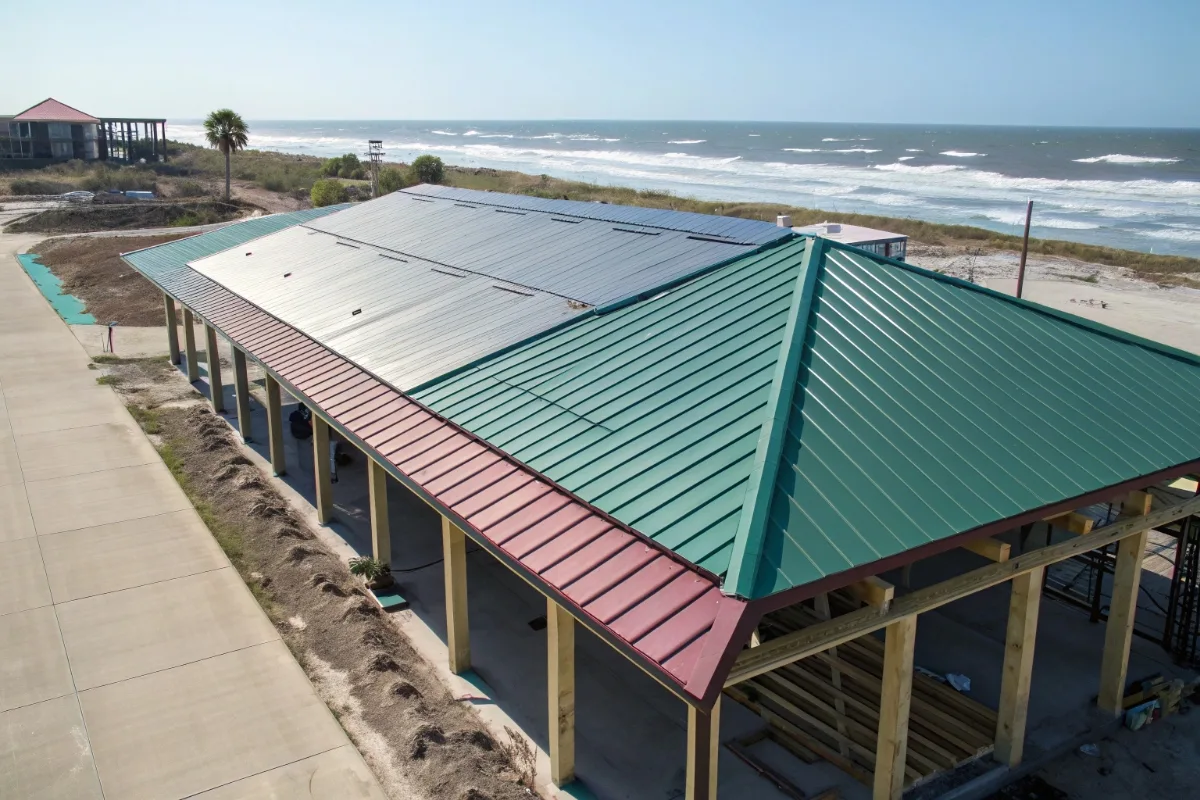
Color coated steel roofing panels installed on modern industrial building
Harsh environments such as coastal regions often require higher-performance coating systems.

In mild climates with moderate sunlight and low pollution levels, PE coating systems are often sufficient for roofing and wall panel applications.

However, projects located in coastal regions, industrial zones, or areas with intense UV radiation typically require higher-performance coatings such as HDP or PVDF. These coatings offer improved resistance to corrosion, fading, and surface degradation over time.

Buyers should also consider factors such as project lifespan expectations, building value, and warranty requirements when selecting coating systems.

Maintenance and Lifespan of Prepainted Coils

Although PPGI materials are designed for long-term durability, proper installation and maintenance still influence their service life.
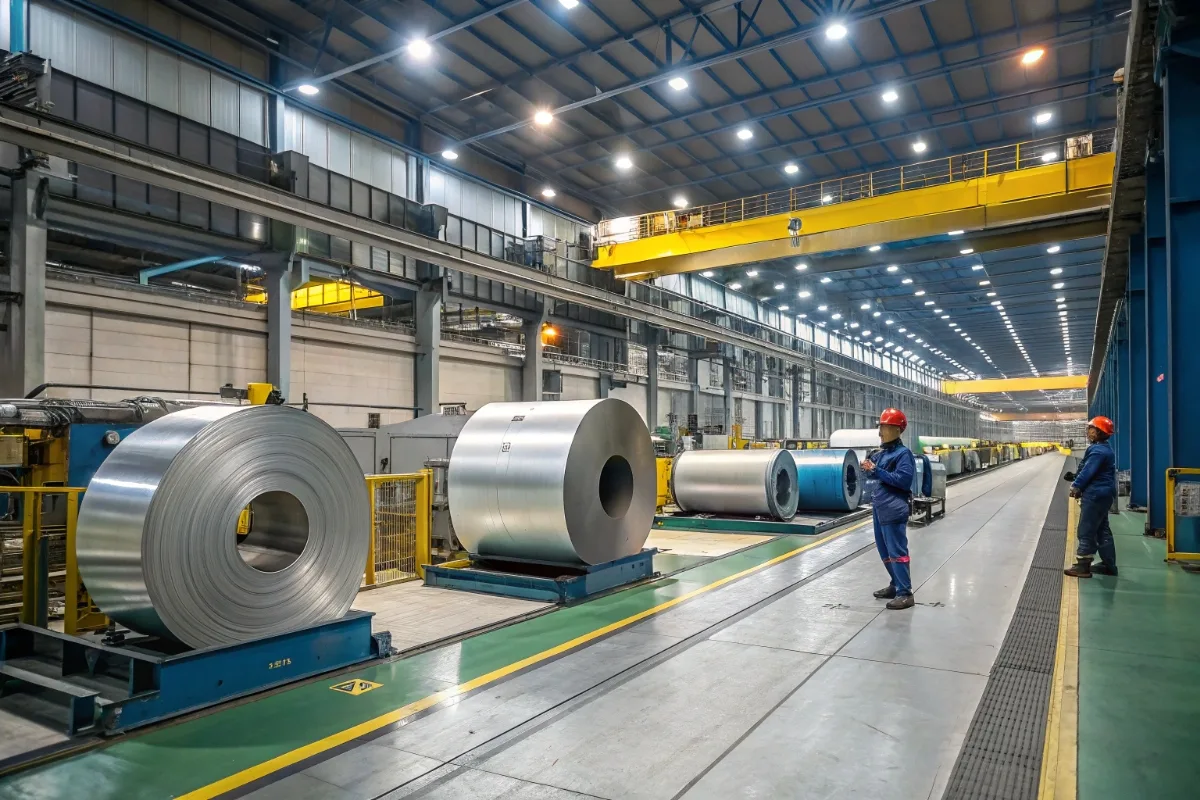
PPGI steel coil color coating production line inside steel factory
Modern coil coating lines precisely control paint curing to ensure coating durability and adhesion.

During the coil coating process, paint curing temperature and line speed must be carefully controlled to ensure proper polymer cross-linking. This process determines coating hardness, adhesion strength, and resistance to weathering.

The back-side coating also plays an important role by protecting the reverse surface of the steel sheet and improving adhesion when panels contact insulation or structural materials.

With proper coating selection, installation, and periodic cleaning, PPGI roofing systems can maintain their structural performance and appearance for many years.

Conclusion

Color coating systems are a critical component of PPGI steel coil performance. By combining metallic corrosion protection with advanced paint technologies, these multilayer systems provide durability, weather resistance, and long-lasting visual appeal.

For buyers, selecting the right coating system—based on environmental conditions, project requirements, and expected service life—is essential to maximizing the value and reliability of prepainted steel products.

Looking for Reliable PPGI Steel Coil Suppliers?

Choosing the right color coating system is only part of the equation. Working with an experienced manufacturer ensures consistent coating quality, accurate specifications, and reliable export packaging.

If you are sourcing PPGI steel coils for roofing, construction, or manufacturing applications, feel free to contact us to learn more about available paint systems, coating thickness options, and custom specifications.

Share :

X
Facebook
LinkedIn
Pinterest
WhatsApp

More Tips

How to Identify High-Quality Galvanized Steel Coils Before You Buy?

A modern steel factory showcasing neatly stacked galvanized steel coils ready for export. Galvanized steel coils are the backbone of countless industries — from roofing and construction to automotive manufacturing. But not all galvanized coils are made equal. A small difference in coating weight, substrate quality, or surface finish can significantly affect long-term performance and your customers’ satisfaction. In this article, we’ll break down what truly defines high-quality galvanized steel coils, how to verify them before purchase, and what practical steps buyers can take to avoid costly surprises. 1. Understanding the Core Quality Factors of Galvanized Steel Coils Close-up of galvanized steel surface showing the natural zinc spangle texture. At the heart of every reliable galvanized coil lies a combination of substrate quality, zinc coating, and surface treatment. The substrate (the base steel) determines the coil’s strength and formability. Grades such as DX51D, SGCC, and SGCH are widely recognized in

Read More »
Modern steel factory with Aluzinc steel coils stacked in warehouse.

Why Aluzinc (GL) Coils Are Gaining Popularity in Construction and Roofing?

Why Aluzinc (GL) Coils Are Gaining Popularity in Construction and Roofing Aluzinc (GL) steel coils stored in a modern factory, ready for export. In recent years, Aluzinc (GL) steel coils have become one of the most preferred materials for roofing, wall cladding, and industrial construction. Their growing popularity is not just a trend—it’s a reflection of real performance advantages over traditional galvanized steel. This article explores why more global buyers, engineers, and project contractors are switching to Aluzinc, and what makes it the smarter long-term investment for modern construction. Table of Contents 1. What Makes Aluzinc (GL) Steel Coils Different from Galvanized Coils 2. Advantages of Aluzinc Coatings in Harsh Environments 3. Applications in Modern Roofing and Structural Projects 4. Market Insights: Why Global Buyers Are Switching to GL Coils Claim Final Thoughts 1. What Makes Aluzinc (GL) Steel Coils Different from Galvanized Coils Comparison between galvanized (zinc-coated) and Aluzinc

Read More »

How Do You Choose the Right Finish for Color-Coated Steel Coils to Ensure Long-Term Performance?

How Do You Choose the Right Finish for Color-Coated Steel Coils to Ensure Long-Term Performance? Color-coated steel coils (also known as PPGI and PPGL) are widely used in construction, appliances, and industrial manufacturing. Choosing the right coating finish is crucial to ensure long-term durability, appearance, and protection against harsh environmental conditions. This guide explains how to choose the right finish to achieve long-lasting performance. Table of Contents 1. Introduction to Color-Coated (PPGI/PPGL) Steel Coils and Their Uses 2. Comparing Coating Systems: Polyester, SMP, PVDF, and More 3. Key Factors to Evaluate Before Selecting a Color Coating 4. How Proper Maintenance Extends the Lifespan of Color-Coated Coils 1. Introduction to Color-Coated (PPGI/PPGL) Steel Coils and Their Uses Color-coated steel coils are pre-painted galvanized (PPGI) or galvalume (PPGL) steel sheets that combine aesthetics with corrosion protection. They are widely applied in roofing systems, wall panels, home appliances, and decorative construction materials. These

Read More »
Panoramic view of steel coils and logistics trucks representing the roofing steel supply chain from mill to roof.

How does the supply chain of roofing steel sheets work, from mill to roof?

From Mill to Roof: Understanding the Roofing Steel Supply Chain Claim: The roofing steel sheet supply chain is a story of transformation — from raw material to a finished product protecting homes and buildings. Understanding how each step connects helps buyers, distributors, and contractors ensure quality, reliability, and timely delivery. Table of Contents 1. How Steel Sheets Are Produced from Raw Material to Finished Coil 2. Logistics and Quality Control in Steel Sheet Exportation 3. Common Challenges in the Roofing Steel Supply Chain 4. Building Reliable Partnerships Between Mills, Traders, and End Users A panoramic view of the roofing steel supply chain — from mill to logistics. 1. How Steel Sheets Are Produced from Raw Material to Finished Coil Hot rolled coils being processed in a modern steel mill. Every roofing sheet begins its journey deep inside a steel mill. Iron ore, scrap steel, zinc, and aluminum are melted and

Read More »
Trusted Steel Supplier

Build Stronger with Premium Steel Solutions

Explore our wide range of galvanized, galvalume, and color-coated steel products for your next project.

Get A Quick Price Today