
Maximizing Corrosion Resistance: A Deep Dive into Zinc and Aluminum-Zinc Coatings
Claim:
Zinc and aluminum-zinc coatings don’t just cover steel — they extend its life. With the right coating type, thickness, and detailing, you can dramatically reduce corrosion risk and lower lifetime costs.
Table of Contents

1. Why Corrosion Protection Is Critical in Steel Applications
Think of steel as the backbone of a building or structure — but left unprotected, it will rust, weaken, and fail. Corrosion is often invisible at first, but over months and years it eats away at strength, increases maintenance costs, and shortens warranties.
Protective metallic coatings (like zinc or aluminum-zinc) are the simplest, most cost-effective way to postpone corrosion and protect cut edges, fastener holes, and formed areas where paint alone can’t reach.
2. The Science Behind Zinc vs. Alu-Zinc Coating Systems
At a basic level, two mechanisms protect steel:
- Barrier protection: A continuous coating prevents moisture and oxygen from reaching the steel surface.
- Sacrificial (cathodic) protection: If the coating is damaged, a more reactive metal (zinc) corrodes first, protecting the steel below.
Zinc (galvanized) works mainly by sacrificial protection. It corrodes preferentially so the steel remains protected, especially at cut edges and scratches.
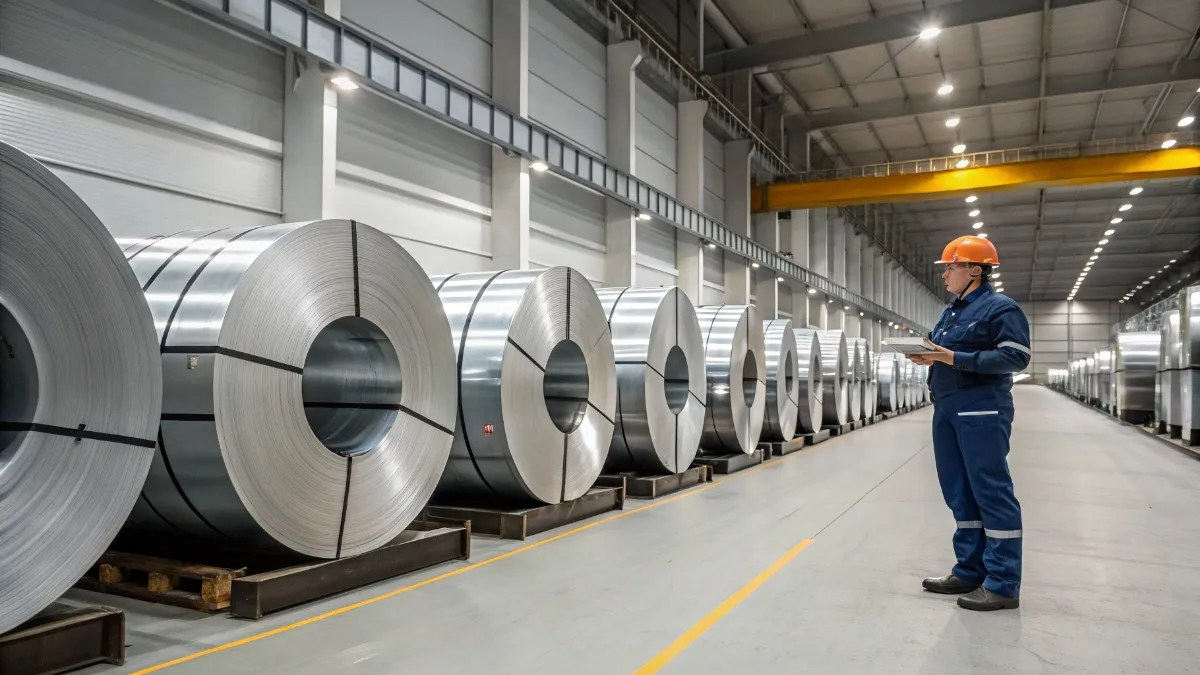
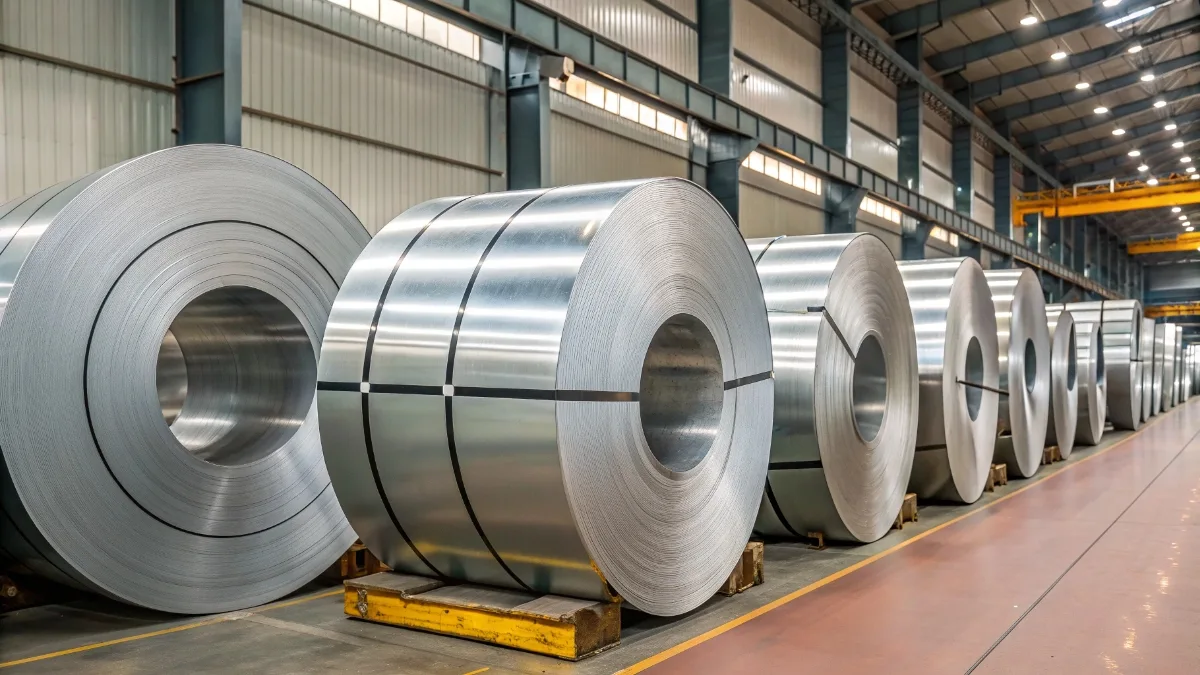
Aluminum-zinc (Aluzinc / GL) combines roughly 55% aluminum with zinc (and a small silicon fraction). The aluminum forms a stable, passive barrier that resists general corrosion, while the zinc component continues to provide sacrificial protection around exposed edges and cuts. In short: you get the best of both worlds.
3. Real-World Performance: How Coating Thickness Affects Durability
Coating thickness (often specified as grams per square meter, g/m²) is one of the most important factors that determines how long a coated steel product will last.
Why thickness matters:
- More material = more sacrificial metal to corrode before the substrate is exposed.
- Thicker coatings generally withstand mechanical wear, abrasion, and weathering better.
- But note: excessive thickness without good adhesion or proper process control can cause brittleness or poor forming performance.
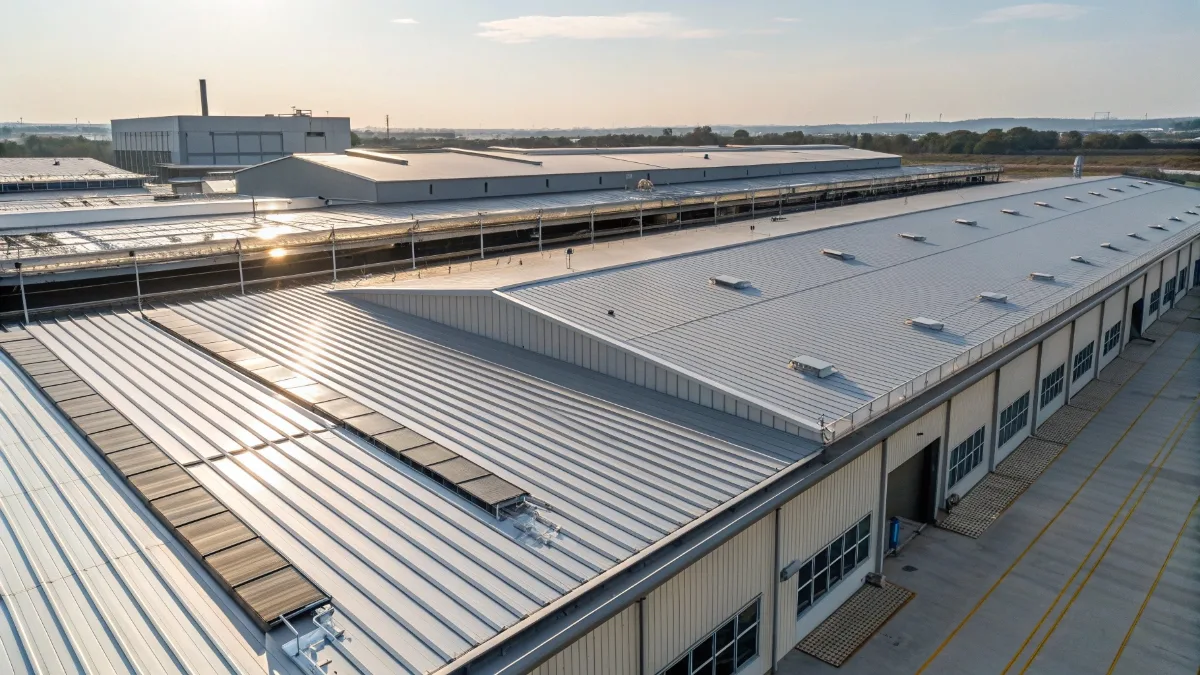
Common examples: a light zinc coating (e.g., Z100) might be fine for indoor or sheltered use. For roofs near the sea or in industrial zones, heavier coatings such as Z275 (or equivalent Aluzinc mass ratings) greatly extend service life. Aluzinc coatings of similar mass frequently show longer lifetimes due to the aluminum’s passive barrier.
4. Choosing the Right Coating Type for Your Climate and Budget
Make selection practical: match environment, expected lifetime, and cost.
Quick guidance:
- Urban, sheltered, or indoor use: Standard galvanized coatings or light Aluzinc may be sufficient.
- Rural and general outdoor use: Moderate coating mass (e.g., Z120–Z180 or equivalent) provides good value.
- Coastal / industrial environments: Heavy-duty Aluzinc or thicker zinc coatings are recommended — Aluzinc often outperforms zinc alone here due to its barrier layer.
Other practical tips:
- Inspect test data — salt spray and real-weather exposure tests help compare options.
- Check for good surface prep and consistent application; even the best coating fails on dirty steel.
- Design details matter: avoid trapped water, isolate dissimilar metals, and protect cut edges with sealants or mechanical protection where possible.
Conclusion
Zinc and aluminum-zinc coatings are proven tools to maximize corrosion resistance. Zinc provides sacrificial protection where it’s needed most; aluminum-zinc adds a stable barrier that slows the whole process down significantly. Choosing the right combination of coating type, coating mass, and smart detailing will give you the best service life for your climate and budget.
Bottom line: Don’t pick coatings by price alone — consider expected lifetime, environment, and the cost of failure. Spec the right coating now and you’ll save money and headaches over the life of the structure.