
Stacked steel sheets in a modern factory meeting international ASTM, EN, and JIS standards.

How can steel sheets meet international standards like ASTM, EN, and JIS?

Meeting International Standards for Steel Sheets: ASTM, EN, JIS at a Glance

Claim:
Compliance with ASTM, EN and JIS standards is not just paperwork — it’s a practical way to guarantee material performance, speed up acceptance in export markets, and build trust between suppliers and buyers.


Stacked steel sheets in a modern factory meeting international ASTM, EN, and JIS standards.
Steel sheets ready for export — meeting international standards ensures acceptance and reliability.

Introduction

In today’s global steel market, buyers and suppliers operate across borders and standards. ASTM (United States), EN (Europe) and JIS (Japan) are three widely recognized systems that define how steel should be made, tested and documented. Meeting these standards helps ensure material safety, interchangeability and predictable performance in a wide range of applications — from building structures to appliances.


1. Understanding the Importance of Global Steel Standards
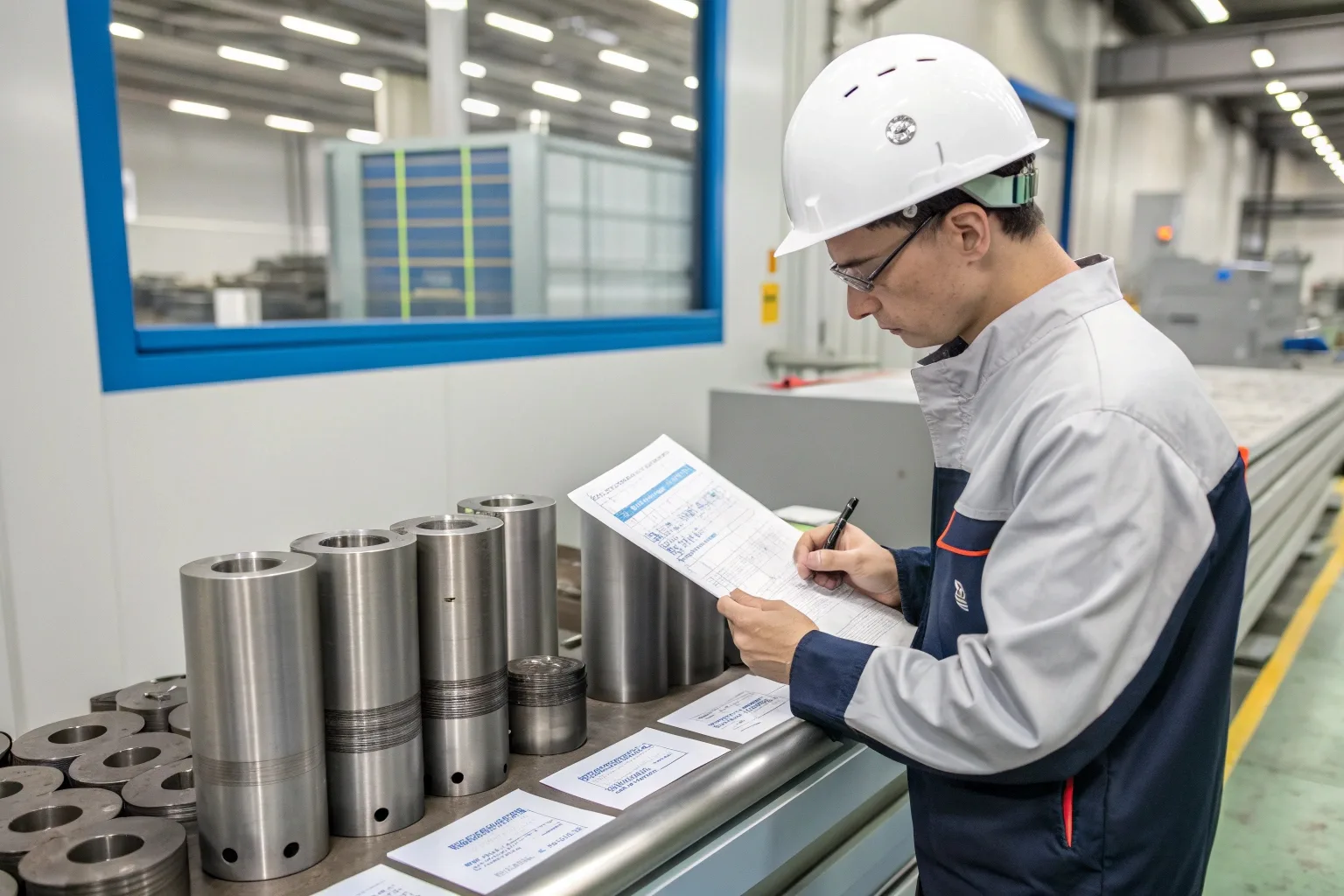
Standards exist to remove ambiguity. They specify chemical composition limits, mechanical properties (yield strength, tensile strength, elongation), dimensional tolerances, surface finish and acceptable coatings. For buyers, a standard acts like a contract: it tells the mill exactly what to produce and gives both parties a measurable way to confirm conformity.

Beyond technical clarity, standards reduce commercial risk: they simplify inspection, lower the chance of disputes, and make it easier to accept materials on large infrastructure and export projects.


2. Overview of ASTM, EN, and JIS Classifications for Steel Sheets
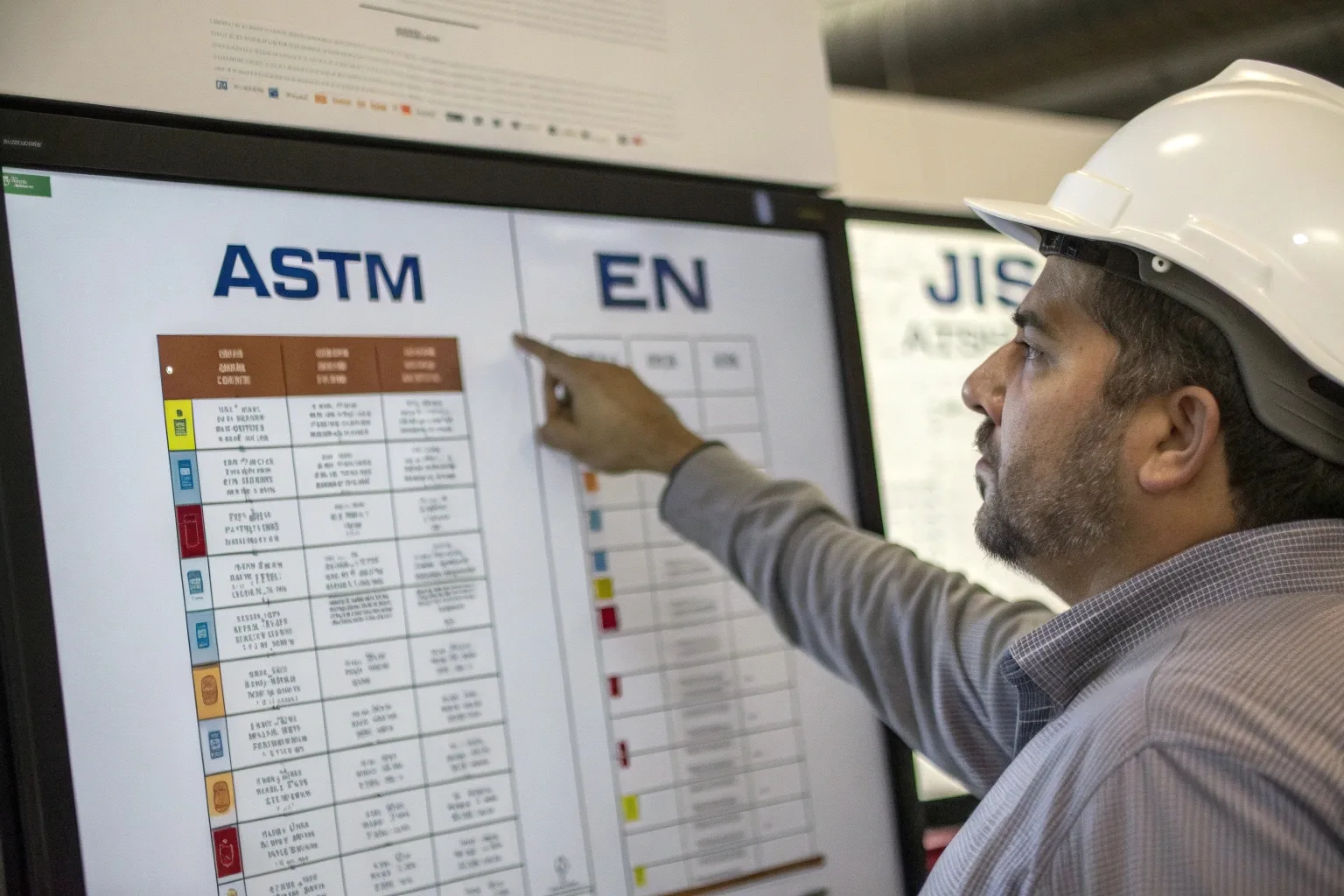
Each standards body uses its own structure and grade names, but the goals are similar: define properties and tests so users know what to expect.

  • ASTM often names standards by number (for example, many sheet/coil specs fall under ASTM A1011, A653, or A792) and emphasizes detailed mechanical and chemical requirements.
  • EN standards (such as EN 10346) focus on product families, dimensional tolerances and coating classes commonly used in Europe and widely accepted elsewhere.
  • JIS standards (for example, JIS G series) describe cold-rolled, hot-rolled and coated products commonly used across Japan and many Asian markets.

Knowing typical equivalents or close matches between these systems helps buyers source material that will be accepted in different markets without extensive re-testing.


3. How to Match Your Order Specifications with the Correct Standard

Buyer and supplier reviewing steel sheet specifications to match ASTM, EN, or JIS standards.

Practical steps to ensure your steel meets the right standard:

  1. State the exact standard and grade on the purchase order. Include the standard number and grade designation so the mill has clear instructions.
  2. Define the delivery condition. Specify whether you require hot-rolled, cold-rolled, pickled, galvanized, or color-coated material.
  3. Request mill test certificates (MTC). MTCs should reference the chosen standard and show chemical and mechanical test results tied to heat or batch numbers.
  4. Specify dimensional tolerances and surface requirements. Thickness, width, flatness and coating mass should be clearly defined — don’t assume “standard” means the same thing to every supplier.
  5. Ask for traceability. Heat numbers and batch IDs let you trace any issue back to the production run and provide evidence of conformity for audits or certifications.

These steps reduce the chance of receiving material that looks right but fails to meet the technical expectations of a project.


4. Why Compliance Improves Buyer Confidence and Export Value


When sheets are certified to a recognized standard, buyers can accept deliveries faster and with less risk. Certification streamlines customs clearance and opens access to projects that mandate specific standards. For exporters, standardized product declarations reduce friction in new markets and often command better prices because buyers can rely on documented, repeatable performance.

Moreover, using recognized standards supports quality systems and audits — buyers can require factory inspections, third-party testing or certification to further strengthen confidence.


Conclusion

Meeting ASTM, EN or JIS standards is a practical, business-focused way to guarantee the technical quality of steel sheets and to unlock global market opportunities. Clear purchase orders, thorough documentation (MTCs, heat numbers), and careful verification of chemical, mechanical and dimensional data are the core actions that ensure compliance. For buyers and sellers alike, standards reduce uncertainty, speed acceptance, and increase the value of each transaction.

Share :

X
Facebook
LinkedIn
Pinterest
WhatsApp

More Tips

How to Identify High-Quality Galvanized Steel Coils Before You Buy?

A modern steel factory showcasing neatly stacked galvanized steel coils ready for export. Galvanized steel coils are the backbone of countless industries — from roofing and construction to automotive manufacturing. But not all galvanized coils are made equal. A small difference in coating weight, substrate quality, or surface finish can significantly affect long-term performance and your customers’ satisfaction. In this article, we’ll break down what truly defines high-quality galvanized steel coils, how to verify them before purchase, and what practical steps buyers can take to avoid costly surprises. 1. Understanding the Core Quality Factors of Galvanized Steel Coils Close-up of galvanized steel surface showing the natural zinc spangle texture. At the heart of every reliable galvanized coil lies a combination of substrate quality, zinc coating, and surface treatment. The substrate (the base steel) determines the coil’s strength and formability. Grades such as DX51D, SGCC, and SGCH are widely recognized in

Read More »
Modern steel factory with Aluzinc steel coils stacked in warehouse.

Why Aluzinc (GL) Coils Are Gaining Popularity in Construction and Roofing?

Why Aluzinc (GL) Coils Are Gaining Popularity in Construction and Roofing Aluzinc (GL) steel coils stored in a modern factory, ready for export. In recent years, Aluzinc (GL) steel coils have become one of the most preferred materials for roofing, wall cladding, and industrial construction. Their growing popularity is not just a trend—it’s a reflection of real performance advantages over traditional galvanized steel. This article explores why more global buyers, engineers, and project contractors are switching to Aluzinc, and what makes it the smarter long-term investment for modern construction. Table of Contents 1. What Makes Aluzinc (GL) Steel Coils Different from Galvanized Coils 2. Advantages of Aluzinc Coatings in Harsh Environments 3. Applications in Modern Roofing and Structural Projects 4. Market Insights: Why Global Buyers Are Switching to GL Coils Claim Final Thoughts 1. What Makes Aluzinc (GL) Steel Coils Different from Galvanized Coils Comparison between galvanized (zinc-coated) and Aluzinc

Read More »

How Do You Choose the Right Finish for Color-Coated Steel Coils to Ensure Long-Term Performance?

How Do You Choose the Right Finish for Color-Coated Steel Coils to Ensure Long-Term Performance? Color-coated steel coils (also known as PPGI and PPGL) are widely used in construction, appliances, and industrial manufacturing. Choosing the right coating finish is crucial to ensure long-term durability, appearance, and protection against harsh environmental conditions. This guide explains how to choose the right finish to achieve long-lasting performance. Table of Contents 1. Introduction to Color-Coated (PPGI/PPGL) Steel Coils and Their Uses 2. Comparing Coating Systems: Polyester, SMP, PVDF, and More 3. Key Factors to Evaluate Before Selecting a Color Coating 4. How Proper Maintenance Extends the Lifespan of Color-Coated Coils 1. Introduction to Color-Coated (PPGI/PPGL) Steel Coils and Their Uses Color-coated steel coils are pre-painted galvanized (PPGI) or galvalume (PPGL) steel sheets that combine aesthetics with corrosion protection. They are widely applied in roofing systems, wall panels, home appliances, and decorative construction materials. These

Read More »
Panoramic view of steel coils and logistics trucks representing the roofing steel supply chain from mill to roof.

How does the supply chain of roofing steel sheets work, from mill to roof?

From Mill to Roof: Understanding the Roofing Steel Supply Chain Claim: The roofing steel sheet supply chain is a story of transformation — from raw material to a finished product protecting homes and buildings. Understanding how each step connects helps buyers, distributors, and contractors ensure quality, reliability, and timely delivery. Table of Contents 1. How Steel Sheets Are Produced from Raw Material to Finished Coil 2. Logistics and Quality Control in Steel Sheet Exportation 3. Common Challenges in the Roofing Steel Supply Chain 4. Building Reliable Partnerships Between Mills, Traders, and End Users A panoramic view of the roofing steel supply chain — from mill to logistics. 1. How Steel Sheets Are Produced from Raw Material to Finished Coil Hot rolled coils being processed in a modern steel mill. Every roofing sheet begins its journey deep inside a steel mill. Iron ore, scrap steel, zinc, and aluminum are melted and

Read More »
Trusted Steel Supplier

Build Stronger with Premium Steel Solutions

Explore our wide range of galvanized, galvalume, and color-coated steel products for your next project.

Get A Quick Price Today