
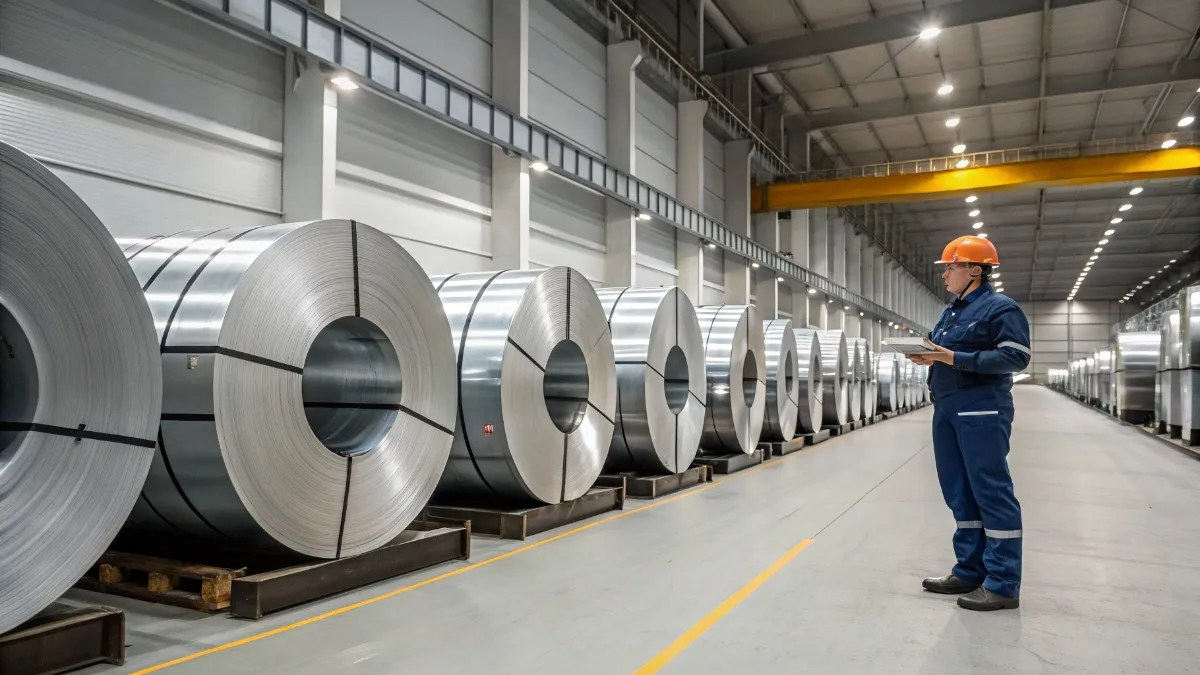
Steel coils stored in factory warehouse ready for pre-shipment surface inspection

How Can Buyers Inspect Steel Coil Surface Quality Before Shipment? What Should a Proper Checklist Include?

How to Inspect Steel Coil Surface Quality Before Shipment: A Buyer’s Checklist

Before steel coils are shipped overseas, surface quality inspection plays a critical role in preventing disputes, claims, and downstream processing issues.
For buyers, especially importers and distributors, surface defects that go unnoticed before shipment can quickly translate into financial loss, project delays, or customer dissatisfaction.

Why Surface Quality Inspection Matters Before Shipping

Surface condition is often the first indicator of overall manufacturing quality and process control.
Even when mechanical properties meet specification, surface defects such as scratches, dents, coating discontinuities, or corrosion spots can significantly reduce the usable value of a steel coil.

Because most surface-related claims arise after unloading or processing, conducting a systematic inspection before shipment helps buyers identify issues early and establish clear quality documentation.
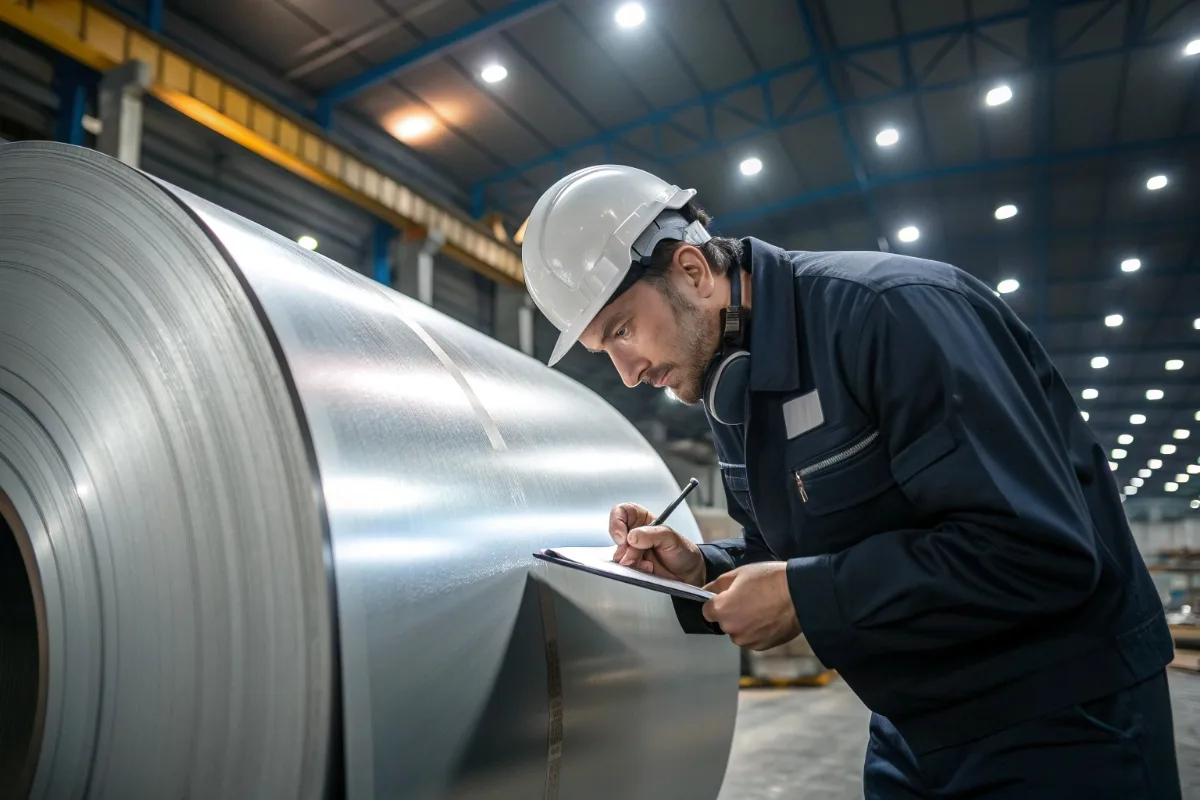
Quality inspector checking steel coil surface defects before shipment
Visual inspection under proper lighting helps identify surface defects before coils are packed for export.

Key Visual and Dimensional Inspection Points

A proper inspection should begin with a full visual scan of the coil surface.
Inspectors should look for scratches, dents, pits, roll marks, oil stains, rust spots, or any visible coating irregularities.
Surface uniformity is especially important for coated products, where color consistency, spangle appearance, and gloss uniformity reflect coating process stability.

Dimensional checks are equally important.
Thickness, width, flatness, and camber should be measured at multiple points, as surface defects often correlate with rolling or leveling inconsistencies.
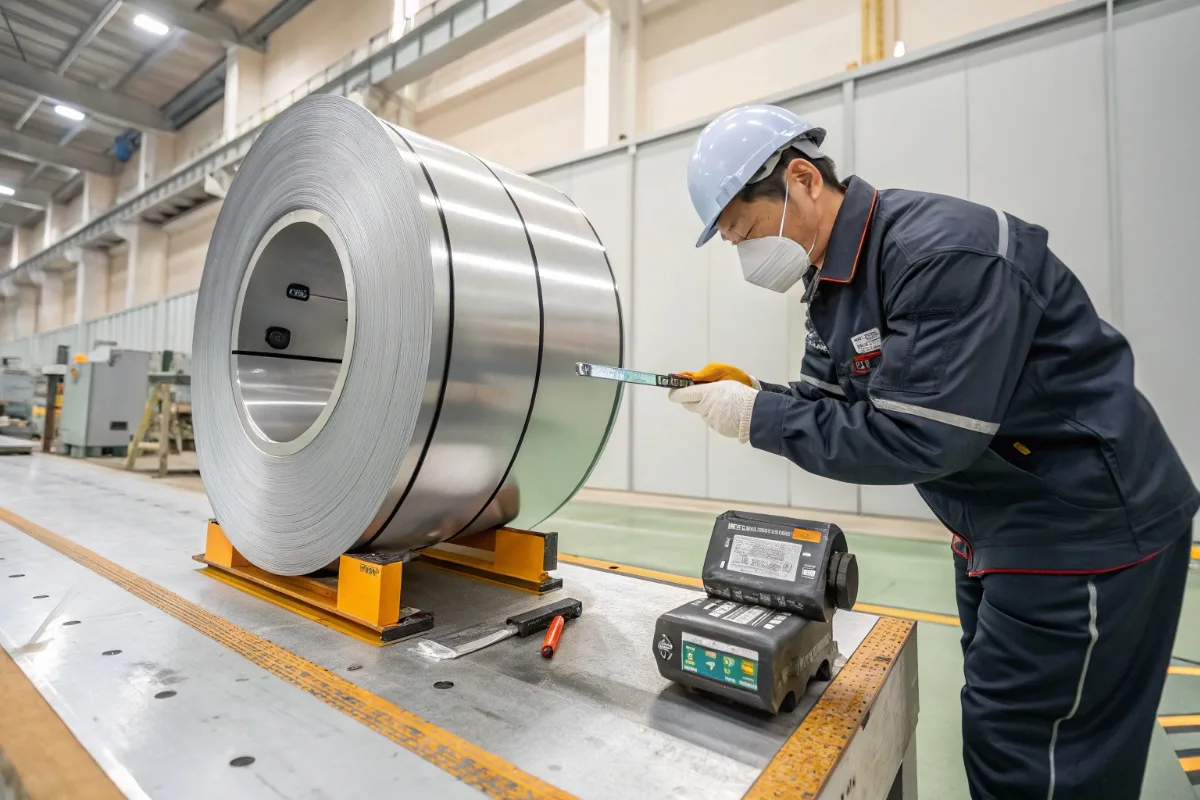
Measuring steel coil thickness and width during pre-shipment inspection
Dimensional and thickness measurement ensures steel coils meet specification and tolerance requirements.

Common Defects and How to Identify Them

Certain defects require closer inspection.
Coating peeling, flaking, blistering, or cracking indicate poor adhesion or process issues.
Edge defects are particularly critical, as slit edges are often where corrosion initiates first.
Burrs, coating loss, or exposed steel at the edges should be carefully examined.

For galvanized and coated coils, inspectors should verify that there is no bare steel exposure, especially around coil edges, overlaps, or handling marks.
Even minor surface damage can accelerate corrosion during transport or service life.
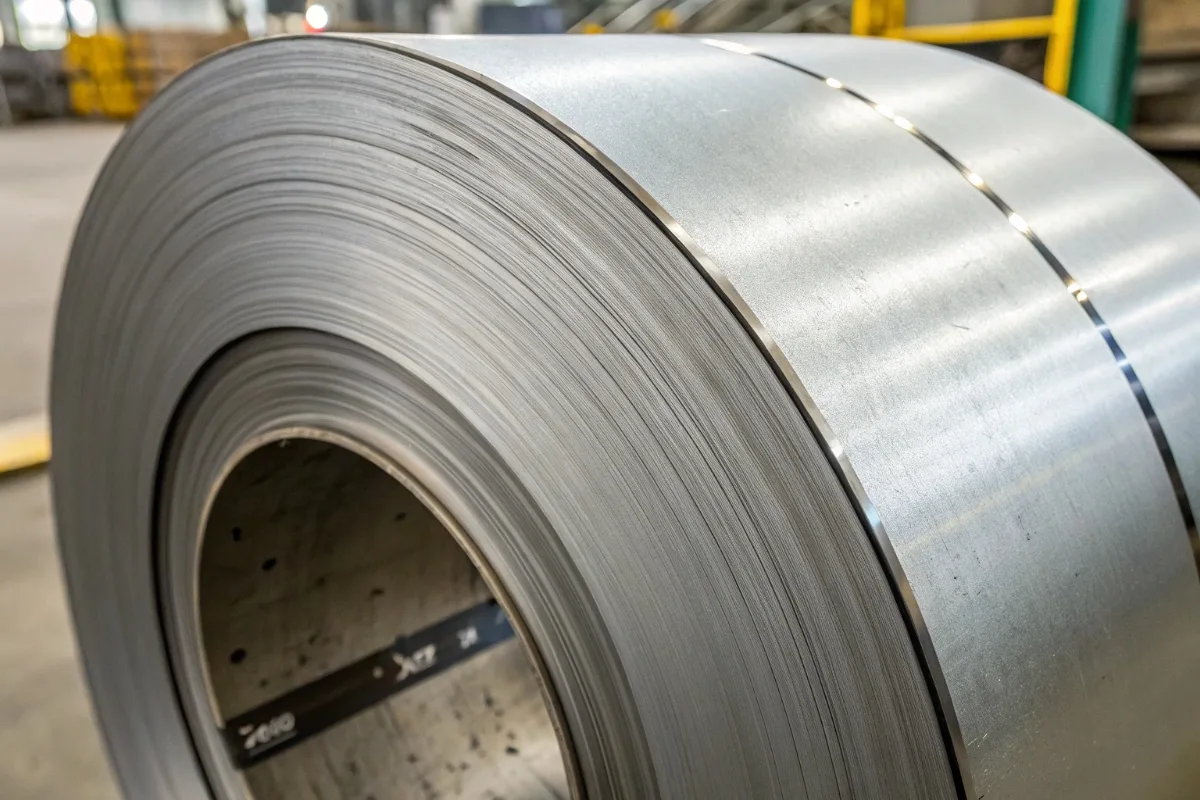
Close-up of steel coil edge showing surface damage and coating defects
Close-up inspection of coil edges helps detect early corrosion risks and coating damage.

Packaging and Protection Tips for Overseas Transport

Surface quality inspection does not end with the coil itself.
Packaging condition directly affects whether inspected quality is preserved during shipping.
Proper moisture-proof wrapping, edge protectors, and secure strapping are essential for long-distance transport.

Buyers should confirm that packaging materials are intact and suitable for the shipping route and climate.
Inadequate protection often leads to transit-related corrosion, even when the original coil surface was acceptable.
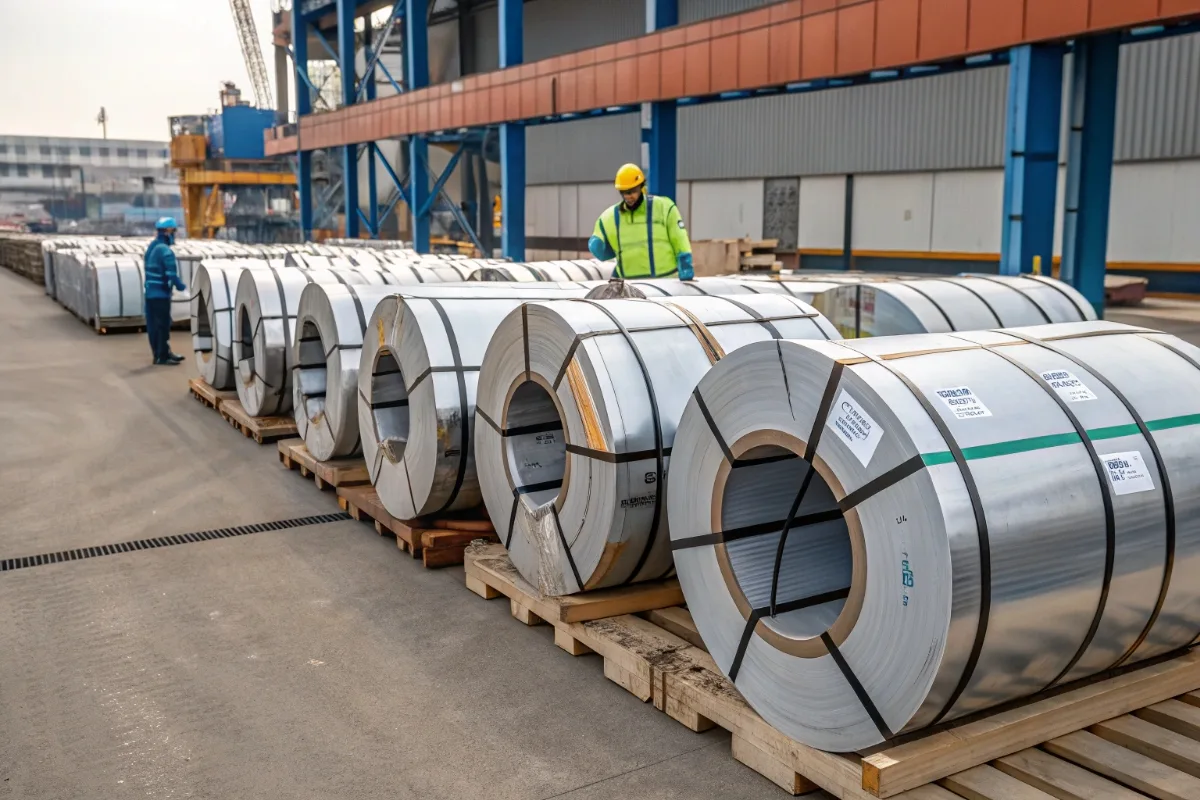
Steel coils properly packaged with edge protection for overseas transport
Proper export packaging helps maintain steel coil surface quality throughout overseas transportation.

Conclusion

A systematic pre-shipment surface quality inspection helps buyers minimize risk, improve supply reliability, and avoid costly post-delivery disputes.
By combining visual inspection, dimensional checks, defect identification, and packaging verification, buyers can build a clear and defensible quality checklist.

For international trade, documenting inspection results with photos and records is not just best practice—it is an essential safeguard for long-term supplier relationships and consistent product quality.

Share :

X
Facebook
LinkedIn
Pinterest
WhatsApp

More Tips

How Can Zinc and Aluminum-Zinc Coatings Maximize Corrosion Resistance in Steel?

Maximizing Corrosion Resistance: A Deep Dive into Zinc and Aluminum-Zinc Coatings Claim: Zinc and aluminum-zinc coatings don’t just cover steel — they extend its life. With the right coating type, thickness, and detailing, you can dramatically reduce corrosion risk and lower lifetime costs. Table of Contents 1. Why Corrosion Protection Is Critical in Steel Applications 2. The Science Behind Zinc vs. Alu-Zinc Coating Systems 3. Real-World Performance: How Coating Thickness Affects Durability 4. Choosing the Right Coating Type for Your Climate and Budget Conclusion Main comparison: zinc-coated (galvanized) vs aluminum-zinc (Aluzinc) coated steel coils. 1. Why Corrosion Protection Is Critical in Steel Applications Think of steel as the backbone of a building or structure — but left unprotected, it will rust, weaken, and fail. Corrosion is often invisible at first, but over months and years it eats away at strength, increases maintenance costs, and shortens warranties. Protective metallic coatings (like

Read More »
Custom steel coil production line showing precision rolling and variable coil thickness.

How do custom thickness and width in steel coils help cut costs for buyers?

How Do Custom Thickness and Width in Steel Coils Help Cut Costs for Buyers? Claim: Customizing the thickness and width of steel coils allows buyers to optimize material usage, reduce waste, and achieve measurable cost savings throughout the production and logistics process. Table of Contents 1. Why Coil Thickness and Width Matter in Industrial Projects 2. How Customized Specifications Improve Material Utilization 3. Cost Optimization Through Precision Rolling and Cutting 4. Partnering with Suppliers for Made-to-Order Steel Coil Solutions 5. Conclusion Precision control in coil rolling helps optimize thickness and reduce waste. 1. Why Coil Thickness and Width Matter in Industrial Projects In any steel fabrication or construction project, choosing the right coil dimensions is crucial. Standard coil sizes often lead to unnecessary cutting, trimming, and leftover materials that end up as scrap. Customizing the coil thickness and width allows buyers to match the material exactly to their production requirements,

Read More »

What Are the Best Practices for Packaging and Shipping Steel Coils Safely for Exporters and Importers?

Packaging and Shipping Steel Coils Safely: Tips for Exporters and Importers Claim: Proper packaging, handling, and loading procedures are essential to protect steel coils from rust, deformation, and transport damage — ensuring product quality, regulatory compliance, and cost efficiency from mill to destination. Table of Contents 1. Common Packaging Methods for Export-Ready Steel Coils 2. How to Prevent Rust, Denting, and Edge Damage During Transport 3. Essential Safety Standards for Loading and Containerization 4. Inspection and Handling Tips for Importers Upon Arrival 5. Conclusion Properly packaged steel coils with protective wrapping and labeling for safe export. 1. Common Packaging Methods for Export-Ready Steel Coils Export packaging for steel coils begins with corrosion prevention and impact protection. The inner layer typically uses corrosion-inhibiting paper or VCI film, followed by waterproof kraft paper or plastic wrapping. Outer layers include steel or PET strapping, edge guards, and sometimes metal or wooden crating for

Read More »
Stacked steel sheets in a modern factory meeting international ASTM, EN, and JIS standards.

How can steel sheets meet international standards like ASTM, EN, and JIS?

Meeting International Standards for Steel Sheets: ASTM, EN, JIS at a Glance Claim: Compliance with ASTM, EN and JIS standards is not just paperwork — it’s a practical way to guarantee material performance, speed up acceptance in export markets, and build trust between suppliers and buyers. Table of Contents Introduction 1. Understanding the Importance of Global Steel Standards 2. Overview of ASTM, EN, and JIS Classifications for Steel Sheets 3. How to Match Your Order Specifications with the Correct Standard 4. Why Compliance Improves Buyer Confidence and Export Value Conclusion Steel sheets ready for export — meeting international standards ensures acceptance and reliability. Introduction In today’s global steel market, buyers and suppliers operate across borders and standards. ASTM (United States), EN (Europe) and JIS (Japan) are three widely recognized systems that define how steel should be made, tested and documented. Meeting these standards helps ensure material safety, interchangeability and predictable

Read More »
Trusted Steel Supplier

Build Stronger with Premium Steel Solutions

Explore our wide range of galvanized, galvalume, and color-coated steel products for your next project.

Get A Quick Price Today