
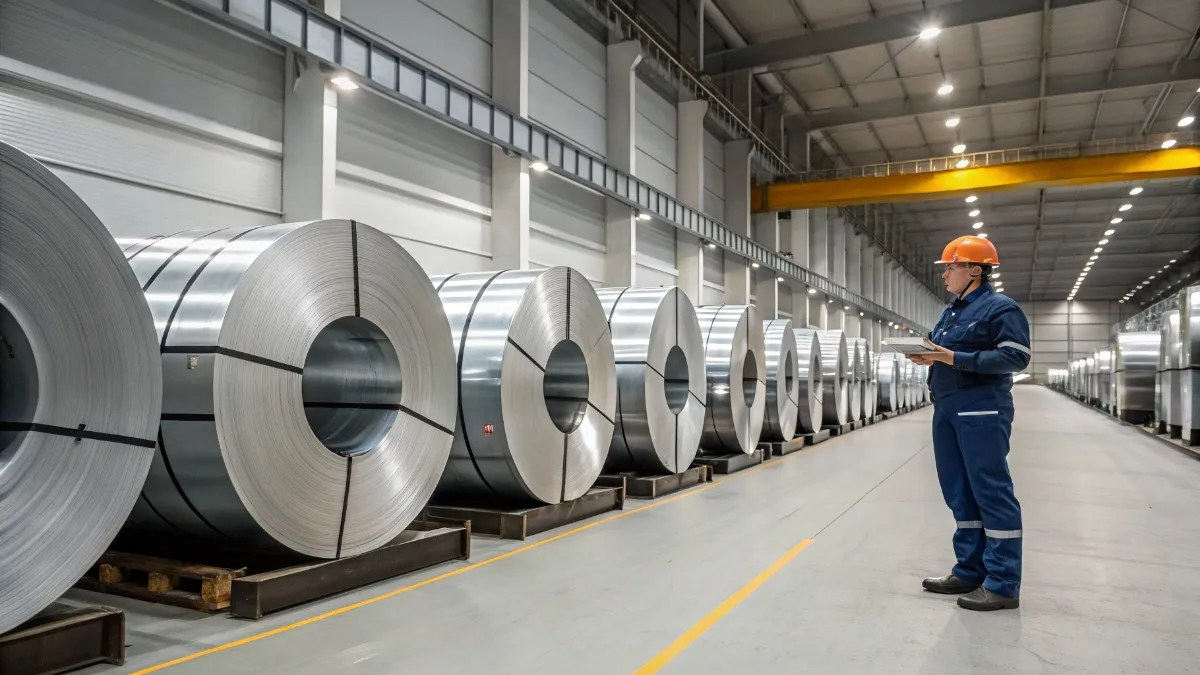
Steel coils stored in factory warehouse ready for pre-shipment surface inspection

How Can Buyers Inspect Steel Coil Surface Quality Before Shipment? What Should a Proper Checklist Include?

How to Inspect Steel Coil Surface Quality Before Shipment: A Buyer’s Checklist

Before steel coils are shipped overseas, surface quality inspection plays a critical role in preventing disputes, claims, and downstream processing issues.
For buyers, especially importers and distributors, surface defects that go unnoticed before shipment can quickly translate into financial loss, project delays, or customer dissatisfaction.

Why Surface Quality Inspection Matters Before Shipping

Surface condition is often the first indicator of overall manufacturing quality and process control.
Even when mechanical properties meet specification, surface defects such as scratches, dents, coating discontinuities, or corrosion spots can significantly reduce the usable value of a steel coil.

Because most surface-related claims arise after unloading or processing, conducting a systematic inspection before shipment helps buyers identify issues early and establish clear quality documentation.
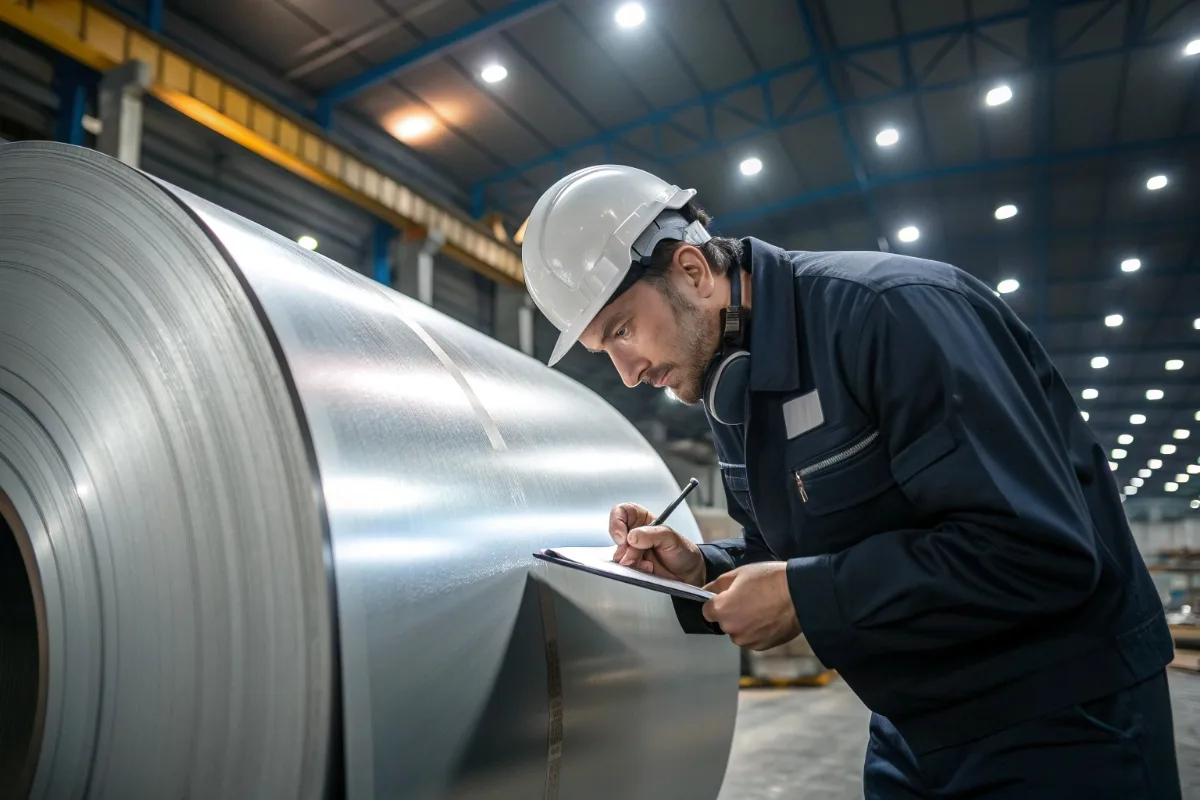
Quality inspector checking steel coil surface defects before shipment
Visual inspection under proper lighting helps identify surface defects before coils are packed for export.

Key Visual and Dimensional Inspection Points

A proper inspection should begin with a full visual scan of the coil surface.
Inspectors should look for scratches, dents, pits, roll marks, oil stains, rust spots, or any visible coating irregularities.
Surface uniformity is especially important for coated products, where color consistency, spangle appearance, and gloss uniformity reflect coating process stability.

Dimensional checks are equally important.
Thickness, width, flatness, and camber should be measured at multiple points, as surface defects often correlate with rolling or leveling inconsistencies.
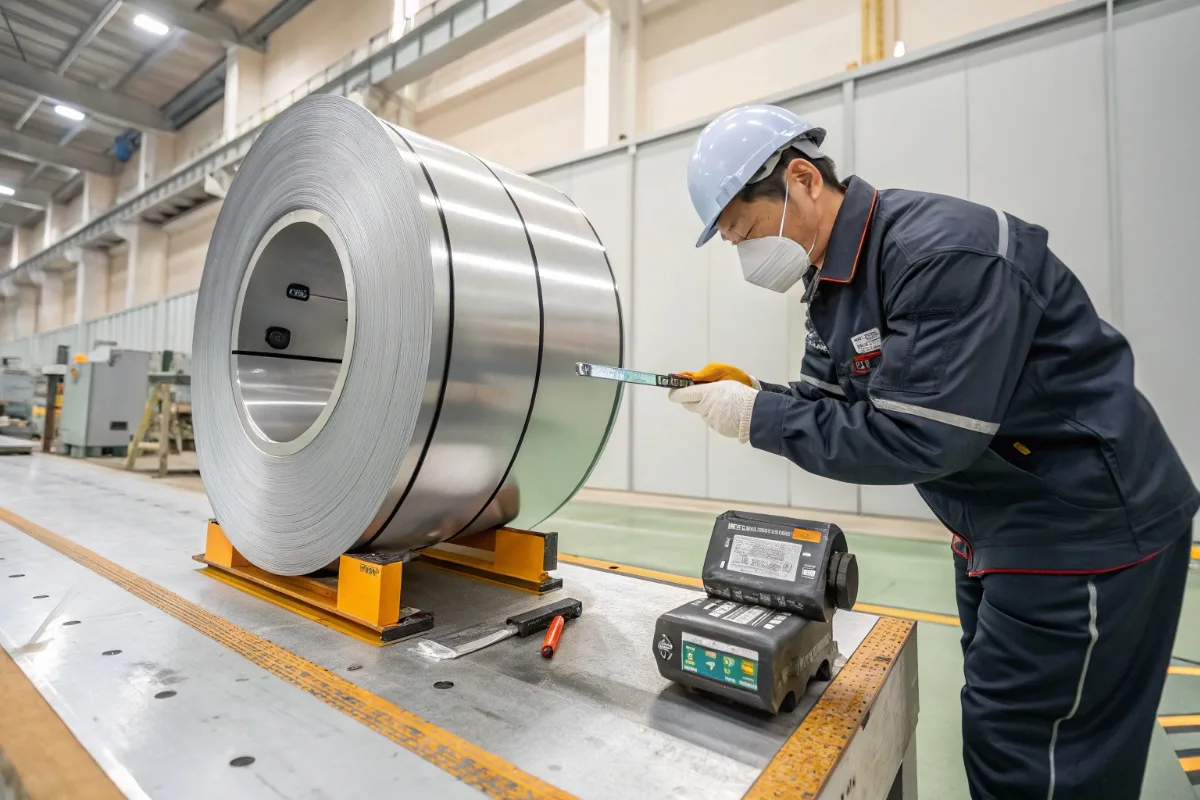
Measuring steel coil thickness and width during pre-shipment inspection
Dimensional and thickness measurement ensures steel coils meet specification and tolerance requirements.

Common Defects and How to Identify Them

Certain defects require closer inspection.
Coating peeling, flaking, blistering, or cracking indicate poor adhesion or process issues.
Edge defects are particularly critical, as slit edges are often where corrosion initiates first.
Burrs, coating loss, or exposed steel at the edges should be carefully examined.

For galvanized and coated coils, inspectors should verify that there is no bare steel exposure, especially around coil edges, overlaps, or handling marks.
Even minor surface damage can accelerate corrosion during transport or service life.
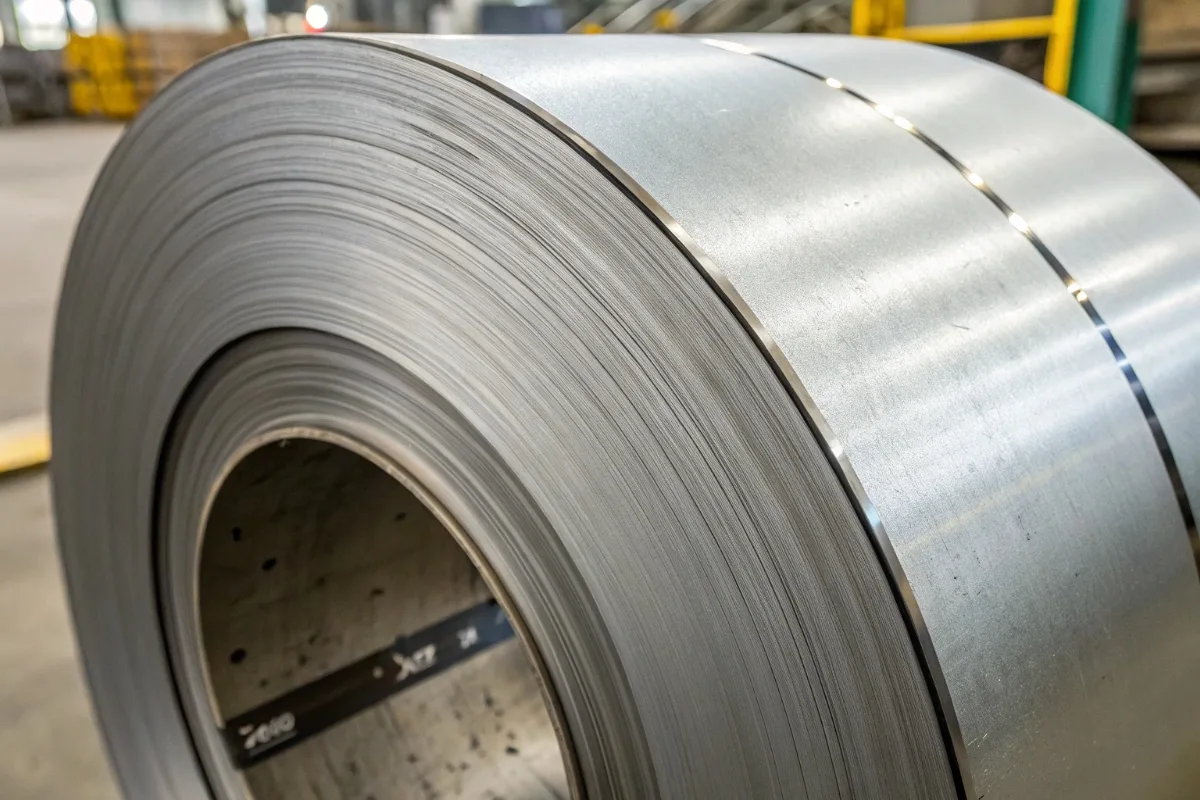
Close-up of steel coil edge showing surface damage and coating defects
Close-up inspection of coil edges helps detect early corrosion risks and coating damage.

Packaging and Protection Tips for Overseas Transport

Surface quality inspection does not end with the coil itself.
Packaging condition directly affects whether inspected quality is preserved during shipping.
Proper moisture-proof wrapping, edge protectors, and secure strapping are essential for long-distance transport.

Buyers should confirm that packaging materials are intact and suitable for the shipping route and climate.
Inadequate protection often leads to transit-related corrosion, even when the original coil surface was acceptable.
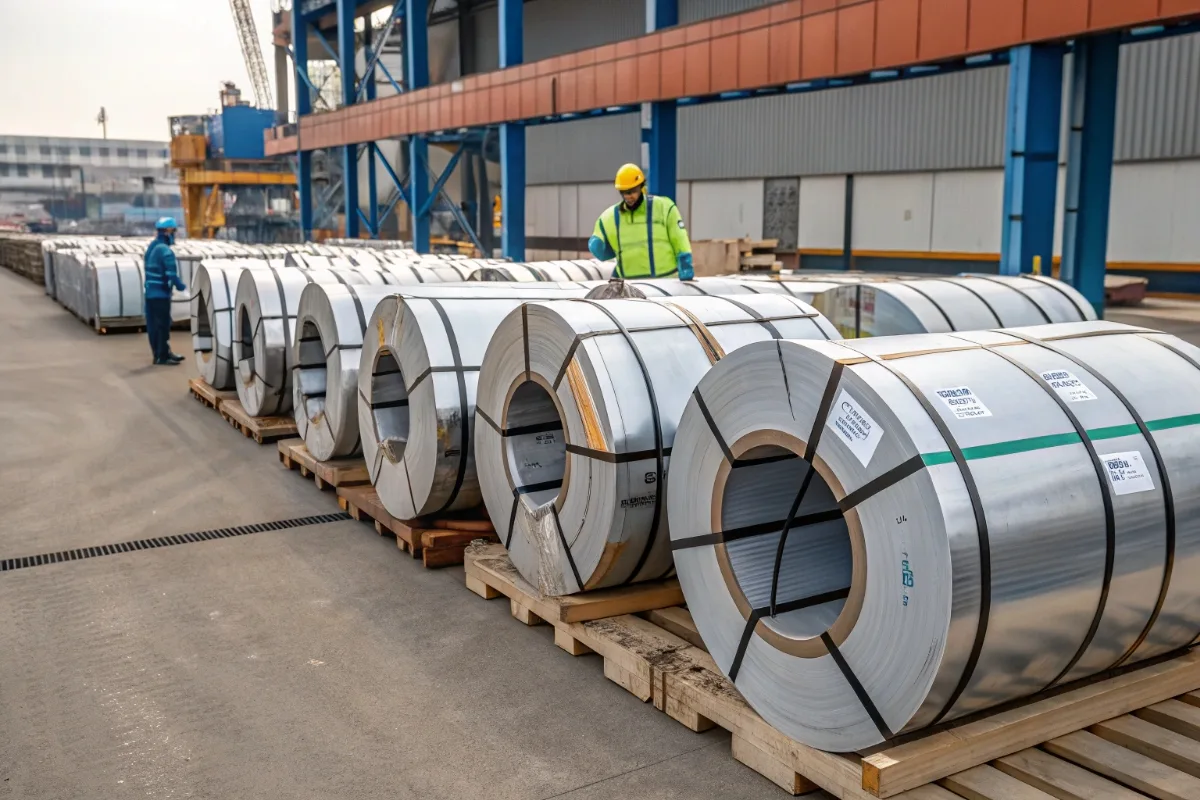
Steel coils properly packaged with edge protection for overseas transport
Proper export packaging helps maintain steel coil surface quality throughout overseas transportation.

Conclusion

A systematic pre-shipment surface quality inspection helps buyers minimize risk, improve supply reliability, and avoid costly post-delivery disputes.
By combining visual inspection, dimensional checks, defect identification, and packaging verification, buyers can build a clear and defensible quality checklist.

For international trade, documenting inspection results with photos and records is not just best practice—it is an essential safeguard for long-term supplier relationships and consistent product quality.

Share :

X
Facebook
LinkedIn
Pinterest
WhatsApp

More Tips

How to Identify High-Quality Galvanized Steel Coils Before You Buy?

A modern steel factory showcasing neatly stacked galvanized steel coils ready for export. Galvanized steel coils are the backbone of countless industries — from roofing and construction to automotive manufacturing. But not all galvanized coils are made equal. A small difference in coating weight, substrate quality, or surface finish can significantly affect long-term performance and your customers’ satisfaction. In this article, we’ll break down what truly defines high-quality galvanized steel coils, how to verify them before purchase, and what practical steps buyers can take to avoid costly surprises. 1. Understanding the Core Quality Factors of Galvanized Steel Coils Close-up of galvanized steel surface showing the natural zinc spangle texture. At the heart of every reliable galvanized coil lies a combination of substrate quality, zinc coating, and surface treatment. The substrate (the base steel) determines the coil’s strength and formability. Grades such as DX51D, SGCC, and SGCH are widely recognized in

Read More »
Modern steel factory with Aluzinc steel coils stacked in warehouse.

Why Aluzinc (GL) Coils Are Gaining Popularity in Construction and Roofing?

Why Aluzinc (GL) Coils Are Gaining Popularity in Construction and Roofing Aluzinc (GL) steel coils stored in a modern factory, ready for export. In recent years, Aluzinc (GL) steel coils have become one of the most preferred materials for roofing, wall cladding, and industrial construction. Their growing popularity is not just a trend—it’s a reflection of real performance advantages over traditional galvanized steel. This article explores why more global buyers, engineers, and project contractors are switching to Aluzinc, and what makes it the smarter long-term investment for modern construction. Table of Contents 1. What Makes Aluzinc (GL) Steel Coils Different from Galvanized Coils 2. Advantages of Aluzinc Coatings in Harsh Environments 3. Applications in Modern Roofing and Structural Projects 4. Market Insights: Why Global Buyers Are Switching to GL Coils Claim Final Thoughts 1. What Makes Aluzinc (GL) Steel Coils Different from Galvanized Coils Comparison between galvanized (zinc-coated) and Aluzinc

Read More »

How Do You Choose the Right Finish for Color-Coated Steel Coils to Ensure Long-Term Performance?

How Do You Choose the Right Finish for Color-Coated Steel Coils to Ensure Long-Term Performance? Color-coated steel coils (also known as PPGI and PPGL) are widely used in construction, appliances, and industrial manufacturing. Choosing the right coating finish is crucial to ensure long-term durability, appearance, and protection against harsh environmental conditions. This guide explains how to choose the right finish to achieve long-lasting performance. Table of Contents 1. Introduction to Color-Coated (PPGI/PPGL) Steel Coils and Their Uses 2. Comparing Coating Systems: Polyester, SMP, PVDF, and More 3. Key Factors to Evaluate Before Selecting a Color Coating 4. How Proper Maintenance Extends the Lifespan of Color-Coated Coils 1. Introduction to Color-Coated (PPGI/PPGL) Steel Coils and Their Uses Color-coated steel coils are pre-painted galvanized (PPGI) or galvalume (PPGL) steel sheets that combine aesthetics with corrosion protection. They are widely applied in roofing systems, wall panels, home appliances, and decorative construction materials. These

Read More »
Panoramic view of steel coils and logistics trucks representing the roofing steel supply chain from mill to roof.

How does the supply chain of roofing steel sheets work, from mill to roof?

From Mill to Roof: Understanding the Roofing Steel Supply Chain Claim: The roofing steel sheet supply chain is a story of transformation — from raw material to a finished product protecting homes and buildings. Understanding how each step connects helps buyers, distributors, and contractors ensure quality, reliability, and timely delivery. Table of Contents 1. How Steel Sheets Are Produced from Raw Material to Finished Coil 2. Logistics and Quality Control in Steel Sheet Exportation 3. Common Challenges in the Roofing Steel Supply Chain 4. Building Reliable Partnerships Between Mills, Traders, and End Users A panoramic view of the roofing steel supply chain — from mill to logistics. 1. How Steel Sheets Are Produced from Raw Material to Finished Coil Hot rolled coils being processed in a modern steel mill. Every roofing sheet begins its journey deep inside a steel mill. Iron ore, scrap steel, zinc, and aluminum are melted and

Read More »
Trusted Steel Supplier

Build Stronger with Premium Steel Solutions

Explore our wide range of galvanized, galvalume, and color-coated steel products for your next project.

Get A Quick Price Today