How to Inspect Steel Coil Surface Quality Before Shipment: A Buyer’s Checklist
Before steel coils are shipped overseas, surface quality inspection plays a critical role in preventing disputes, claims, and downstream processing issues.
For buyers, especially importers and distributors, surface defects that go unnoticed before shipment can quickly translate into financial loss, project delays, or customer dissatisfaction.
Why Surface Quality Inspection Matters Before Shipping
Surface condition is often the first indicator of overall manufacturing quality and process control.
Even when mechanical properties meet specification, surface defects such as scratches, dents, coating discontinuities, or corrosion spots can significantly reduce the usable value of a steel coil.
Because most surface-related claims arise after unloading or processing, conducting a systematic inspection before shipment helps buyers identify issues early and establish clear quality documentation.

Key Visual and Dimensional Inspection Points
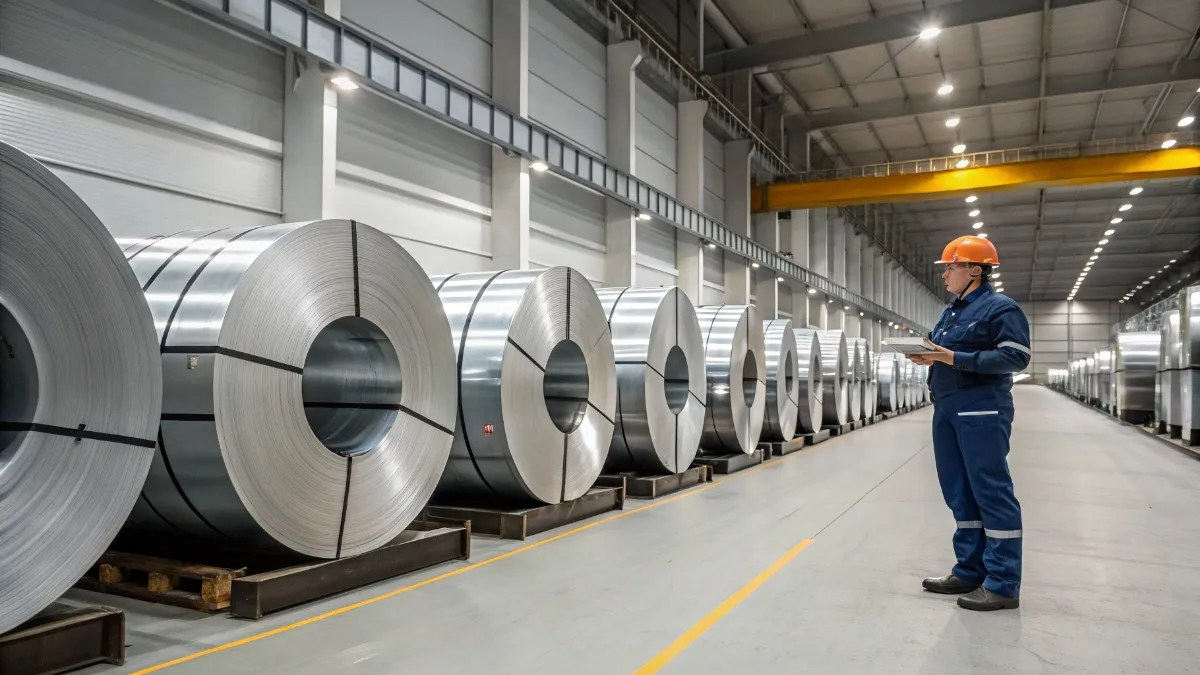
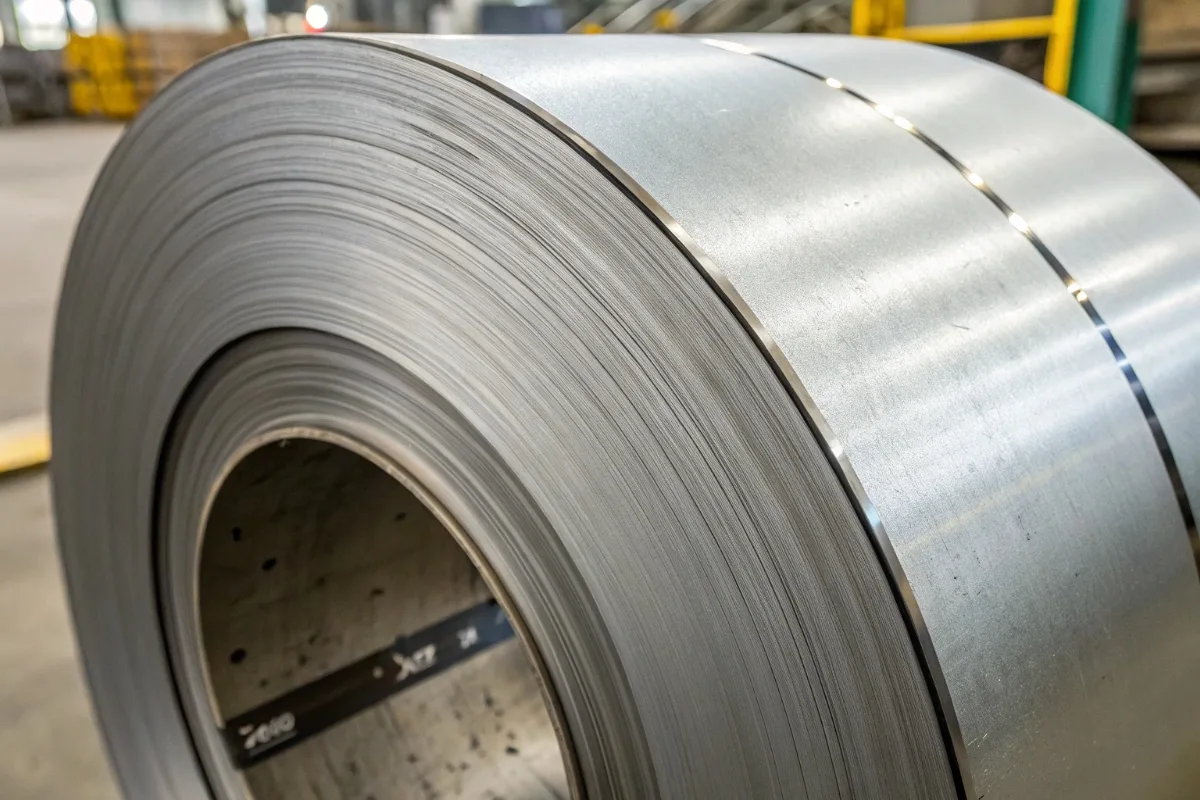
A proper inspection should begin with a full visual scan of the coil surface.
Inspectors should look for scratches, dents, pits, roll marks, oil stains, rust spots, or any visible coating irregularities.
Surface uniformity is especially important for coated products, where color consistency, spangle appearance, and gloss uniformity reflect coating process stability.
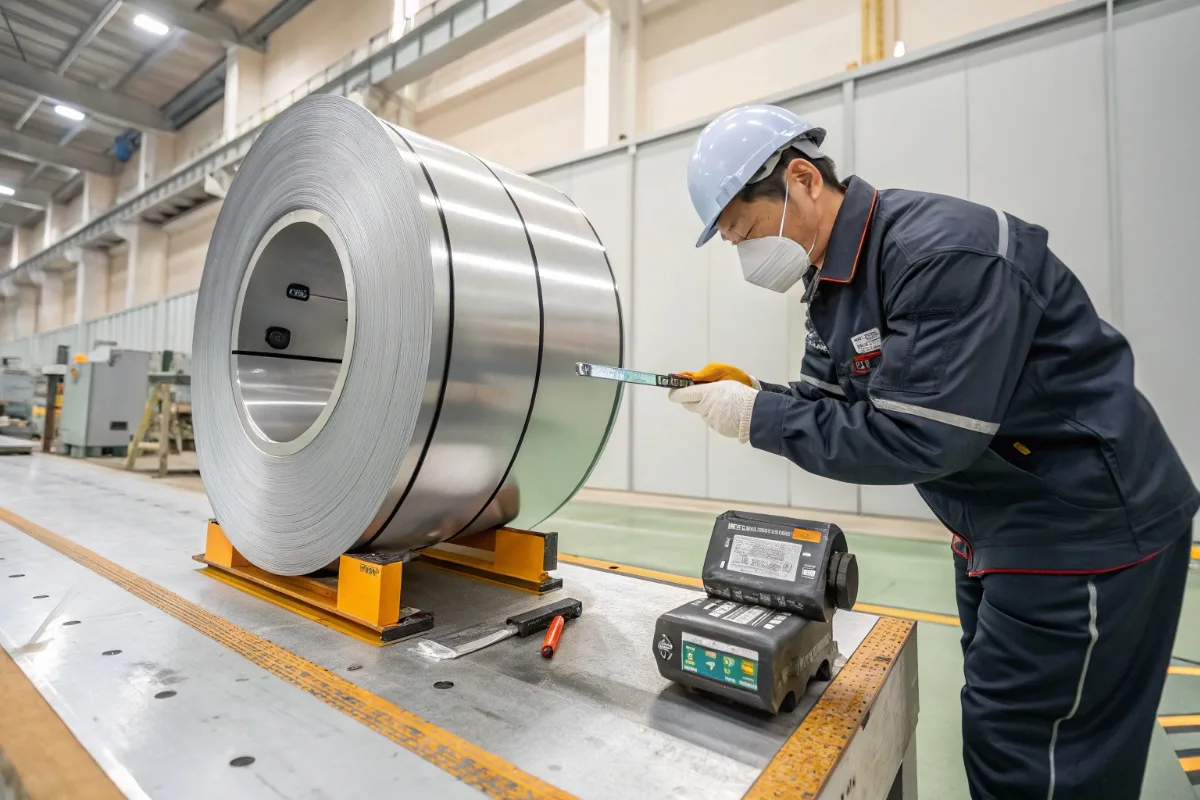
Dimensional checks are equally important.
Thickness, width, flatness, and camber should be measured at multiple points, as surface defects often correlate with rolling or leveling inconsistencies.
Common Defects and How to Identify Them
Certain defects require closer inspection.
Coating peeling, flaking, blistering, or cracking indicate poor adhesion or process issues.
Edge defects are particularly critical, as slit edges are often where corrosion initiates first.
Burrs, coating loss, or exposed steel at the edges should be carefully examined.
For galvanized and coated coils, inspectors should verify that there is no bare steel exposure, especially around coil edges, overlaps, or handling marks.
Even minor surface damage can accelerate corrosion during transport or service life.
Packaging and Protection Tips for Overseas Transport
Surface quality inspection does not end with the coil itself.
Packaging condition directly affects whether inspected quality is preserved during shipping.
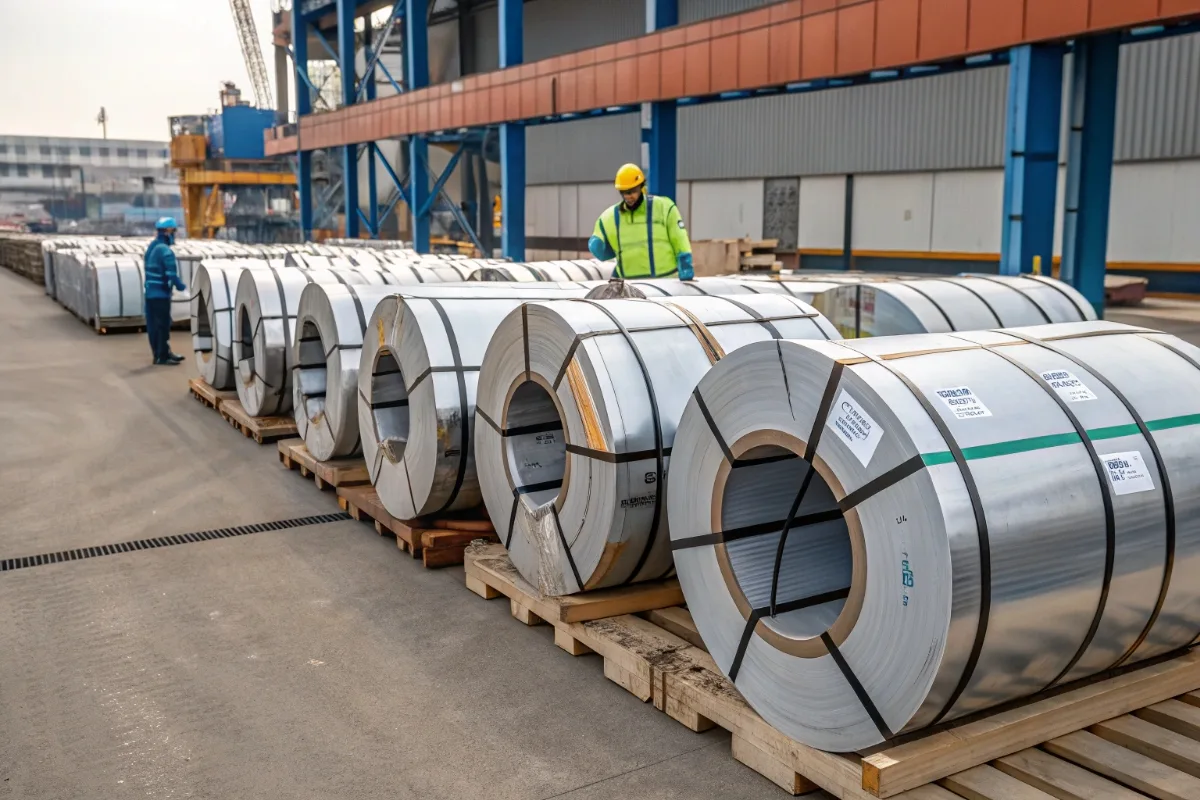
Proper moisture-proof wrapping, edge protectors, and secure strapping are essential for long-distance transport.
Buyers should confirm that packaging materials are intact and suitable for the shipping route and climate.
Inadequate protection often leads to transit-related corrosion, even when the original coil surface was acceptable.
Conclusion
A systematic pre-shipment surface quality inspection helps buyers minimize risk, improve supply reliability, and avoid costly post-delivery disputes.
By combining visual inspection, dimensional checks, defect identification, and packaging verification, buyers can build a clear and defensible quality checklist.
For international trade, documenting inspection results with photos and records is not just best practice—it is an essential safeguard for long-term supplier relationships and consistent product quality.