
Hot-Rolled vs. Cold-Rolled Steel Sheets: Key Differences Every Buyer Must Know
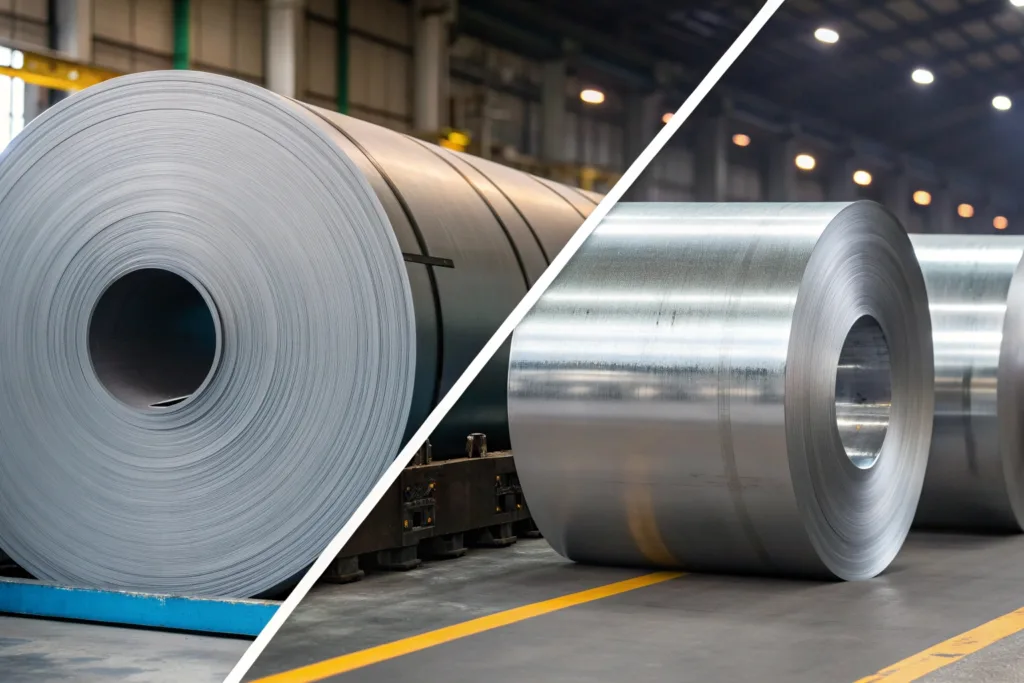
Visual comparison banner of hot-rolled (left) and cold-rolled (right) steel sheets.
Understanding Hot-Rolled Steel Sheets: Process and Properties
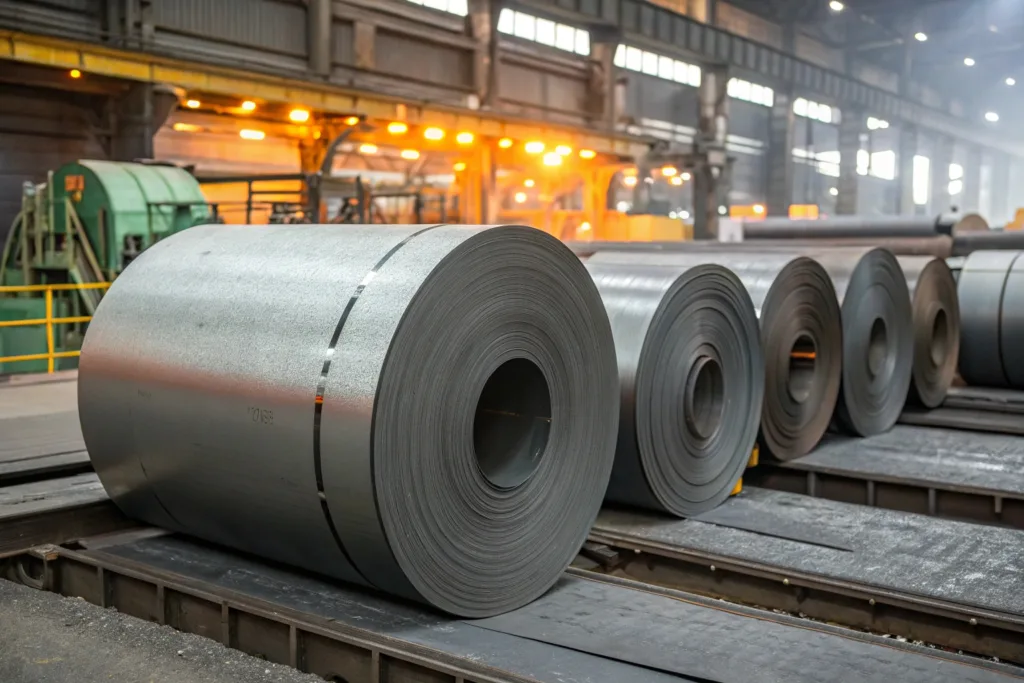
Hot-rolled steel sheets with characteristic deep-gray, rough surface and mill scale texture.
Hot-rolled steel sheets are produced by rolling steel at high temperatures, typically above 1,700°F (927°C). This process keeps the steel malleable and makes it easier to shape into large sheets. Hot-rolled sheets generally have a rougher surface texture due to mill scale and slight variations in thickness.
Personal Insight: Hot-rolled steel is usually deep gray in color, with better plasticity and ductility, making it suitable for high-temperature applications. Typical thickness ranges between 1.1–1.4mm.
Exploring Cold-Rolled Steel Sheets: Process and Properties
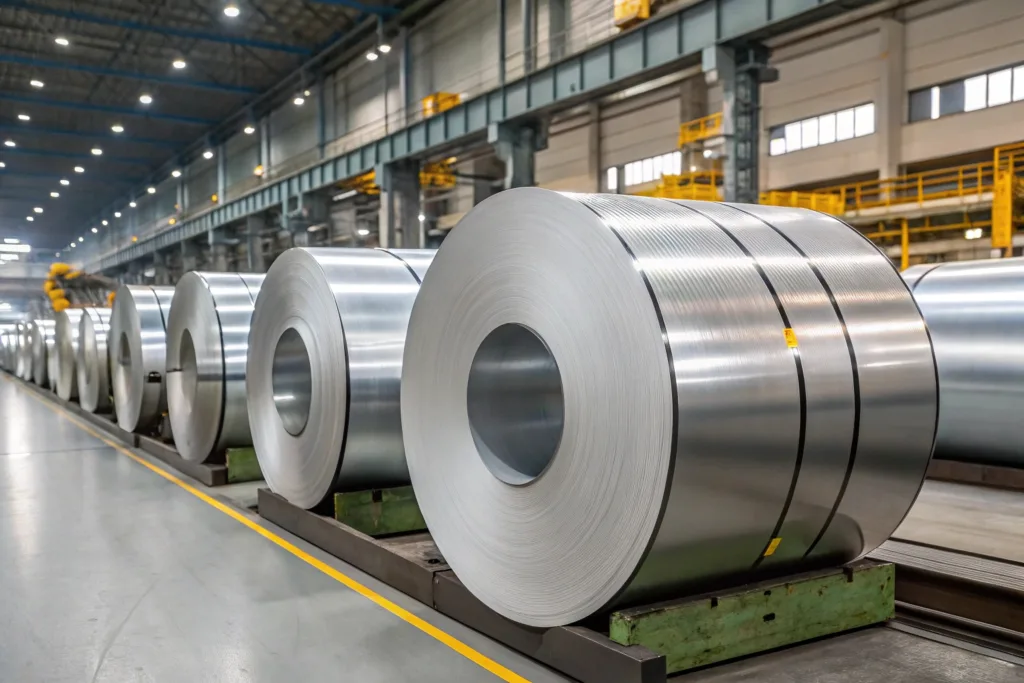
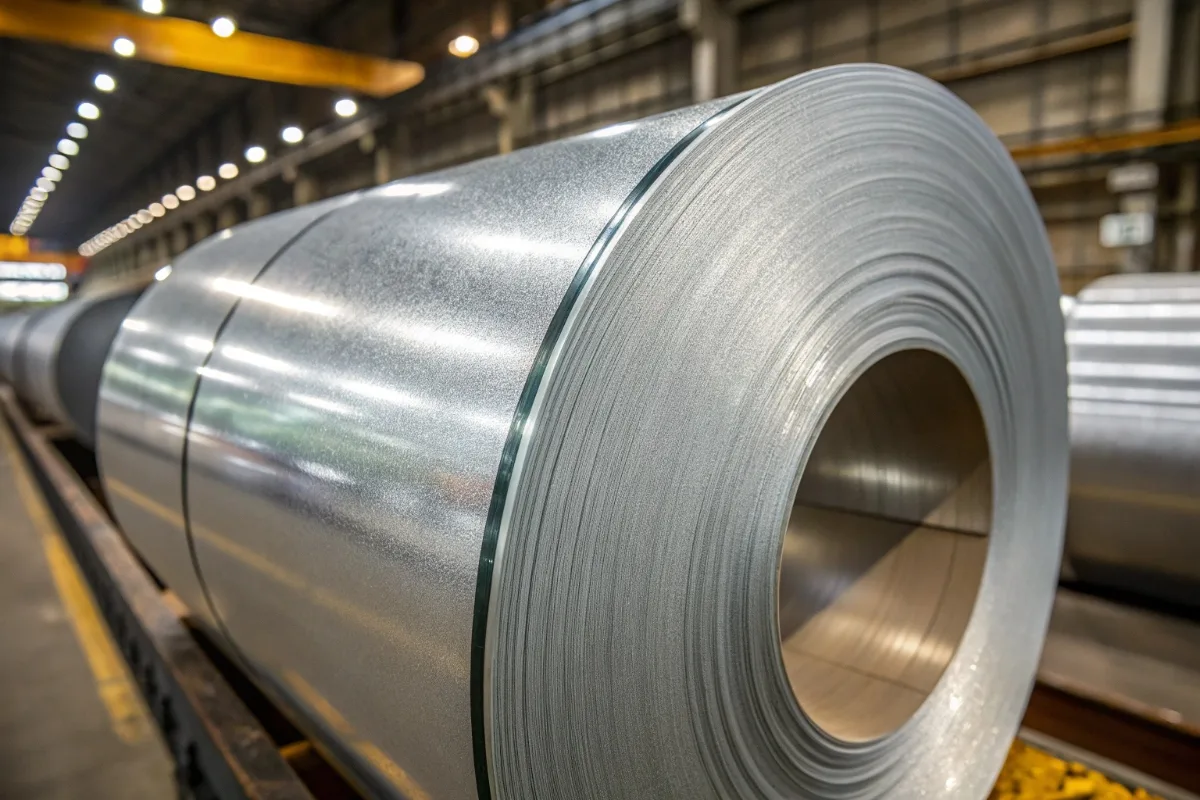
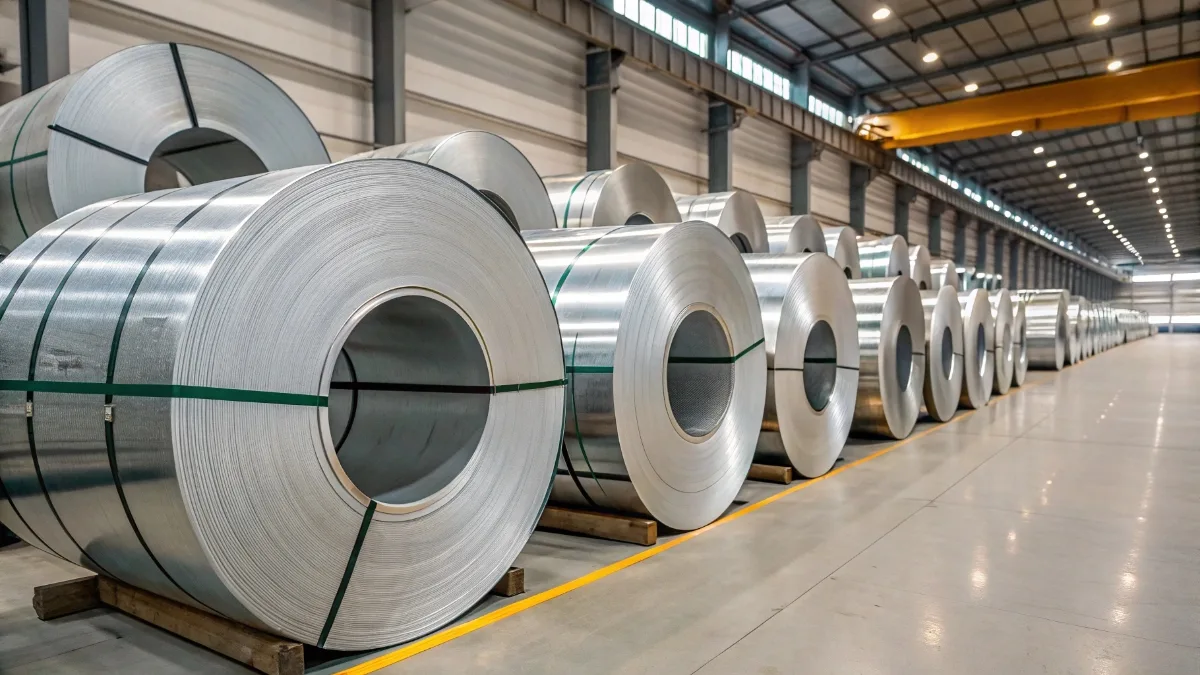
Cold-rolled steel sheets featuring a smooth, silver-colored, reflective surface.
Cold-rolled steel sheets are manufactured by taking hot-rolled steel and processing it further at room temperature. This additional step improves strength, precision, and surface finish. Cold-rolled sheets are often smoother, shinier, and more dimensionally accurate compared to hot-rolled sheets.
Personal Insight: Cold-rolled steel usually appears silver in color, with higher strength and a smooth reflective surface. It is typically thinner than hot-rolled steel sheets.
Key Differences in Performance, Cost, and Applications
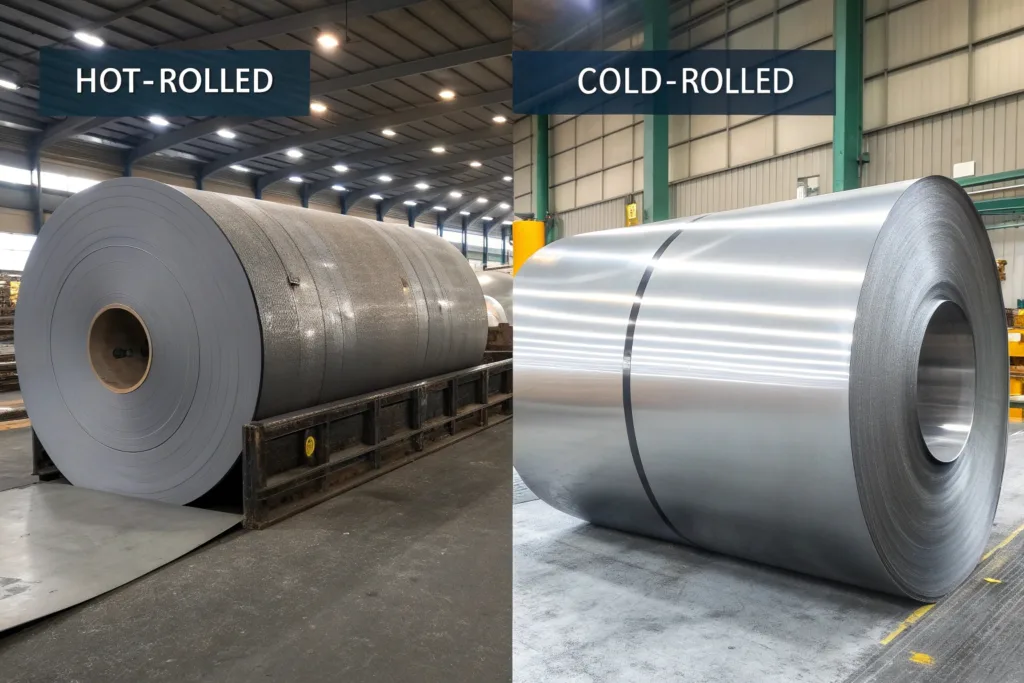
Side-by-side comparison showing hot-rolled steel (deep gray, rough) and cold-rolled steel (silver, smooth).
- Surface Finish: Hot-rolled steel has a rough, matte surface, while cold-rolled steel has a smooth, shiny finish.
- Thickness and Precision: Hot-rolled sheets have slight variations in thickness, whereas cold-rolled sheets are more uniform and thinner.
- Strength: Cold-rolled steel has higher tensile strength compared to hot-rolled.
- Cost: Hot-rolled sheets are generally more affordable due to fewer processing steps.
- Applications:
- Hot-rolled steel: construction, heavy machinery, structural frames.
- Cold-rolled steel: automotive, appliances, roofing, and precision engineering.
How to Choose the Right Steel Sheet for Your Business Needs
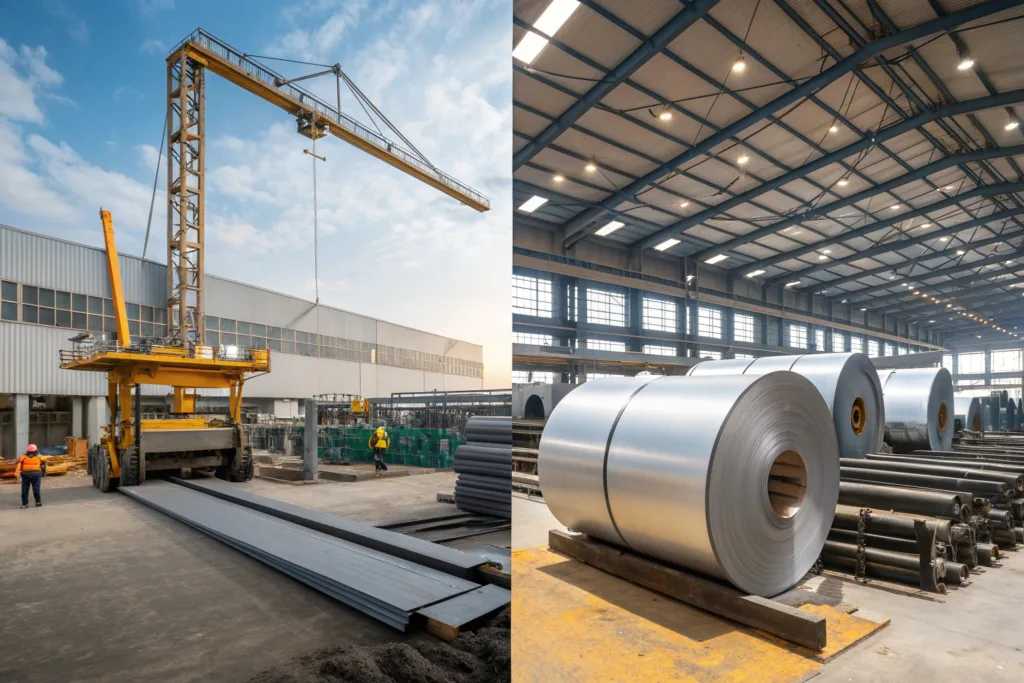
Hot-rolled steel used in construction vs. cold-rolled steel in manufacturing and roofing.
When choosing between hot-rolled and cold-rolled steel sheets, consider:
- End-use application: Heavy-duty structural work favors hot-rolled, while precision manufacturing benefits from cold-rolled.
- Budget: Hot-rolled steel is more cost-effective for large-scale projects.
- Appearance: Cold-rolled steel is ideal when a smooth, aesthetic finish is required.
- Thickness requirements: For slightly thicker sheets, hot-rolled is common; for thinner, more precise needs, cold-rolled is better.
Conclusion: Buyers should balance cost, strength, and application requirements. Hot-rolled steel is durable and flexible, while cold-rolled steel provides precision and strength. Understanding these differences ensures smarter procurement decisions in the steel industry.