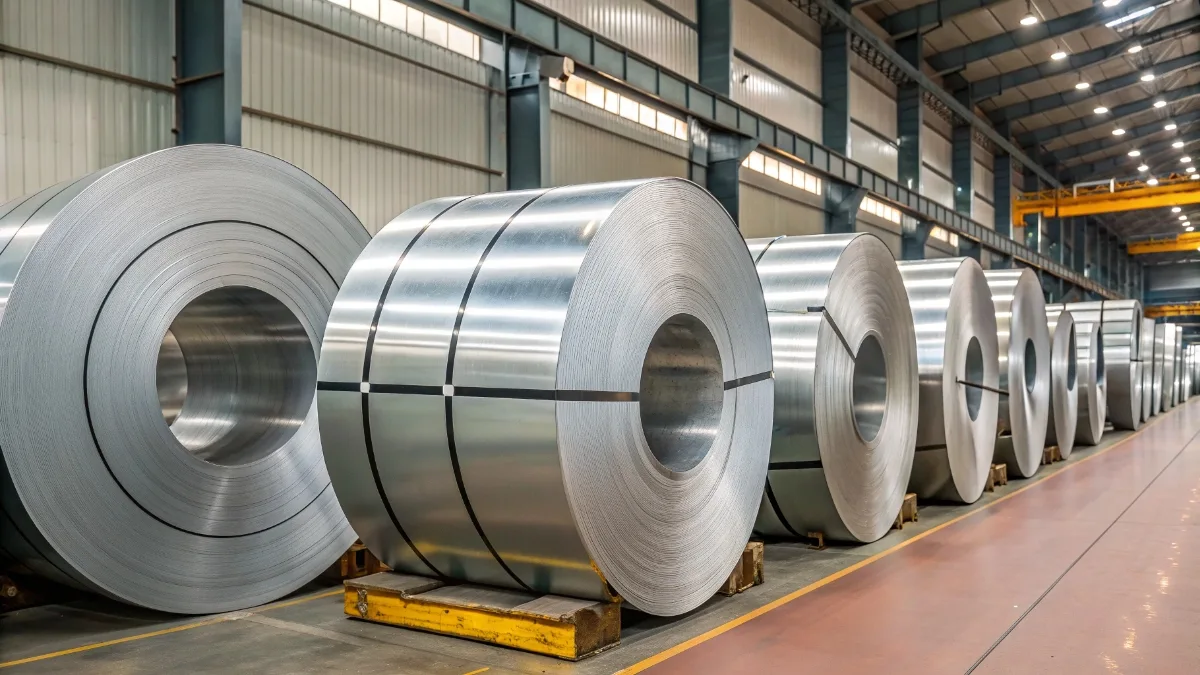
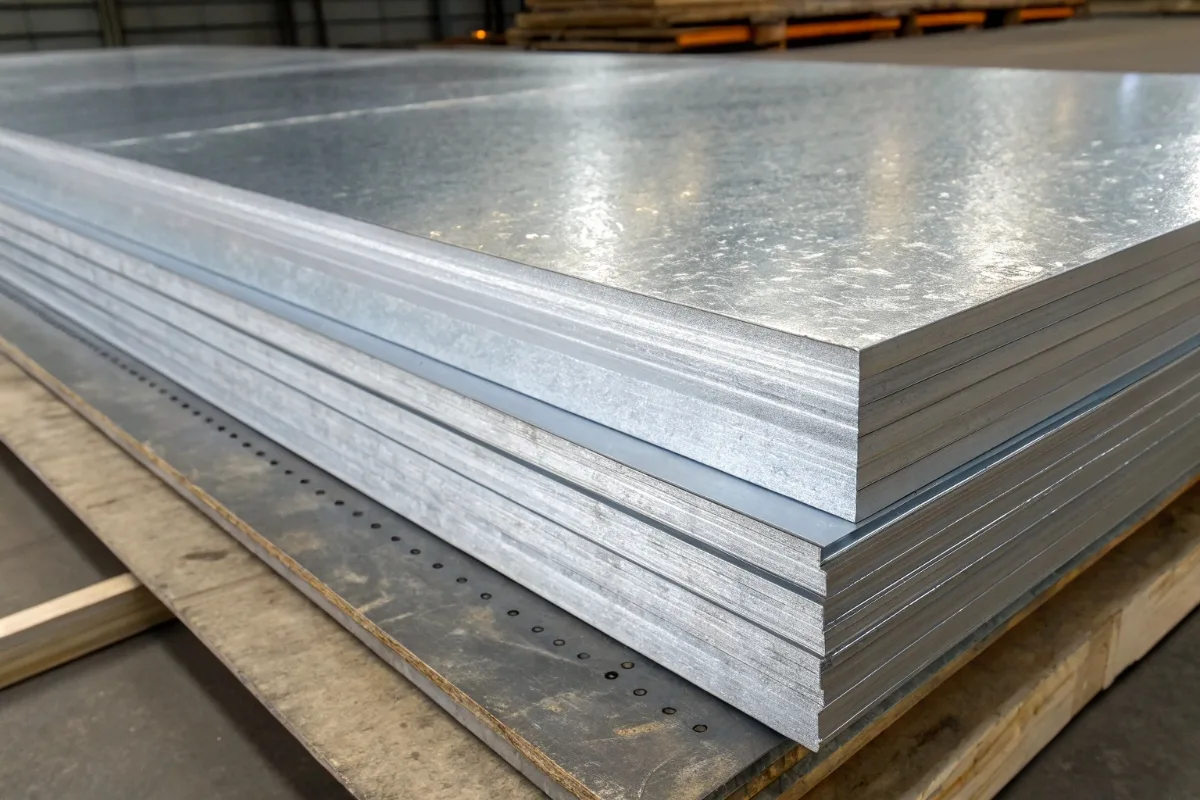
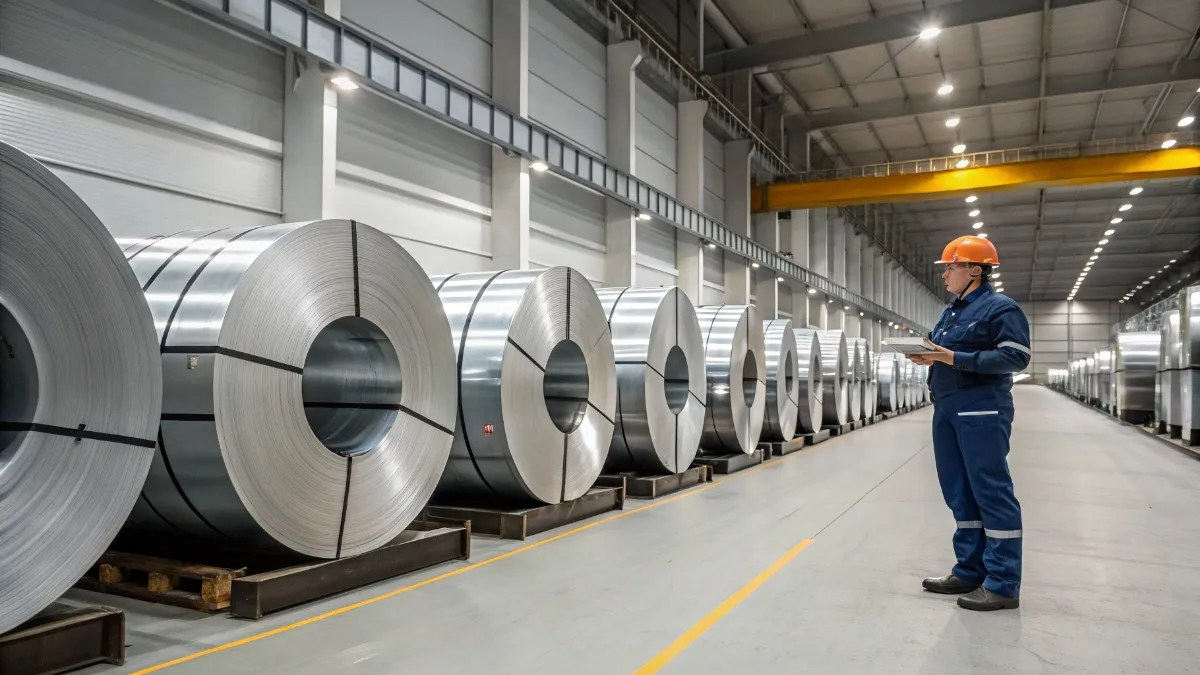
Comparison image of galvanized and galvalume steel coils under daylight showing coating texture differences.

Galvanized vs. Galvalume Steel Coils: Which Is Better for Roofing Projects?

Galvanized vs. Galvalume Steel Coils: Which Is Better for Roofing Projects?

Claim:
While both galvanized and galvalume steel coils are widely used for roofing, Galvalume generally provides longer service life and better performance in harsh or humid environments, whereas Galvanized steel remains a practical, budget-friendly choice for moderate climates and shorter-term projects.

Comparison image of galvanized and galvalume steel coils under daylight showing coating texture differences.
Galvanized (zinc-coated) and Galvalume (aluminum-zinc alloy coated) steel coils side by side — two leading materials for roofing applications.

Table of Contents


1. What Are Galvanized and Galvalume Steel Coils?

Both galvanized and galvalume steel coils start as carbon steel sheet that is coated to improve corrosion resistance. The coating is the key difference:

  • Galvanized steel is coated primarily with zinc to provide sacrificial protection against corrosion.
  • Galvalume steel is coated with an alloy of roughly 55% aluminum, 43% zinc, and 1–2% silicon — combining aluminum’s barrier protection and zinc’s active protection.
Microscopic close-up comparison of galvanized zinc coating and galvalume alloy coating on steel surface.
Cross-section view of coatings — pure zinc on galvanized vs aluminum-zinc-silicon alloy on Galvalume steel.

2. Key Differences in Composition and Performance

The two coatings perform differently under real-world conditions:

  • Galvanized steel provides good protection in moderate, dry environments at lower cost.
  • Galvalume offers superior corrosion resistance in high humidity, coastal or industrial zones due to its aluminum-zinc barrier effect.
  • Galvalume reflects more sunlight and heat, helping roofs stay cooler and last longer.
  • Galvanized may show visible white rust if moisture is trapped during storage or installation.
  • Galvalume can last 40–70 years under typical roofing exposure; galvanized about 20–50 years depending on conditions.
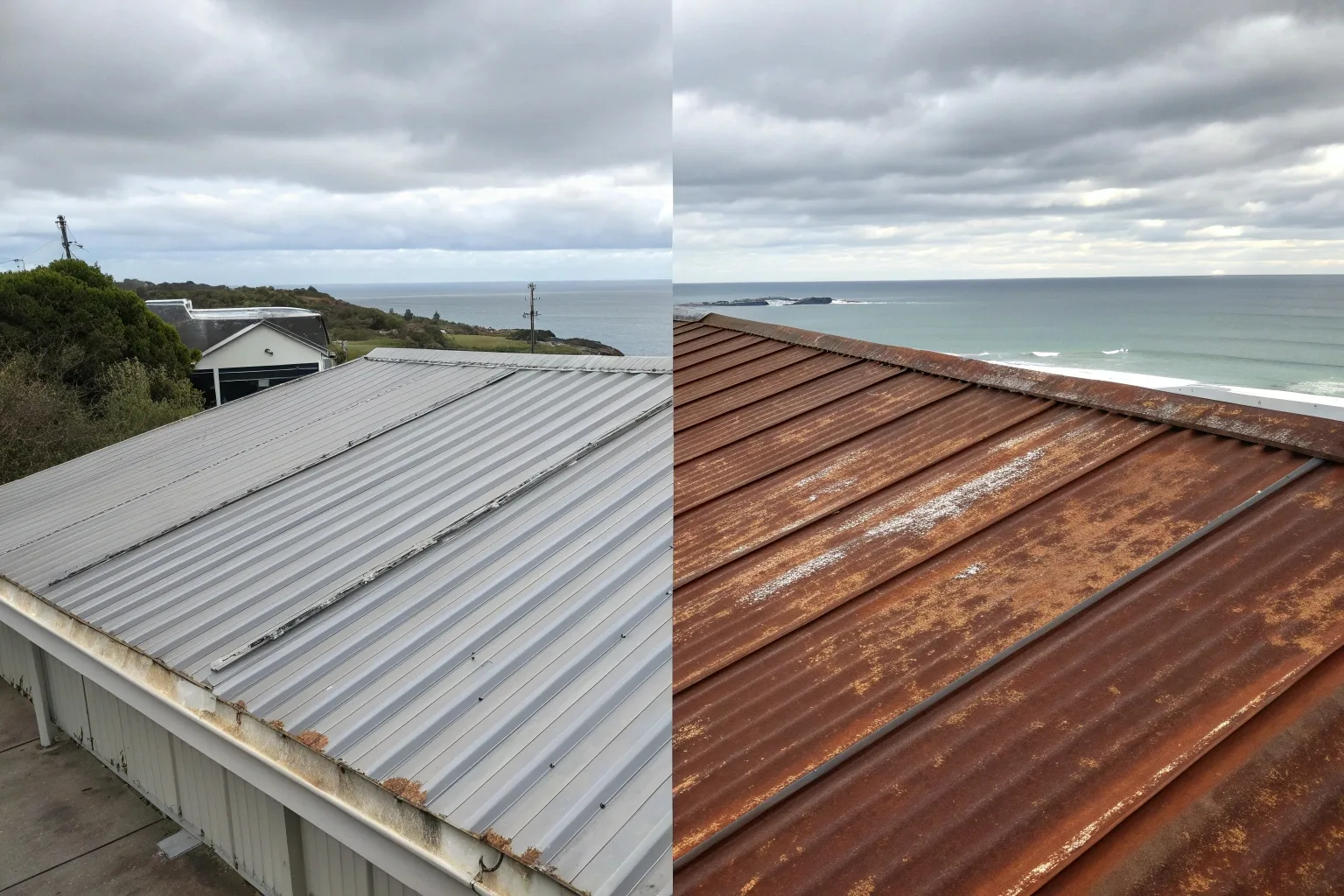
Two metal roofing panels side by side near coastline showing corrosion difference between galvanized and galvalume surfaces.
In coastal exposure, Galvalume retains its finish far longer than traditional galvanized coatings.

3. Advantages and Disadvantages for Roofing Applications

Each material brings its own balance of cost, performance and application suitability:

Property Galvanized Steel Galvalume Steel
Coating Composition ~100% Zinc 55% Al / 43% Zn / 1–2% Si
Corrosion Resistance Moderate Excellent
Heat Reflectivity Medium High
Cost Lower Higher
Best Environment Dry, Inland Coastal, Humid, High UV
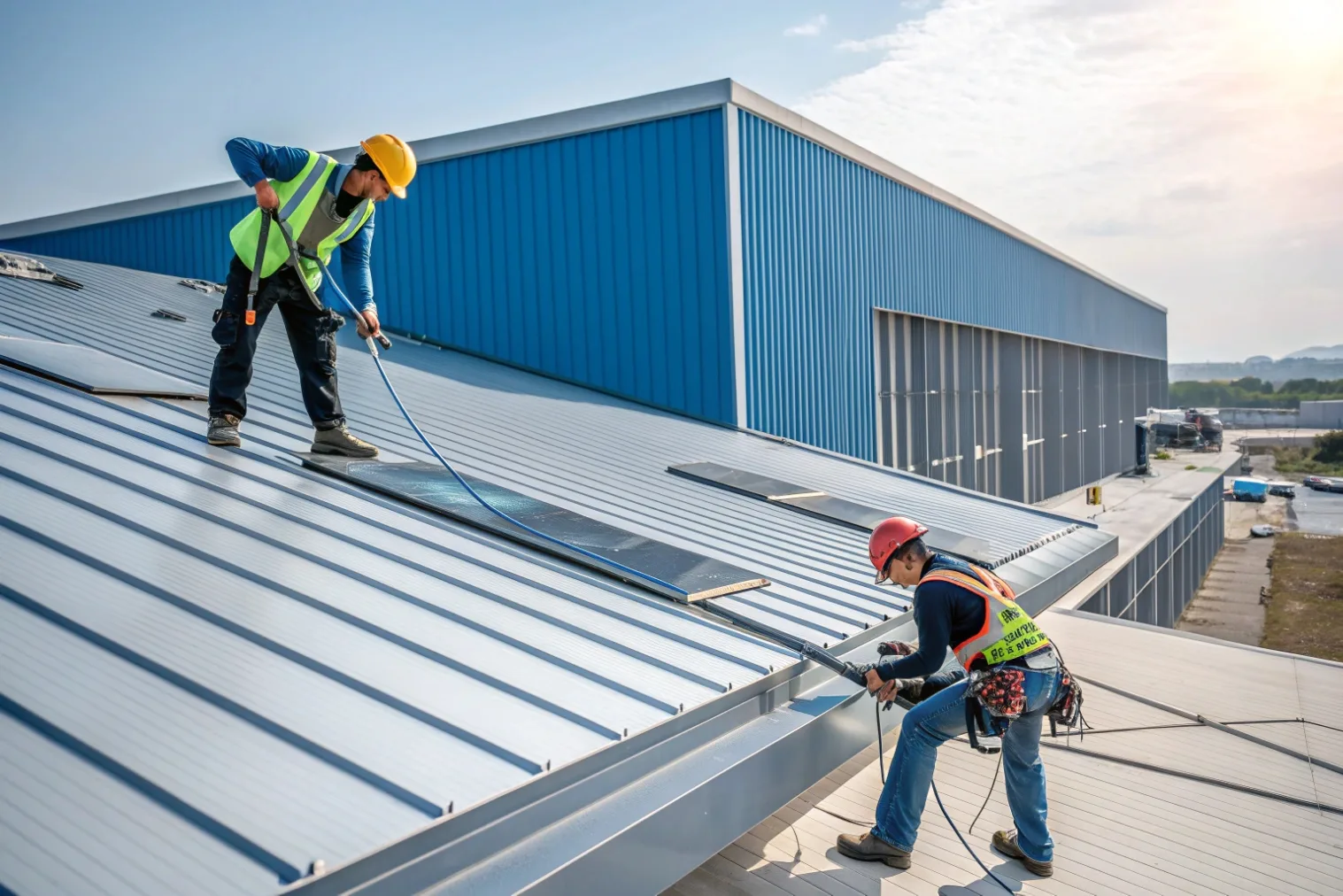
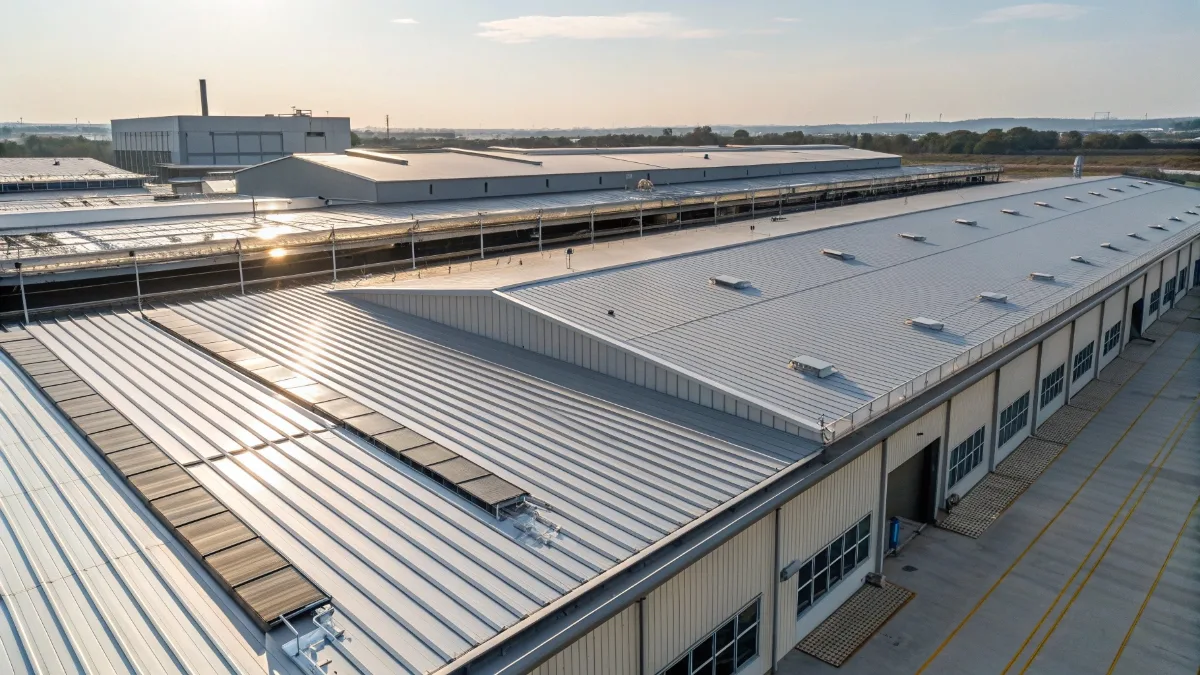
Roofing team installing galvalume metal sheets on industrial building under bright sunlight.
Galvalume metal sheets being installed on an industrial roof — preferred for hot and humid climates.

4. How to Choose the Right Coil for Your Climate and Budget

Selection depends on the balance between environmental exposure and budget priorities:

  • For coastal, industrial, or humid regions: Choose Galvalume for long service life and low maintenance.
  • For moderate or dry inland climates: Galvanized may provide sufficient protection at lower cost.
  • For agricultural or concrete-contact environments: Galvanized sometimes performs better chemically.
  • For architectural or energy-efficient roofs: Galvalume’s high reflectivity helps reduce heat gain.
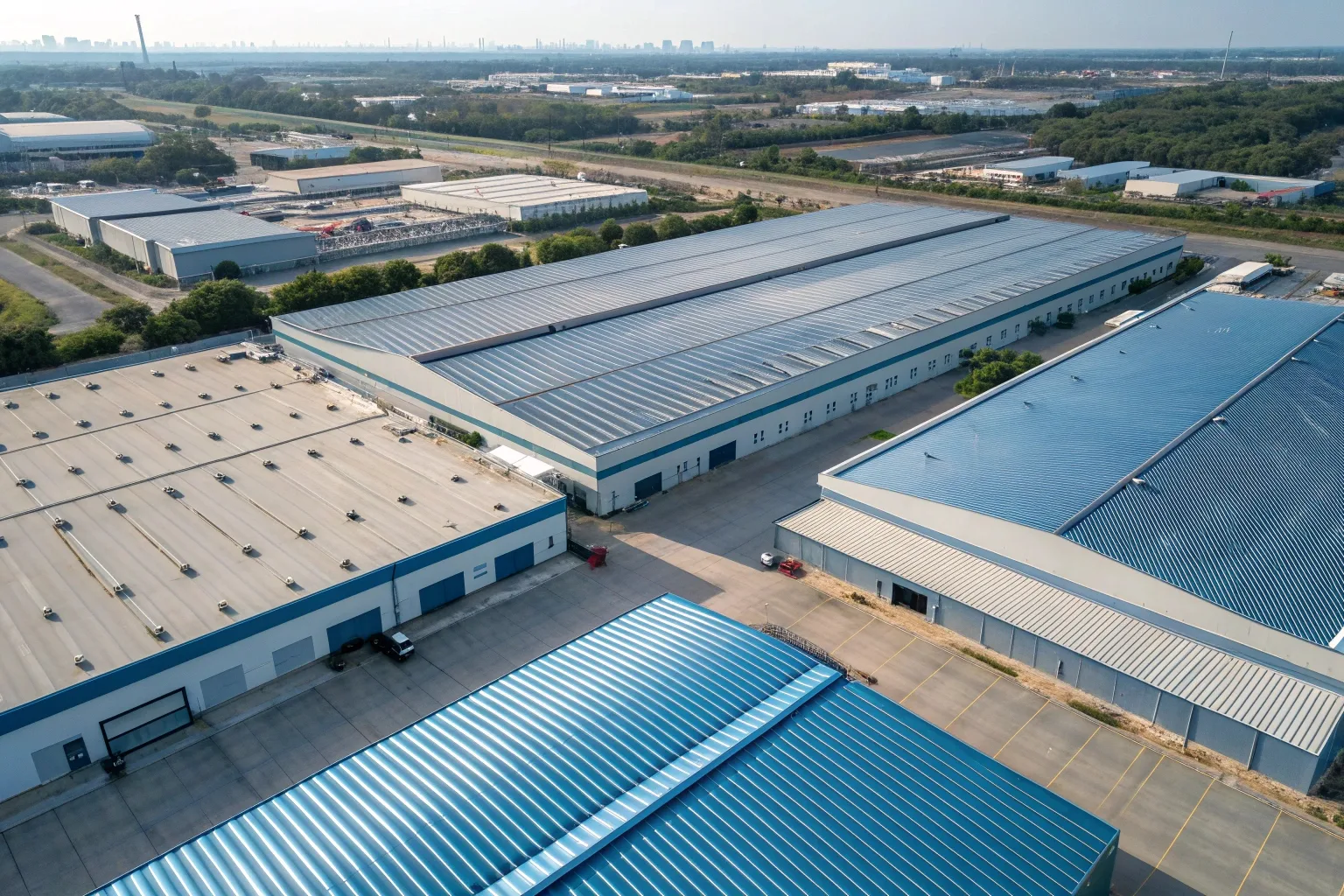
Aerial view of large industrial complex with shiny galvalume and galvanized roofs under sunlight.
Different roofing projects using galvanized and galvalume sheets — selection depends on climate and cost priorities.

Conclusion

For most modern roofing applications, Galvalume steel coils deliver longer service life and better all-weather protection, especially in humid or coastal areas. However, Galvanized steel coils remain a solid, cost-effective option for dry climates or short-term structures. Understanding the environment, exposure and lifecycle cost will help you select the right material for your roofing projects.
Share :

X
Facebook
LinkedIn
Pinterest
WhatsApp

More Tips

Steel roofing sheets installed on industrial buildings showing strength and durability

How Does Steel Sheet Thickness Impact Roofing Durability and Project Costs?

How Steel Sheet Thickness Impacts Roofing Durability and Project Cost Steel sheet thickness is one of the most influential factors in metal roofing performance. It directly affects structural strength, resistance to environmental loads, service life, and the total cost of a roofing project. Selecting the appropriate thickness is not simply about choosing the thickest material available—it requires balancing durability, structural requirements, installation conditions, and budget constraints. Table of Contents The Role of Steel Sheet Thickness in Roofing Strength How to Choose the Ideal Thickness for Your Project Balancing Cost and Durability Real-World Examples: Thin vs. Thick Steel Roofing Conclusion The Role of Steel Sheet Thickness in Roofing Strength Thicker steel sheets provide greater rigidity and resistance to wind and impact loads. Thicker steel sheets offer higher structural strength, improving resistance to wind uplift, impact loads, and foot traffic during installation and maintenance. Increased thickness reduces the risk of denting and

Read More »
Steel coils stored in factory warehouse ready for pre-shipment surface inspection

How Can Buyers Inspect Steel Coil Surface Quality Before Shipment? What Should a Proper Checklist Include?

How to Inspect Steel Coil Surface Quality Before Shipment: A Buyer’s Checklist Before steel coils are shipped overseas, surface quality inspection plays a critical role in preventing disputes, claims, and downstream processing issues. For buyers, especially importers and distributors, surface defects that go unnoticed before shipment can quickly translate into financial loss, project delays, or customer dissatisfaction. Why Surface Quality Inspection Matters Before Shipping Surface condition is often the first indicator of overall manufacturing quality and process control. Even when mechanical properties meet specification, surface defects such as scratches, dents, coating discontinuities, or corrosion spots can significantly reduce the usable value of a steel coil. Because most surface-related claims arise after unloading or processing, conducting a systematic inspection before shipment helps buyers identify issues early and establish clear quality documentation. Visual inspection under proper lighting helps identify surface defects before coils are packed for export. Key Visual and Dimensional Inspection

Read More »
Trusted Steel Supplier

Build Stronger with Premium Steel Solutions

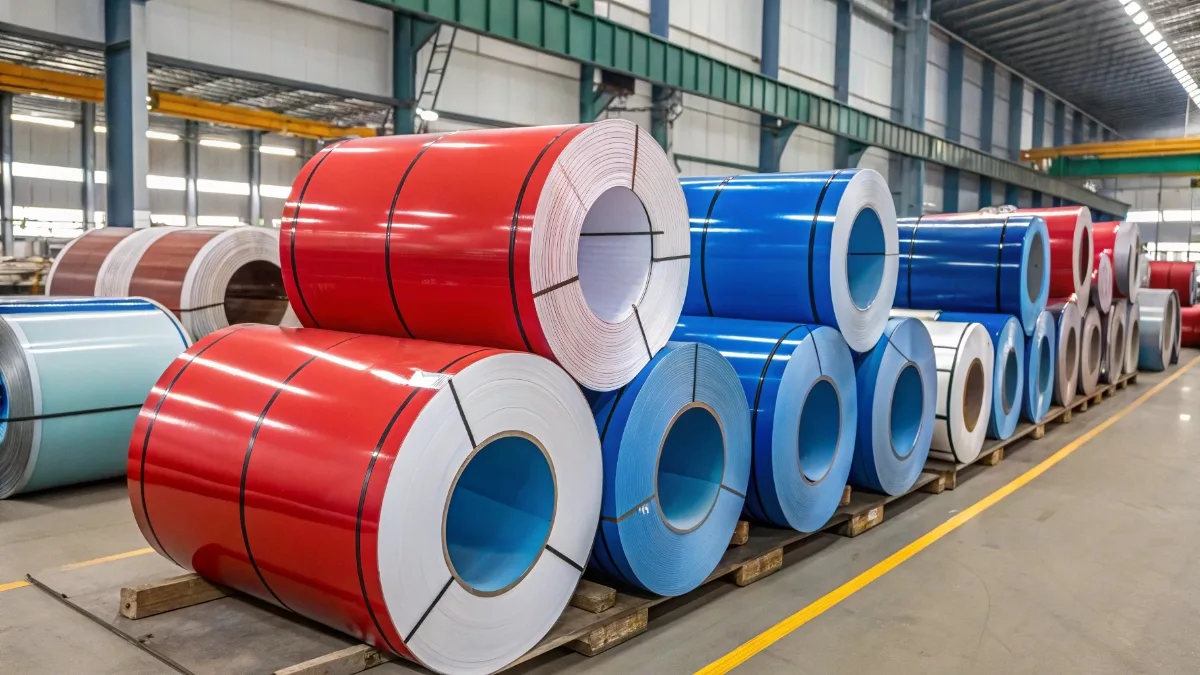
Explore our wide range of galvanized, galvalume, and color-coated steel products for your next project.

Get A Quick Price Today