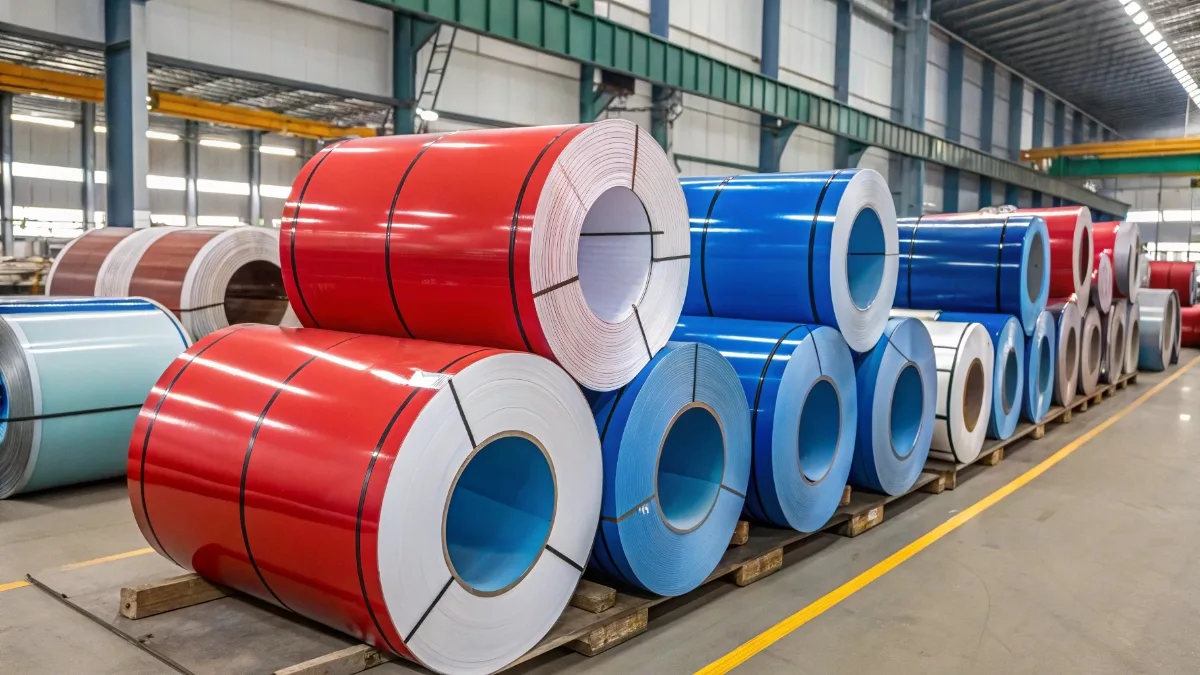
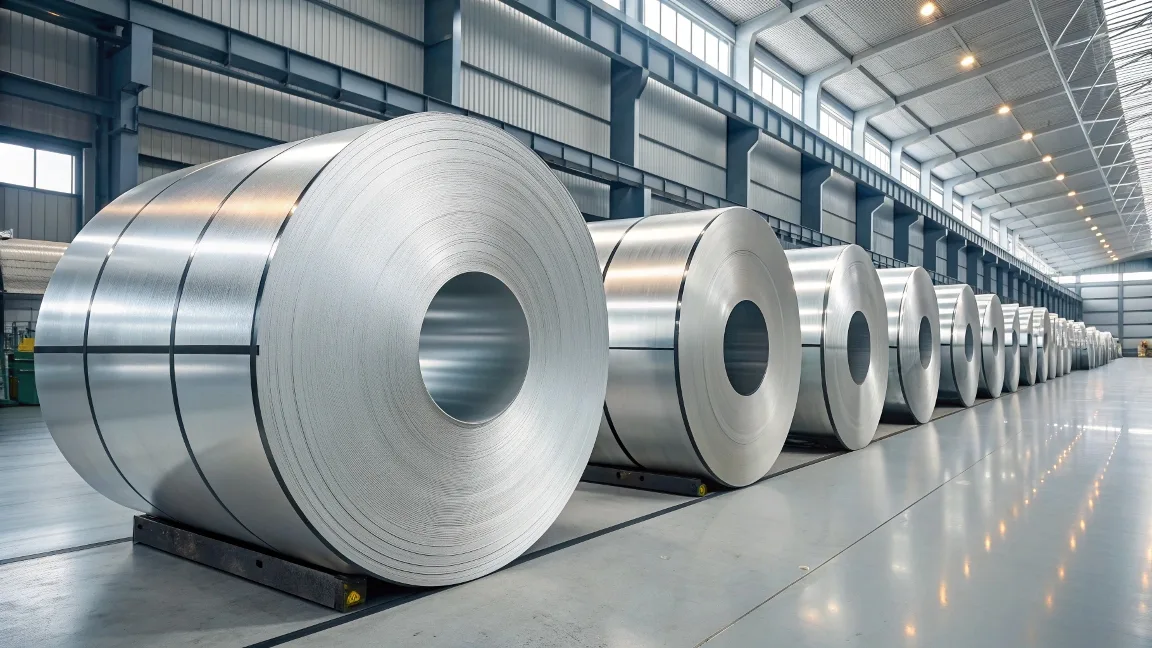
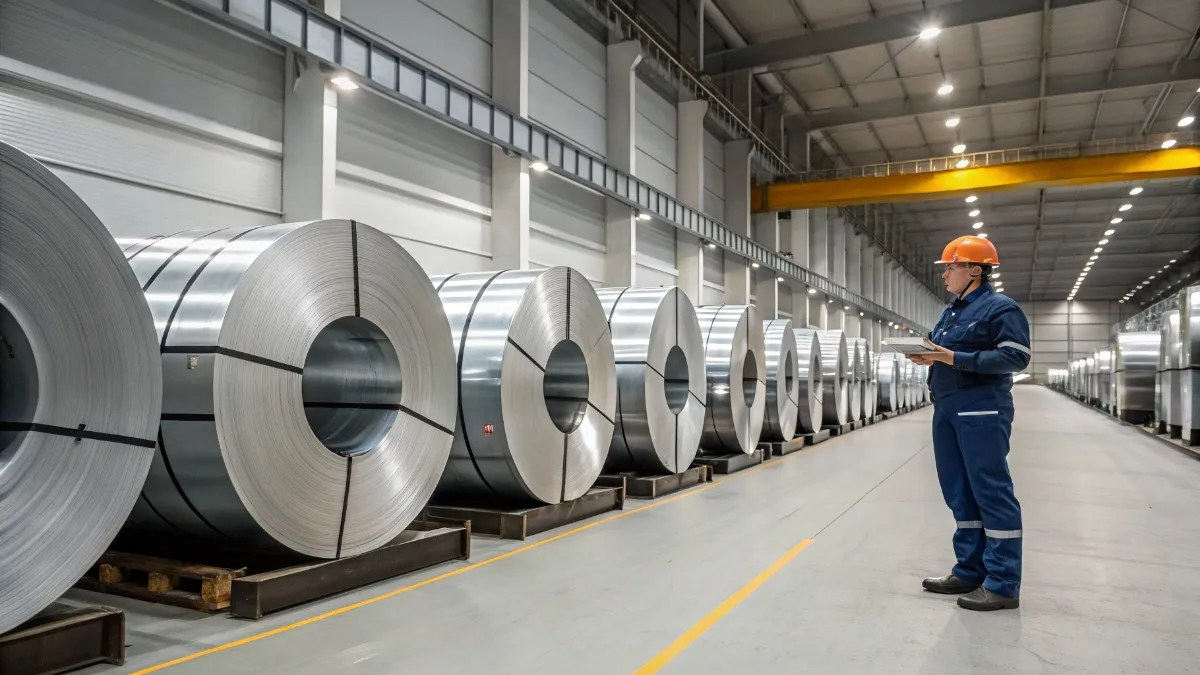
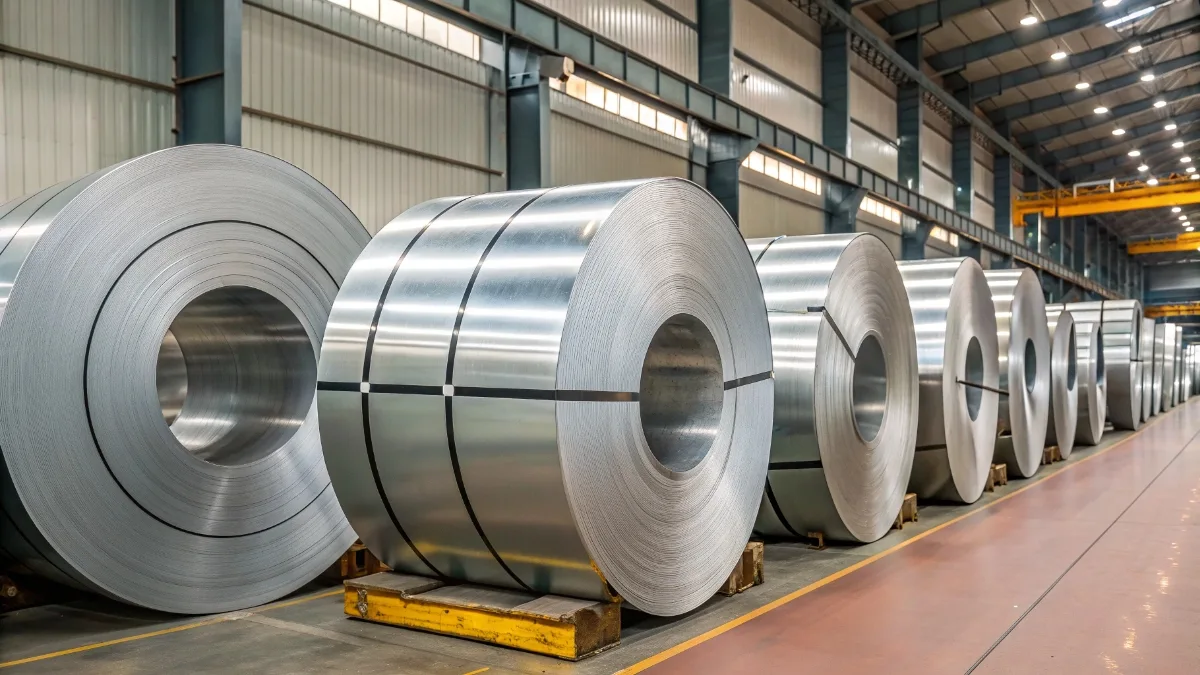
Large galvanized steel coils arranged neatly in a modern factory warehouse, symbolizing strength and quality in industrial manufacturing.

Galvanized Steel Coil: The Backbone of Industrial Manufacturing

Table of Contents

  1. Introduction
  2. How Galvanized Steel Coils Are Made
  3. Key Advantages in Industrial Manufacturing
  4. Common Applications in Industry
  5. Claim
  6. Selecting the Right Coil Supplier
  7. Conclusion

Introduction

Galvanized steel coil is a critical material in today’s manufacturing world. Known for its corrosion resistance, mechanical strength, and cost-effectiveness, it plays an essential role in everything from automotive production to HVAC systems. This article explores how galvanized coils are produced, their key advantages, and why they’re an industrial standard worldwide.

How Galvanized Steel Coils Are Made

Galvanized steel coils are made by applying a protective zinc coating to cold-rolled steel. This can be done through:

– **Hot-dip galvanizing (HDG)**: Immersing the steel in molten zinc
– **Electro-galvanizing (EG)**: Using electric current to apply zinc

Common Specifications:

– Thickness: 0.2mm – 3.0mm
– Coating: Z40 – Z275
– Width: Up to 1250mm
– Surface: Regular/zero spangle, skin-passed, oiled or dry

Key Advantages in Industrial Manufacturing

1. Corrosion Resistance

The zinc layer protects the base metal from oxidation, making it ideal for both indoor and outdoor use.

2. Strength and Formability

Galvanized steel is strong yet flexible, making it suitable for bending, stamping, and deep drawing.

3. Cost-Effectiveness

Compared to stainless steel, it offers an affordable alternative with sufficient performance for most industrial needs.

4. Sustainability

Fully recyclable and long-lasting, galvanized steel supports sustainable development goals.
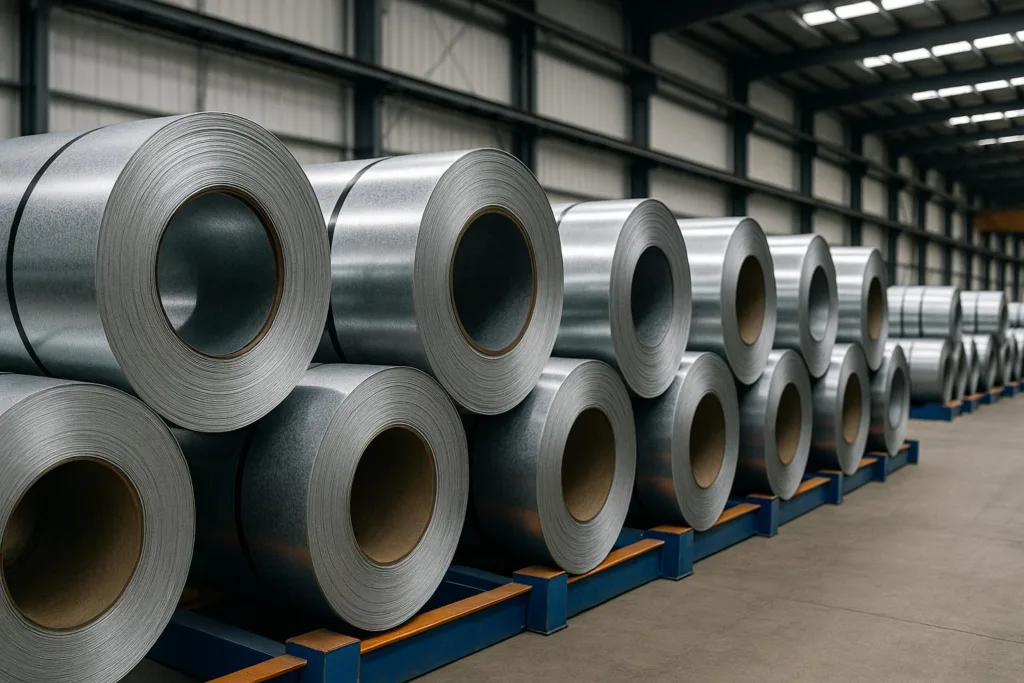
Galvanized steel coils neatly stored in an industrial warehouse

Common Applications in Industry

– **Automotive parts**: body panels, frames, chassis components
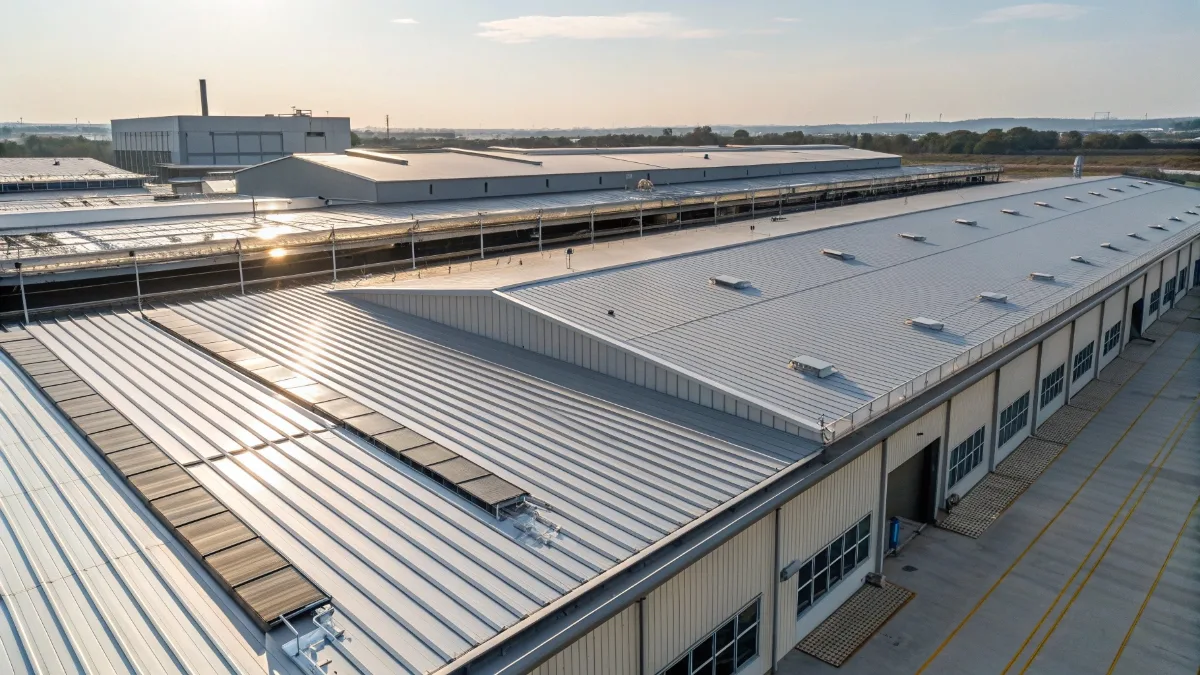
– **Construction**: HVAC ductwork, steel framing, roofing
– **Appliances**: washing machines, refrigerators, air conditioners
– **Agricultural equipment**: silos, grain bins, fencing
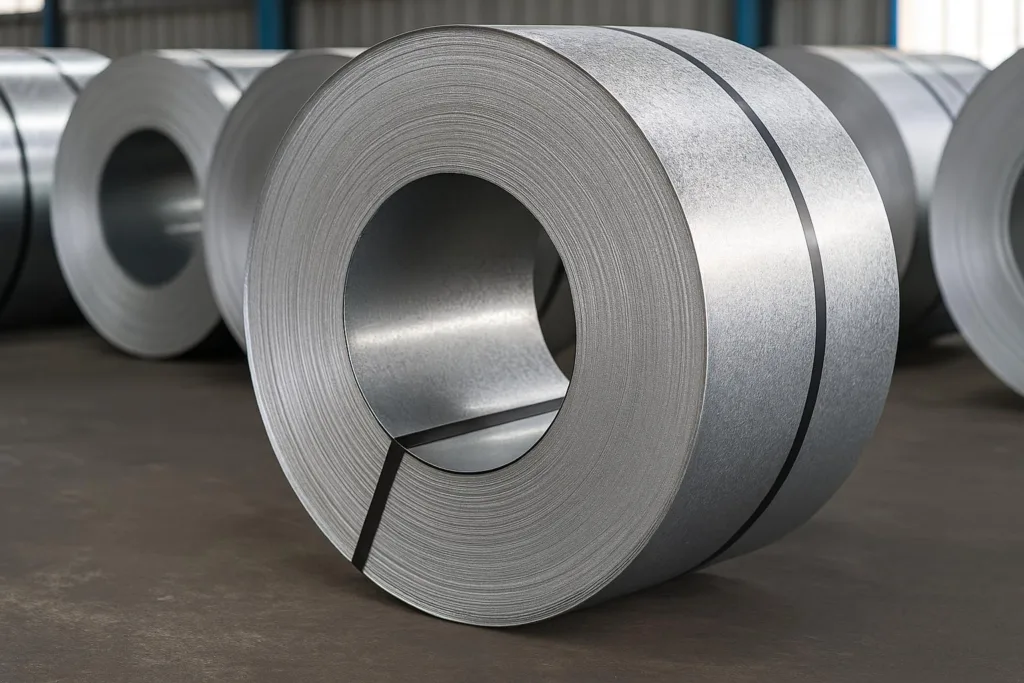
Close-up view of galvanized steel used in automotive manufacturing

Claim: As global industries seek durable, scalable, and sustainable materials, galvanized steel coils remain a strategic pillar in the modern supply chain.

Claim

Galvanized steel coil provides the perfect balance of performance and cost-efficiency, making it indispensable to modern manufacturing systems.

Selecting the Right Coil Supplier

Choosing the right supplier ensures consistency, durability, and compliance. Key factors to evaluate:

– **Coating weight & uniformity**
– **Spangle control and surface finish**
– **Certifications**: ISO, ASTM A653, JIS G3302
– **Timely delivery and reliable quality assurance**

Conclusion

Galvanized steel coil continues to be the preferred solution for manufacturers who need durability, cost-efficiency, and excellent corrosion resistance. As industries move toward more sustainable and durable solutions, galvanized coil will remain at the heart of industrial progress.
Share :

X
Facebook
LinkedIn
Pinterest
WhatsApp

More Tips

Steel roofing sheets installed on industrial buildings showing strength and durability

How Does Steel Sheet Thickness Impact Roofing Durability and Project Costs?

How Steel Sheet Thickness Impacts Roofing Durability and Project Cost Steel sheet thickness is one of the most influential factors in metal roofing performance. It directly affects structural strength, resistance to environmental loads, service life, and the total cost of a roofing project. Selecting the appropriate thickness is not simply about choosing the thickest material available—it requires balancing durability, structural requirements, installation conditions, and budget constraints. Table of Contents The Role of Steel Sheet Thickness in Roofing Strength How to Choose the Ideal Thickness for Your Project Balancing Cost and Durability Real-World Examples: Thin vs. Thick Steel Roofing Conclusion The Role of Steel Sheet Thickness in Roofing Strength Thicker steel sheets provide greater rigidity and resistance to wind and impact loads. Thicker steel sheets offer higher structural strength, improving resistance to wind uplift, impact loads, and foot traffic during installation and maintenance. Increased thickness reduces the risk of denting and

Read More »
Steel coils stored in factory warehouse ready for pre-shipment surface inspection

How Can Buyers Inspect Steel Coil Surface Quality Before Shipment? What Should a Proper Checklist Include?

How to Inspect Steel Coil Surface Quality Before Shipment: A Buyer’s Checklist Before steel coils are shipped overseas, surface quality inspection plays a critical role in preventing disputes, claims, and downstream processing issues. For buyers, especially importers and distributors, surface defects that go unnoticed before shipment can quickly translate into financial loss, project delays, or customer dissatisfaction. Why Surface Quality Inspection Matters Before Shipping Surface condition is often the first indicator of overall manufacturing quality and process control. Even when mechanical properties meet specification, surface defects such as scratches, dents, coating discontinuities, or corrosion spots can significantly reduce the usable value of a steel coil. Because most surface-related claims arise after unloading or processing, conducting a systematic inspection before shipment helps buyers identify issues early and establish clear quality documentation. Visual inspection under proper lighting helps identify surface defects before coils are packed for export. Key Visual and Dimensional Inspection

Read More »
Trusted Steel Supplier

Build Stronger with Premium Steel Solutions

Explore our wide range of galvanized, galvalume, and color-coated steel products for your next project.

Get A Quick Price Today