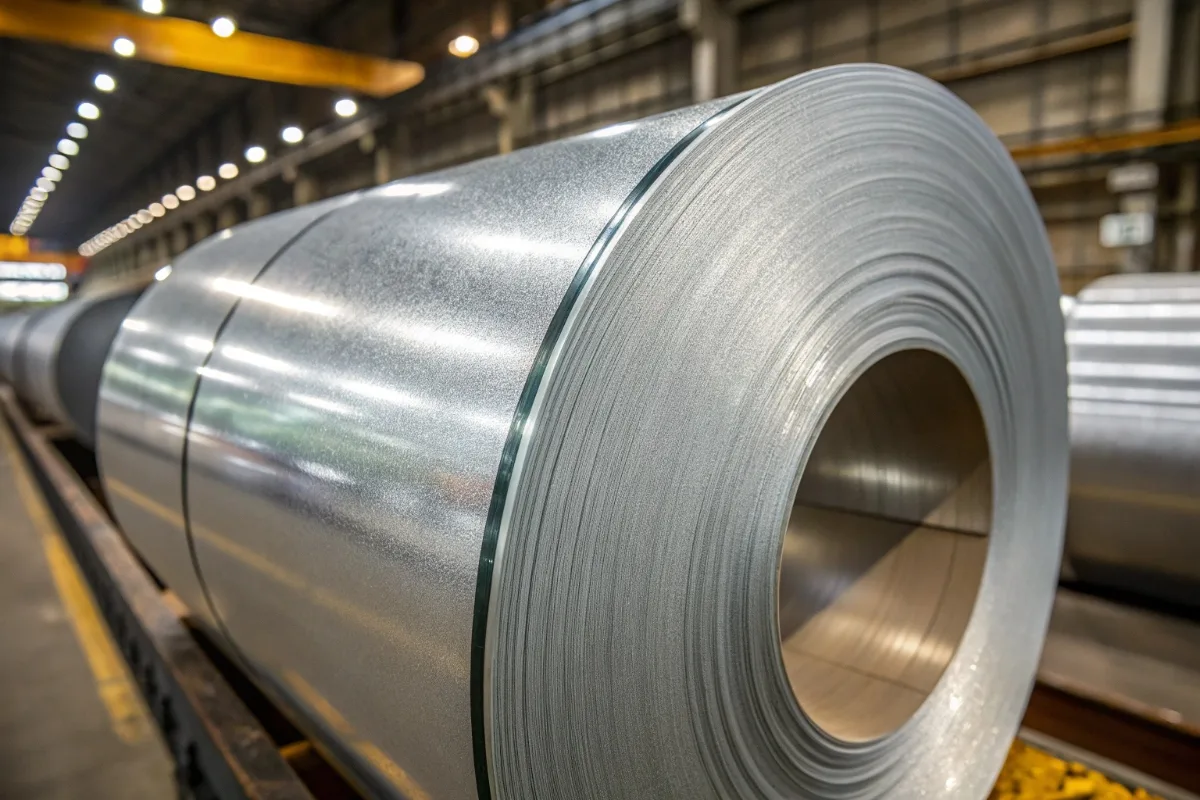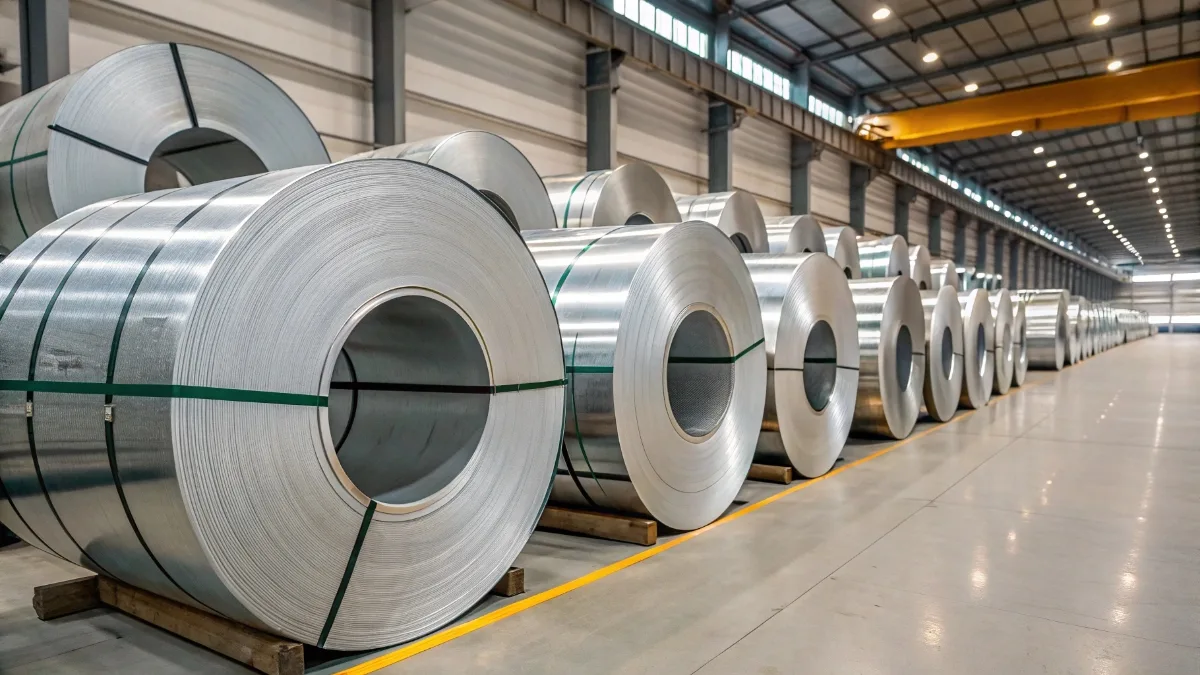
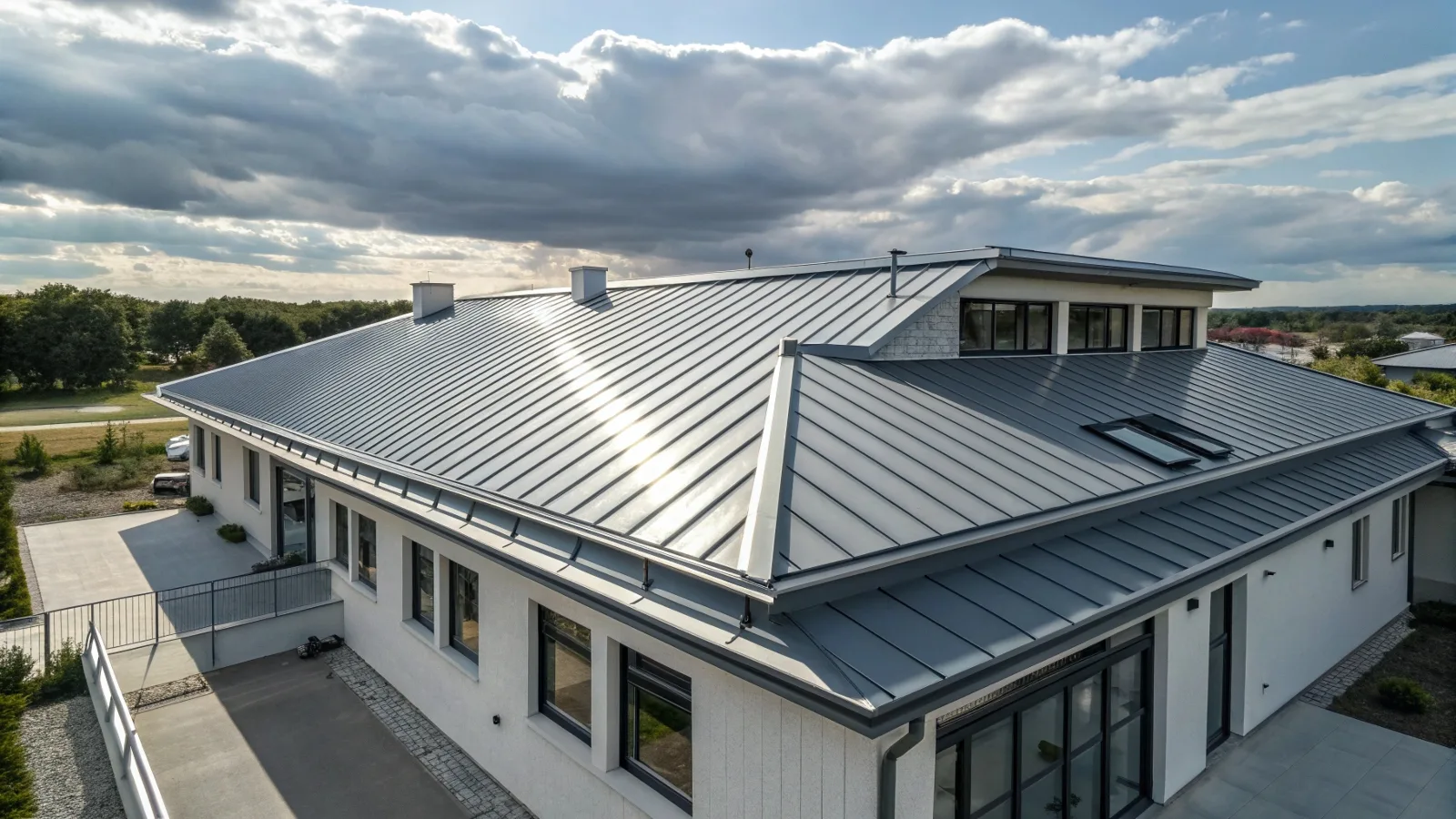
Roofing stands as the steadfast guardian of our homes, shielding us from the elements and ensuring the sanctity of our living spaces. In the realm of construction materials, the choice of roofing goes beyond mere aesthetics; it is a critical decision that defines a structure’s resilience and longevity. In this exploration, we turn our focus to steel roofing, delving into the profound functional advantages that extend beyond its captivating exterior, including the versatile steel roofing sheet.
As architects and homeowners alike seek roofing solutions that seamlessly blend durability with design, the steel roofing sheet emerges as a frontrunner in the modern construction landscape. Beyond its innate beauty, the steel roofing sheet stands as a testament to engineering excellence, providing a host of functional benefits that elevate it above traditional alternatives.
In the pages that follow, we embark on a journey through the robust advantages that steel, particularly the steel roofing sheet, brings to rooftops. From unparalleled durability to exceptional weather resistance, low maintenance requirements, and energy efficiency, the steel roofing sheet proves to be a dynamic choice that not only safeguards homes but also ensures enduring elegance. Join us in uncovering the remarkable tale of steel roofs, where form meets function in perfect harmony.
- Durability and Longevity
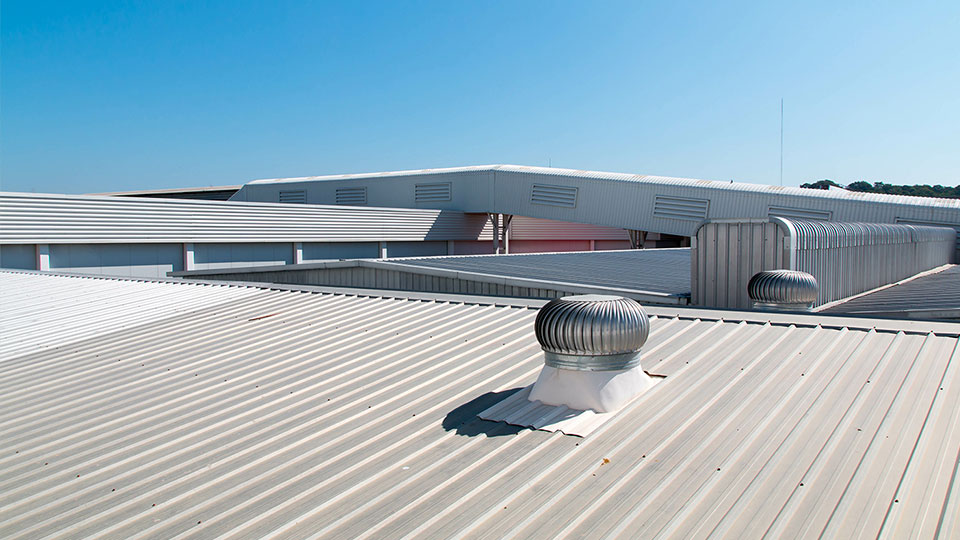
In the world of roofing, the steel roofing sheet stands as a paragon of durability, engineered from high-quality steel alloys to withstand the test of time. Resilient against rain, snow, and hail, these sheets provide an unwavering defense, ensuring a robust barrier against the forces of nature.
Unlike traditional materials, steel roofing sheets don’t succumb to wear and tear. Their resistance to corrosion and rust guarantees longevity, making them a wise and enduring investment. In choosing steel roofing sheets, homeowners secure not just a roof, but a shield that withstands the passage of time, a testament to the enduring power of steel in construction. In the sections ahead, we delve deeper into the functional excellence that positions the steel roofing sheet as a superior choice in modern construction.
- Weather Resistance
In the world of roofing, steel roofing sheets shine with remarkable weather resistance. Engineered to withstand rain, snow, and hail, these sheets provide an impervious shield against the elements.
The slick surface efficiently sheds water, preventing accumulation and potential damage. Even in heavy snowfall, the robust design evenly distributes weight, avoiding structural strain. Hailstorms, notorious for causing damage, barely leave a mark on steel roofing sheets.
- Low Maintenance
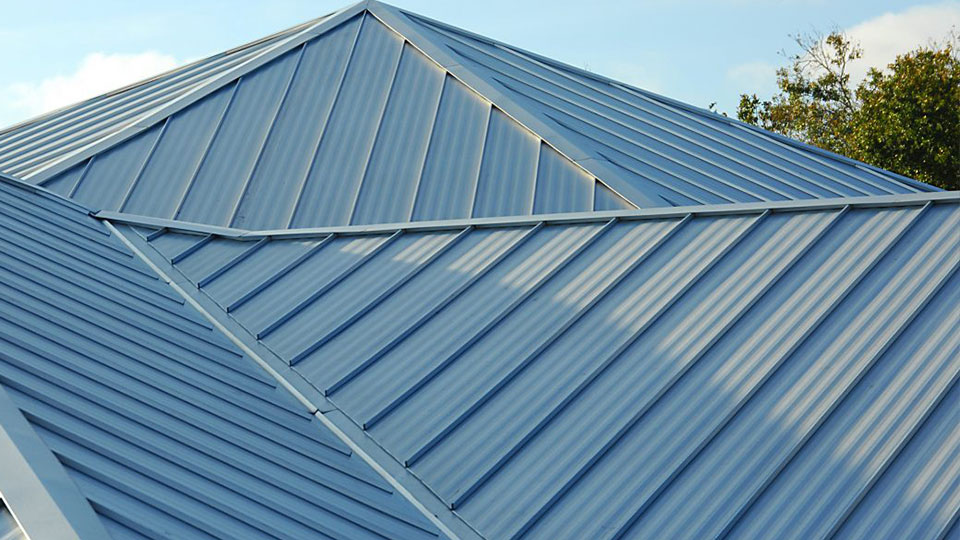
In the realm of roofing solutions, the steel roofing sheet stands as a beacon of energy efficiency. Its reflective properties not only enhance aesthetic appeal but also contribute to a cooler indoor environment. By deflecting sunlight, the steel roofing sheet reduces heat absorption, thus lowering cooling costs in warmer climates. Homes equipped with steel roofing sheets not only benefit from reduced energy consumption but also contribute to sustainable building practices.
- Energy Efficiency
In the realm of roofing solutions, steel roofing sheets stand out for their energy efficiency. The sheets’ reflective properties not only enhance aesthetic appeal but also contribute to a cooler indoor environment by deflecting sunlight. This reduces heat absorption, subsequently lowering cooling costs in warmer climates. The inherent energy-efficient quality of steel roofing aligns seamlessly with contemporary environmental concerns, offering homeowners and architects a sustainable and practical choice for modern construction.
- Design Flexibility
Steel roofing sheets redefine architecture with unparalleled design flexibility. Adaptable to various styles, from contemporary to traditional, these sheets seamlessly integrate into diverse structures. Offering architects and homeowners creative freedom, the customization options extend beyond functionality, adding an artistic touch to roofing solutions. The marriage of form and function makes steel roofing sheets a preferred choice, showcasing not just structural integrity but also elevating the visual appeal of modern architecture.
- Eco-Friendly Aspects
Steel roofing sheets champion eco-conscious construction with their recyclability and sustainable production. As one of the most recycled materials globally, steel reduces the demand for raw resources, minimizing environmental impact. The longevity of steel roofing sheets further contributes to resource conservation, making them a responsible and durable choice for those committed to green building practices.
- Cost-Effectiveness
Beyond their numerous advantages, steel roofing sheets offer a cost-effective solution. Despite a slightly higher initial investment, the long-term savings and minimal maintenance costs make them economically savvy. The durability and longevity of steel roofing sheets result in fewer repairs, translating into significant financial benefits over time. With reduced ongoing expenses and a lasting lifespan, steel roofing sheets prove to be a financially prudent and attractive choice for homeowners and businesses alike.
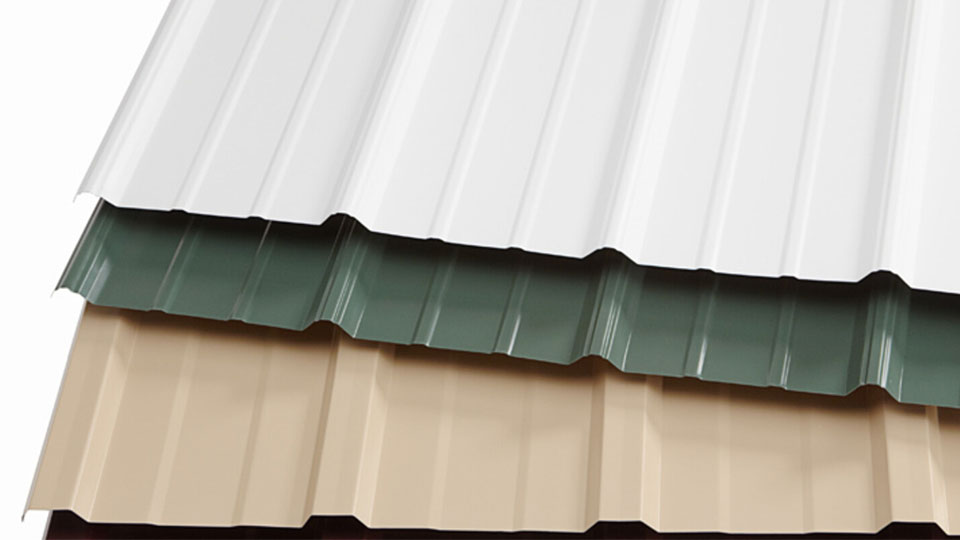
In summary, steel roofing sheets redefine modern construction with their durability, weather resistance, energy efficiency, and design flexibility. Their eco-friendly aspects align with global sustainability goals, making them a responsible choice. Additionally, the cost-effectiveness of steel roofing sheets adds enduring value for homeowners and businesses. As a symbol of strength, versatility, and timeless elegance, steel roofing sheets transcend traditional boundaries, offering a holistic solution for the evolving landscape of construction.